

Article
C. Raja Mohan, Darshana M. Baruah
{
  "authors": [
    "C. Raja Mohan"
  ],
  "type": "legacyinthemedia",
  "centerAffiliationAll": "dc",
  "centers": [
    "Carnegie Endowment for International Peace",
    "Carnegie India"
  ],
  "collections": [],
  "englishNewsletterAll": "ctw",
  "nonEnglishNewsletterAll": "",
  "primaryCenter": "Carnegie India",
  "programAffiliation": "SAP",
  "programs": [
    "South Asia"
  ],
  "projects": [],
  "regions": [
    "Asia",
    "South Asia",
    "Pakistan",
    "India",
    "Afghanistan",
    "East Asia",
    "China"
  ],
  "topics": [
    "Foreign Policy"
  ]
}
Source: Getty
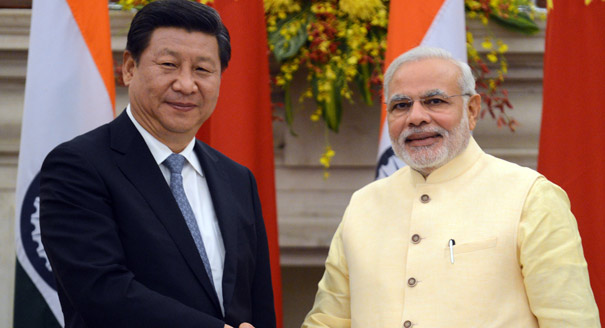
Chinese President Xi’s travel to Islamabad, coming three weeks before Indian Prime Minister Narendra Modi’s visit to China, raises interesting questions about New Delhi’s changing approach towards Beijing.
Source: Indian Express
Chinese President Xi Jinping’s visit to Pakistan this week presents a paradox. He is likely to unveil massive plans for the expansion of economic and strategic partnership between the two countries during the visit, as well as highlight the emerging vulnerabilities of a relationship that has long been celebrated as “higher than the Himalayas, deeper than the Indian Ocean and sweeter than honey”. Xi’s travel to Islamabad, coming three weeks before Prime Minister Narendra Modi’s visit to China, raises interesting questions about New Delhi’s changing approach towards Beijing.
During his two-day trip to Pakistan, Xi is expected to launch infrastructure projects worth more than $40 billion.
any of these are part of the China-Pakistan Economic Corridor, considered one of the cornerstones of Xi’s ambitious “one belt, one road” initiative aimed at transforming China’s ties with its neighbouring regions. The “belt” refers to the overland industrial and transport corridors that will link China to the Eurasian landmass. The “road” is short form for the maritime silk road that will connect China’s industrial heartland in the Pacific to the resource-rich Indian Ocean.Beyond the economic, the leaders of the two countries could close a deal on the sale of eight submarines to the Pakistan navy. For its part, Islamabad is expected to hand over the Gwadar port on a 40-year lease to China. The port is likely to host Chinese facilities to service the ships and submarines of the PLA Navy operating in the Indian Ocean.
But there is a downside to the story as well. It has not been easy to arrange Xi’s visit to Pakistan. When Xi came to India in September last year, he was to have travelled to Pakistan too. But the trip was cancelled amidst political turmoil in Islamabad at that time. After US President Barack Obama’s presence at India’s Republic Day celebrations in January, Pakistan was eager to have Xi grace its national day parade on March 23. Xi did not show up.
It is reported that security considerations have weighed heavily on China’s mind in preparing for Xi’s visit to Pakistan and in its reluctance to formally announce the dates of the visit. That in turn leads to a range of new problems that have begun to cast a shadow on the all-weather partnership between China and Pakistan.
At one end is the simple question of security for Chinese personnel working on a variety of development projects in Pakistan. Over the last few years, Beijing has mounted relentless pressure on improving the security of its citizens who have become targets for the militant groups in Pakistan. Islamabad has reportedly agreed to set up a special security force of nearly 12,000 people to protect Chinese workers and projects.
Even more important for China is the problem that we in India call cross-border terrorism. The tribal areas in Pakistan’s western borderlands with Afghanistan have become a sanctuary for terror groups that mount attacks in Xinjiang, China’s restive Muslim-majority province that borders the subcontinent. Security officials in Xinjiang and Beijing are no longer confident that the Pakistan army can take care of China’s concerns on terrorism. As the US withdraws from Afghanistan, Beijing worries that there could be more turbulence in Pakistan, which could worsen China’s internal security challenges.
China is no longer viewing the Af-Pak region through the eyes of the Pakistan army. Beijing has begun to make its own assessments of the region and over the last year, it has signalled an interest in promoting peace and reconciliation in Afghanistan. It might be too early to affirm that China and Pakistan are at odds in Afghanistan, but small cracks are appearing in the once-solid regional partnership between the two. Might that open up an opportunity for India?
Until now, Delhi had assumed that their shared hostility towards India meant that the alliance between Beijing and Rawalpindi was immutable. Although the China-Pakistan alliance has been an enduring feature of our geopolitical landscape for many decades, some change is inevitable as circumstances in the region evolve. For Delhi, the question is about judging the extent of the change and finding ways to transform India’s triangular relationship with Pakistan and China.
If Delhi is bold, it can influence the evolution of that relationship in two ways. For all the grand talk about the China-Pakistan Economic Corridor, there are many constraints on a China-led industrial transformation of Pakistan. The experiences in Myanmar and Sri Lanka point to some of the problems associated with China’s silk road initiatives.
Meanwhile, the potential for a sustainable economic partnership between India and China is much greater than that between Islamabad and Beijing. The problem so far has been Delhi’s reluctance.
India is also in a much better position today to counter any new Chinese investments in its military alliance with Pakistan. As India deepens ties with other major powers and takes a more active role in Asia and the Pacific, Modi is in a position to credibly tell his Chinese interlocutors that the costs of Beijing’s alliance with Rawalpindi could soon exceed the benefits.
Xi’s visit to Pakistan, then, must spur Modi to imagine a robust and self-confident strategy towards China that opens India to an expansive bilateral and regional economic partnership. Modi must also articulate India’s readiness to cooperate with China on regional security issues ranging from counter-terrorism to Afghanistan and the Indo-Pacific.
If India is the glue that binds the Sino-Pak alliance, as many argue, Delhi should have the capacity to weaken that bond through its own policies. Over the last decade, Delhi has managed to alter the triangular dynamic with Pakistan and America by expanding its partnership with Washington. There might be similar possibilities awaiting Modi in Beijing.
This article was originally published in the Indian Express.
Former Nonresident Senior Fellow, Carnegie India
A leading analyst of India’s foreign policy, Mohan is also an expert on South Asian security, great-power relations in Asia, and arms control.
Recent Work

C. Raja Mohan, Darshana M. Baruah


Alexander Gabuev, Paul Haenle, C. Raja Mohan, …
Carnegie does not take institutional positions on public policy issues; the views represented herein are those of the author(s) and do not necessarily reflect the views of Carnegie, its staff, or its trustees.

The conflict is exposing the deep energy vulnerabilities of Korea’s chip industry.


Darcie Draudt-Véjares, Tim Sahay
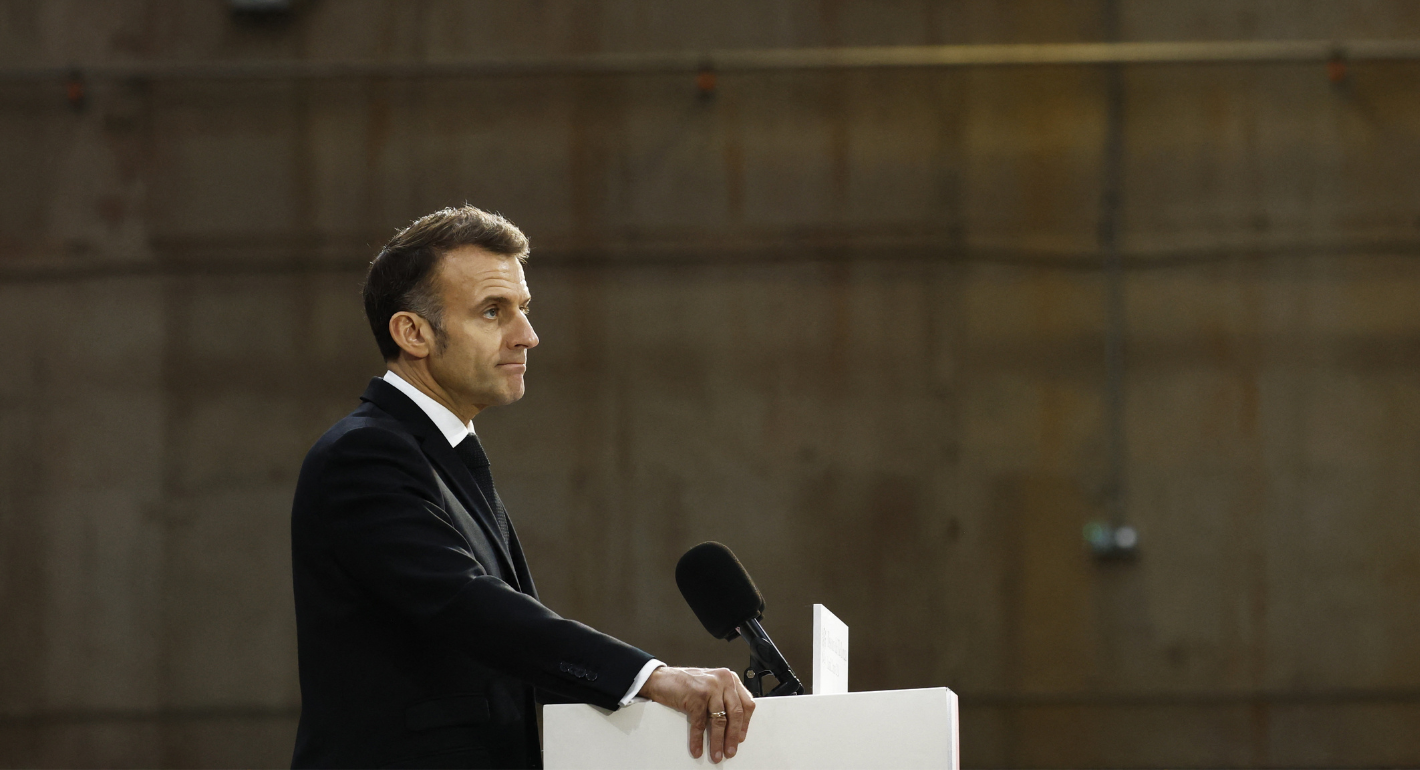
French President Emmanuel Macron has unveiled his country’s new nuclear doctrine. Are the changes he has made enough to reassure France’s European partners in the current geopolitical context?

Rym Momtaz, ed.
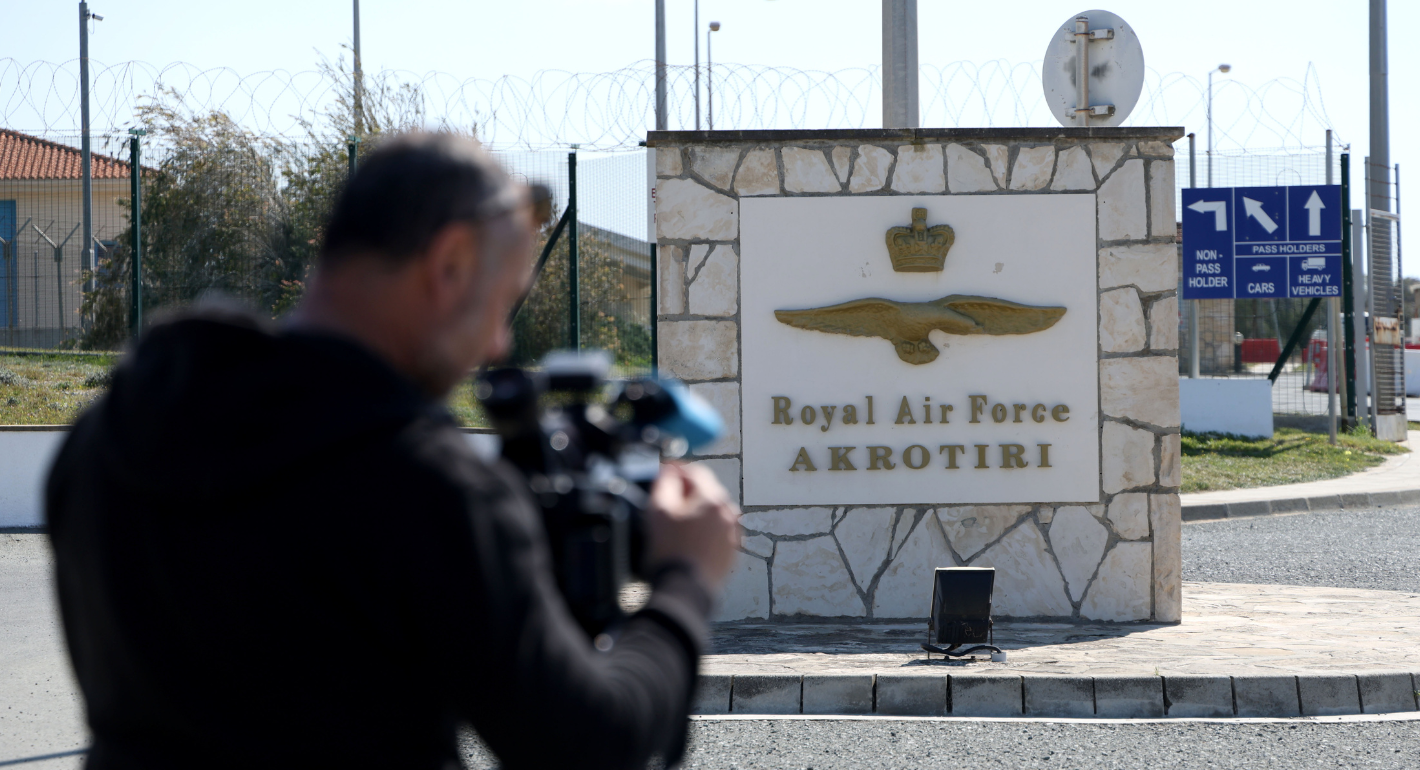
The drone strike on the British air base in Akrotiri brings Europe’s proximity to the conflict in Iran into sharp relief. In the fog of war, old tensions in the Eastern Mediterranean risk being reignited, and regional stakeholders must avoid escalation.

Marc Pierini
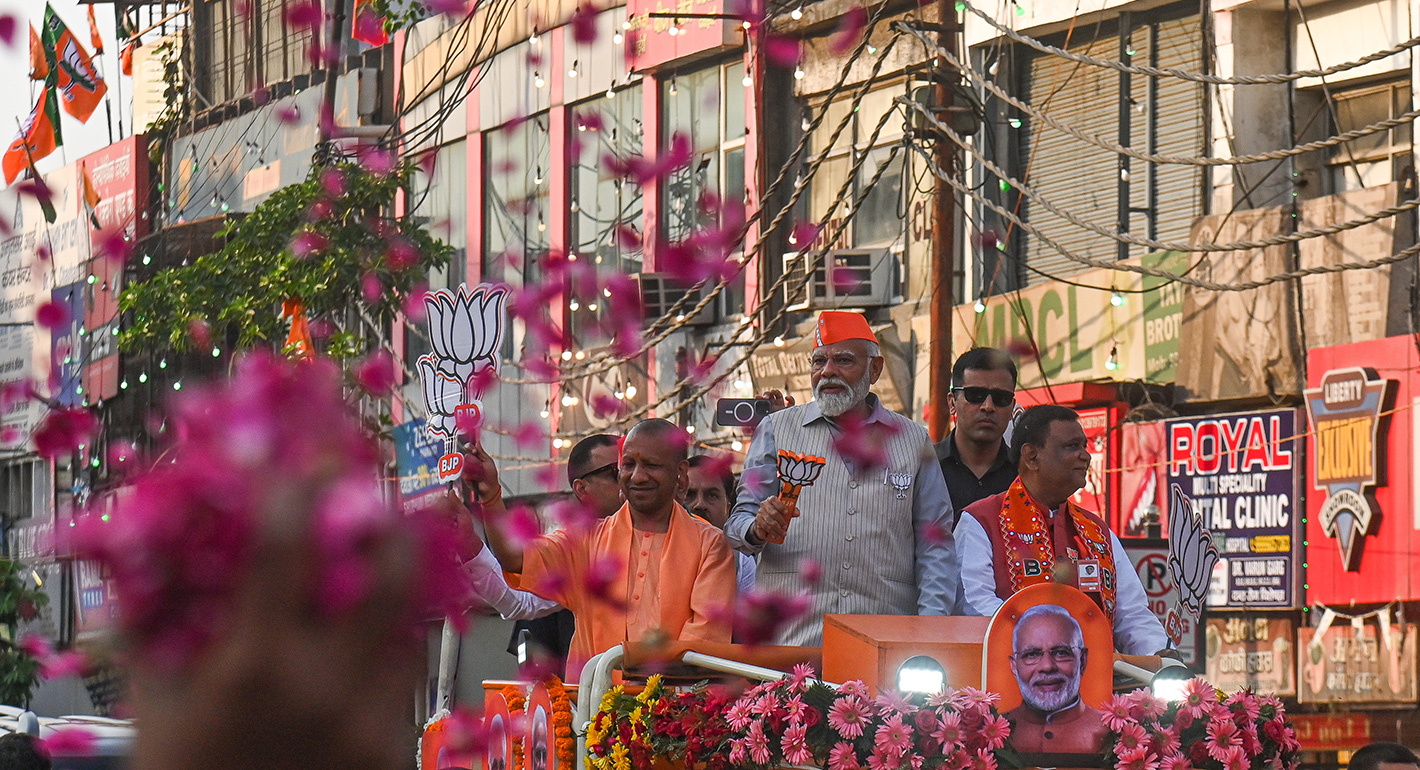
Domestic mobilization, personalized leadership, and nationalism have reshaped India’s global behavior.

Sandra Destradi
For years, the United States anchored global cyber diplomacy. As Washington rethinks its leadership role, the launch of the UN’s Cyber Global Mechanism may test how allies adjust their engagement.


Patryk Pawlak, Chris Painter