

Article
Carole Nakhle
{
  "authors": [
    "Carole Nakhle"
  ],
  "type": "other",
  "centerAffiliationAll": "dc",
  "centers": [
    "Carnegie Endowment for International Peace",
    "Malcolm H. Kerr Carnegie Middle East Center"
  ],
  "collections": [],
  "englishNewsletterAll": "menaTransitions",
  "nonEnglishNewsletterAll": "",
  "primaryCenter": "Malcolm H. Kerr Carnegie Middle East Center",
  "programAffiliation": "MEP",
  "programs": [
    "Middle East"
  ],
  "projects": [
    "Carnegie Oil Initiative"
  ],
  "regions": [
    "Egypt",
    "Gulf",
    "Maghreb",
    "Iran",
    "Iraq",
    "Algeria",
    "Middle East",
    "North Africa"
  ],
  "topics": [
    "Economy",
    "Climate Change"
  ]
}
Source: Getty
The ongoing slack in oil has exerted pressure and shed light on many producer countries, which struggle to attract investment and fight to secure favorable contract terms.
Source: Natural Resource Governance Institute
The ongoing slack in oil has exerted pressure and shed light on many producer countries, which struggle to attract investment and fight to secure favorable contract terms. Dr. Carole Nakhle, founder of advisory firm Crystol Energy and nonresident scholar at Carnegie Middle East Center, spoke with Thomas Lassourd at the Natural Resource Governance Institute’s annual conference in June about Algeria, Iran, Iraq, Egypt, and other countries, and the contractual and fiscal issues they face as commodity prices remain depressed.
This interview was originally published by the Natural Resource Governance Institute.
Former Nonresident Scholar, Middle East Center
Nakhle was a nonresident scholar at Carnegie Middle East Center, specializing in international petroleum contracts and fiscal regimes for the oil and gas industry, world oil and gas market developments, energy policy, and oil and gas revenue management.
Recent Work
Carole Nakhle
Carole Nakhle
Carnegie does not take institutional positions on public policy issues; the views represented herein are those of the author(s) and do not necessarily reflect the views of Carnegie, its staff, or its trustees.

In an interview, Naysan Rafati assesses the first week that followed the U.S. and Israeli attack on Iran.

Michael Young
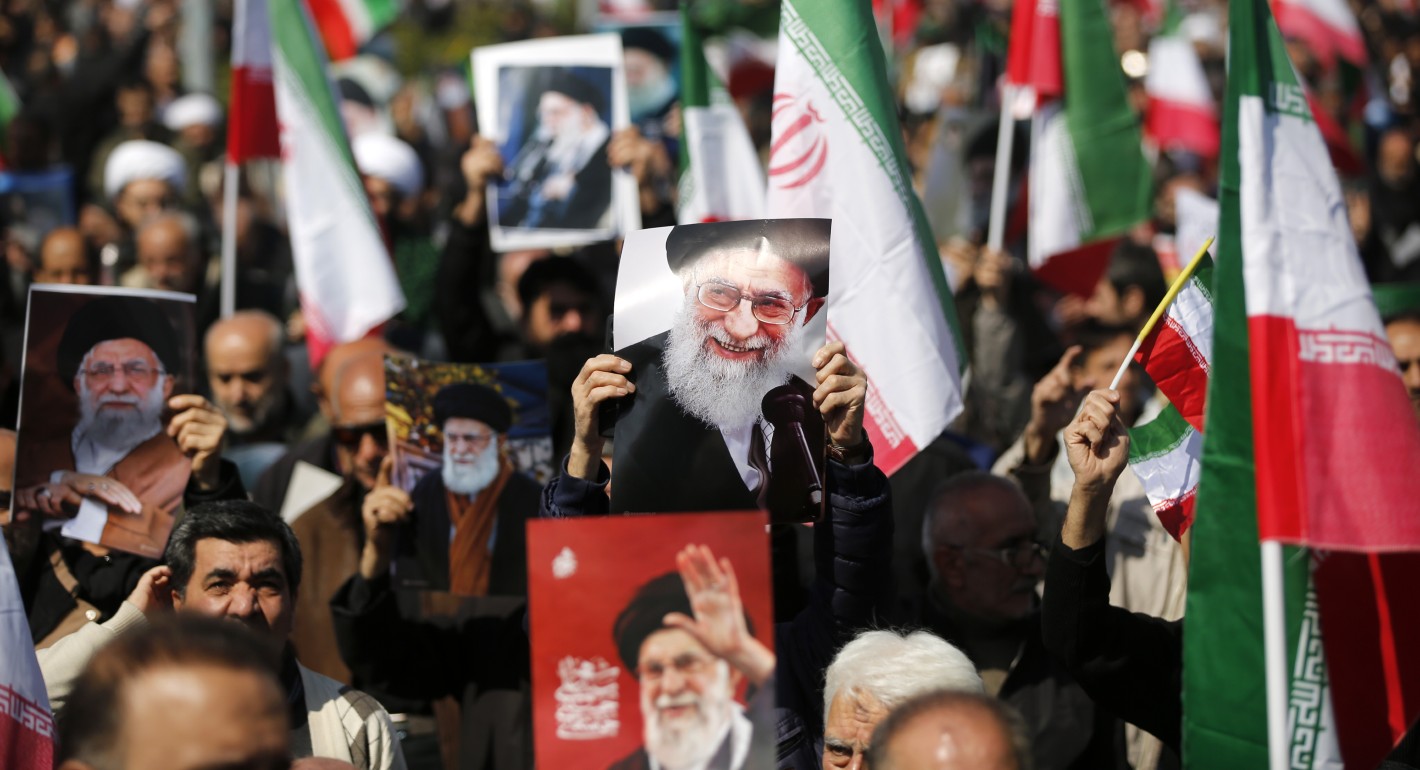
If the succession process can be carried out as Khamenei intended, it will likely bring a hardliner into power.

Eric Lob
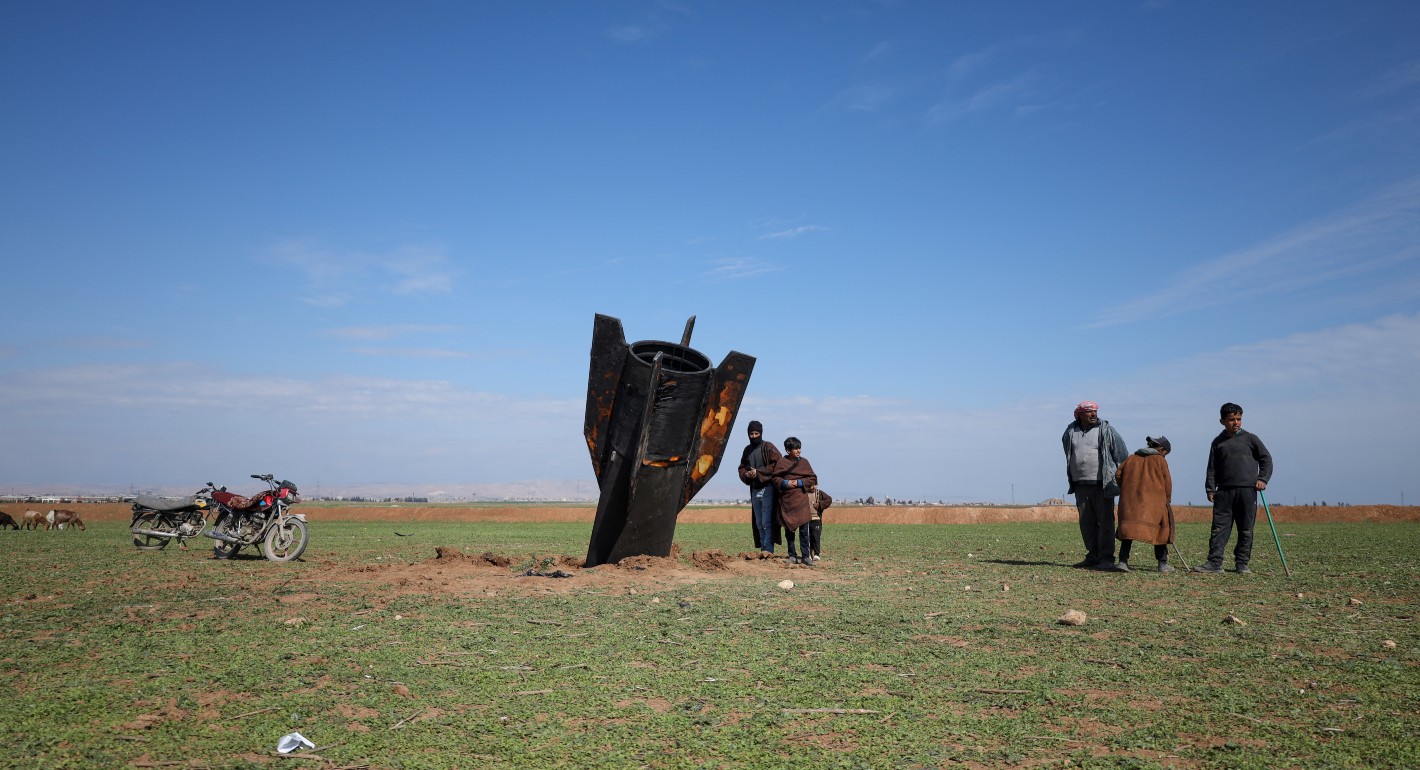
But to achieve either, it needs to retain Washington’s ear.

Alper Coşkun
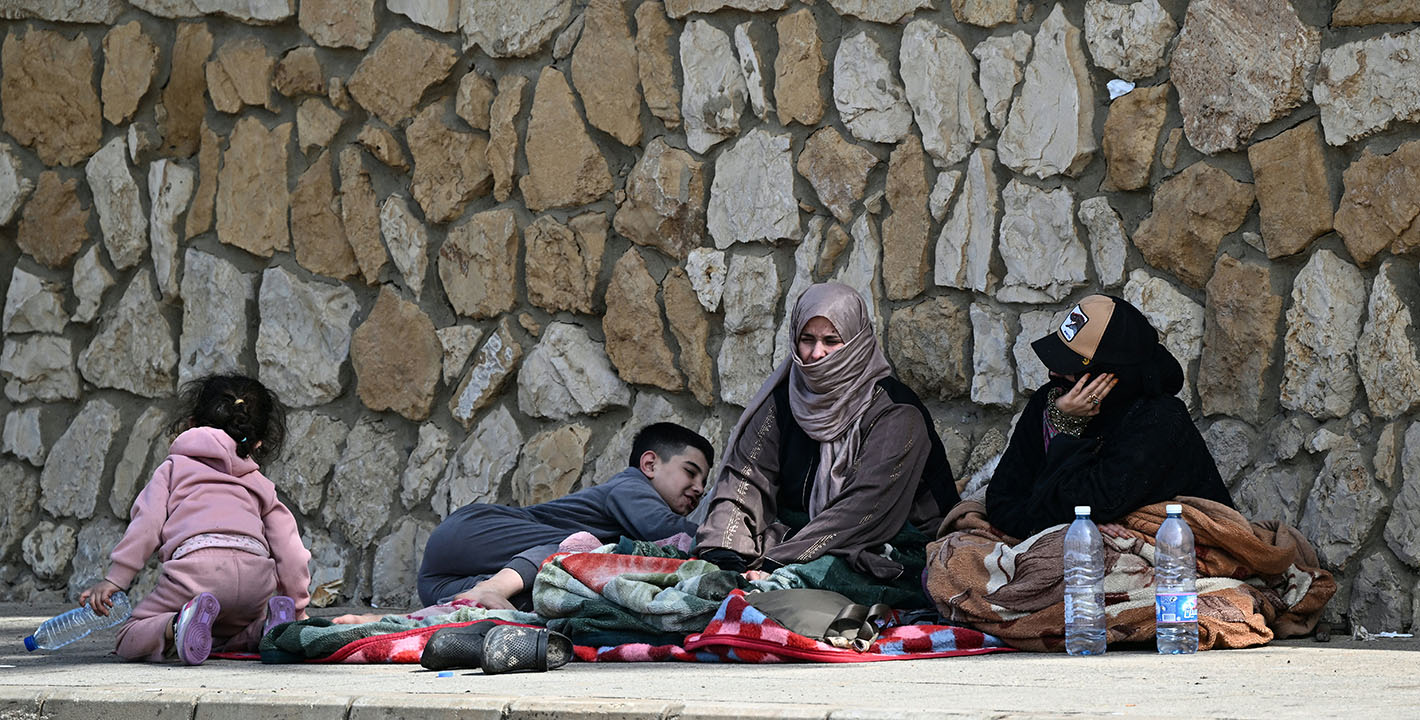
At heart, to impose unconditional surrender on Hezbollah and uproot the party among its coreligionists.

Yezid Sayigh
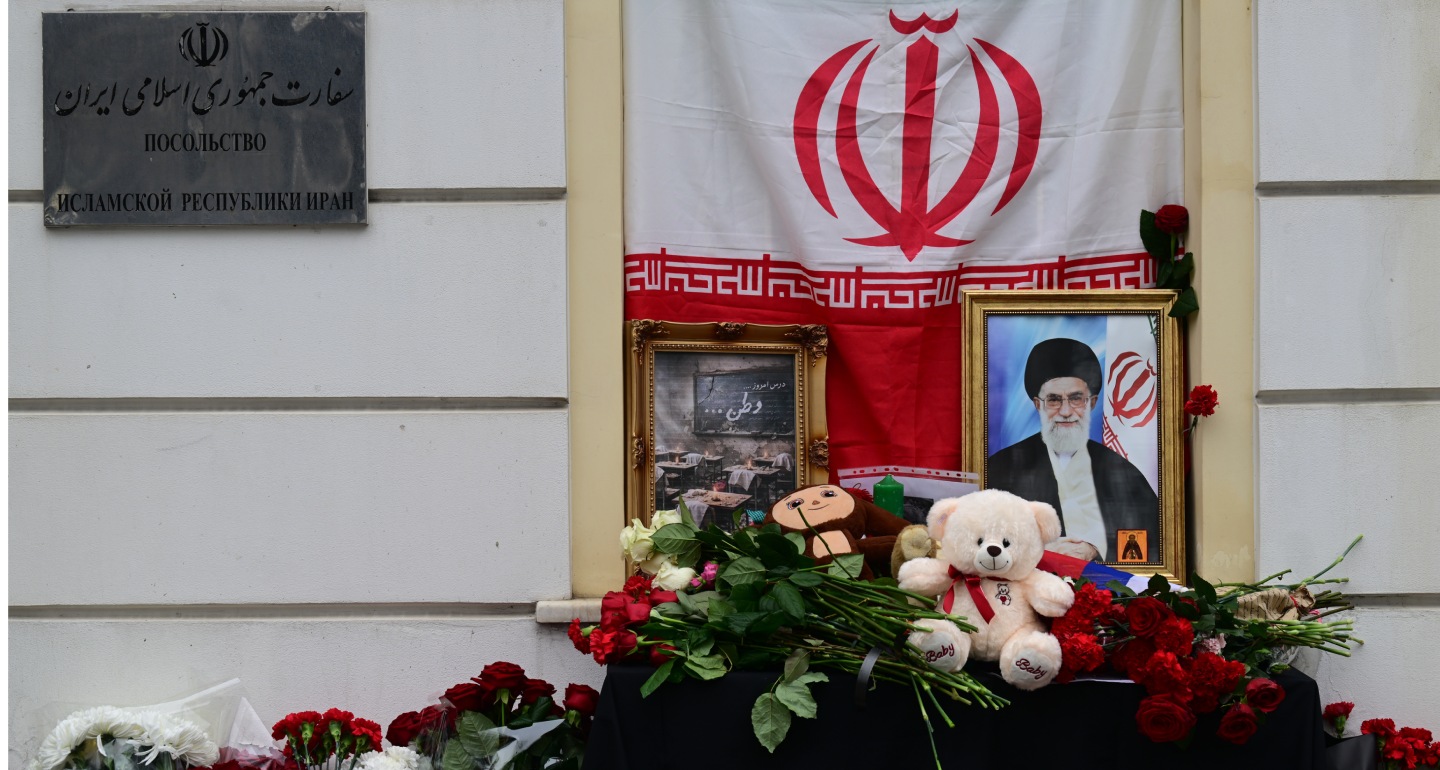
If the regime in Tehran survives, it could be obliged to hand Moscow significant political influence in exchange for supplies of weapons and humanitarian aid.

Nikita Smagin