

Research
- +5
Alper Coşkun, Fatih Ceylan, Tacan İldem, …
{
  "authors": [
    "Sinan Ülgen"
  ],
  "type": "legacyinthemedia",
  "centerAffiliationAll": "dc",
  "centers": [
    "Carnegie Endowment for International Peace",
    "Carnegie Europe",
    "Malcolm H. Kerr Carnegie Middle East Center"
  ],
  "collections": [
    "Turkey’s Transformation"
  ],
  "englishNewsletterAll": "ctw",
  "nonEnglishNewsletterAll": "",
  "primaryCenter": "Carnegie Europe",
  "programAffiliation": "EP",
  "programs": [
    "Europe"
  ],
  "projects": [],
  "regions": [
    "Europe",
    "Türkiye",
    "Iran"
  ],
  "topics": [
    "Political Reform"
  ]
}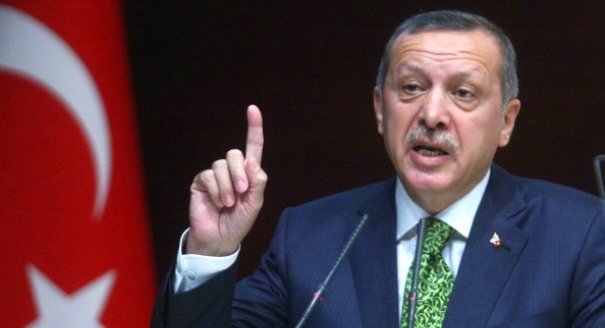
Source: Getty
With Turkey heading towards a new election, Erdogan is betting on a revived support to his AK Party. But isn’t that a gamble?
Source: Al Jazeera
Speaking to Al Jazeera’s Inside Story, Sinan Ülgen was asked to comment on the implications of new elections in Turkey and the formation of an interim government. He was joined by Kilic Kanat, research director at SETA foundation and assistant professor of political science at Penn State University, and Ege Sechin, Turkey specialist at IHS country risk and political risk analyst.
This broadcast was originally aired on Al Jazeera’s Inside Story.

Senior Fellow, Carnegie Europe
Sinan Ülgen is a senior fellow at Carnegie Europe in Brussels, where his research focuses on Turkish foreign policy, transatlantic relations, international trade, economic security, and digital policy.
Recent Work

Alper Coşkun, Fatih Ceylan, Tacan İldem, …
Carnegie does not take institutional positions on public policy issues; the views represented herein are those of the author(s) and do not necessarily reflect the views of Carnegie, its staff, or its trustees.

The domestic impacts of how long it is taking to end the war in Ukraine have pushed the French electorate to the political extremes and compromised the country’s diplomatic capacity.

Rym Momtaz

A deep dive into the policy ecosystems behind battery development in China, South Korea, Japan, the European Union (including some of its member states), the United States, Canada, and India.


Milo McBride, Herbert Crowther, Darcie Draudt-Véjares, …

Sergei Kiriyenko used Russia’s parliamentary vote to further hone his strategy of corporate mobilization that is designed to maximize votes for United Russia.

Andrey Pertsev

Before the next wave of EU enlargement takes place, the union needs to grapple with thorny questions of how power is distributed among its members.


Emil Sondaj Hansen, Ditte Brasso Sørensen

The European far right might fail to steer EU policy in the direction Russia wants, but they will create enough chaos inside Europe to benefit the Kremlin.

Dimitar Bechev