

Article
C. Raja Mohan, Darshana M. Baruah
{
  "authors": [
    "C. Raja Mohan"
  ],
  "type": "legacyinthemedia",
  "centerAffiliationAll": "dc",
  "centers": [
    "Carnegie Endowment for International Peace",
    "Carnegie India"
  ],
  "collections": [],
  "englishNewsletterAll": "ctw",
  "nonEnglishNewsletterAll": "",
  "primaryCenter": "Carnegie India",
  "programAffiliation": "SAP",
  "programs": [
    "South Asia"
  ],
  "projects": [],
  "regions": [
    "Asia",
    "South Asia",
    "India",
    "East Asia",
    "China",
    "Japan"
  ],
  "topics": [
    "Economy",
    "Foreign Policy"
  ]
}
Source: Getty
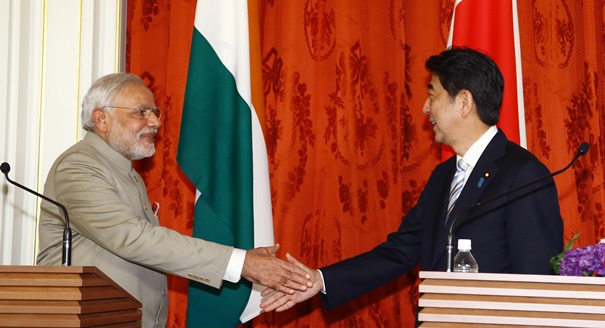
The unfolding economic rivalry between China and Japan is great news for Prime Minister Narendra Modi.
Source: Indian Express
For nearly two years, Chinese President Xi Jinping has been dazzling the world with his One Belt, One Road (Obor) initiative. Armed with massive cash reserves and a huge surplus of industrial capacity, Xi has been ready to build roads, airports, power projects, and high-speed railway systems all across Eurasia and the Indo-Pacific.
As countries ranging from Britain to Brunei and Tanzania to Tajikistan jumped on Xi’s Silk Road bandwagon, Japan, the other Asian giant and the world’s third-largest economy, watched warily. In a series of speeches, most recently in Kuala Lumpur on the margins of the East Asia Summit, Japanese Prime Minister Shinzo Abe has now laid out a framework for competing with China on the export of mega infrastructure projects.
The unfolding economic rivalry between China and Japan is great news for Prime Minister Narendra Modi, who has put building world-class infrastructure at the centre of his domestic agenda. If he can get New Delhi’s domestic act on infrastructure right, Modi will be able to mobilise unprecedented support from China and Japan.Even more important, Japan’s new activism will allow Delhi to mitigate some of the perceived threats from China’s growing economic presence in the subcontinent and beyond. If China is seen as limiting Delhi’s room for manoeuvre in the subcontinent and the Indian Ocean, Japan promises to create new opportunities for leading regional economic integration in its neighbourhood.
China’s new infrastructure drive has been backed by the establishment of the $100 billion Asian Infrastructure Investment Bank. Beijing has also earmarked a $40 billion Silk Road infrastructure fund. It has also set up the New Development Bank under the banner of the five-nation forum, BRICS, with an initial capital of $50 billion.
As Xi put his personal and political prestige on the belt and road initiative, India found itself between a rock and a hard place. Given its historical rhetoric against Western financial institutions, Delhi was quick to join the AIIB and helped found the BRICS bank. But when it came to Beijing’s proposals to develop infrastructure linking the subcontinent to China, Delhi was deeply discomfited. It was also reluctant to accept Chinese funding to develop major infrastructure projects in India.
Modi has altered some of this by becoming more open to Chinese investments and asking them to undertake a feasibility study on a high-speed train corridor between Chennai and Delhi. If the essence of India’s economic ambivalence towards China endured, Abe might now be able to put Delhi out of its strategic misery.
Last May, Abe announced that Tokyo will invest $110 billion to promote “quality infrastructure” in Asia over the next five years. If Japan’s dollar volume matches that of China, note Abe’s attempt to differentiate from China with the emphasis on “high quality”. Japanese officials believe that the quality of Chinese infrastructure is inferior to that in Japan.
They also argue that the hidden costs of Chinese proposals will come to haunt many of the projects being launched under the Obor initiative. Analysts in Tokyo point to the debate in Sri Lanka, where the new government in Colombo has sought to review the terms and conditions of the various mega projects that the Rajapaksa regime had signed with Chinese companies. Addressing this weakness, Abe is highlighting the importance of “sustainable infrastructure development”.
In a series of visits to various regions across Asia, Abe has been pitching for Japan’s project exports. While it has lost some big deals to Beijing, Tokyo has begun to edge out Chinese competition elsewhere. In Indonesia, it lost a bid to develop a high-speed rail line between Jakarta and Bandung. In Bangladesh, Japan won a port at the Matarbari island on the southeastern coast.
Refusing to join the China-promoted AIIB, Japan is trying to rejuvenate the Asian Development Bank that it has led for many decades. In Kuala Lumpur over the weekend, Abe outlined a plan to liberalise the ADB’s terms of lending. While China is relatively new to infrastructure development beyond its borders, Japan has been at it for many decades. Japanese technology and finance have been at the forefront of building road and rail corridors and airports, including in China. Japan’s overseas assistance arm, the Japan International Cooperation Agency (Jica), has supported many such projects in India, including the Delhi Metro and the Delhi-Mumbai corridor. While Jica’s activity has been expansive, Tokyo lacked a larger strategic framework to guide its infrastructure promotion. But Japan’s traditional development aid has now acquired a strategic dimension under Abe, as he tries to fend off China’s drive to expand its economic and political influence in Asia.
For nearly a decade now, Delhi has wrung its hands as China unveiled a series of spectacular infrastructure projects in and around India. In partnership with Japan now, Delhi can imagine bold new connectivity initiatives within India and beyond, and better negotiate its future participation in Chinese projects in the region.
This article was originally published in the Indian Express.
Former Nonresident Senior Fellow, Carnegie India
A leading analyst of India’s foreign policy, Mohan is also an expert on South Asian security, great-power relations in Asia, and arms control.
Recent Work

C. Raja Mohan, Darshana M. Baruah


Alexander Gabuev, Paul Haenle, C. Raja Mohan, …
Carnegie does not take institutional positions on public policy issues; the views represented herein are those of the author(s) and do not necessarily reflect the views of Carnegie, its staff, or its trustees.
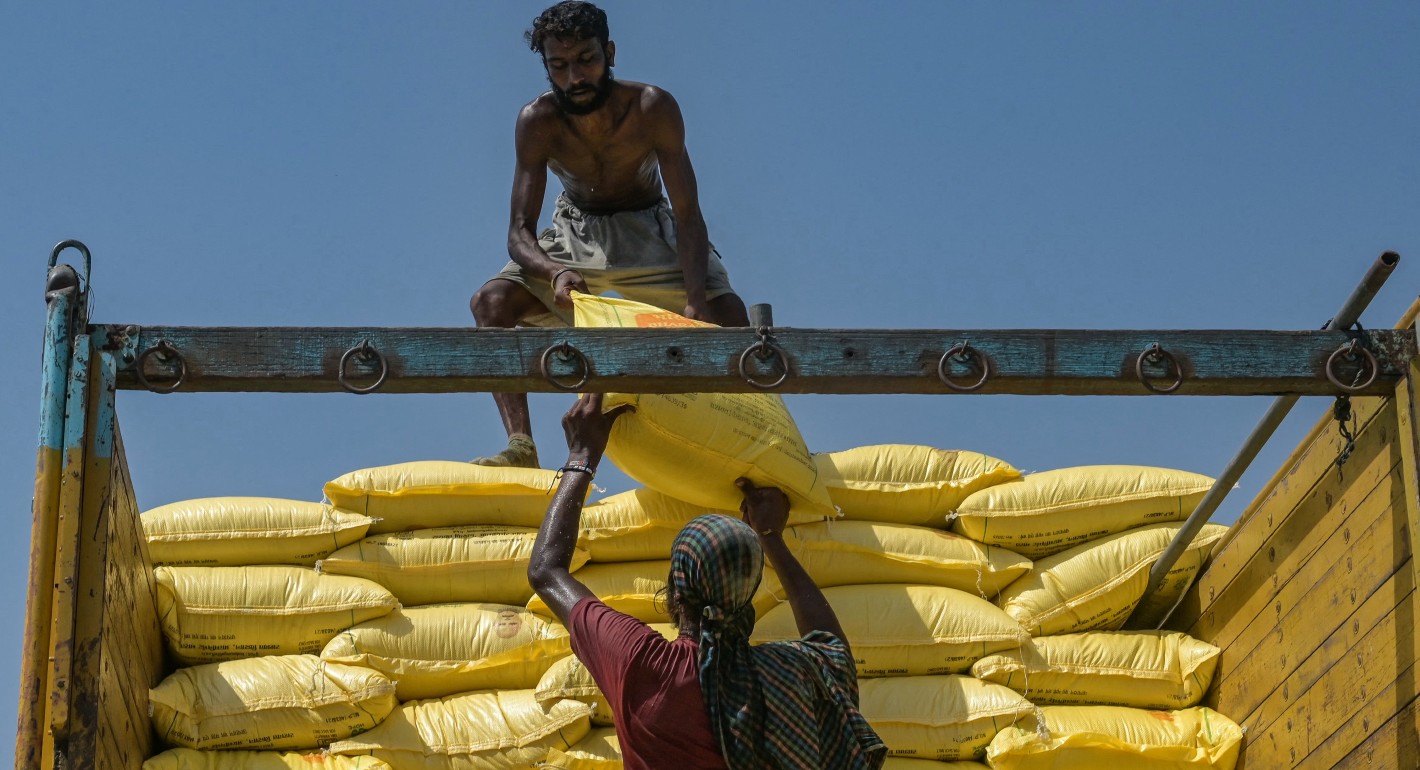
Even if the Iran war stops, restarting production and transport for fertilizers and their components could take weeks—at a crucial moment for planting.

Noah Gordon, Lucy Corthell
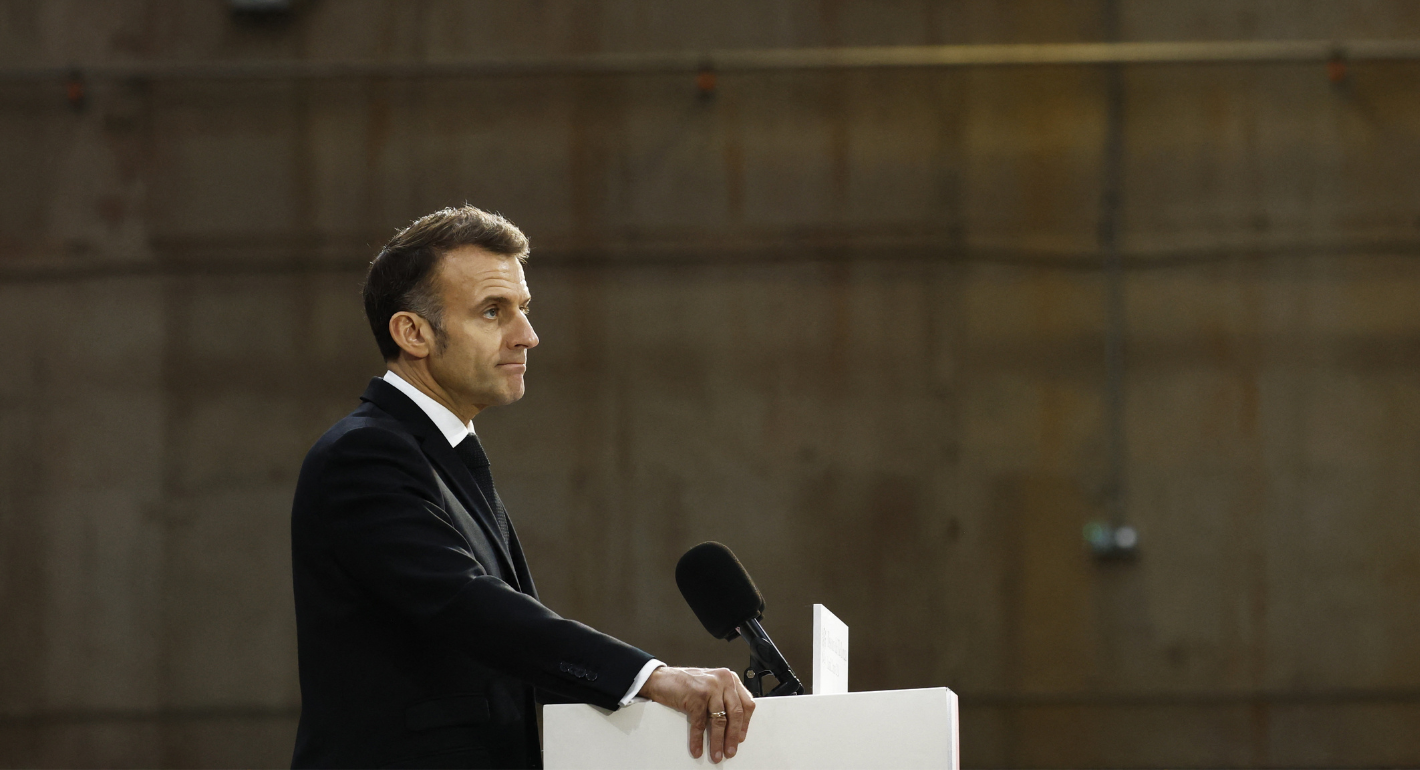
French President Emmanuel Macron has unveiled his country’s new nuclear doctrine. Are the changes he has made enough to reassure France’s European partners in the current geopolitical context?

Rym Momtaz, ed.
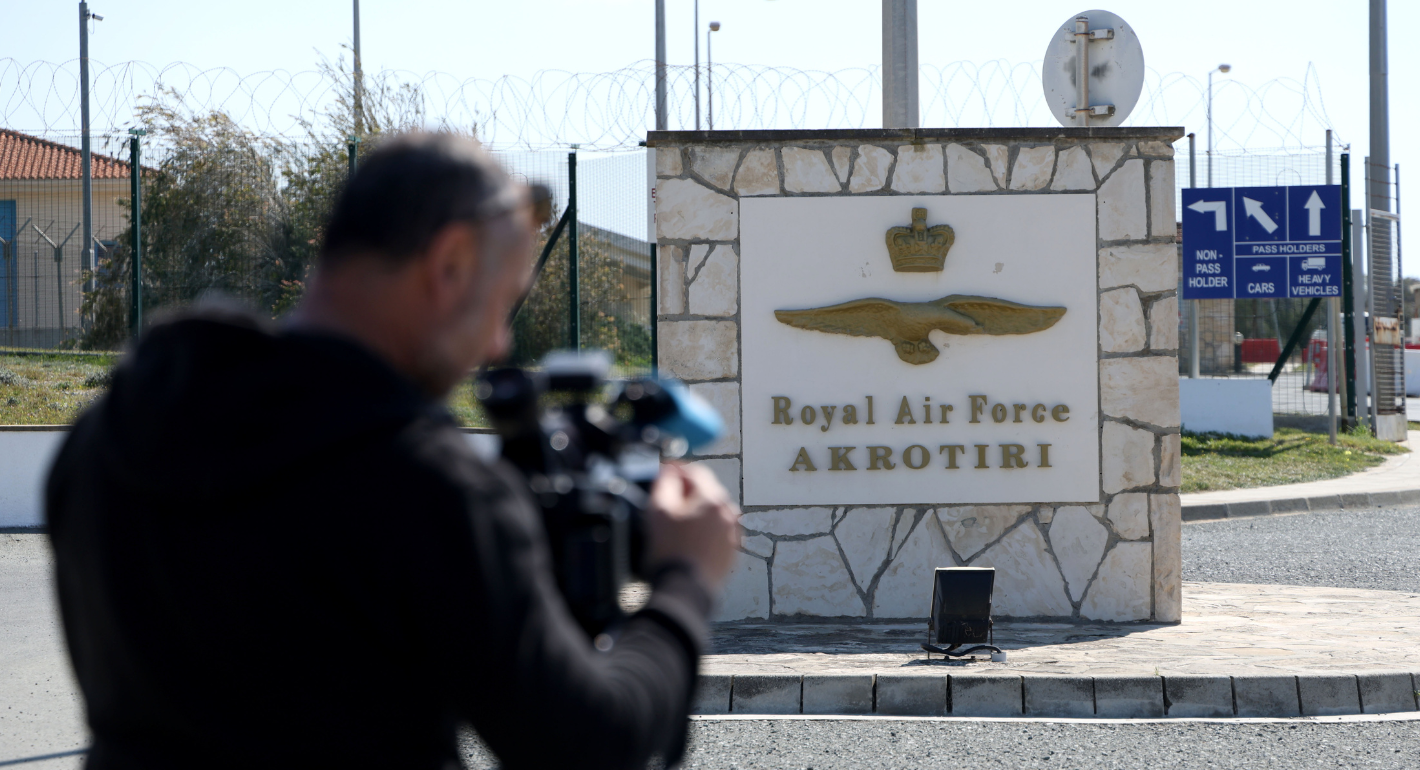
The drone strike on the British air base in Akrotiri brings Europe’s proximity to the conflict in Iran into sharp relief. In the fog of war, old tensions in the Eastern Mediterranean risk being reignited, and regional stakeholders must avoid escalation.

Marc Pierini
Domestic mobilization, personalized leadership, and nationalism have reshaped India’s global behavior.

Sandra Destradi
For years, the United States anchored global cyber diplomacy. As Washington rethinks its leadership role, the launch of the UN’s Cyber Global Mechanism may test how allies adjust their engagement.


Patryk Pawlak, Chris Painter