
• Research
  • Emissary
  • About
  • Experts
Carnegie Global logoCarnegie lettermark logo
DemocracyIran
  • Donate
{
  "authors": [
    "David Livingston",
    "Peter Hughes"
  ],
  "type": "other",
  "centerAffiliationAll": "dc",
  "centers": [
    "Carnegie Endowment for International Peace"
  ],
  "collections": [],
  "englishNewsletterAll": "ctw",
  "nonEnglishNewsletterAll": "",
  "primaryCenter": "Carnegie Endowment for International Peace",
  "programAffiliation": "SCP",
  "programs": [
    "Sustainability, Climate, and Geopolitics"
  ],
  "projects": [],
  "regions": [
    "North America"
  ],
  "topics": [
    "Climate Change"
  ]
}

Source: Getty

Other

The UN Development Agenda: Paris COP 21

What are the implications of the COP21 outcomes for corporate stakeholders?

Link Copied
By David Livingston and Peter Hughes
Published on Dec 15, 2015
Program mobile hero image

Program

Sustainability, Climate, and Geopolitics

The Sustainability, Climate, and Geopolitics Program explores how climate change and the responses to it are changing international politics, global governance, and world security. Our work covers topics from the geopolitical implications of decarbonization and environmental breakdown to the challenge of building out clean energy supply chains, alternative protein options, and other challenges of a warming planet.

Learn More

Source: Institute for Corporate Responsibility and Sustainability

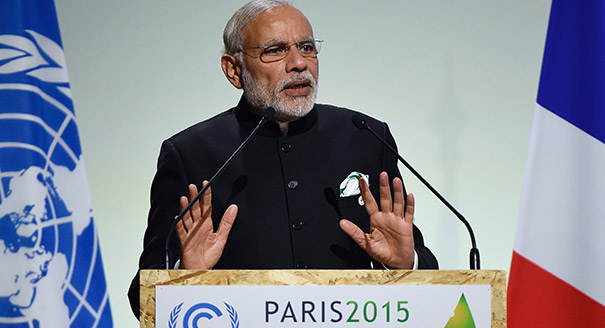
At the 2015 United Nations Climate Conference in Paris, world leaders, UN agencies, NGOs, and intergovernmental organisations gathered with the aim of achieving a legally binding and universal agreement on climate and a goal of keeping global warming below the threshold of 2°C.

This webinar will explore the outcomes of the Climate Conference, giving listeners:

  • An overview of what has been decided in Paris and what, if any, opportunities have been missed
  • Insight into how, post COP21, these decisions will be translated into national or international legislation and regulations
  • Understanding of the implications for business and other stakeholders

This webinar was hosted by the Institute of Corporate Responsibility and Sustainability.

This webinar is behind a paywall, but please contact ICRS at stephanie.attal-juncqua@carnstone.com for free access.

About the Authors

David Livingston

Former Associate Fellow, Energy and Climate Program

Livingston was an associate fellow in Carnegie’s Energy and Climate Program, where his research focuses on emerging markets, technologies, and risks.

Peter Hughes

Pearson

Authors

David Livingston
Former Associate Fellow, Energy and Climate Program
Peter Hughes
Pearson
Climate ChangeNorth America

Carnegie does not take institutional positions on public policy issues; the views represented herein are those of the author(s) and do not necessarily reflect the views of Carnegie, its staff, or its trustees.

More Work from Carnegie Endowment for International Peace

  • Woman walking on dry, cracked land
    Commentary
    Emissary
    Colombia’s Climate Displacement Law Can Be a Model for the World

    The groundbreaking legislation faces an uphill battle, but it creates a framework for others to follow—especially as the effects of climate change intensify.

      • Kayly Ober

      Liliana Gamboa, Kayly Ober

  • Aerial view of Yemeni refugee tents displaced by war
    Article
    In Yemen, Climate Finance Must Respond to Entrenched Instability

    The world’s climate adaptation funds must adapt to address the ways that climate change is deepening state fragility.

      Ray Salvatore Jennings, Paul Andrew Mayewski

  • Paper
    A Grand Strategy for Europe’s Clean Industrial Future

    Europe’s industrial supply chains leave it vulnerable to global shocks. The EU needs a pragmatic green industrial strategy that balances durable partnerships and bolsters homegrown clean tech without sacrificing low-carbon ambition.

      Milo McBride, Pauline Gerard

  • Aerial view of burned-out cars and homes
    Commentary
    Emissary
    The Overlooked Link Between Disaster Response at Home and U.S. Power Abroad

    Natural disasters are no longer local incidents but sources of systemic risk that threaten vital infrastructure and the economy—and public support for international engagement.

      Leonardo Martinez-Diaz

  • Article
    China Is Building New Financial Architecture for Clean Energy Tech. It May Come with Conditions.

    China’s central bank swap lines could help developing world leaders drive their energy transition—if they harness conditionality to protect their interests.

      Ebipere K. Clark

Get more news and analysis from
Carnegie Endowment for International Peace
Carnegie global logo, stacked
1779 Massachusetts Avenue NWWashington, DC, 20036-2103Phone: 202 483 7600
  • Research
  • Emissary
  • About
  • Experts
  • Donate
  • Programs
  • Events
  • Blogs
  • Podcasts
  • Contact
  • Annual Reports
  • Careers
  • Privacy
  • For Media
  • Government Resources
Get more news and analysis from
Carnegie Endowment for International Peace
© 2026 Carnegie Endowment for International Peace. All rights reserved.