

Article
C. Raja Mohan, Darshana M. Baruah
{
  "authors": [
    "C. Raja Mohan"
  ],
  "type": "other",
  "centerAffiliationAll": "dc",
  "centers": [
    "Carnegie Endowment for International Peace",
    "Carnegie India"
  ],
  "collections": [],
  "englishNewsletterAll": "ctw",
  "nonEnglishNewsletterAll": "",
  "primaryCenter": "Carnegie India",
  "programAffiliation": "SAP",
  "programs": [
    "South Asia"
  ],
  "projects": [],
  "regions": [
    "United States",
    "South Asia",
    "India",
    "North America"
  ],
  "topics": [
    "Foreign Policy"
  ]
}
Source: Getty
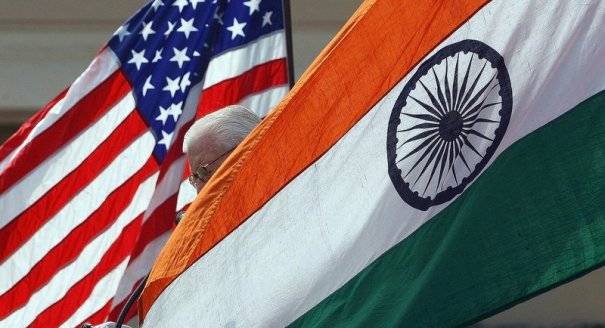
In 1962, betrayed by China, India reached out to America for help. A fascinating story of what might have been a vital strategic partnership.
Source: Indian Express
Until the middle of the last decade, the widespread international consensus was that India and America were incapable of geopolitical collaboration and were condemned to remain uneasy friends at best. In recent years, though, the scepticism has yielded to the hope that India and America could become indispensable partners in shaping the Asian order in the 21st century. The surprising expansion of defence cooperation between India and the United States over the last two decades suggests a very different strategic future in Asia. Many assume that the new defence bonds between Delhi and Washington are about balancing China. Some in India, of course, vigorously oppose any military engagement with Washington that is directed at China; they insist India should be “non-aligned” between America and China. Others point to the fact that Pakistan’s special relationship with Washington will continue to limit India’s American partnership.
Although written for an American audience, Bruce Riedel’s JFK’s Forgotten Crisis tells Indian readers that the current complex dynamic between Delhi, Beijing, Islamabad and Washington is not really new. His fascinating story of US President John F. Kennedy’s response to the Sino-Indian war of 1962 helps us grapple with a moment, when India and America drew so close to what might have been an expansive military strategic partnership.Consider the context of 1962: Delhi was reeling under what it considered the Chinese betrayal in the Himalayas. Nehru believed that his special outreach to communist China, in direct opposition to the American effort to isolate the People’s Republic, would make Beijing a friendly neighbour. The Chinese military attack in 1962, after a period of escalating tensions, left Nehru’s foreign policy strategy in a shambles.
Nehru, turned to Kennedy for military support in dealing with both immediate and long-term threats from China. The assassination of Kennedy at the end of November 1963 and the death of Nehru in May 1964, however, made the big geopolitical moment in Asia a brief one.
The title is a reference to the fact that the American response to the 1962 war between India and China is under-studied. That it took place under the shadow of the Cuban Missile Crisis, seen as a defining moment in the nuclear age, meant there was little scholarly interest in the Himalayan crisis. Riedel’s very readable account looks at other factors that explain the lack of interest in the unexpected strategic embrace between Kennedy and Nehru. Lyndon Johnson, who succeeded Kennedy, did not have the same belief in the strategic possibilities with India. As he dithered on approving a package of military assistance to India finalised in the last days of Kennedy, a series of developments began to push Delhi and Washington apart.
While US ambassador to India, Chester Bowles, was arguing that India was the “strategic prize” in Asia, key sections of the state and defence departments feared that a new military relationship with India would risk the strategic partnership with Pakistan, which was considered critical for the containment of Soviet Union.
Kennedy had hoped that reconciliation between India and Pakistan would produce strategic unity against communist China in the subcontinent. But the divide between India and Pakistan was too difficult to bridge. High-profile American attempts at mediating the Kashmir dispute did not cut much ice with the former and generated deep suspicion in the latter.
Meanwhile, Soviet Russia’s break-up with communist China pushed Moscow closer to Delhi. As Johnson wavered over long-term military assistance to India, Russia moved to build on an earlier agreement to supply MiG 21 aircraft to India and lay the foundation for a long-term military partnership that endures till date.
The deepening rift between the communist giants facilitated a new dalliance between America and China that would dramatically alter India’s strategic context and push the region towards a new balance of power by the turn of the 1970s. A broad entente between America, China and Pakistan and a de facto alliance between India and Russia congealed in the final decades of the Cold War.
Riedel quotes Bowles to sum up what might have been: “The consequence of our failure in 1963 and 1964 to persuade Washington to respond effectively to India’s request for military assistance was clear. I believe that a moderate five-year programme of military aid to help modernise India’s army and air force following the 1962 Chinese attack might have made a decisive difference in the course of events in Asia”.
It was only four decades after 1962 that India and America would explore the prospects for a military partnership. The collapse of the Soviet Union, the end of the Cold War, the rapid rise of China and India’s own accelerating economic growth seemed to open the possibility for the estranged democracies becoming strategic partners.
President George W. Bush’s decisions to de-hyphenate relations with India and Pakistan, keep out of the Kashmir muddle, and end the nuclear dispute opened up room for a defence relationship that seemed extremely difficult in the past. Yet the last few years have also shown how difficult it is, despite political will at the highest level in both Washington and Delhi, to construct an operational defence partnership that goes beyond arms sales and joint exercises.
Political and bureaucratic divisions in both countries are deep and complicated by their respective interests and approaches towards China, Russia and Pakistan. Might India’s future strategic relationship with America, therefore, remain uncertain and uneven?
Riedel’s finely told tale about a critical juncture in America’s engagement with India reminds us that moments of strategic opportunity between nations are fleeting. If a big moment is not seized by an indecisive leadership, other developments begin to change the context. Subjective failures, as Riedel tells us, do alter objective conditions.
Former Nonresident Senior Fellow, Carnegie India
A leading analyst of India’s foreign policy, Mohan is also an expert on South Asian security, great-power relations in Asia, and arms control.
Recent Work

C. Raja Mohan, Darshana M. Baruah


Alexander Gabuev, Paul Haenle, C. Raja Mohan, …
Carnegie does not take institutional positions on public policy issues; the views represented herein are those of the author(s) and do not necessarily reflect the views of Carnegie, its staff, or its trustees.
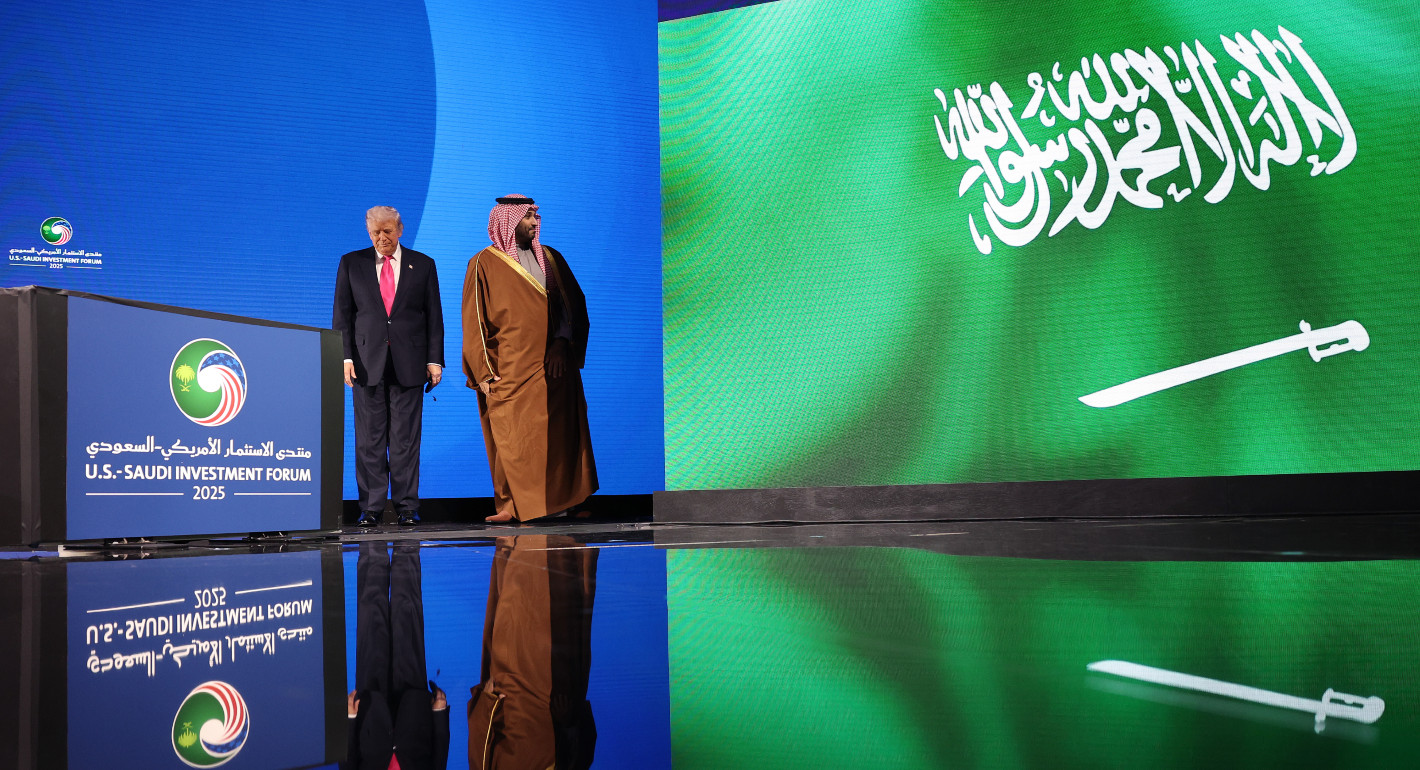
Congress should ask tough questions about the agreement’s more unique features and whether they advance U.S. interests or compromise them.

Jane Darby Menton

To remain effective, organizations need to master new media and legitimacy markers to make a once-in-a-century shift.

Renée DiResta, Rachel Kleinfeld, Margot Treadwell

Congress needs to step up and make EXIM a low-carbon financing powerhouse.

Jesse Young
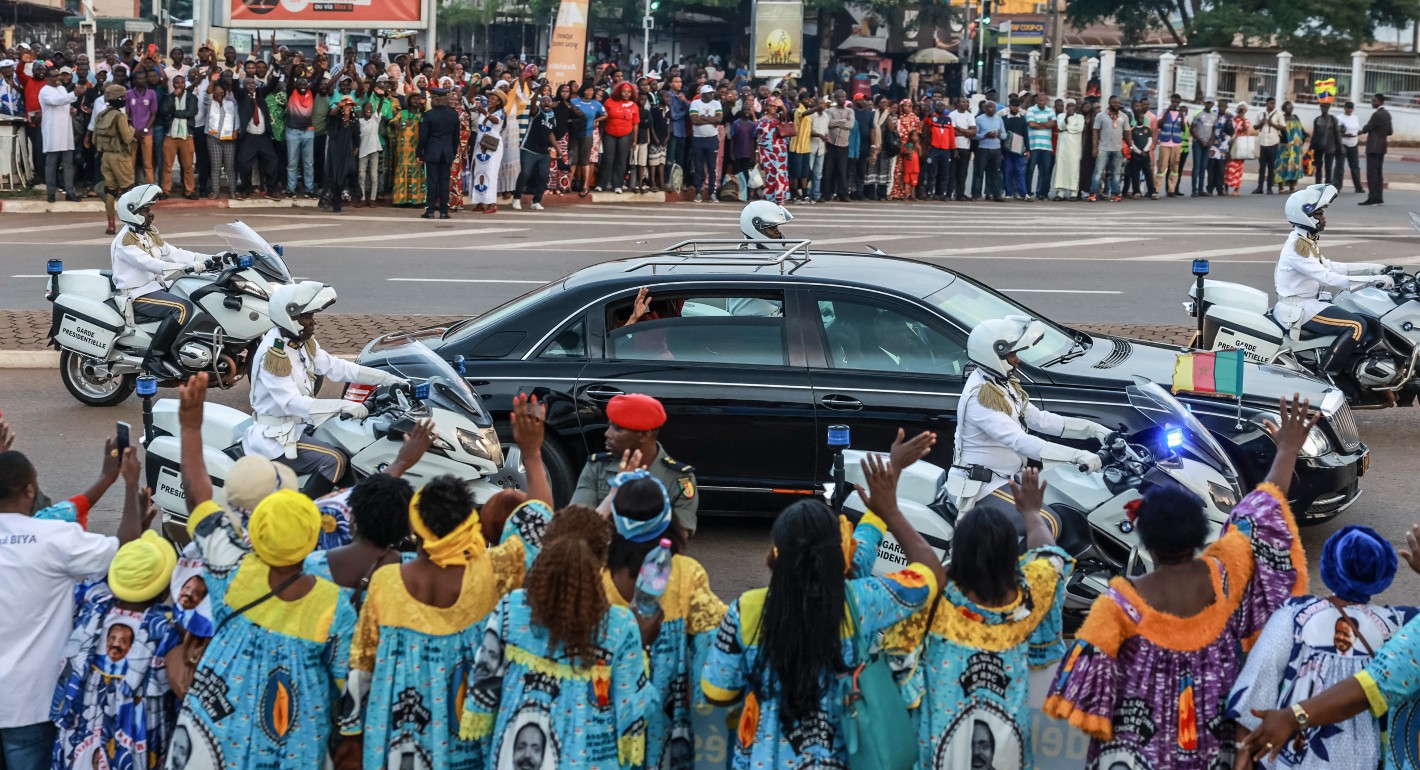
The ninety-three-year-old Biya’s absence and refusal to name a vice president threaten to upend domestic and regional stability.

Lesley Anne Warner

With the growth in points of friction between the great powers, organizations like the SCO will continue to play a role in the strategic adaptation of the smaller powers caught between them.

Temur Umarov