

Commentary
Ongoing uncertainty in the Middle East allows Moscow to both increase its influence in Tehran and continue to enjoy the financial windfall of higher oil prices.
Nikita Smagin
{
  "authors": [
    "Nikolay Kozhanov"
  ],
  "type": "legacyinthemedia",
  "centerAffiliationAll": "",
  "centers": [
    "Carnegie Endowment for International Peace",
    "Carnegie Russia Eurasia Center"
  ],
  "collections": [],
  "englishNewsletterAll": "",
  "nonEnglishNewsletterAll": "",
  "primaryCenter": "Carnegie Russia Eurasia Center",
  "programAffiliation": "",
  "programs": [],
  "projects": [],
  "regions": [
    "Middle East",
    "Iran",
    "Saudi Arabia",
    "Russia"
  ],
  "topics": [
    "Foreign Policy"
  ]
}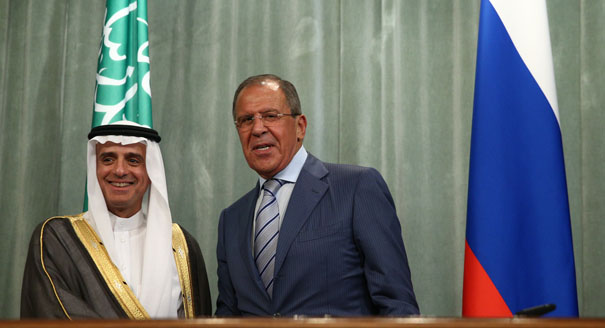
Source: Getty
The Saudi-Iranian conflict will compel Moscow to make a hard choice: stand with its Iranian partner or step aside and remain ostensibly neutral.
Source: Chatham House
However Russia decides to react to the ongoing spat between Saudi Arabia and Iran, the consequences for the Kremlin’s goals in the Middle East will be negative.
On the one hand, keeping quiet would affect the dynamics of Russian−Iranian relations that had been on the rise. Moscow invested diplomatic and economic effort in improving the dialogue with Tehran, including the opening of a credit line. It cannot afford to lose these dividends considering Russia’s economic dire straits. The Russian authorities are desperate to retain Iran within its sphere of influence and avoid any drift westwards. Without Iranian ground forces fighting the opponents of the Assad regime, it will be difficult for Moscow to attain its goals in Syria − Russia needs Iran’s military and political support to compel the Syrian opposition and its sponsors to negotiate with Bashar al-Assad. Moscow’s silence on the diplomatic quarrel between Tehran and Riyadh would also provide opponents of Russo-Iranian rapprochement among Iranian reformists and Russian pro-Western policymakers with further proof that the two countries are unable to forge any kind of effective partnership.
If, however, Moscow takes the Iranian side, this would affect Russian relations with the Saudi-led Gulf Cooperation Council (GCC) − whose money is still considered by the Kremlin as a potential source of investment into the Russian economy. The financial support and political blessing of Riyadh and Abu Dhabi is important for the successful implementation of joint projects with Egypt such as the creation of a joint industrial zone or the development of the nuclear industry in Egypt. The Russo−Iranian alliance undermines Moscow’s diplomatic efforts to settle the Syrian crisis by making the Saudis less willing to talk to Russia and effectively drags Moscow into the middle of the broader Sunni−Shia confrontation, allowing anti-Russian political forces in the Middle East to portray Kremlin as an enemy of the Sunni world.This will be a serious threat, not only to the Russian position in the region, but also, conceivably, for the domestic security of Russia, where the 15 million-strong Muslim community is predominantly Sunni. Salafi groupings in the Gulf have depicted Russians as new crusaders at least since the beginning of the civil war in Syria. Moscow received a warning in October 2015 when approximately 50 Saudi clerics signed an open declaration calling for jihad against Moscow. This has created an ideological background for the unification of radical forces in Syria and provides motivation for supporters of radical Islam in the GCC to intensify their financial support for Islamists inside Russia.
(Russian silence on Tehran’s diplomatic confrontation with Riyadh might also be an attempt to improve Moscow’s image in the Sunni world. This image severely suffered after the beginning of the Russian bombings of the Syrian opposition that together with the radical Islamists became one of the main targets of the Russian air forces in the autumn of last year.)
By supporting Tehran, Moscow will most likely harm relations with its ‘silent partner’ in the Middle East – Israel – whose position on the annexation of Crimea, on Western sanctions against Russia and on Russian air forces in Syria corresponds to Russian interests. Recent statements by Israeli officials demonstrated concerns about growing Russian−Iranian cooperation in Syria and beyond. Previously, Israel tolerated the rapprochement between Moscow and Tehran as long as it was not considered as a threat to the national security of the country. Yet, recently, Israeli officials have begun to openly worry that the Russian government may begin to close its eyes to anti-Israeli moves by Tehran. Although these speculations seem to have little basis, active Russian support of Tehran in its confrontation with Saudi Arabia would almost certainly be considered in Israel as further proof of the growing Russian-Iranian alliance.
There is also a dilemma related to Russia’s image on the international stage. Putin tries hard to maintain an image of leader who does not leave his partners in trouble, but the Kremlin also traditionally positions itself as the main (sometimes only) protector of international law. Iran is a partner. Yet the attack on the Saudi embassy in Tehran was a clear violation of international norms. From this point of view, backing a country with a laissez-faire attitude towards the rights of foreign diplomats might not be in Moscow’s interests.
The Russian authorities do understand the difficulty of their situation. Consequently, they are trying to fudge it and avoid both complete neutrality and allying fully with Tehran. Are there any alternatives? Shortly after the beginning of the conflict between Iran and Saudi Arabia in early January, Russia declared its readiness to play a mediating role between Riyadh and Tehran. This would allow the Kremlin avoid a further diplomatic disaster and to burnish its image internationally. Sadly, the initiative has little chance of success: the Saudis simply do not trust Russia. They consider it a loyal ally of Iran. Besides, Riyadh is interested in Tehran’s isolation, not its reintegration.
So Moscow must choose between two bad options – both of which involve losing investment and influence.
This article originally appeared on the Chatham House’s site.
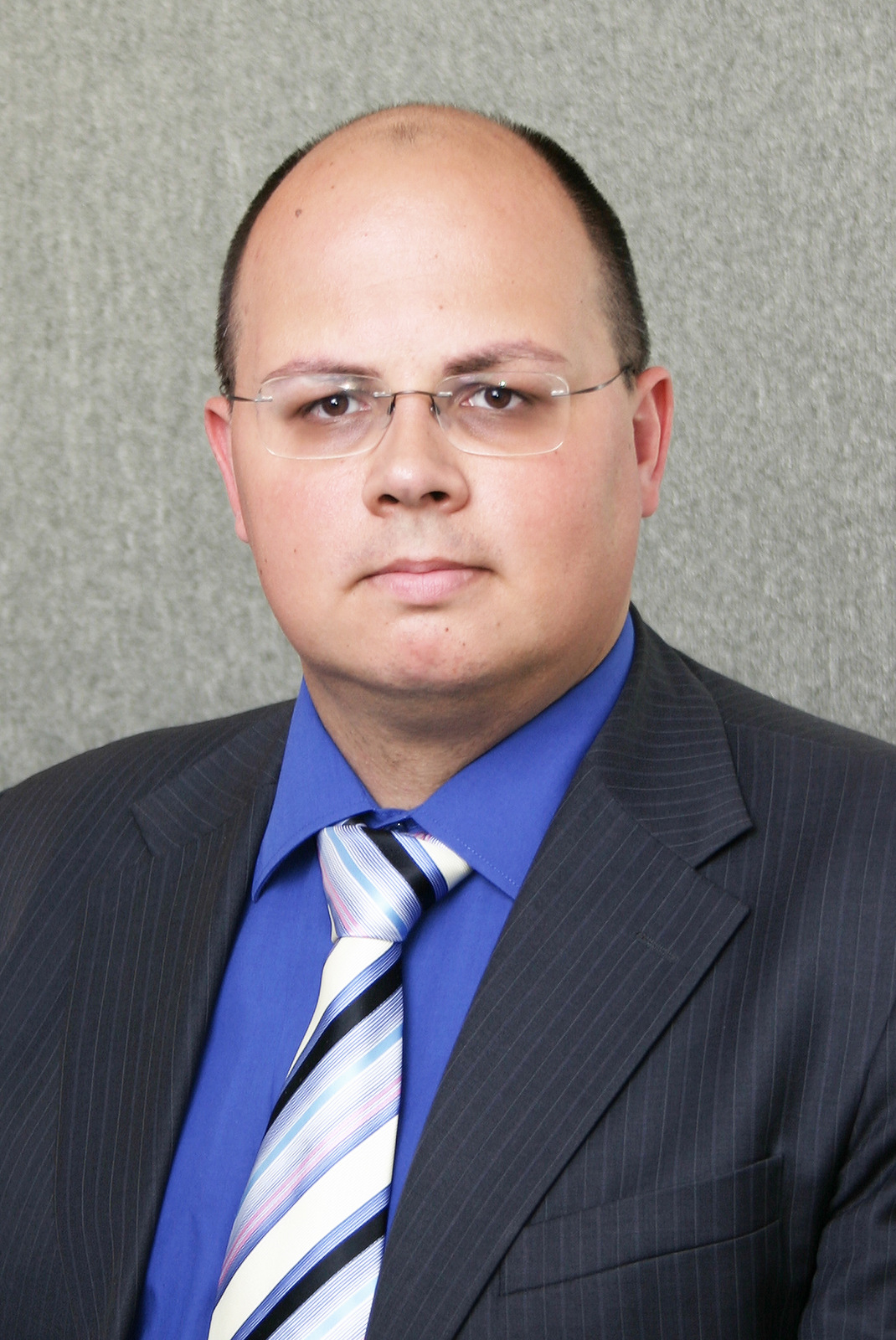
Nikolay Kozhanov
Former nonresident scholar, Foreign and Security Policy Program, Moscow Center
Kozhanov is a former nonresident scholar at the Carnegie Moscow Center and a contributing expert to the Moscow-based Institute of the Middle East.
Carnegie does not take institutional positions on public policy issues; the views represented herein are those of the author(s) and do not necessarily reflect the views of Carnegie, its staff, or its trustees.

Ongoing uncertainty in the Middle East allows Moscow to both increase its influence in Tehran and continue to enjoy the financial windfall of higher oil prices.

Nikita Smagin
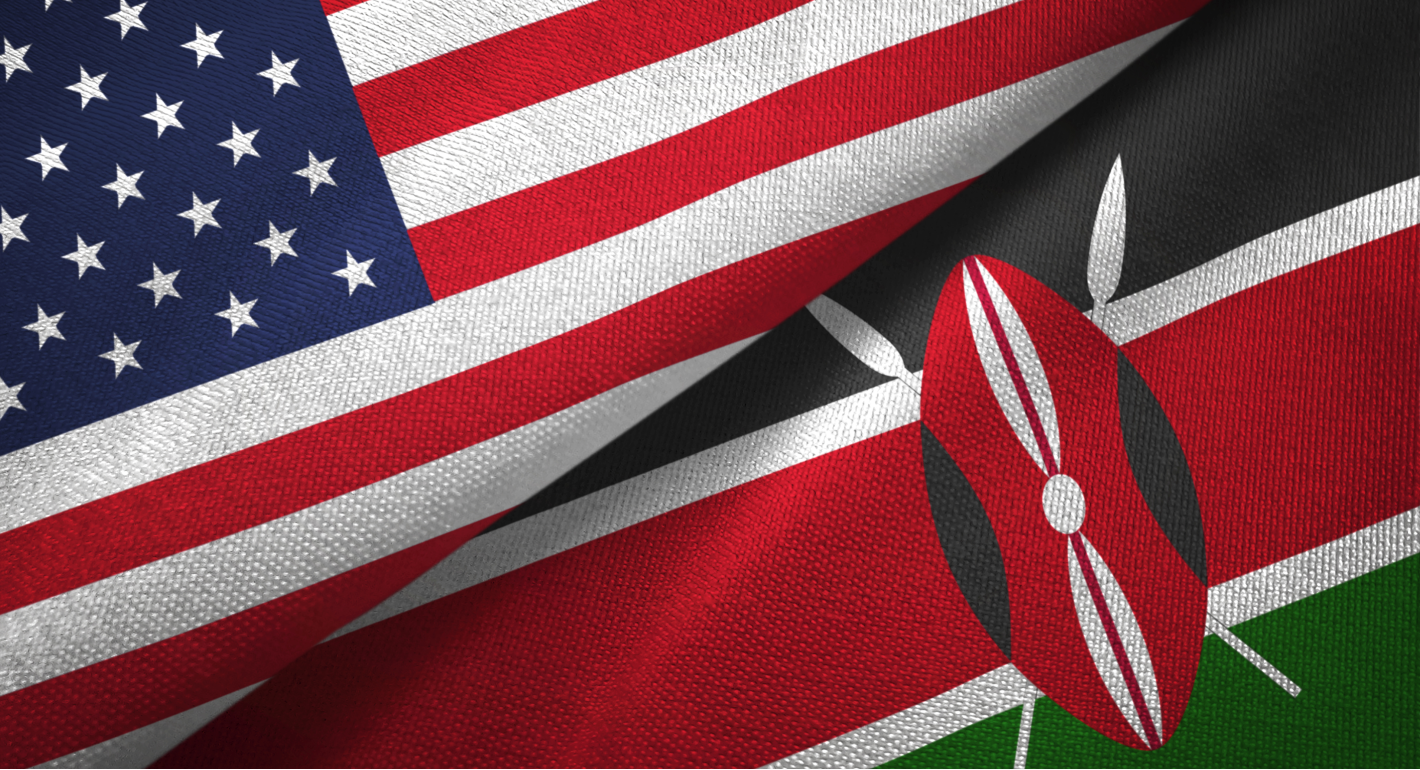
To carry out its global AI agenda, Washington will need strategic relationships with emerging markets in Africa, starting with Kenya.
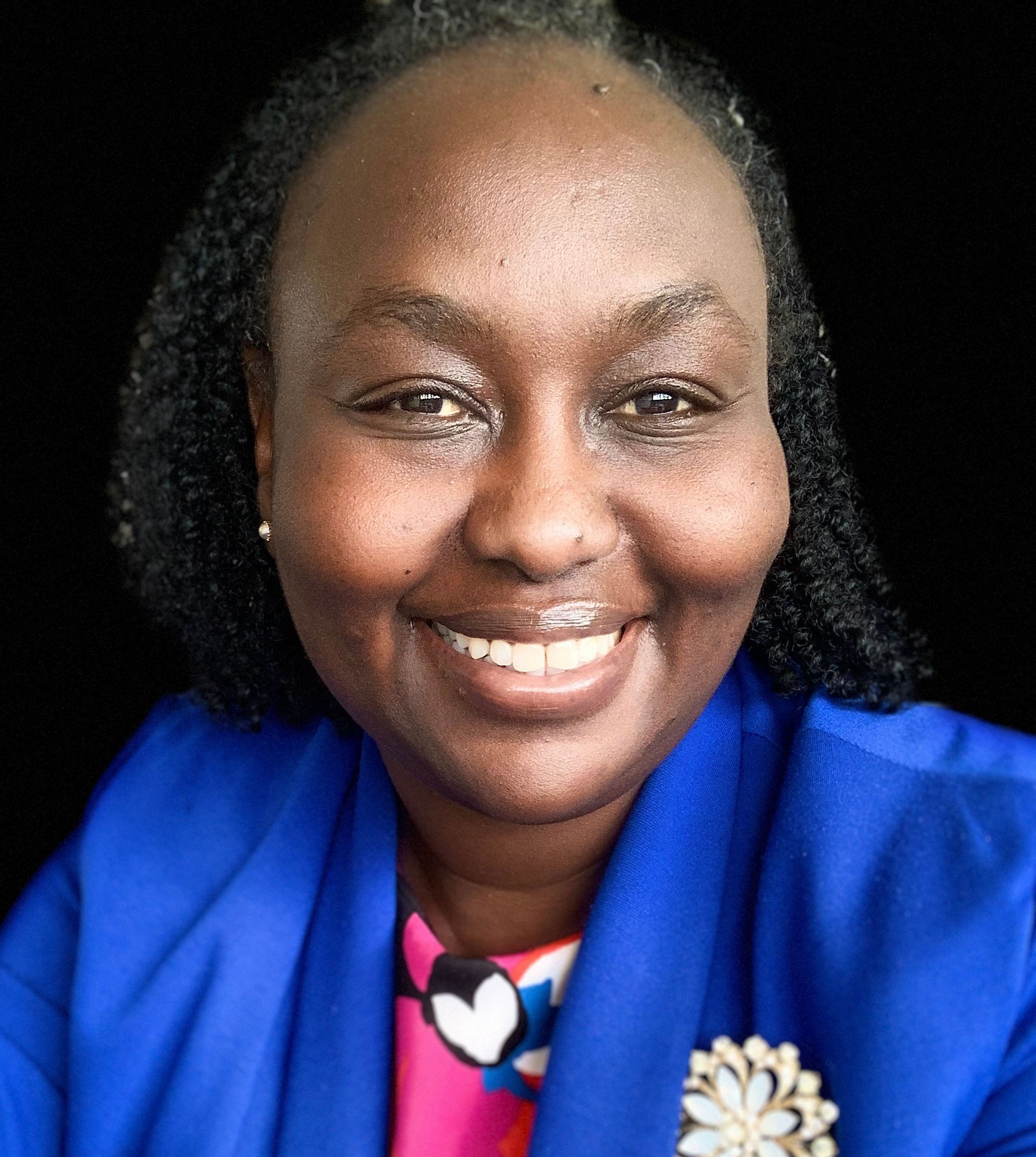
Jane Munga
Europe’s industrial supply chains leave it vulnerable to global shocks. The EU needs a pragmatic green industrial strategy that balances durable partnerships and bolsters homegrown clean tech without sacrificing low-carbon ambition.


Milo McBride, Pauline Gerard

Defense tech innovations will be at the heart of Europe’s new security strategy. But so far, Brussels has been making moves without a broader plan, undermining readiness and credibility.

Raluca Csernatoni
President Lee marked his first year in office after one of the most tumultuous periods in South Korean politics. Though Lee has enjoyed a high approval rating, a large majority in the National Assembly, and foreign policy victories, Lee and his party’s political fortunes depend on generating economic growth, learning the right lessons from the recent local elections, and managing contentious factional strife within his political base.
Chung Min Lee