

Article
C. Raja Mohan, Darshana M. Baruah
{
  "authors": [
    "C. Raja Mohan"
  ],
  "type": "legacyinthemedia",
  "centerAffiliationAll": "dc",
  "centers": [
    "Carnegie Endowment for International Peace",
    "Carnegie India"
  ],
  "collections": [],
  "englishNewsletterAll": "ctw",
  "nonEnglishNewsletterAll": "",
  "primaryCenter": "Carnegie India",
  "programAffiliation": "SAP",
  "programs": [
    "South Asia"
  ],
  "projects": [],
  "regions": [
    "United States",
    "South Asia",
    "India",
    "North America"
  ],
  "topics": [
    "Foreign Policy"
  ]
}
Source: Getty
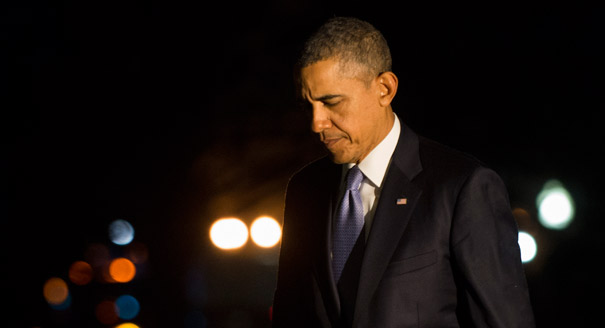
The U.S. president sees the world as a messy place not always amenable to the use of American force.
Source: Indian Express
In a series of expansive interviews with The Atlantic Monthly spread over months, US President Barack Obama has summed up his worldview in a few words: “Don’t do stupid shit.” An essay, based on these interviews, published last week by the journal, offers the clearest articulation of Obama’s foreign policy realism.
Having inherited two wars in Iraq and Afghanistan that have cost so much blood and treasure for America and a massive financial crisis, Obama was determined, since he took charge as president in January 2009, to avoid being sucked into a new conflict in the Middle East, or as he says, doing “stupid shit” all over again.Despite enormous pressures from his own cabinet, Obama pulled back in August 2013 from the red line that he drew against Syrian President Bashar al-Assad’s use of chemical weapons. It was a decision that drew much criticism from the foreign policy elite in Washington and the allies in Europe and the Middle East. Obama was accused of walking away from the tradition of America’s global leadership, abandoning key regional allies, and diminishing Washington’s credibility.
Responding in great detail to these charges, Obama says he is very proud of the moment when he refused to escalate the conflict in Syria. In the telling of the Atlantic, it was an epiphany that liberated Obama from the orthodoxies of the Washington playbook on foreign policy and the conventional wisdom on America’s global role.
For nearly four decades, neo-conservatives on the right and liberal interventionists on the left, who dominated American foreign policy, were united in the belief that America can, and must, use its military power to fix problems around the world. Obama, in contrast, sees the world as a mean and messy place that is not always amenable to the use of American force. He believes the United States cannot control events everywhere and must intervene only when American national security interests are directly threatened. “You could call me a realist in believing we can’t relieve all the world’s misery,” Obama tells the Atlantic. The US must, therefore, pick and choose places where its interventions can make a real and positive impact.
Equally important, Obama believes America’s allies and partners must do more. As part of the “anti-free rider campaign” Obama wanted Britain and France to take the lead in handling the Libyan crisis in 2011. He is critical of British Prime Minister David Cameron and former French President Nicolas Sarkozy for not following through after the intervention in Libya and creating the basis for the current chaos there and failing to exercise leadership in a region so close to Europe.
Although America will continue to set the global agenda, Obama insists it cannot be the security provider of first resort everywhere. Obama has also been unwilling to accept the premise in Washington on maintaining Israel’s military edge in the Middle East, or treating Saudi Arabia and Pakistan, which fan the flames of terrorism, as America’s permanent allies. Rather than relying on Washington to engage in a protracted conflict with Iran, Obama would like to see the House of Saud find a political accommodation with Tehran. Obama has also been unwilling to buy the proposition that he must treat dysfunctional Pakistan as an indispensable ally.
Unlike most in Washington, Obama had no problem recognising that Moscow’s stakes in Ukraine will always be higher than those of the West and an American confrontation with Russia there is not winnable. Obama describes Vladimir Putin as business-like and eager to reclaim for Russia the co-equal status that it once enjoyed with America. His conviction that Putin’s aggression springs out of weakness rather than strength allows him to take a less hysterical view of Moscow’s policies.
Many in Washington would like to believe Obama as an unfortunate aberration in America’s contemporary engagement with the world. Washington’s foreign policy establishment, including many Republicans, would love to see Hillary Clinton win the election and restore the “ancien regime” on foreign policy. The fact, however, is that Obama’s calls for American restraint are being echoed by two very different candidates — the Republican tycoon Donald Trump and the Democratic Party’s self-proclaimed socialist candidate, Bernie Sanders.
Obama’s call for external moderation and nation-building at home are not only America’s urgent imperatives today but are also in tune with older foreign policy traditions that dominated America until the early 20th century.
The foreign policy establishment in New Delhi, like the one in Washington, must not assume that American interventionism is cast in stone. It must appreciate Obama’s role as the likely bridge to an era of retrenchment, burden-sharing, great-power accommodation and spheres of influence. A Delhi that seeks to accelerate regional integration in the subcontinent, construct a secure balance of power in Asia and the Indo-Pacific will have much to collaborate on with a changing America. Laying the foundation for such collaboration must be the main aim of Prime Minister Narendra Modi’s engagement with Obama in Washington later this month.
Former Nonresident Senior Fellow, Carnegie India
A leading analyst of India’s foreign policy, Mohan is also an expert on South Asian security, great-power relations in Asia, and arms control.
Recent Work
C. Raja Mohan, Darshana M. Baruah
Alexander Gabuev, Paul Haenle, C. Raja Mohan, …
Carnegie does not take institutional positions on public policy issues; the views represented herein are those of the author(s) and do not necessarily reflect the views of Carnegie, its staff, or its trustees.
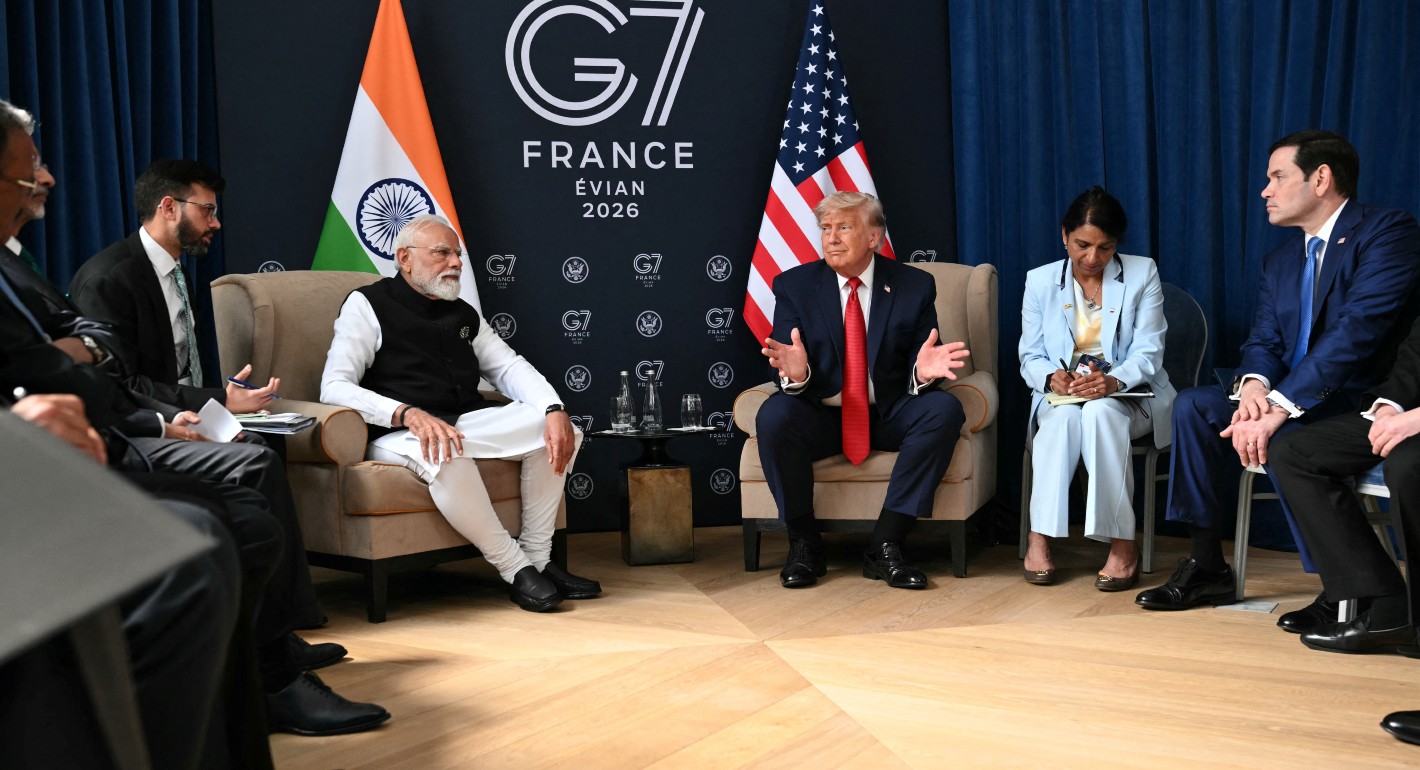
Despite public disputes over trade and immigration, the strategic partnership’s foundations remain sturdy.
Sameer Lalwani
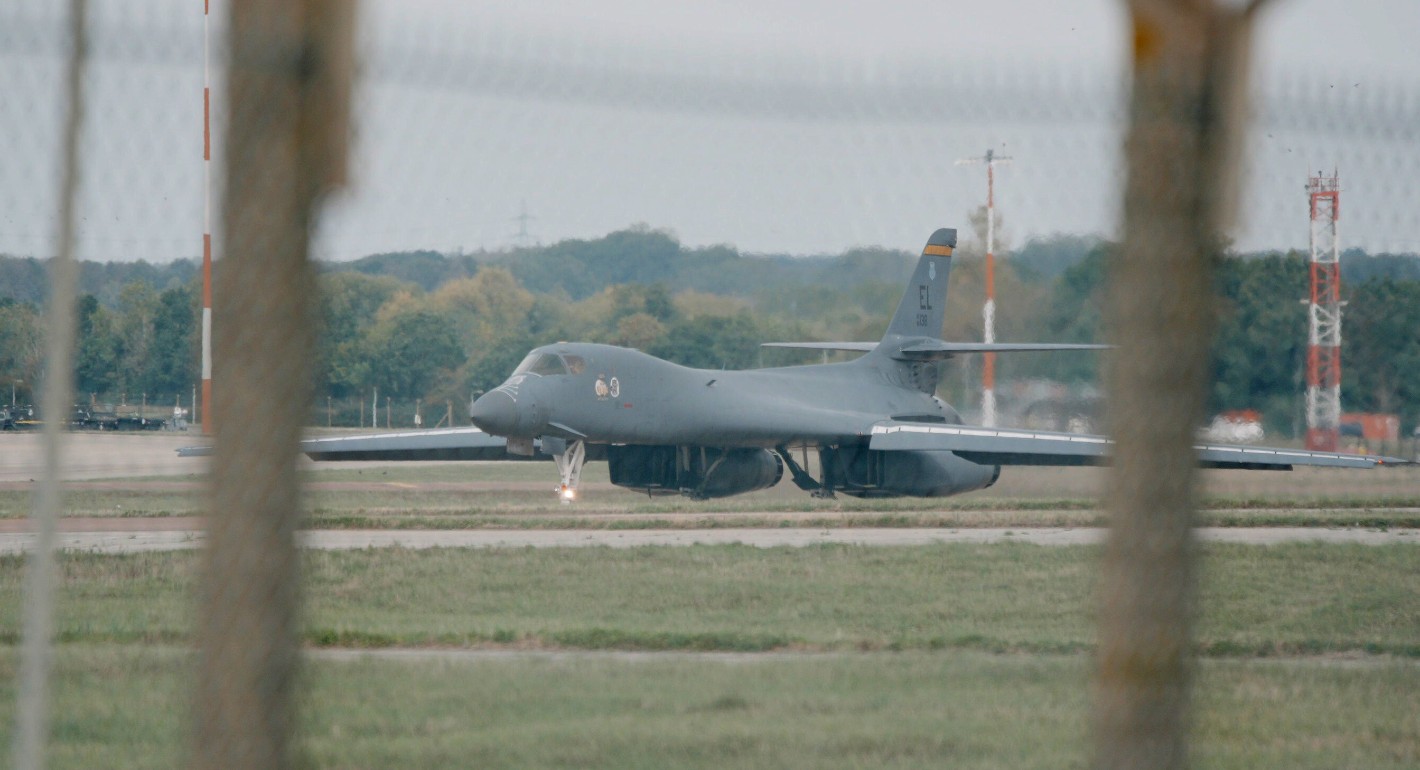
It signals a new era of tech diffusion and warfare.
Steve Feldstein
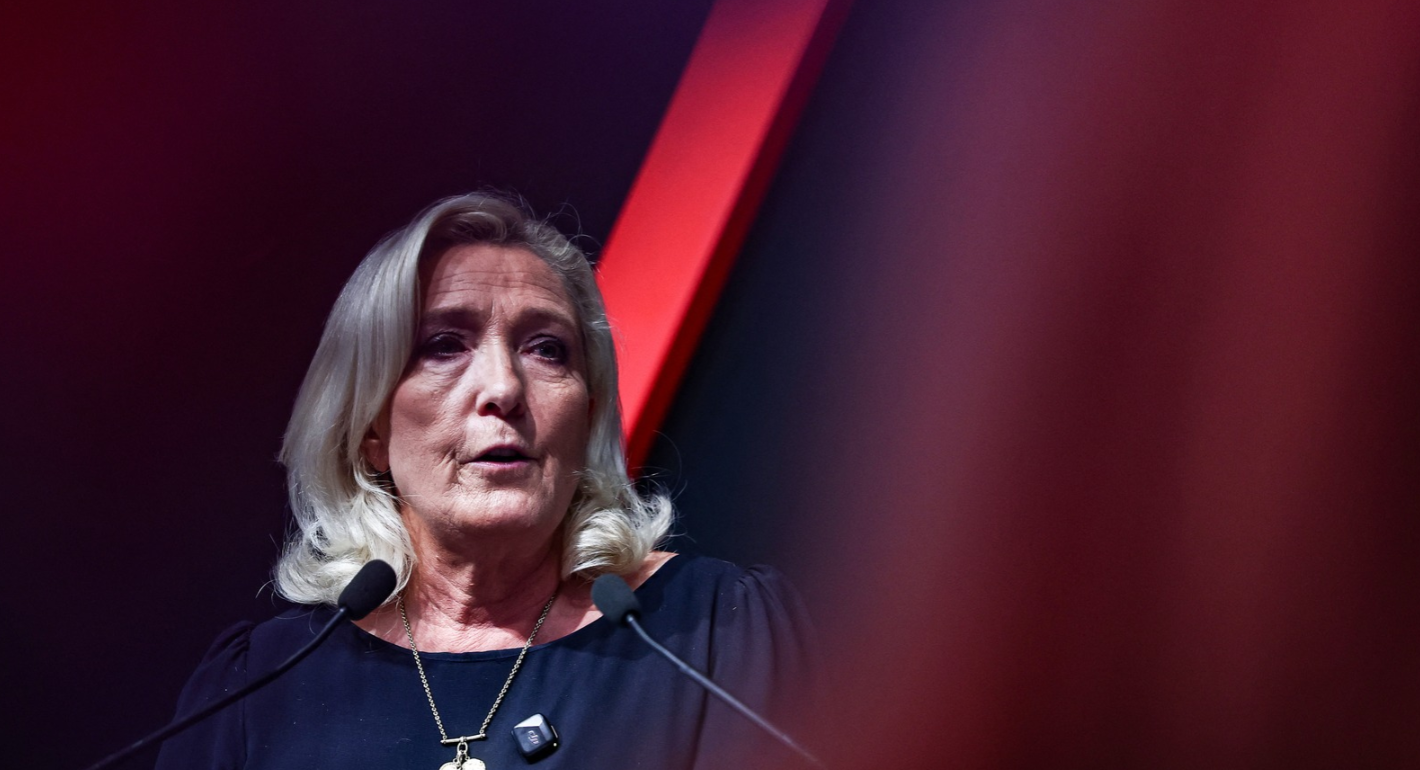
With its public finances in shambles, the far right polling at 35 percent ahead of the 2027 presidential election, and a growing protest movement, is France’s crisis a threat to the EU’s geopolitical awakening?

Rym Momtaz, ed.

Ahead of a tough winter for Ukraine, Donald Trump’s swing back toward Russia bodes ill. But instead of panicking, Kyiv’s European allies are focusing on action.
Rym Momtaz

Without a ceasefire with Ukraine on attacking each other’s energy infrastructure—to which the Kremlin is unlikely to agree—the diesel agreement between Putin and Trump is largely for show, rather than representing a genuine increase in the volumes of Russian diesel on the global market.

Sergey Vakulenko