

Paper
Thomas Carothers
{
  "authors": [
    "Thomas Carothers"
  ],
  "type": "other",
  "centerAffiliationAll": "dc",
  "centers": [
    "Carnegie Endowment for International Peace"
  ],
  "collections": [
    "Democracy and Governance"
  ],
  "englishNewsletterAll": "democracy",
  "nonEnglishNewsletterAll": "",
  "primaryCenter": "Carnegie Endowment for International Peace",
  "programAffiliation": "DCG",
  "programs": [
    "Democracy, Conflict, and Governance"
  ],
  "projects": [],
  "regions": [
    "North America",
    "United States",
    "Southern, Eastern, and Western Africa",
    "Eastern Europe"
  ],
  "topics": [
    "Political Reform",
    "Democracy",
    "Foreign Policy"
  ]
}
Source: Getty
While the global state of democracy appears worse off than in recent years, there have emerged numerous positive cases of democratic consolidation that are underappreciated.
Source: Margaret Vogt Memorial Lecture Series, United Nations Democracy Fund
On May 5 in New York, Thomas Carothers gave the inaugural lecture in a new lecture series on democracy at the United Nations in honor of Margaret Vogt, the late Special Representative of the Secretary-General to the Central African Republic. He spoke about "Democracy’s Uncertain State.”
He highlighted UNDEF's role in addressing these challenges: "The United Nations role in international democracy support is much wider, much broader and much more important than many observers of this community realize... We have the United Nations Democracy Fund, which when it was started a little more than 10 years ago, many people had questions about, but has proven itself to be effective, respected and legitimate in parts of the world where it's very difficult for others to operate."

Harvey V. Fineberg Chair for Democracy Studies; Director, Democracy, Conflict, and Governance Program
Thomas Carothers, director of the Carnegie Endowment for International Peace’s Democracy, Conflict, and Governance Program, is a leading expert on comparative democratization and international support for democracy.
Recent Work
Thomas Carothers

Richard Youngs, Thomas Carothers
Carnegie does not take institutional positions on public policy issues; the views represented herein are those of the author(s) and do not necessarily reflect the views of Carnegie, its staff, or its trustees.
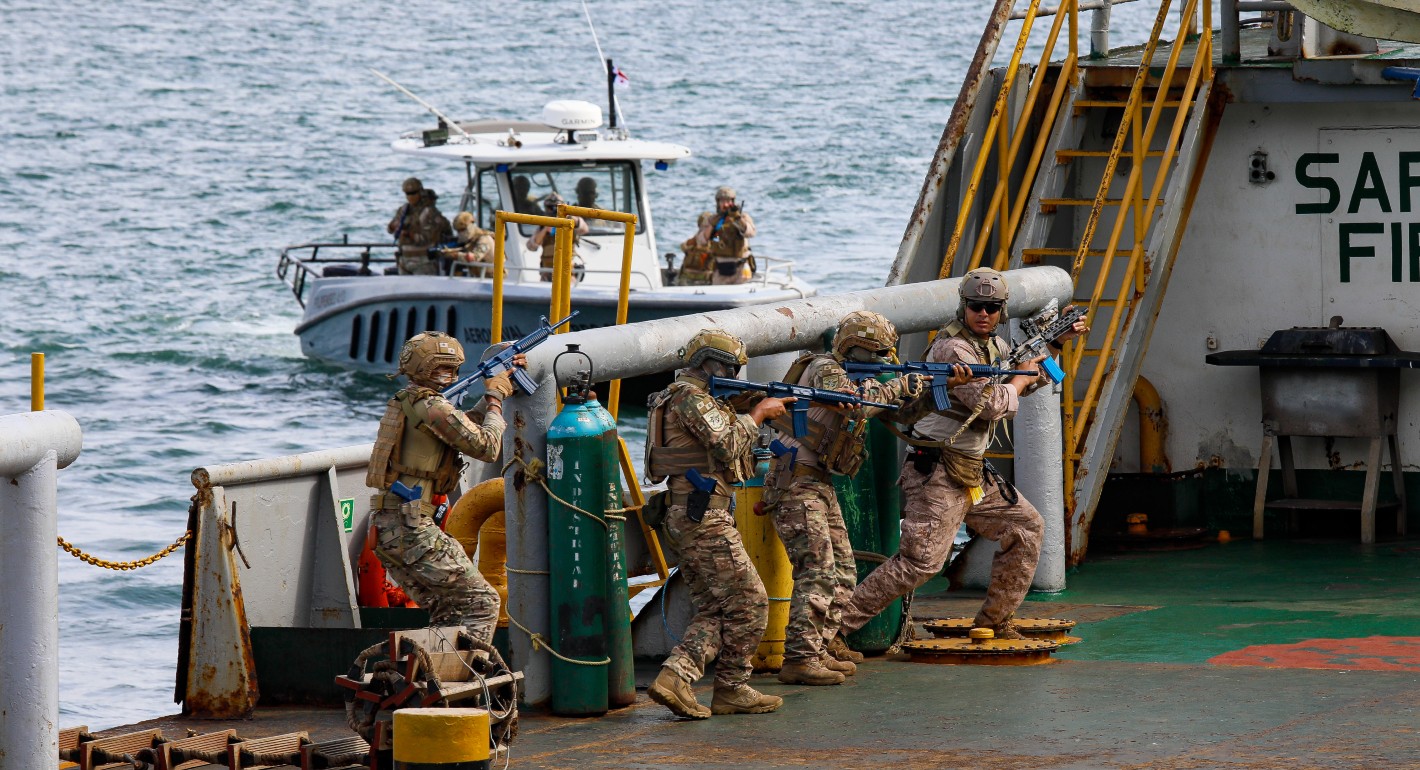
By focusing only on hard security, the Shield ignores the conditions that fuel cartel power.

Alejandro Martin Rodriguez, Kayly Ober
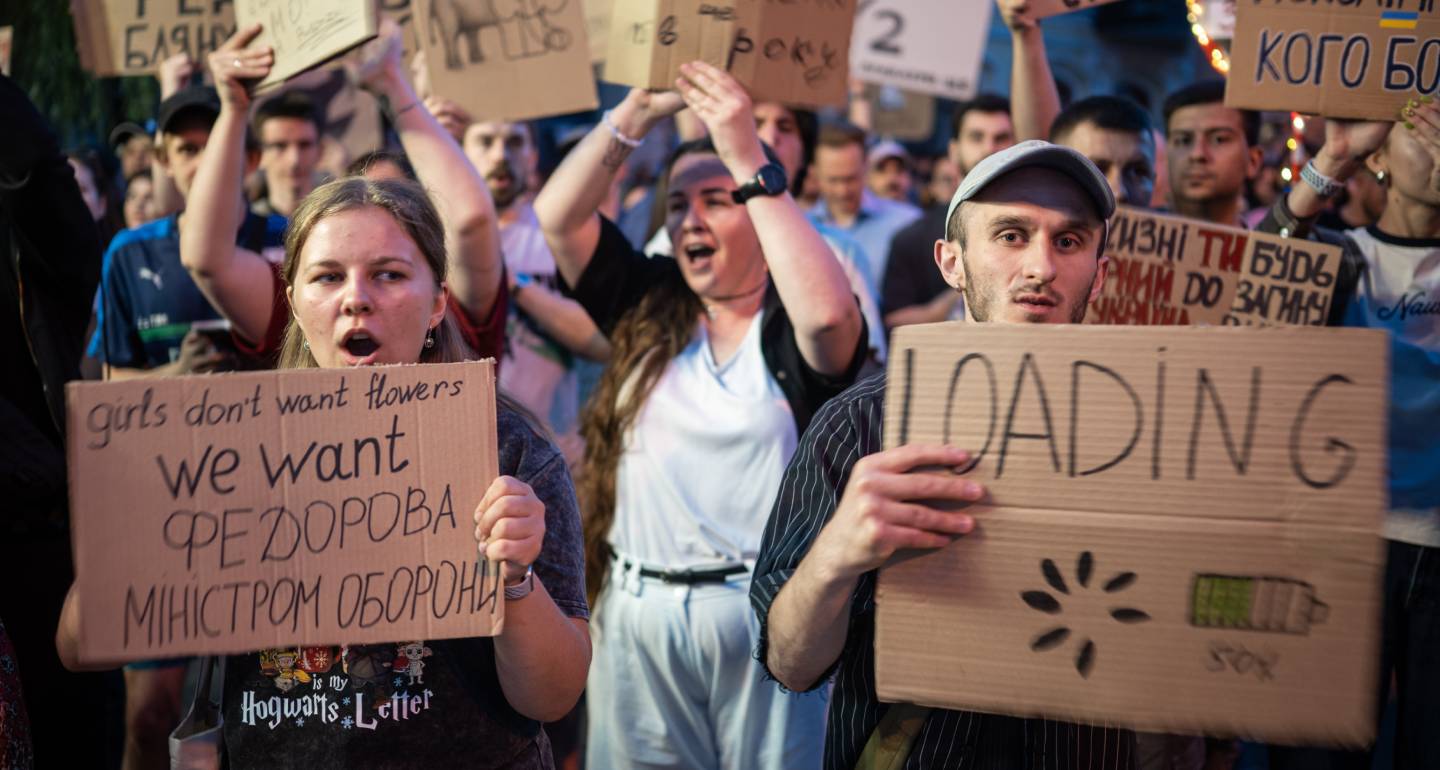
With his public call for new elections in Ukraine, ex-defense minister Mykhailo Fedorov has opened Pandora’s box.

Konstantin Skorkin
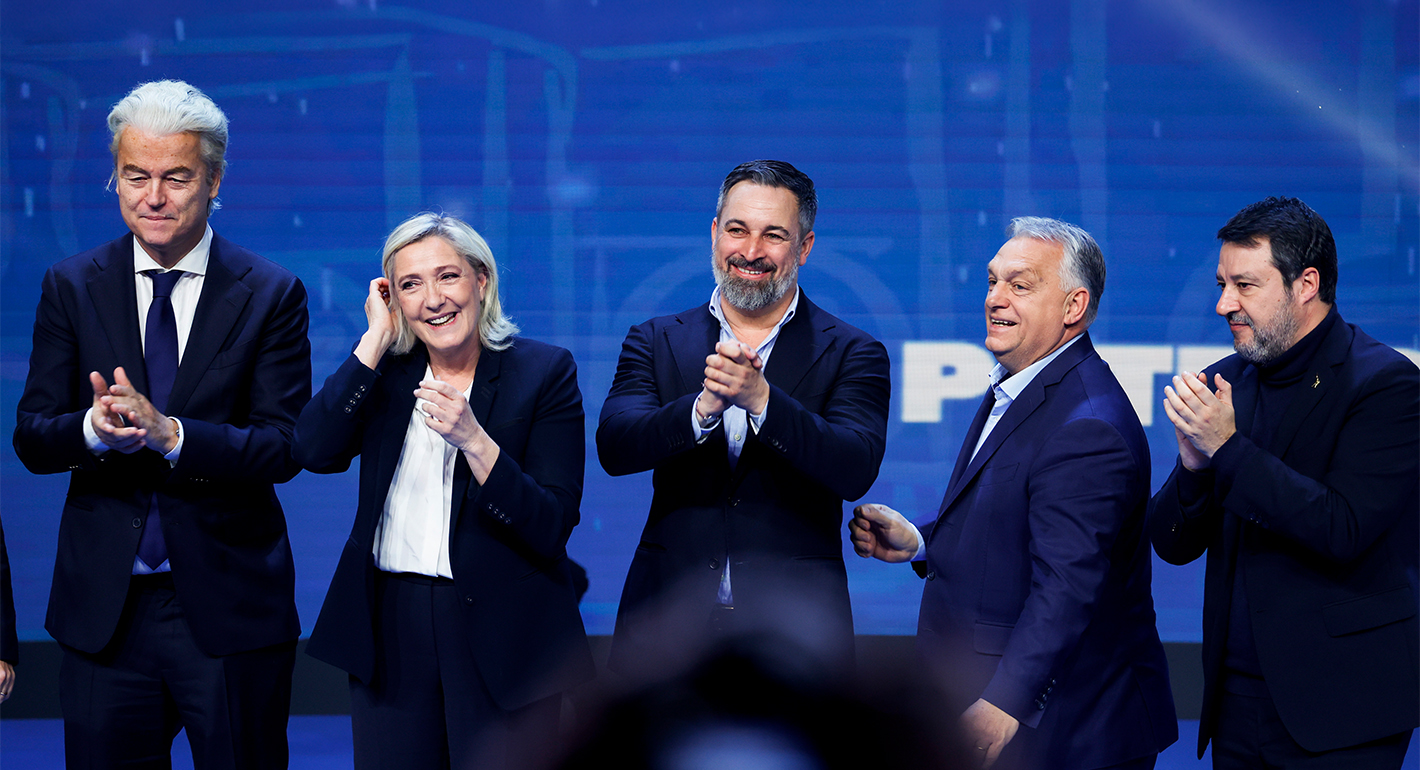
In supporting Europe’s far-right, MAGA and Russia both want the same thing: a weaker EU. Europe must defend itself without abandoning the openness these forces exploit.
Armida van Rij
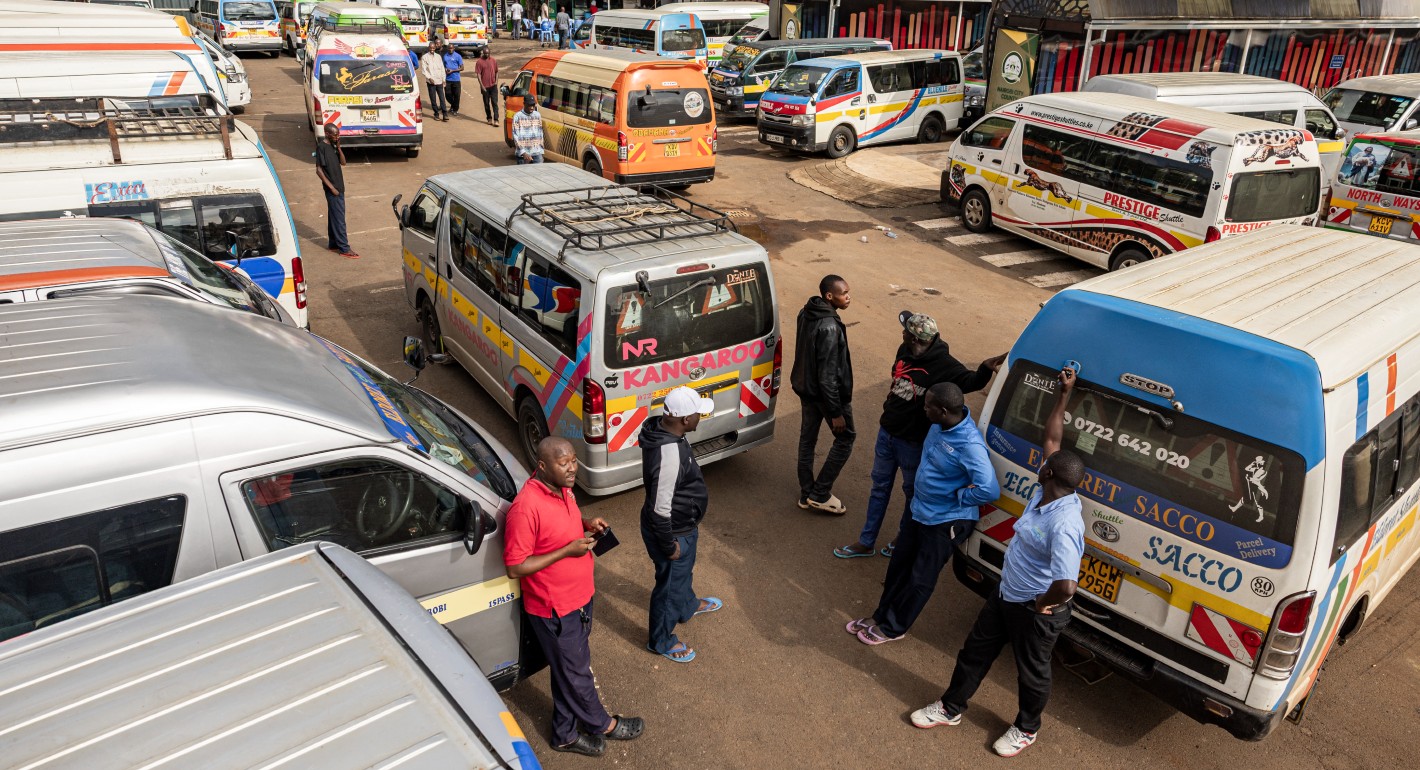
The conflict has sent economic and political shock waves through a country with no representation at the negotiating table—and Kenya is not alone.
Georgia Schaefer-Brown, Jane Munga
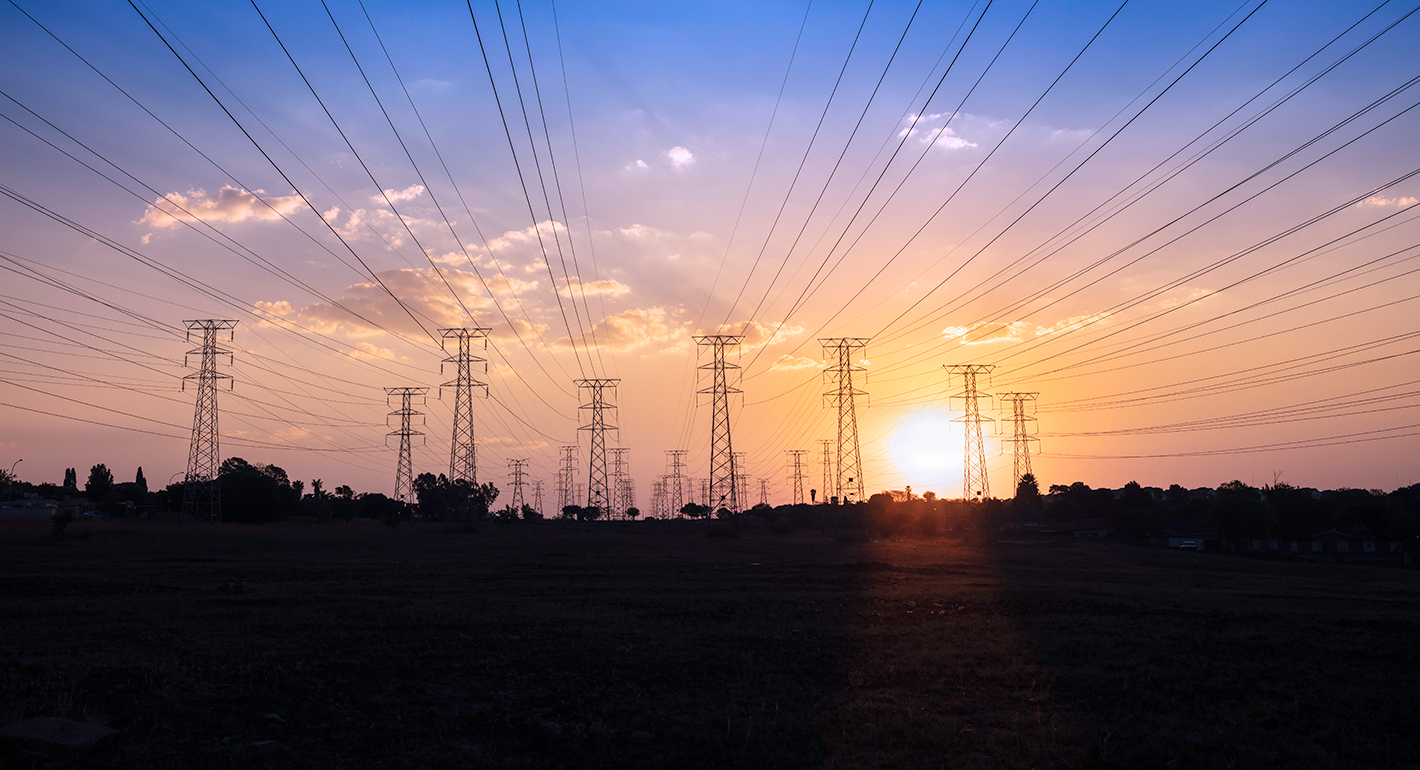
In an era of otherwise deep political division, U.S. government support for electricity infrastructure overseas remains a bright spot of consistent bipartisan consensus. This rare cross-partisan alignment should present huge opportunities for the United States to lead on advancing energy infrastructure in emerging economies.
Katie Auth