

Paper
Renad Mansour, Faleh A. Jabar
{
  "authors": [
    "Renad Mansour"
  ],
  "type": "legacyinthemedia",
  "centerAffiliationAll": "dc",
  "centers": [
    "Carnegie Endowment for International Peace",
    "Malcolm H. Kerr Carnegie Middle East Center"
  ],
  "collections": [],
  "englishNewsletterAll": "menaTransitions",
  "nonEnglishNewsletterAll": "",
  "primaryCenter": "Malcolm H. Kerr Carnegie Middle East Center",
  "programAffiliation": "MEP",
  "programs": [
    "Middle East"
  ],
  "projects": [],
  "regions": [
    "Levant",
    "Iraq",
    "Middle East"
  ],
  "topics": [
    "Political Reform"
  ]
}
Source: Getty
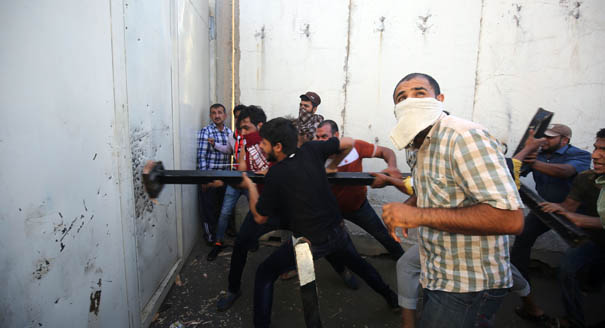
Iraqi Prime Minister Al-Abadi’s leadership is in question after major protests in Baghdad, most recently with crowds storming the Green Zone and occupying parliament.
Source: CNN
Carnegie’s Renad Mansour spoke with Lynda Kinkade on CNN, alongside Ben Wedeman, CNN senior international correspondent , to discuss the major protests in Baghdad, including the storming of the Green Zone and Iraqi Parliament and their implications for the Iraqi government.
Mansour pointed out that the protests had set a precedent that immediate structural change is required, and Abadi needs to move away from simple reforms and rhetoric. The protests, led by Muqtada Al-Sadr, were a direct reaction to the decision to delay that cabinet reshuffle and is the first time that crowds have infiltrated the Green Zone and parliament.
Mansour argued that Abadi faces both internal and external challenges to his leadership, including former prime minister Nouri Al-Maliki who is looking for a vacuum and for parliament to dissolve. This is exacerbated by Muqtada Al-Sadr’s strong popular movement that led the recent protests. In addition, the group of elites who have benefited from the post-2003 structure of patronage are concerned that the protests and government shortcomings are a threat to the privileges they enjoy.
Manour added that despite fears that a failing Abadi government would negatively affect the fight against ISIS there was an opportunity for the political class to win back Iraqis who have lost faith in the government and open up a crucial political wing to restore it.

Former El-Erian Fellow, Middle East Center
Mansour was an El-Erian fellow at the Carnegie Middle East Center, where his research focuses on Iraq, Iran, and Kurdish affairs.
Recent Work
Renad Mansour, Faleh A. Jabar
Renad Mansour
Carnegie does not take institutional positions on public policy issues; the views represented herein are those of the author(s) and do not necessarily reflect the views of Carnegie, its staff, or its trustees.

Two divergent trends—Putin’s hardline vision of how to prosecute the war in Ukraine, and a growing desire for change in Russia—could tear the regime apart.

Tatiana Stanovaya
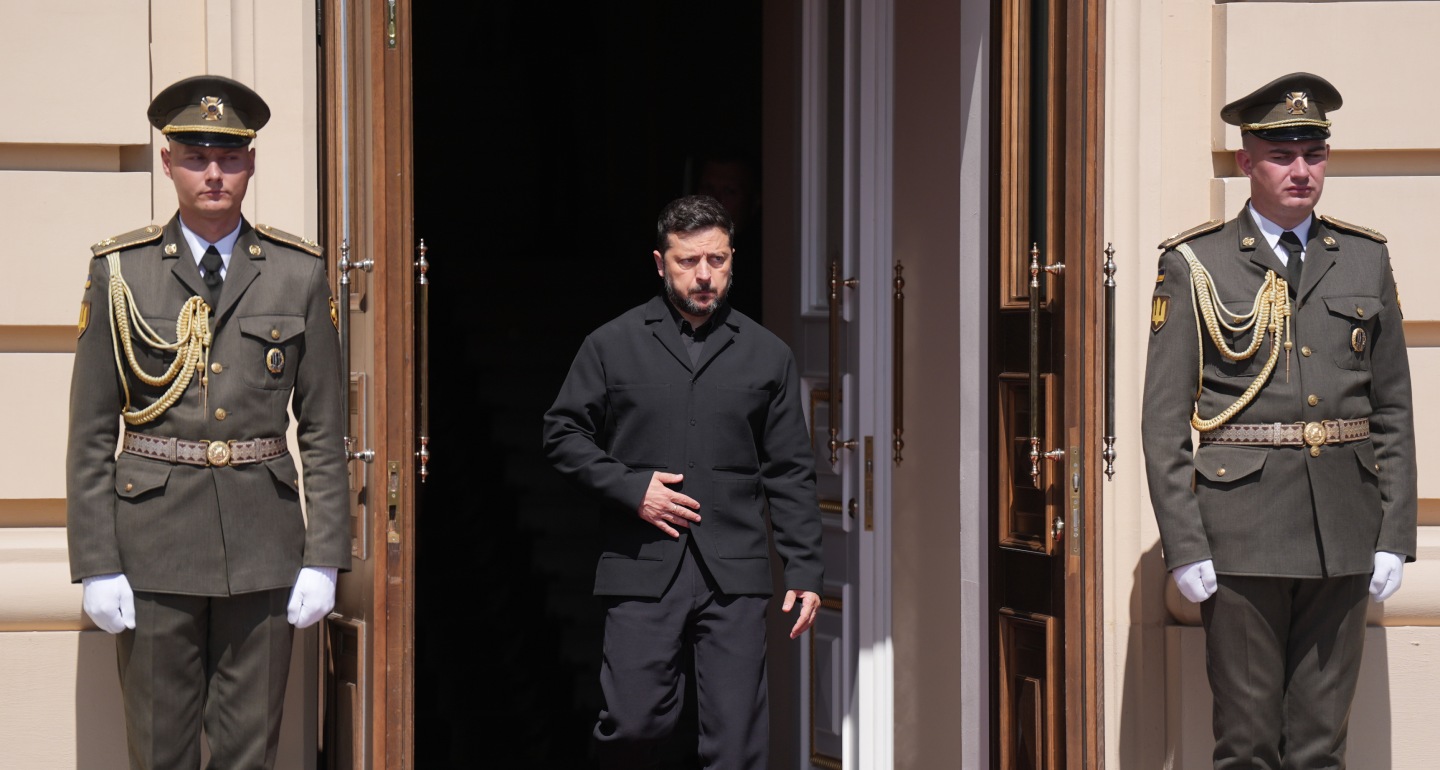
Ultimately, Zelensky sided neither with the reform camp nor with the military establishment as such, but with political control.

Balázs Jarábik
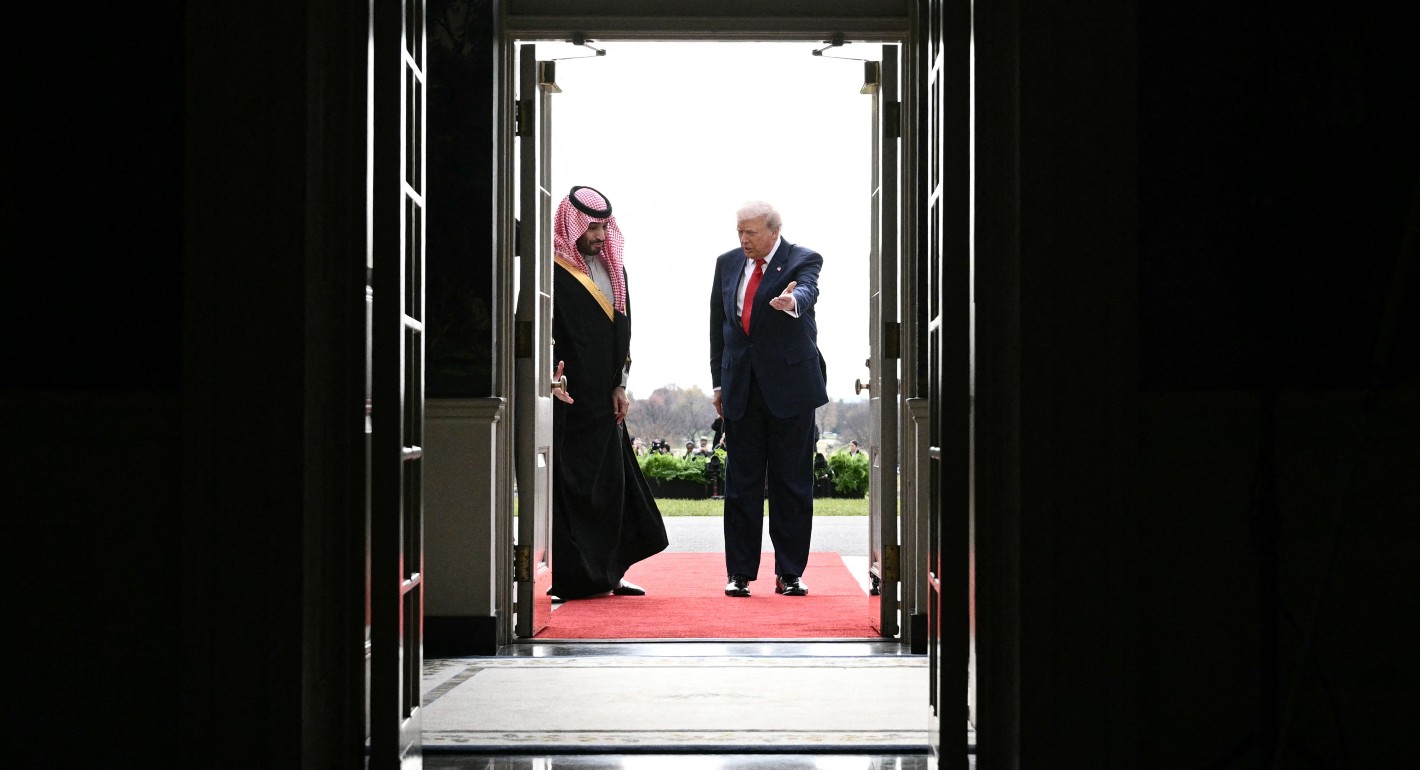
Despite the agreement’s uncertainty, it’s still a significant development in regional and nuclear policy.


Andrew Leber, Jane Darby Menton
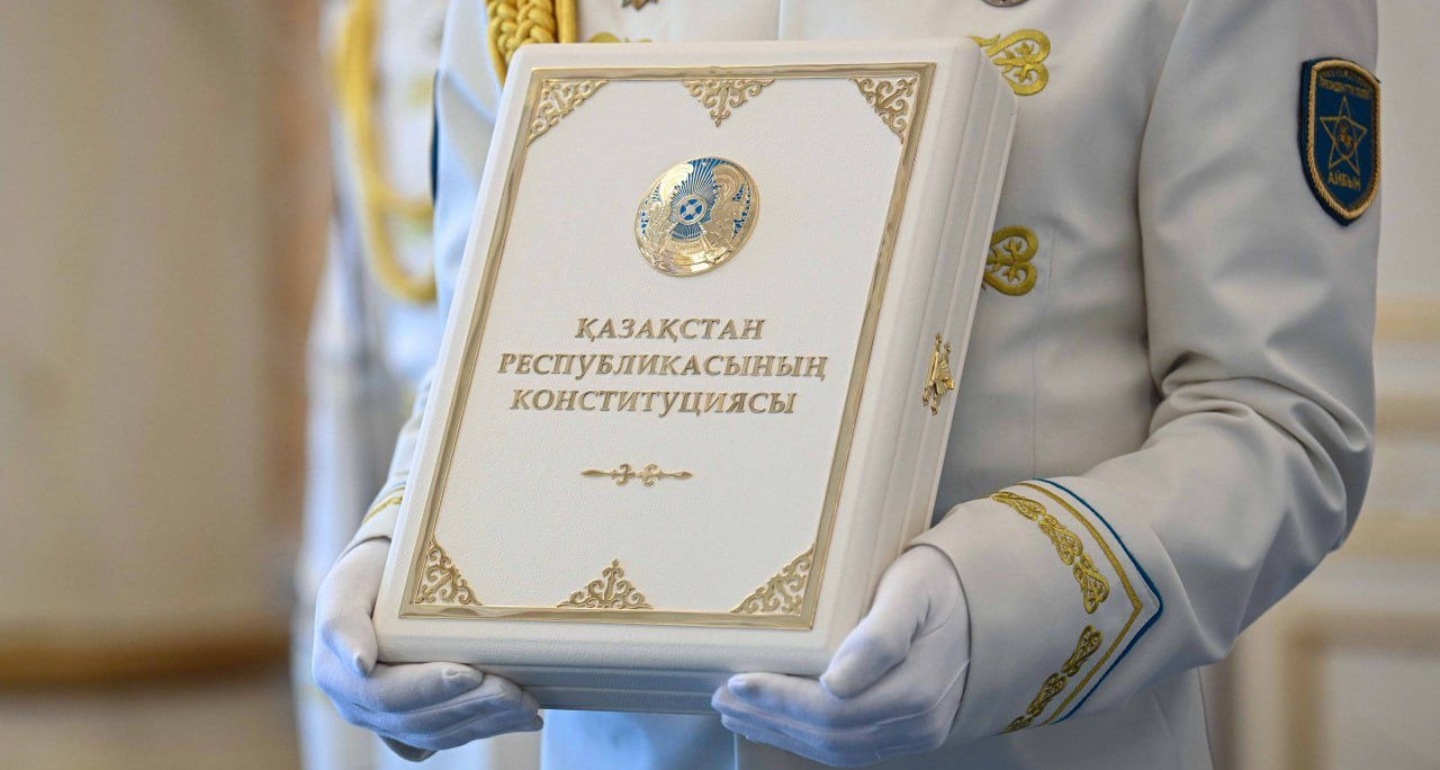
Tokayev’s predecessor, Nursultan Nazarbayev, outlined arrangements for a power transition too soon and in too much detail, ultimately losing control over the process. Tokayev is determined not to meet the same fate.

Temur Umarov

As the EU confronts profound challenges, several leaders have called for fundamental reform to the union’s model—but only modest, superficial changes have resulted. What if Europe really could be reimagined from zero today: What should such a redesigned European order look like?

Richard Youngs, ed.