

Commentary
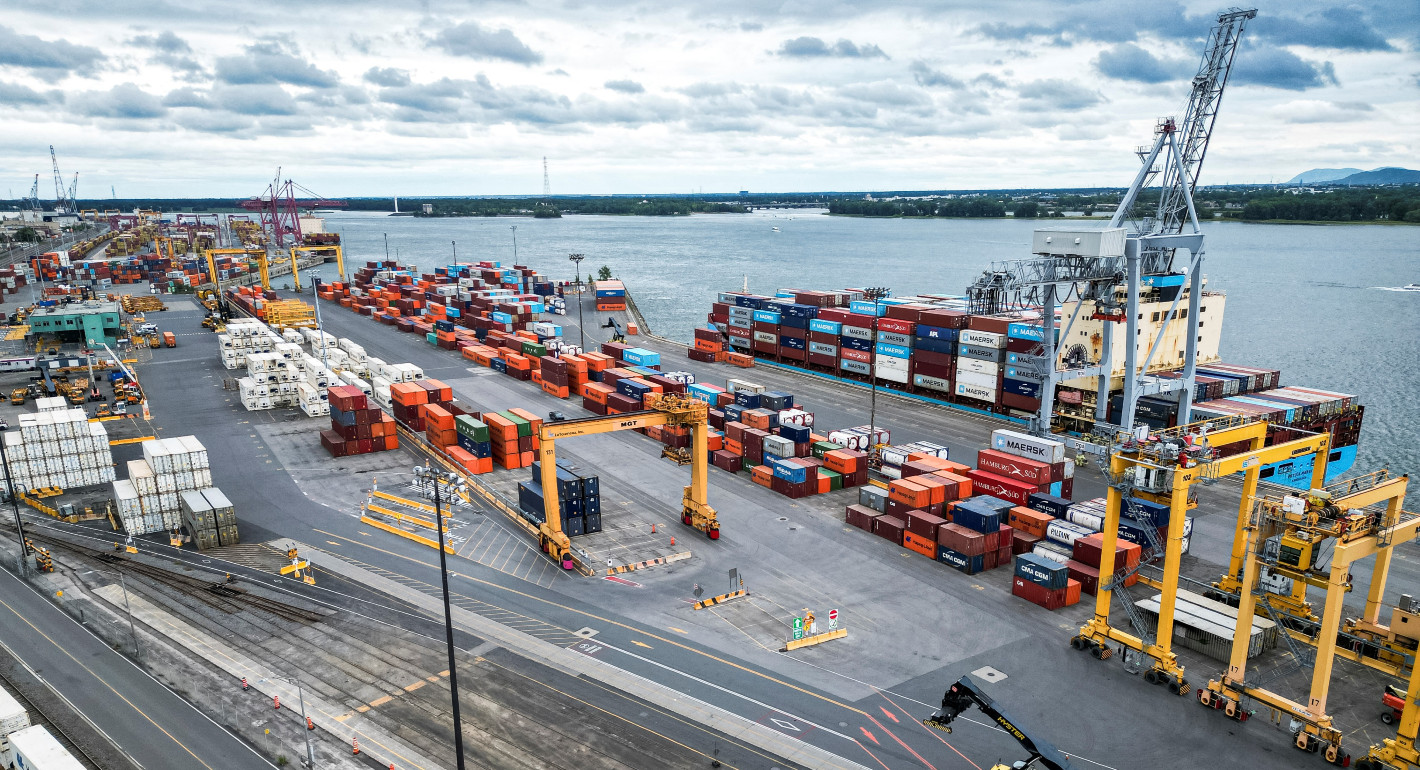
U.S. trading partners in Asia are closely watching the dispute for signs of how it may affect their own interests.
Barbara Weisel
{
  "authors": [
    "Uri Dadush",
    "Beatriz Leycegui"
  ],
  "type": "other",
  "centerAffiliationAll": "",
  "centers": [
    "Carnegie Endowment for International Peace"
  ],
  "collections": [],
  "englishNewsletterAll": "",
  "nonEnglishNewsletterAll": "",
  "primaryCenter": "Carnegie Endowment for International Peace",
  "programAffiliation": "",
  "programs": [],
  "projects": [],
  "regions": [
    "North America",
    "United States",
    "South America",
    "East Asia",
    "Southeast Asia"
  ],
  "topics": [
    "Economy",
    "Trade",
    "Foreign Policy"
  ]
}
Source: Getty
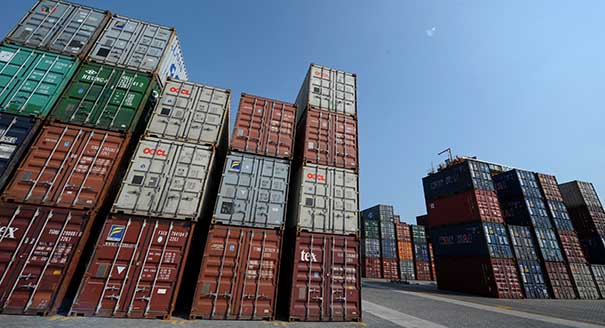
There is a large unfinished agenda in the integration of the North American economy, a gap which TPP could help fill.
Source: Wilson Center
While the three North American countries, Canada, Mexico, and the United States, together acccount for a large share of TPP GDP and intra-TPP trade, their trade is also already governed by NAFTA. Though NAFTA is a far-reaching and long-standing mega-regional agreement, there is a large unfinished agenda in the integration of the North American economy, a gap which TPP could help fill.
This paper compares TPP and NAFTA as they affect the trade of the NAFTA countries. It will argue that TPP is likely to advance trade of the NAFTA block with the other TPP members, and within the NAFTA block, and make the whole TPP block, including NAFTA, more attractive as an investment destination.The paper also examines the motivation of NAFTA countries in joining TPP as well as the additionality of market access commitments, followed by an assessment of how the rules negotiated in TPP modify pre-existing NAFTA commitments. Finally, the paper briefly considers how TPP might help promote other crucial interests of the NAFTA countries, including integration in North and South America, and the vitality of the WTO...

Former Senior Associate, International Economics Program
Dadush was a senior associate at the Carnegie Endowment for International Peace. He focuses on trends in the global economy and is currently tracking developments in the eurozone crisis.
Beatriz Leycegui
Carnegie does not take institutional positions on public policy issues; the views represented herein are those of the author(s) and do not necessarily reflect the views of Carnegie, its staff, or its trustees.
U.S. trading partners in Asia are closely watching the dispute for signs of how it may affect their own interests.
Barbara Weisel

The aftermath of the Ceuta crisis shows Europe has drawn the wrong lessons. Rather than doubling down on failed migration policies, the EU needs to address the underlying roots of such episodes.

Richard Youngs
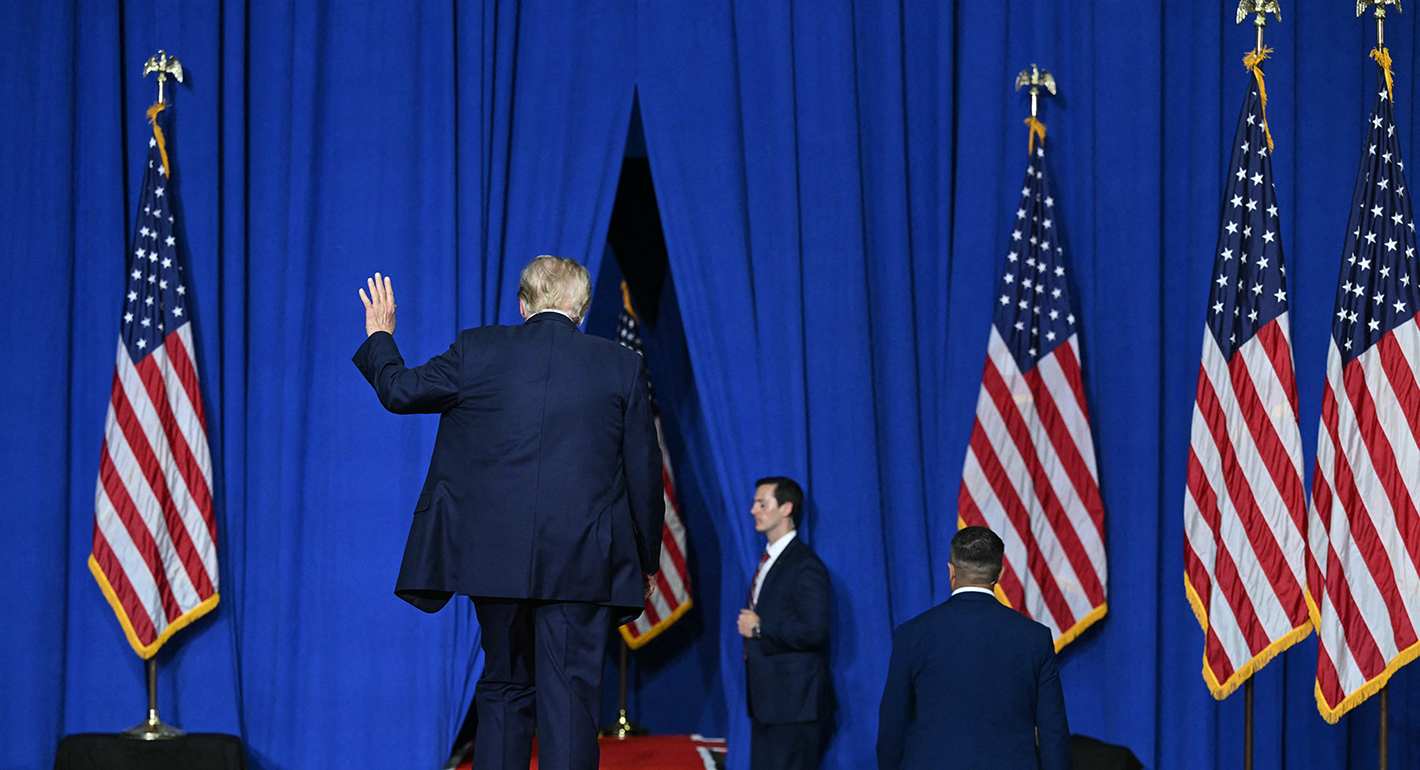
By abandoning past U.S. pro-democracy policies and adopting several lines of pro-autocratic action, the Trump administration has fundamentally repositioned the United States vis-à-vis democracy in the world.

Thomas Carothers
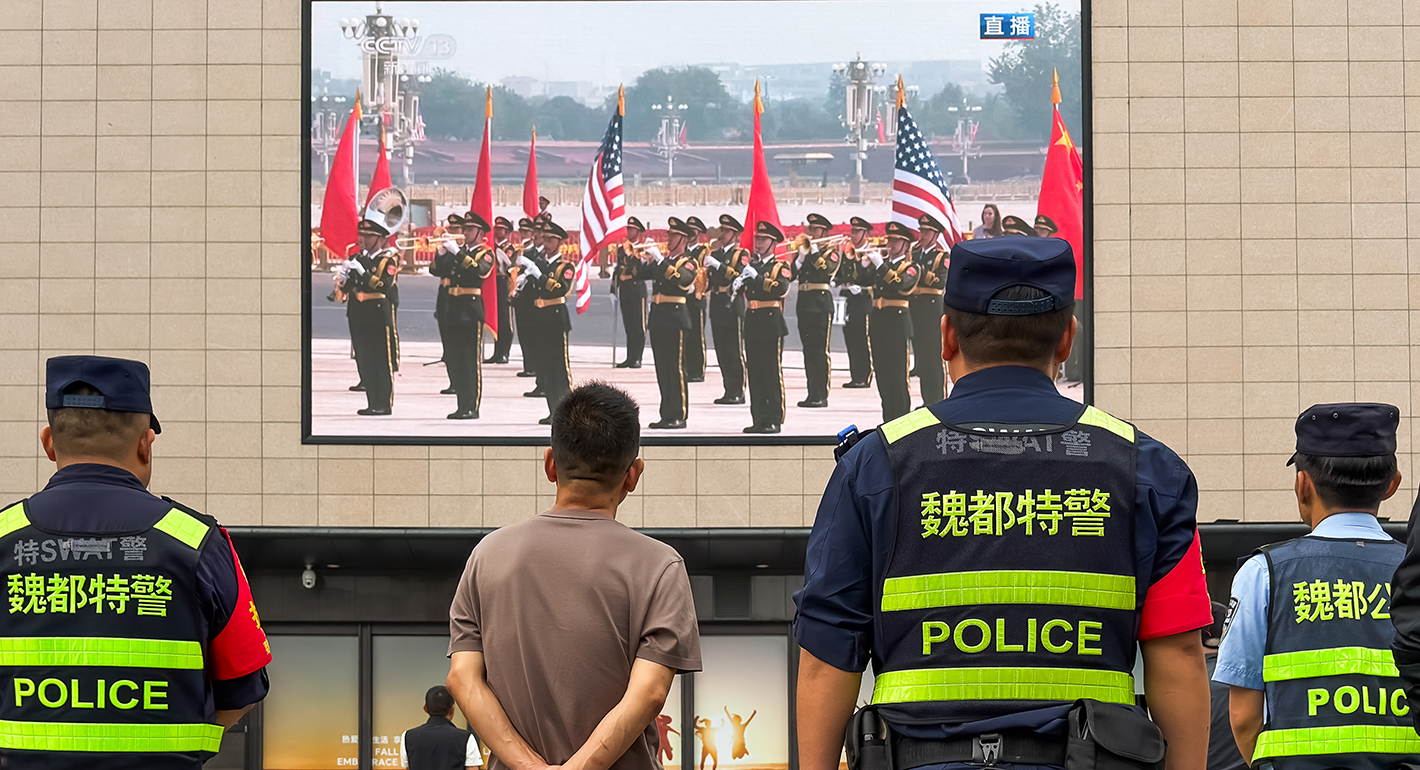
Chinese strategists are once again debating whether American power is declining and whether U.S. hegemony is experiencing irreversible decay.
Wu Xinbo
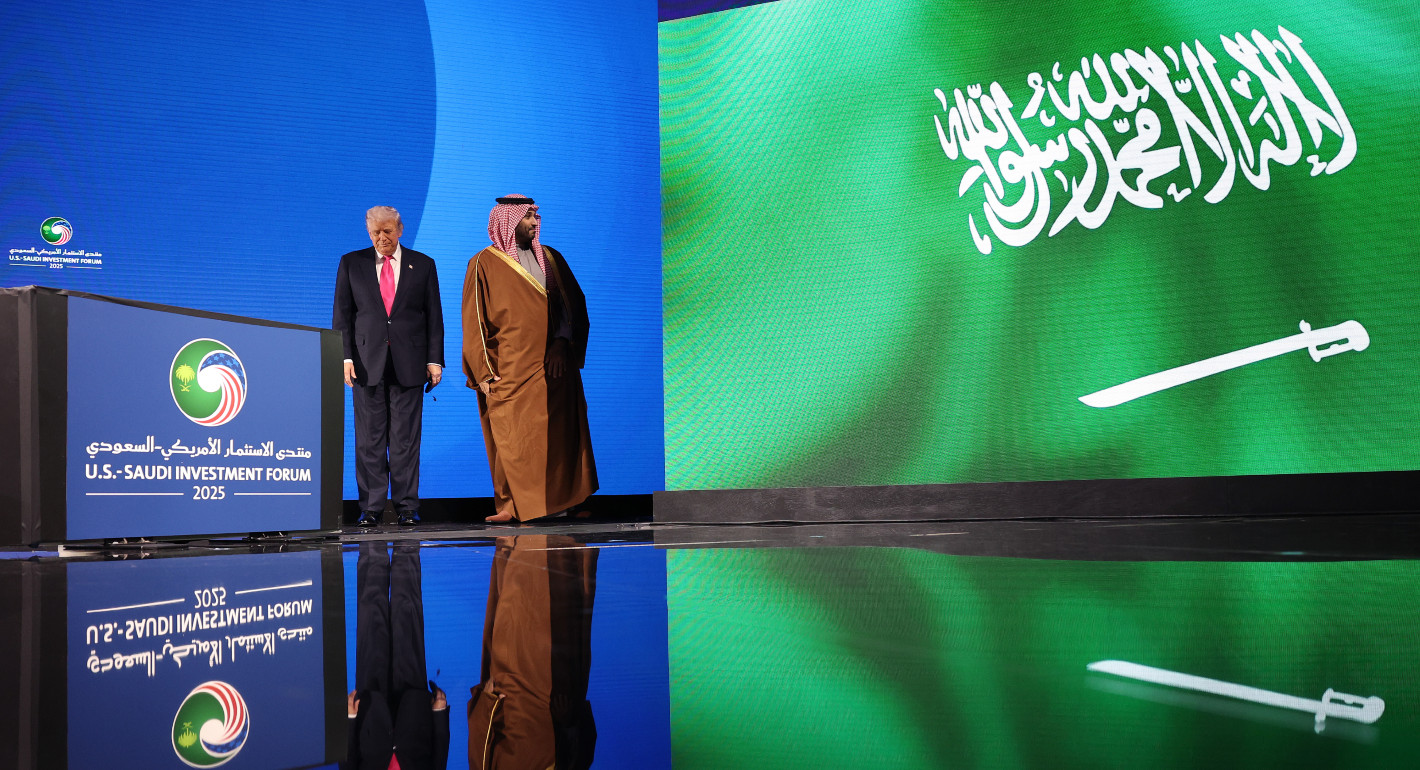
Congress should ask tough questions about the agreement’s more unique features and whether they advance U.S. interests or compromise them.

Jane Darby Menton