

Commentary
Not only does the fighting jeopardize regional security, it undermines Russian attempts to promote alternatives to the Western-dominated world order.
Ruslan Suleymanov
{
  "authors": [
    "Marc Lynch",
    "Nathan J. Brown",
    "Jocelyne Cesari",
    "Peter Mandaville"
  ],
  "type": "legacyinthemedia",
  "centerAffiliationAll": "dc",
  "centers": [
    "Carnegie Endowment for International Peace"
  ],
  "collections": [
    "Arab Awakening"
  ],
  "englishNewsletterAll": "menaTransitions",
  "nonEnglishNewsletterAll": "",
  "primaryCenter": "Carnegie Endowment for International Peace",
  "programAffiliation": "MEP",
  "programs": [
    "Middle East"
  ],
  "projects": [],
  "regions": [
    "Middle East",
    "North Africa"
  ],
  "topics": [
    "Political Reform",
    "Democracy",
    "Civil Society"
  ]
}
Source: Getty
Polarization in the Arab world may be the result of political systems that have opened themselves up to political debate, but not given healthy ways in which to translate political debate into political outcomes.
Source: Project on Middle East Political Science
Speaking with the Project on Middle East Political Science, Carnegie’s Nathan J. Brown discussed his latest book, Arguing Islam after the Revival of Arab Politics, with Jocelyne Cesari, a senior fellow at the Berkley Center for Religion, Peace, and World Affairs, Peter Mandaville, a senior advisor to the special representative for religion and global affairs at the U.S. Department of State, and Carnegie’s Marc Lynch. He argued that “the polarization we see so deeply entrenched in the Arab world . . . may not be so much the disease as the symptom. That is to say, not so much the cause but is as an effect very much of political systems that have opened themselves up to political debate, but not given very healthy ways in which to translate political debate into political outcomes.”
This discussion was originally broadcast by the Project on Middle East Political Science.
Former Nonresident Senior Fellow, Middle East Program
Marc Lynch was a nonresident senior fellow in Carnegie’s Middle East Program where his work focuses on the politics of the Arab world.

Nonresident Senior Fellow, Middle East Program
Nathan J. Brown, a professor of political science and international affairs at George Washington University, is a distinguished scholar and author of nine books on Arab politics and governance, as well as editor of five books.
Jocelyne Cesari
Peter Mandaville
Moderator: Peter Mandaville is a professor of international affairs in the Schar School of Policy and Government and co-director of the Ali Vural Ak Center for Global Islamic Studies at George Mason University.
Carnegie does not take institutional positions on public policy issues; the views represented herein are those of the author(s) and do not necessarily reflect the views of Carnegie, its staff, or its trustees.
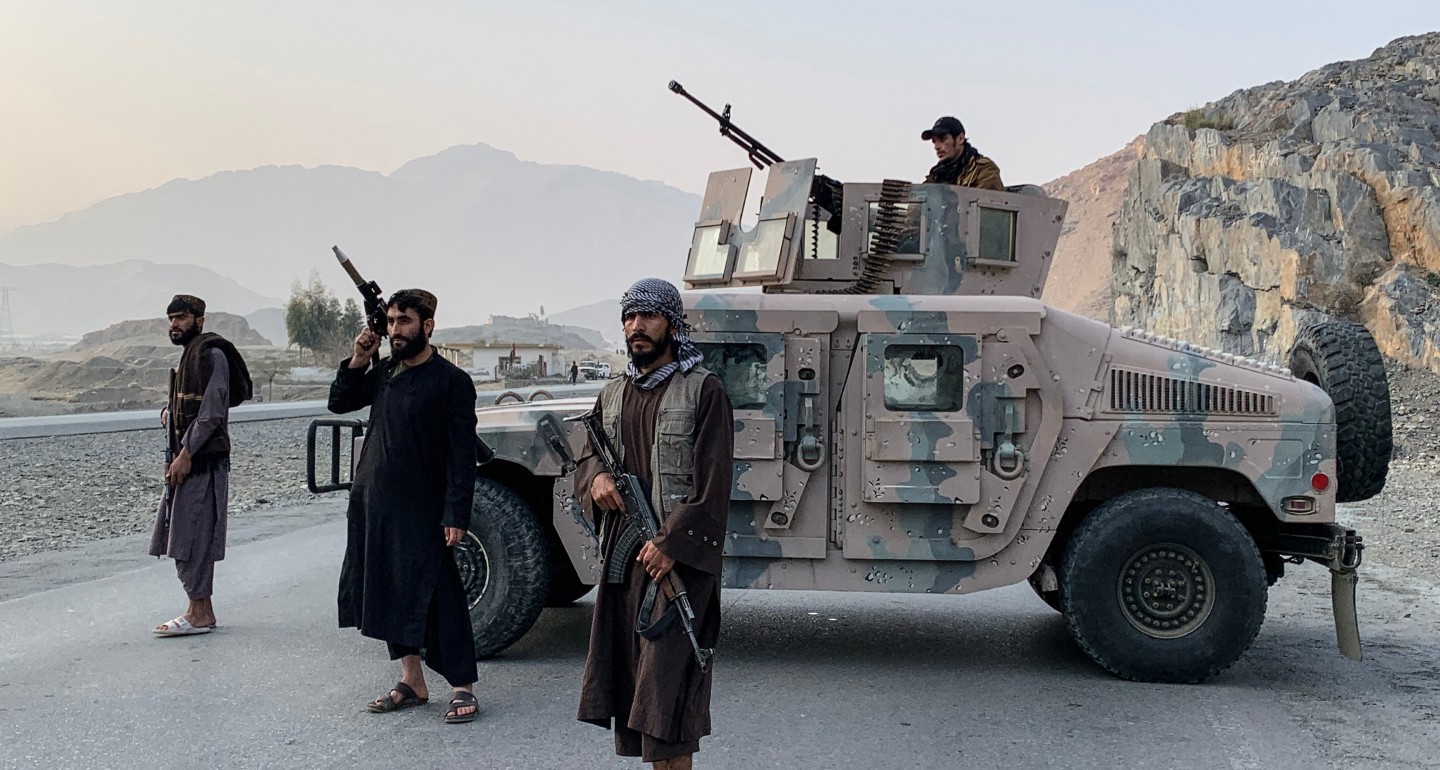
Not only does the fighting jeopardize regional security, it undermines Russian attempts to promote alternatives to the Western-dominated world order.
Ruslan Suleymanov
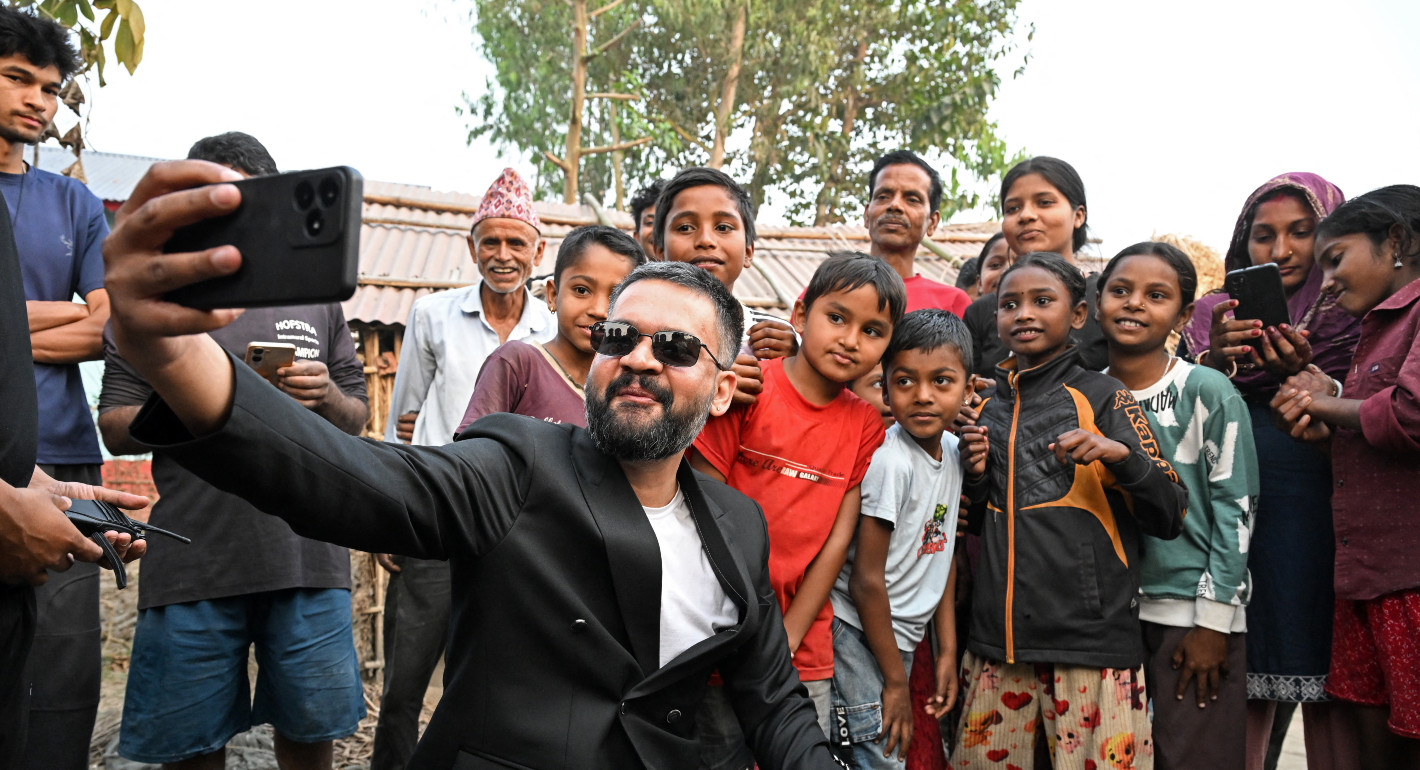
The incoming government has swept Nepal’s election. The real work begins now.
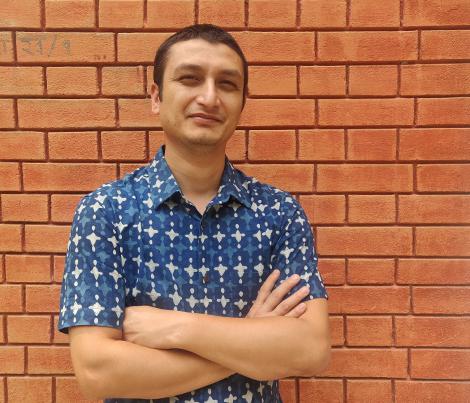
Amish Raj Mulmi
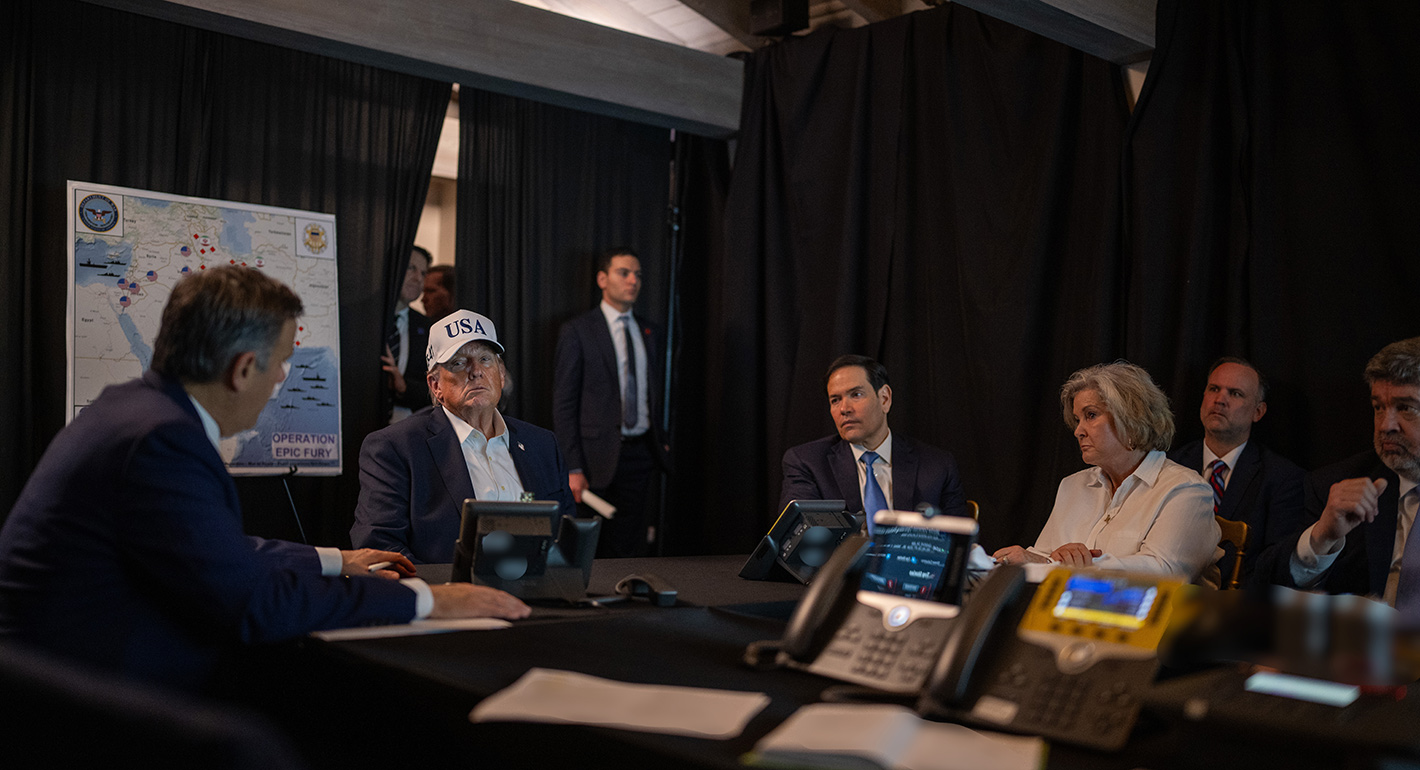
Assessing U.S. compliance with the international laws of war is essential at a time when these frameworks are already fraying.
Federica D’Alessandra
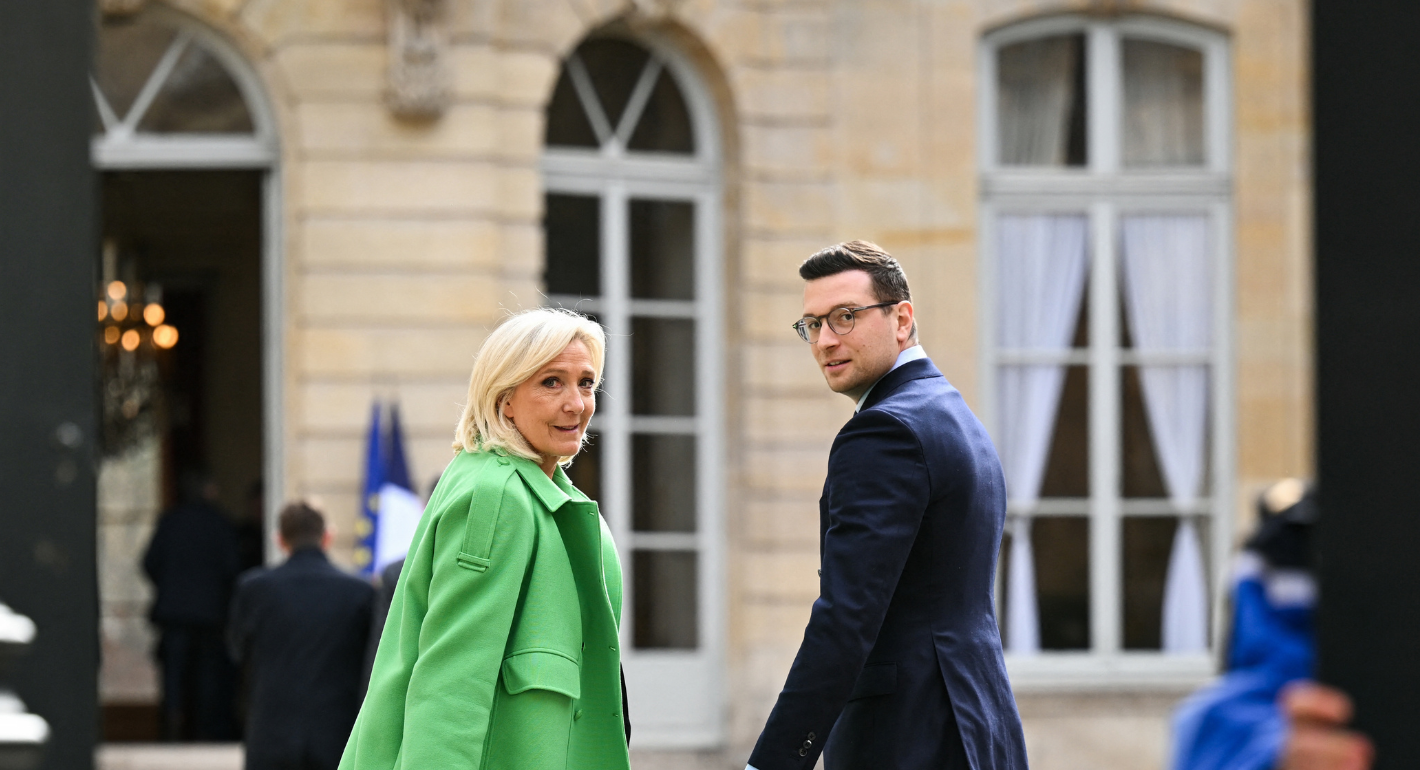
The far right failed to win big in France’s municipal elections. But that’s not good news for the country’s left wing, which remained disunited while the broader right consolidated its momentum ahead of the 2027 presidential race.
Catherine Fieschi

In key sectors such as critical minerals, specialty agriculture, and fintech, Africa can become a global powerhouse by investing more in manufacturing, value-add, and scaling.
Kholofelo Kugler, Georgia Schaefer-Brown