

Commentary
Despite its flop at the box office, the film raises important questions for the climate community to answer.
Leonardo Martinez-Diaz
{
  "authors": [
    "Stefan Lehne",
    "Heather Grabbe"
  ],
  "type": "legacyinthemedia",
  "centerAffiliationAll": "dc",
  "centers": [
    "Carnegie Endowment for International Peace",
    "Carnegie Europe"
  ],
  "collections": [
    "Transatlantic Cooperation"
  ],
  "englishNewsletterAll": "ctw",
  "nonEnglishNewsletterAll": "",
  "primaryCenter": "Carnegie Europe",
  "programAffiliation": "EP",
  "programs": [
    "Europe"
  ],
  "projects": [],
  "regions": [
    "Europe",
    "North America",
    "United States",
    "Western Europe",
    "Iran"
  ],
  "topics": [
    "Foreign Policy",
    "Security"
  ]
}
Source: Getty
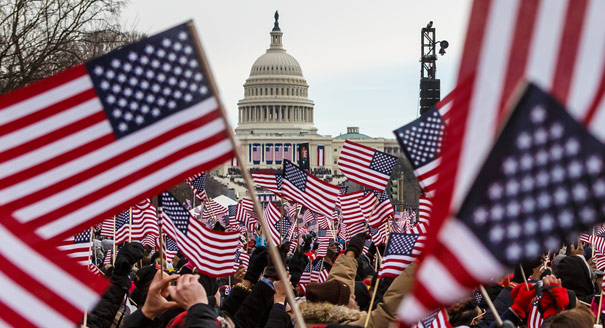
The incoming U.S. president’s mind-set looks set to bring about the most significant rupture in the transatlantic order since World War II.
Source: Euronews
Donald Trump’s interviews of 13 January came as a shock to many Europeans. They put an end to wishful thinking that his comments on the campaign trail were just meant for internal consumption and that the new president would quickly join conventional Republican views on Europe. The interviews showed that the person who becomes the most powerful man on the planet has views and plans that run counter to many European interests and values. He believes that NATO is obsolete, because its other members don’t pay up and it doesn’t fight terrorism, that the EU is just a vehicle for German power, and that Brexit will be followed by the departure of further countries. Europe too will be a target of protectionist measures to reduce the US trade deficit, he said, and European manufacturers in Mexico will face high tariffs. He views the nuclear accord with Iran as one of the “dumbest deals” ever made, sees Angela Merkel as deserving the same level of trust as Putin, and eyes interesting deals with Russia through trading off sanctions for nuclear disarmament.
Not all of what Donald Trump said will become US foreign policy because the president’s powers do not give him a monopoly on foreign policy. However, his mindset looks set to bring about the most significant rupture in the transatlantic order since World War II. Trump’s transactional approach, protectionist instincts, and disregard for fundamental rules of international conduct could cause the United States to stop serving as the anchor of the liberal world order.
Europe has a huge stake in the survival of the liberal order that has underpinned its security and prosperity for many decades. The EU’s own survival as a transnational alliance of shared sovereignty depends on it. But rather than falling into despondency, Europeans should see the Trump presidency as a salutary shock. Europeans finally feel the urgency of getting their act together. Trump has provided an alternative vision of foreign policy that grates against their instincts. His opposition could catalyze European action as no previous US president’s encouragement did.
French foreign minister Jean-Marc Ayrault was right when he said that the best response to the interviews was European unity. It is clear already that Europe will feature low on the Trump administration’s agenda. To the extent that Washington engages with Europe at all, it will likely deal with the bigger countries individually. If EU leaders fail to pull together and speak up much more loudly than before, they risk being sidelined.
The greatest immediate danger lies in the Trump administration’s relationship with Moscow. There is a risk that deals with Moscow, particularly on Ukraine, increase Eastern Europe’s dependence on Russia and ultimately divide the continent into two zones of influence. Trump’s mixed messages about the U.S. commitment to NATO risk weakening the alliance and might encourage further Russian pressure in the Western Balkans and Central Europe.
Trump could pursue other transactional deals with Russia, Turkey or various Arab autocrats that run counter to the EU’s long-term engagement and cause instability in its neighbourhood. Such deals might lead to sudden and sharp US disengagement from the Caucasus, North Africa, and the Western Balkans, where EU-US cooperation has been close for several decades. On Syria, Washington might move toward accepting a solution imposed by Russia and Turkey, while creating serious new regional tensions through deteriorating relations with Iran.
Trump’s foreign policy could also pose serious threats to the global commons. A combination of neglect and aggressive rhetoric from Washington could damage trade, climate change and non-proliferation – which is why the EU should reach out to new allies that want to preserve the rules-based international order, including China, as well as the like-minded liberals such as Canada and New Zealand.
To limit the damage, the EU needs to invest seriously in diplomacy, common analysis and intelligence, and other foreign policy assets, as well as making faster moves to turn recent commitments to common defense into reality. Europeans need to take their own security seriously, making strategic autonomy their top priority, and using all of the EU’s famous ‘soft power’ to invest in great stability and better governance for the regions to its East and South.
Instead of wringing their hands, European leaders need build great capabilities at EU level to solve global problems and take regional leadership. The EU also needs to do much more public diplomacy to convince a broad spectrum of American society beyond the government to work with Europe to improve the state of the world and defend the values of liberal democracy that many Americans hold dear and are afraid of losing. That’s the best way to convince the United States to re-engage after Trump has gone.
This article was originally published by Euronews. It is based on “How Donald Trump Could Save EU Foreign Policy,” previously published by Carnegie Europe.

Senior Fellow, Carnegie Europe
Stefan Lehne is a senior fellow at Carnegie Europe in Brussels, where his research focuses on the post–Lisbon Treaty development of the European Union’s foreign policy, with a specific focus on relations between the EU and member states.
Heather Grabbe
Grabbe is director of the Open Society European Policy Institute.
Carnegie does not take institutional positions on public policy issues; the views represented herein are those of the author(s) and do not necessarily reflect the views of Carnegie, its staff, or its trustees.

Despite its flop at the box office, the film raises important questions for the climate community to answer.

Leonardo Martinez-Diaz
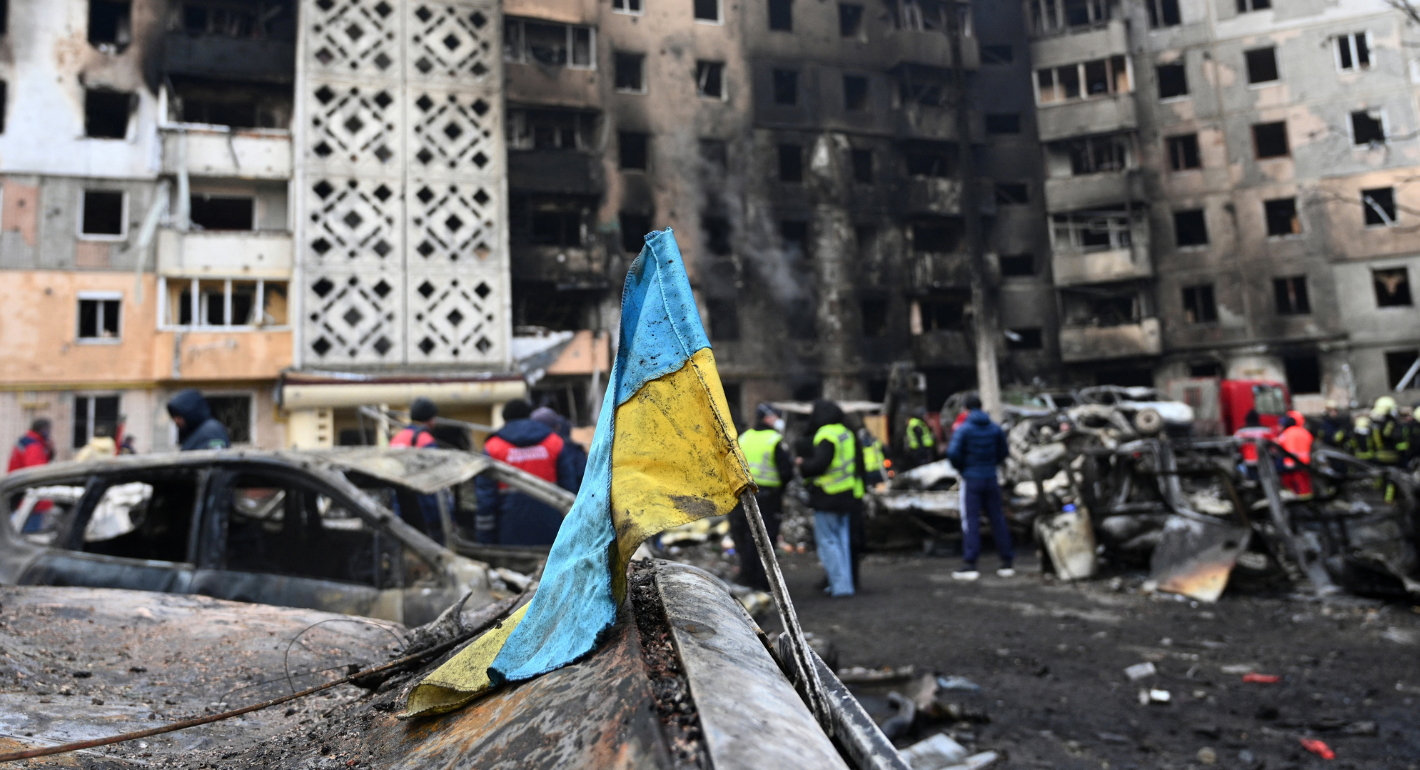
Funding Ukraine remains a priority for European leaders. As Russia’s war of aggression heads into another winter, two feasible options to mobilize support for Kyiv should be fast-tracked.
Vladyslav Rashkovan, Gregory P. Wilson

Russian strikes are weakening the economy sustaining Ukraine’s war effort. Closing the growing funding gap will require more European support and politically contentious reforms in Kyiv.

Balázs Jarábik
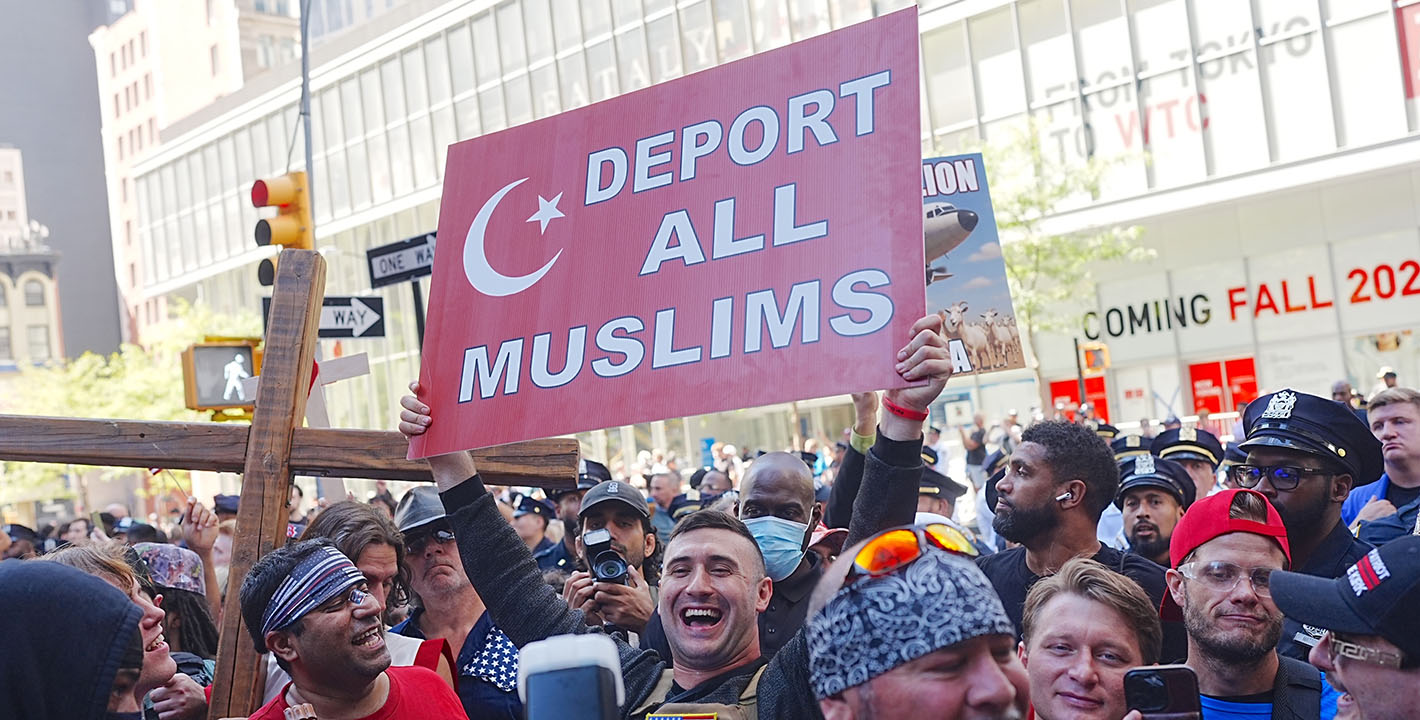
In an interview, Rozina Ali discusses her new book on the rise and manifestations of Islamophobia in the United States.
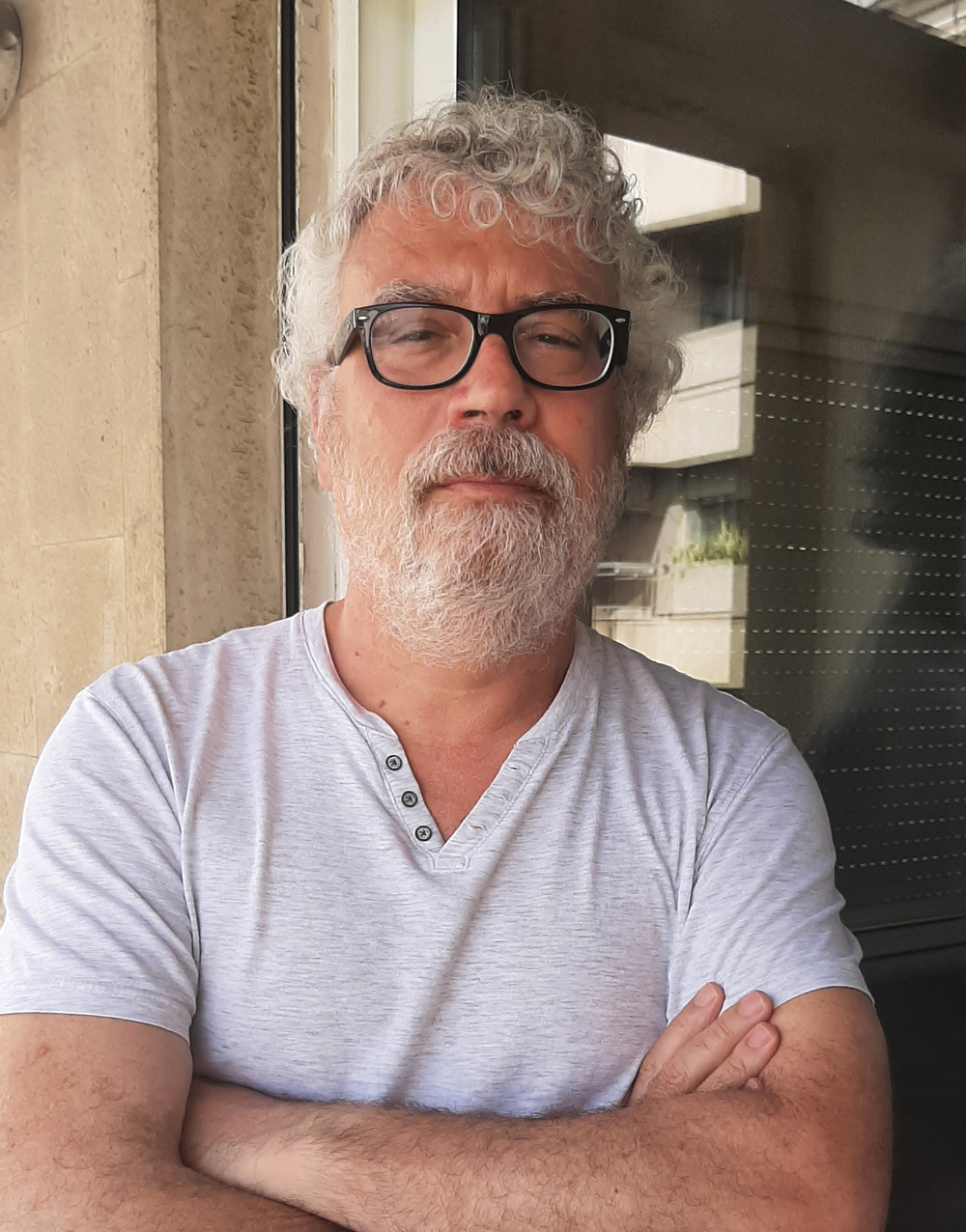
Michael Young
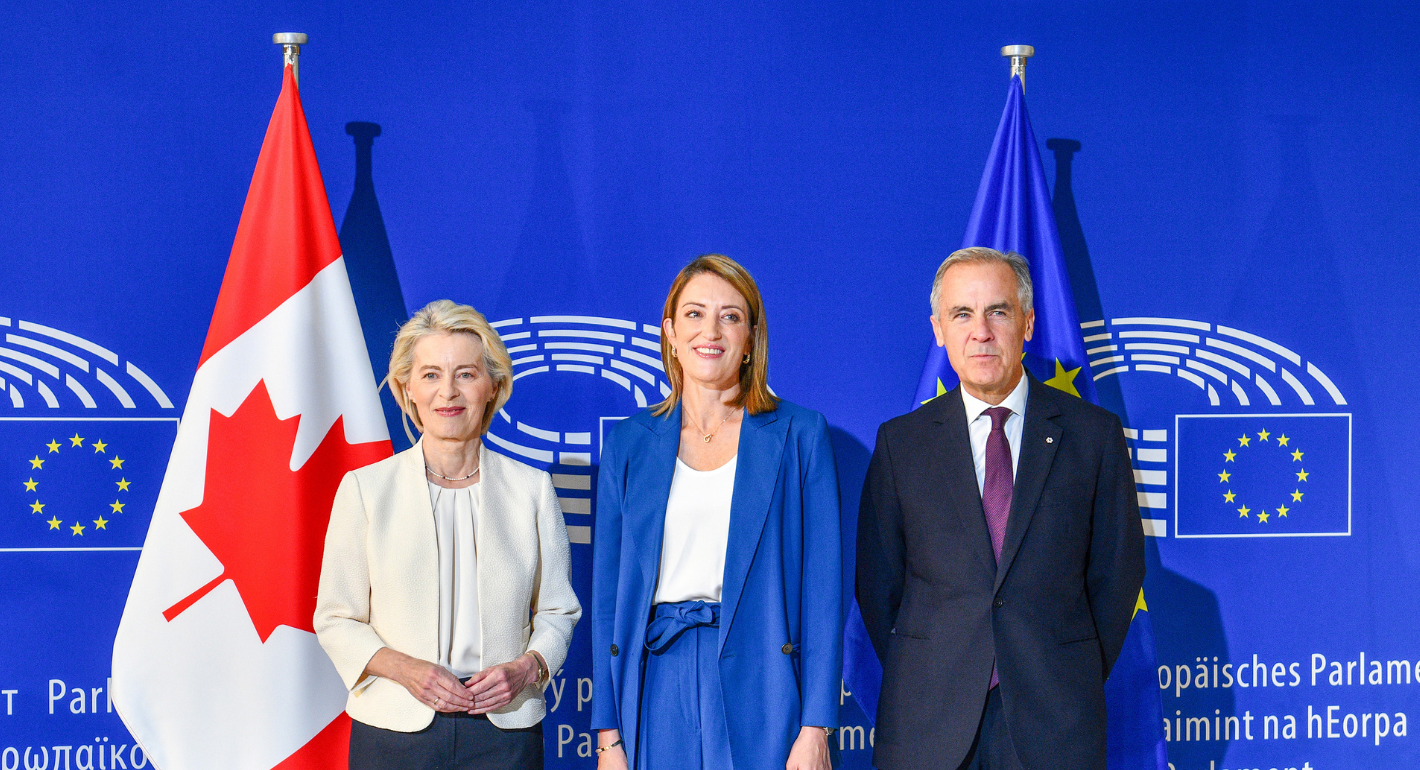
While the EU and European governments are embracing the much-lauded middle-power moment, this entails three difficult conundrums.

Richard Youngs