

Article
C. Raja Mohan, Darshana M. Baruah
{
  "authors": [
    "C. Raja Mohan"
  ],
  "type": "legacyinthemedia",
  "centerAffiliationAll": "dc",
  "centers": [
    "Carnegie Endowment for International Peace",
    "Carnegie India"
  ],
  "collections": [],
  "englishNewsletterAll": "ctw",
  "nonEnglishNewsletterAll": "",
  "primaryCenter": "Carnegie India",
  "programAffiliation": "SAP",
  "programs": [
    "South Asia"
  ],
  "projects": [],
  "regions": [
    "United States",
    "South Asia",
    "India",
    "North America"
  ],
  "topics": [
    "Foreign Policy"
  ]
}
Source: Getty
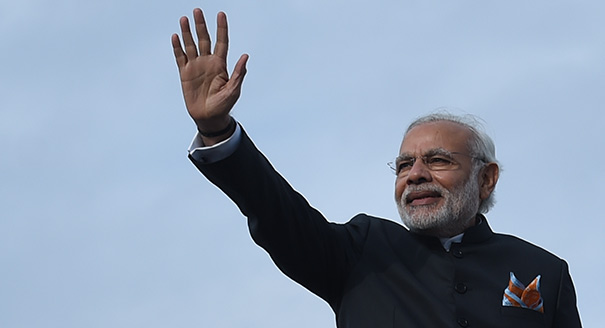
Prime Minister Modi hopes the wider South Asian diaspora will contribute to India’s economic development, act as a bridge to the nations that host them, and help promote broader international goals.
Source: Indian Express
As Prime Minister Narendra Modi’s political romance with the Indian diaspora continues, there is a strong case for extending his outreach to all the peoples of South Asian origin. Having transformed the way Delhi thinks about diaspora, Modi must now try and connect it to the Subcontinent’s expatriate communities around the world.
Modi made no mention of the South Asian diaspora at the opening of the biennial Pravasi Bharatiya Divas in Bengaluru on Sunday. But his remark that Delhi must look beyond the ‘colour of the passport’ to the ‘blood relationships’ applies to all of the South Asian diaspora. Since South Asia has multiple sovereign entities, Delhi can’t extend all possible support to the Subcontinent’s diaspora population. For example India can’t provide consular services to citizens of its neighbouring countries.
But given the depth of historic, cultural, ethnic and commercial links that bind the South Asian people and the varying levels of contemporary special relationships with the neighbours , there is much that Delhi can do in promoting links with the Subcontinental diaspora–from mobilizing their resources for common developmental goals in the region to providing humanitarian assistance to those caught in crisis zones.
If the Indian diaspora (including citizens and people of Indian origin) is today estimated to be around 30 million, the numbers from our neighbours are equally impressive. If we take the expat communities from Afghanistan, Pakistan, Nepal, Bangladesh and Sri Lanka, the total South Asian diaspora could add up to more than 50 million. The premises of Modi’s engagement with the Indian diaspora are equally applicable in connecting to the rest.
If Atal Bihari Vajpayee laid the foundation for reimagining India’s ties with the diaspora at the turn of the millennium, Modi has made it a key area of national priority. For Modi, the diaspora is an ‘asset’ rather than a ‘liability’ and India’s intellectual power beyond borders ‘brain gain’ and not ‘brain drain’.
Modi has bet that Indian diaspora can enhance its contribution to India’s economic development, act a bridge to the nations that host them, and help promote India’s broader international goals. Beyond these objectives, the South Asian diaspora could facilitate some special goals that Modi has set for the nation–of accelerating regional economic integration and building on the shared cultural heritage.
Promoting bonds with the South Asian diaspora could help rejuvenate historic cross-border associations and moderate some of the inter-state conflicts. All the South Asian diasporic communities are all loyal to their own particular countries. Living as they do in distant lands, they are acutely conscious of the shared Subcontinental identity. This is a very precious resource that remains to be tapped by Modi’s foreign policy activism. A modest beginning can be made my inviting South Asian community leaders to Modi’s interaction with the diaspora during his travels abroad and to the PBD conventions and conferences in India.
This article was originally published in the Indian Express.
Former Nonresident Senior Fellow, Carnegie India
A leading analyst of India’s foreign policy, Mohan is also an expert on South Asian security, great-power relations in Asia, and arms control.
Recent Work

C. Raja Mohan, Darshana M. Baruah


Alexander Gabuev, Paul Haenle, C. Raja Mohan, …
Carnegie does not take institutional positions on public policy issues; the views represented herein are those of the author(s) and do not necessarily reflect the views of Carnegie, its staff, or its trustees.
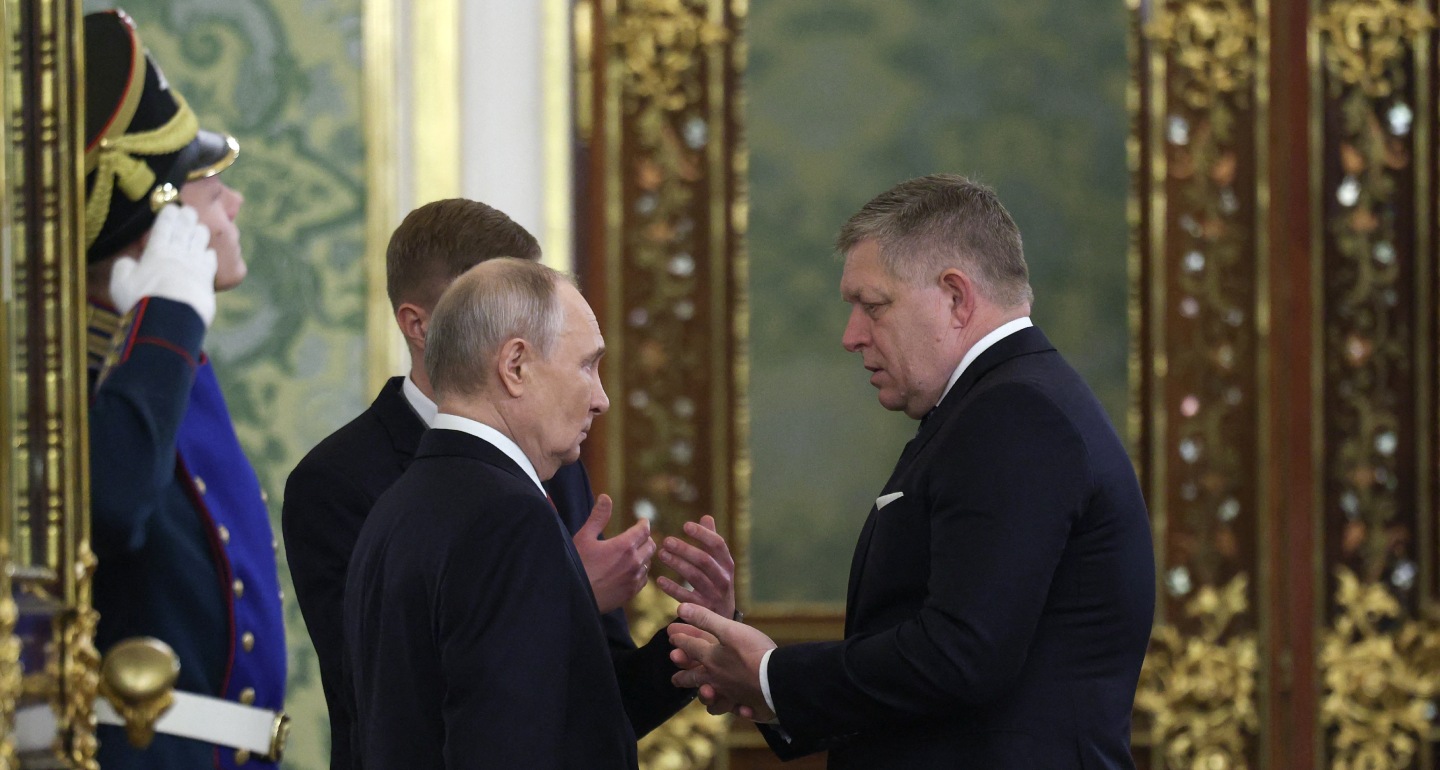
Though Orban is gone, Putin can still count on some like-minded individuals in Central and Eastern Europe. However, they will seek to avoid open confrontation with EU institutions over Ukraine and their ties with Moscow.

Dimitar Bechev

The truth is that Japan’s government is seeking a degree of reengagement but at a vastly reduced level than under Abe. Most significantly, Japan has shown no willingness to ease sanctions.

James D.J. Brown
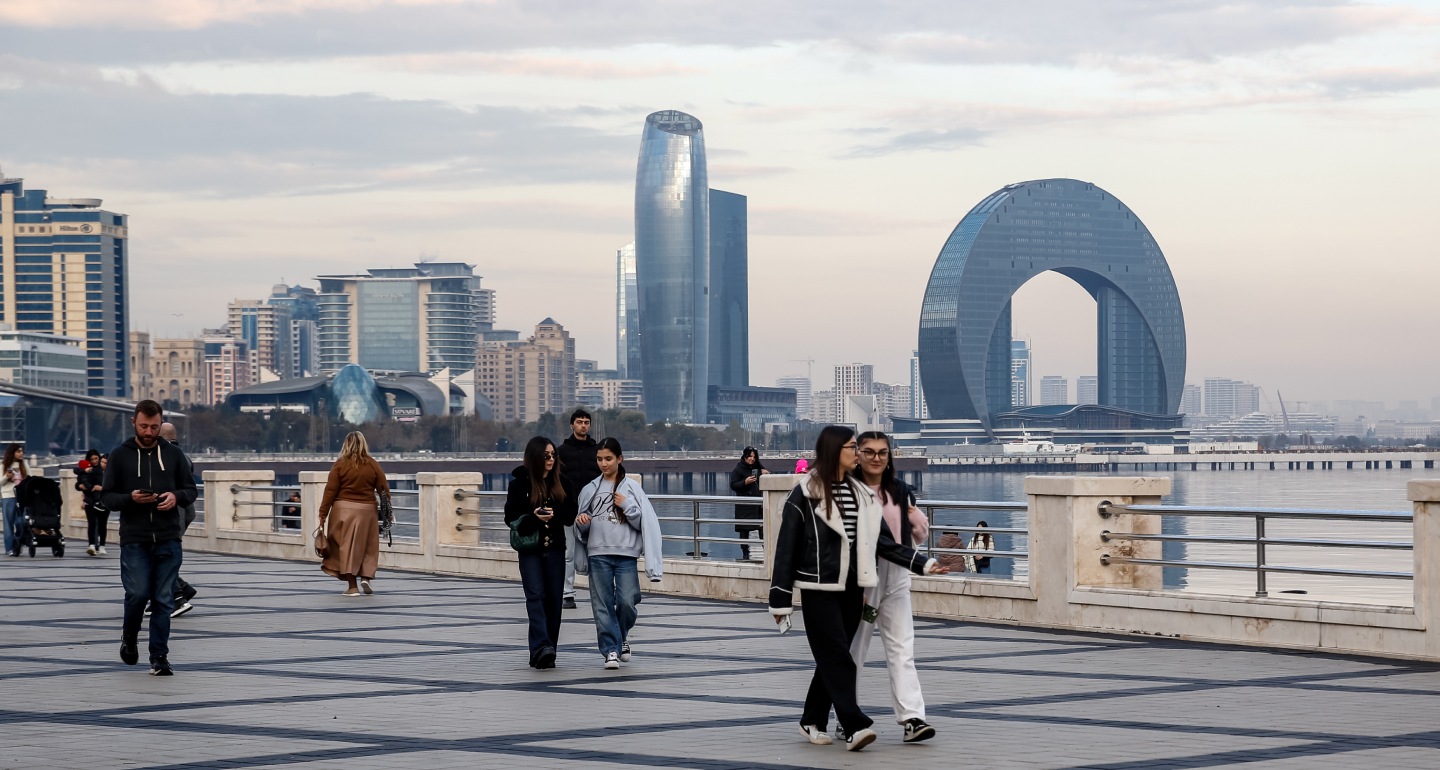
Azerbaijan’s relations with the EU appear to be going from strength to strength after several years in the deep freeze following the military escalation in Karabakh in 2023 and Azerbaijan’s bitter fallout with France and several other EU member states.

Shujaat Ahmadzada
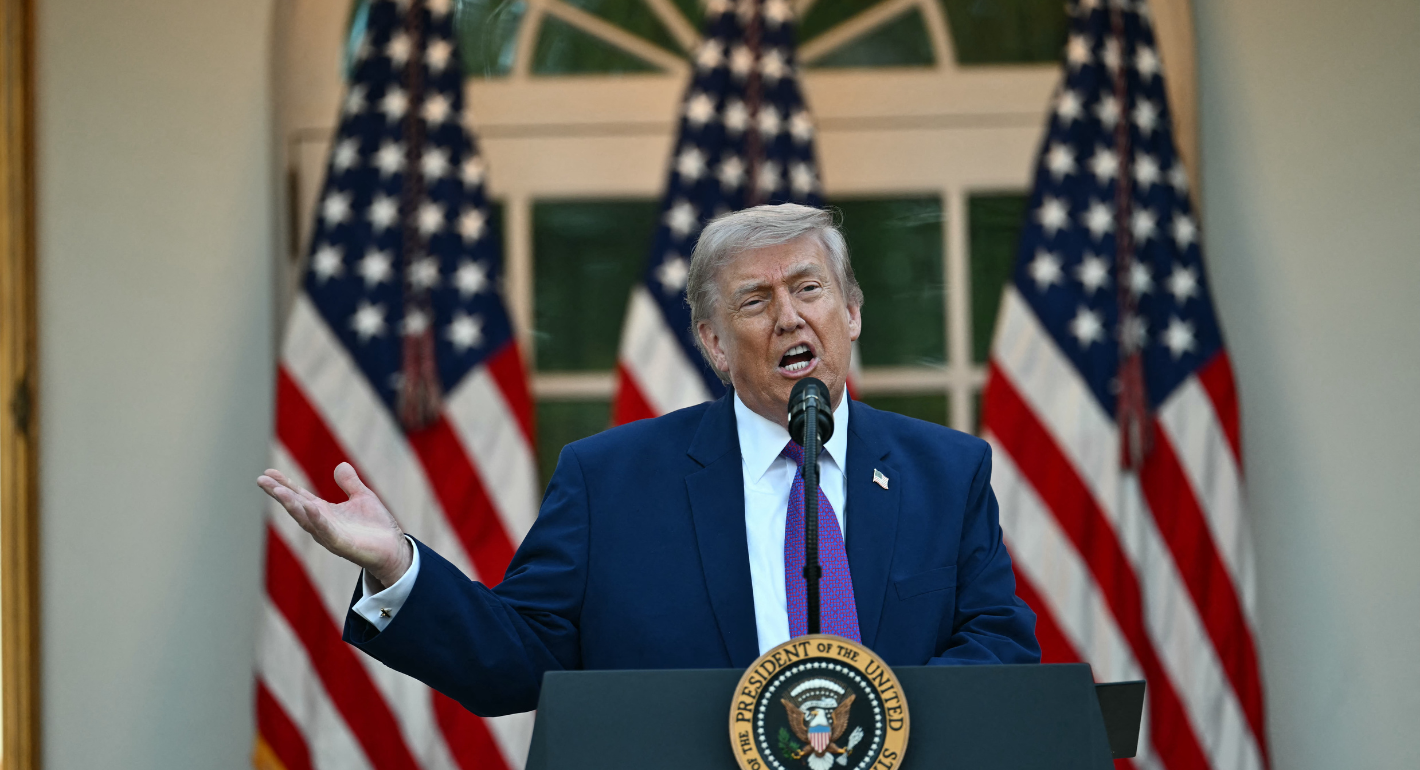
The full list of humiliations Europe has endured since Donald Trump returned to the White House makes for grim reading. But Washington’s adversarial approach to its allies undermines its own power base.

Rym Momtaz

The National Rally’s electoral strength, coupled with its internal fragility at a crucial political juncture, contributes to foreign policy vagueness.

Catherine Fieschi