

Article
C. Raja Mohan, Darshana M. Baruah
{
  "authors": [
    "C. Raja Mohan"
  ],
  "type": "legacyinthemedia",
  "centerAffiliationAll": "dc",
  "centers": [
    "Carnegie Endowment for International Peace",
    "Carnegie India"
  ],
  "collections": [],
  "englishNewsletterAll": "ctw",
  "nonEnglishNewsletterAll": "",
  "primaryCenter": "Carnegie India",
  "programAffiliation": "SAP",
  "programs": [
    "South Asia"
  ],
  "projects": [],
  "regions": [
    "South Asia",
    "India"
  ],
  "topics": [
    "Domestic Politics",
    "Economy",
    "Political Reform"
  ]
}
Source: Getty
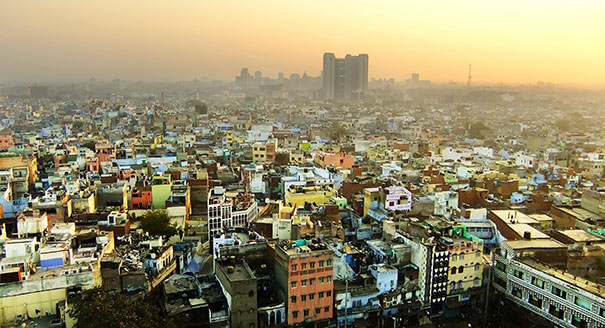
Without a deeper and dynamic three-way engagement between politics, business and science, India might find itself losing ground in the new era of de-globalization and technological transformation.
Source: Indian Express
As Rex Tillerson, until recently the head of one of the world’s largest companies, Exxon Mobil, settles down as America’s secretary of state, one wonders if Delhi might ever appoint a businessman as its top diplomat. Can you imagine Mukesh Ambani running India’s diplomatic business and sitting in the Cabinet Committee on Security? Quite unlikely; for Delhi has long kept Mumbai at arms length from the mechanics of governance.
The unproven but powerful argument in Delhi has been that businessmen would bring their “narrow commercial interests” to national governance that ought to work for “public good”. The Raj was not very different. Great Britain might have been called a “nation of shopkeepers”, but in running the Raj, its civil servants kept the merchants at some distance. In the foreign office, both before and after Independence, political work was more valued than the commercial and consular. The “politicals”, as the officers dealing with geopolitics in and around the Subcontinent came to be known, always had the faster track.
Delhi’s unwelcome attitude was not limited to businessmen. The powerful permanent bureaucracy was wary of allowing any “alien bodies” into the government. Over the decades, the economic ministries did learn to induct a few technocrats, but the security sector — foreign, defence and home ministries — was kept tightly shut to outsiders.
Unlike in Delhi, senior and middle-level slots in the national security establishment were always open to outsiders in Washington. President John F. Kennedy brought Robert McNamara from the Ford Motor Company to head the Pentagon in 1961. Most middle-level officials in Washington’s national security bureaucracy come from the private sector; they serve for a while in the administration and move out of the revolving door.
Despite that tradition, Tillerson has been subjected to some serious questioning on his business connections with Russia. The national security adviser, General John F. Kelly, too has come scrutiny for his contacts with Russian officials. Over the last two centuries, the US has developed a system for letting outside professionals into the middle and senior-levels of bureaucracy. There are rigorous checks on potential conflict of interest for those nominated to man the government posts. Brutally tough screening seeks to eliminate those that might turn potential national security risks.
In India, there indeed were attempts to break the fortress of the security establishment. Delhi sniggered quite a bit when Prime Minister Rajiv Gandhi brought Arun Singh and Arun Nehru from the private sector to run the defence and home ministries respectively. Those were exceptions rather than the rule.
Beyond the question of businessmen joining the government, the real issue is whether Delhi and Mumbai can work together in promoting India’s national interests. In the era of reform that began in the early 1990s, there has been sustained effort to connect diplomacy with business. With the pressure to attract foreign capital and technology and explore markets for Indian goods, there was a new emphasis on economic diplomacy. Embassies were asked to step up commercial work and the business chambers became a visible part of the diplomatic process. CEO forums were set up to strengthen key bilateral relations. Prime Minister Narendra Modi was more direct in demanding that diplomacy serve economic interests of the nation.
Big problems, however, remain. While Beijing continues to stun India by building ports and pipelines all across South Asia and the Indian Ocean, Delhi and Mumbai have struggled to implement infrastructure projects beyond borders. If the Indian business has seemed risk-averse, Delhi seemed unwilling or unable to support them. When the Maldives chose to scrap the airport contract with the GMR in 2012, and handed it over to a Chinese company, Delhi seemed helpless.
Meanwhile there are much bigger challenges — the political backlash in the West against globalisation and the fourth industrial revolution — awaiting Delhi and Mumbai. As the certitudes of global political economy begin to wither under US President Donald Trump’s assault, India must act quickly to cope with the massive disruptions that are likely to unfold. Over the last quarter of a century, both Delhi and Mumbai thought they had the luxury of reacting at their own pace to the imperatives of economic globalisation. This time around, the devil of de-globalisation is bound to consume the hindmost.
As the so-called fourth industrial revolution — involving robotics, artificial intelligence and synthetic biology — promises to upend multiple modern sectors of economic activity, Delhi and Mumbai will also need to act in concert with Bengaluru. Until now, Delhi has relied on a handful of science czars and senior civil servants to devise policies for promoting science, regulating the commercial application of new technologies, and negotiating the terms of international regimes. Mumbai was quite happy to be the last in adapting its business models to technological change.
Today, Delhi and Mumbai look out of touch with the technological revolution, a large part of which is driven by innovators in places like Bengaluru. Without a deeper and dynamic three-way engagement between politics, business and science, India might find itself losing ground in the new era of de-globalisation and technological transformation.
This article was originally published in the Indian Express.
Former Nonresident Senior Fellow, Carnegie India
A leading analyst of India’s foreign policy, Mohan is also an expert on South Asian security, great-power relations in Asia, and arms control.
Recent Work

C. Raja Mohan, Darshana M. Baruah


Alexander Gabuev, Paul Haenle, C. Raja Mohan, …
Carnegie does not take institutional positions on public policy issues; the views represented herein are those of the author(s) and do not necessarily reflect the views of Carnegie, its staff, or its trustees.
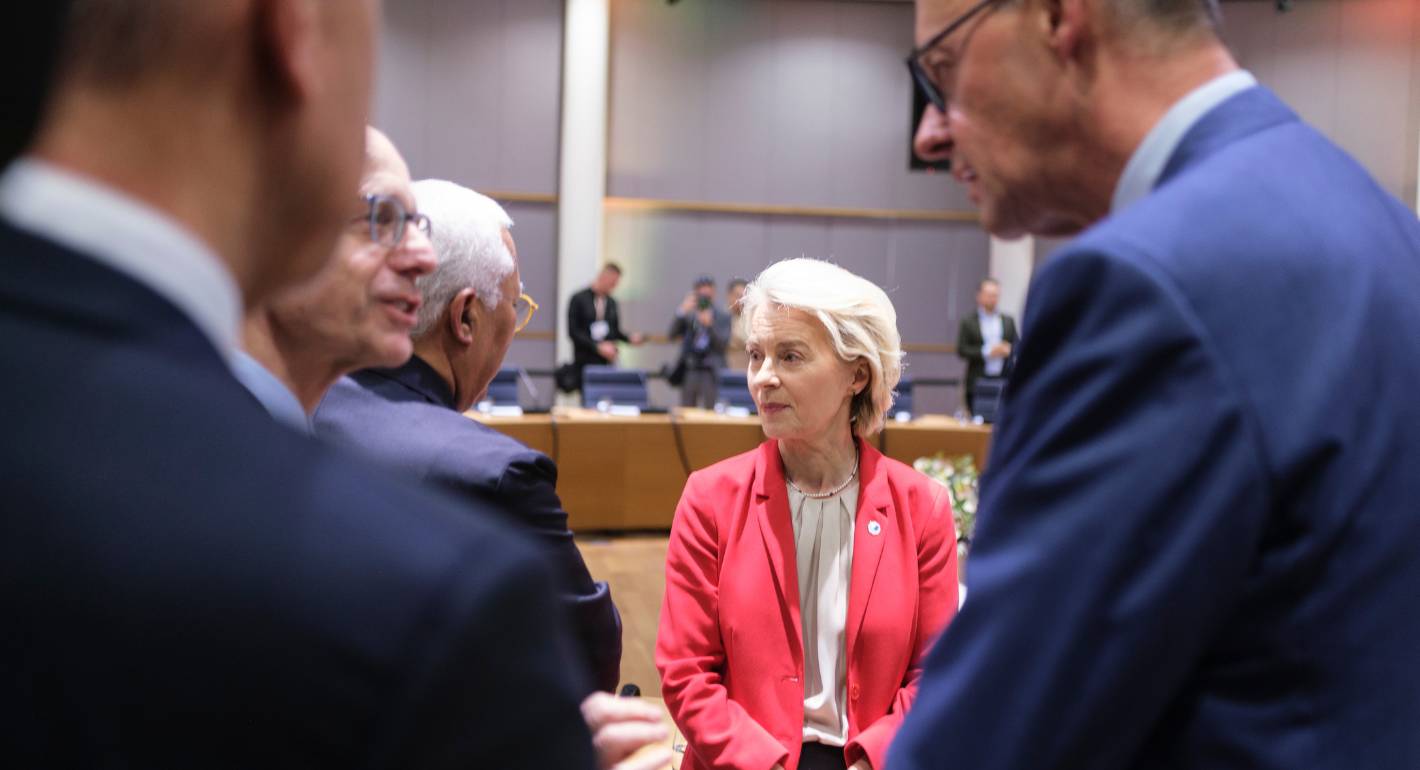
The war in Iran proves the United States is now a destabilizing actor for Europe and the Arab Gulf. From protect their economies and energy supplies to safeguarding their territorial integrity, both regions have much to gain from forming a new kind of partnership together.

Rym Momtaz

The current U.S. indifference to human rights means Astana no longer has any incentive to refuse extradition requests from its authoritarian neighbors—including Russia.

Temur Umarov
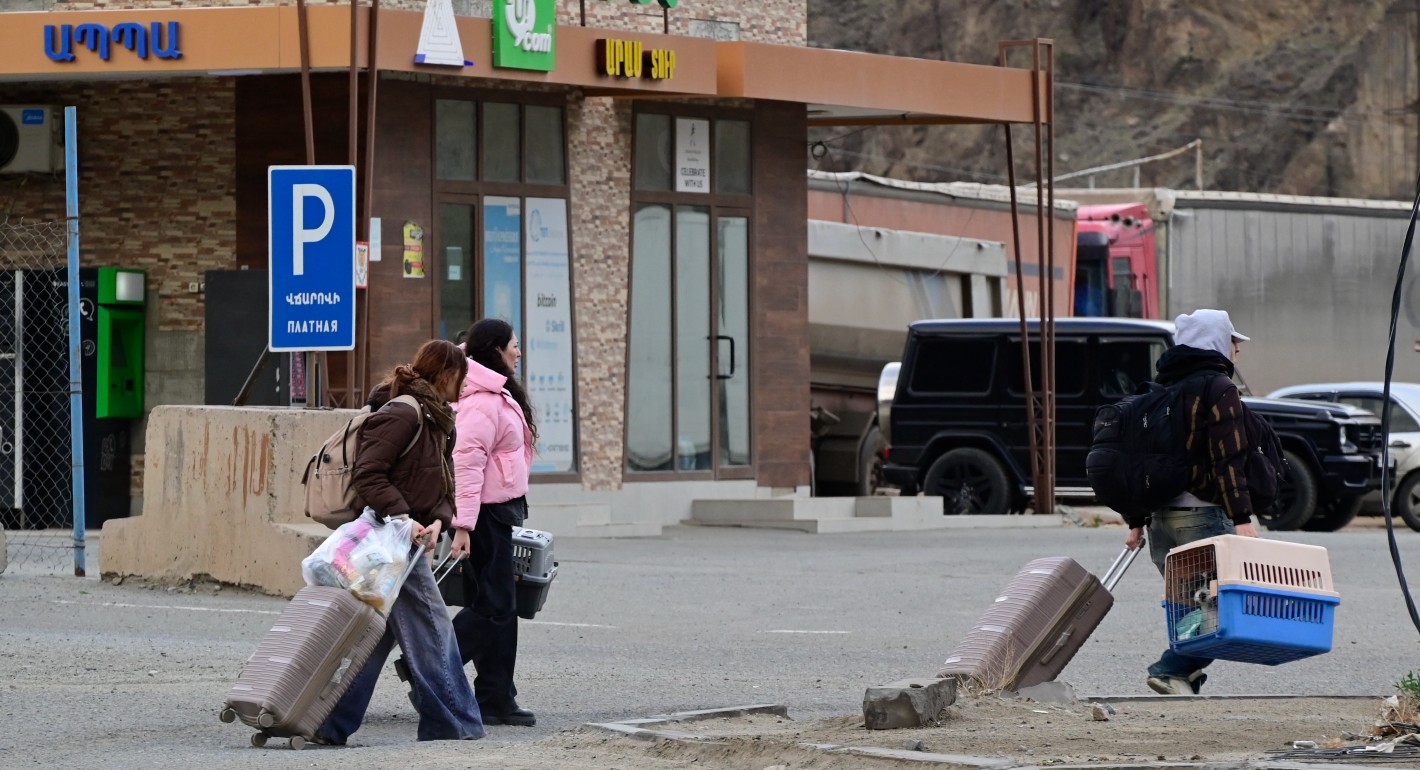
The conflict is threatening stability in Armenia and Azerbaijan.

Zaur Shiriyev
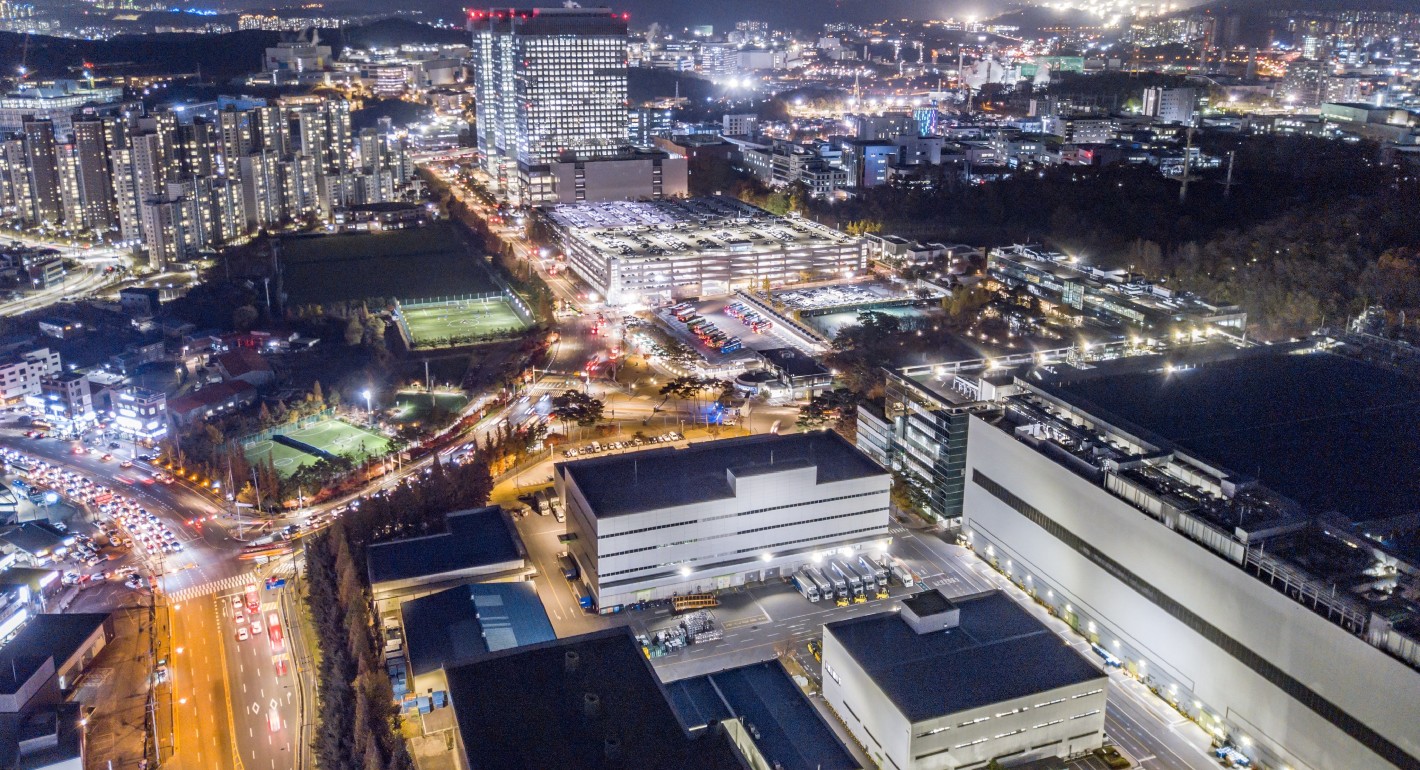
The conflict is exposing the deep energy vulnerabilities of Korea’s chip industry.


Darcie Draudt-Véjares, Tim Sahay
Even if the Iran war stops, restarting production and transport for fertilizers and their components could take weeks—at a crucial moment for planting.

Noah Gordon, Lucy Corthell