

Report
- +2
George Perkovich, Jessica Tuchman Mathews, Joseph Cirincione, …
{
  "authors": [
    "Jon Wolfsthal"
  ],
  "type": "other",
  "centerAffiliationAll": "dc",
  "centers": [
    "Carnegie Endowment for International Peace"
  ],
  "collections": [],
  "englishNewsletterAll": "ctw",
  "nonEnglishNewsletterAll": "",
  "primaryCenter": "Carnegie Endowment for International Peace",
  "programAffiliation": "NPP",
  "programs": [
    "Nuclear Policy"
  ],
  "projects": [],
  "regions": [],
  "topics": [
    "Nuclear Policy",
    "Arms Control"
  ]
}
Source: Getty
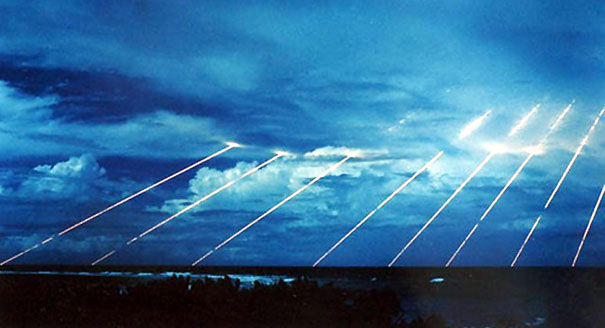
The Trump administration should take time to determine whether ICBMs fit into America’s nuclear deterrent strategy, and to consider options such as reducing or even eliminating them.
Source: Bulletin of the Atomic Scientists
The current plan for US nuclear modernization would replace the nation’s aging Minuteman III missiles with next-generation missiles known as the Ground-Based Strategic Deterrent, at a cost of $100 billion or more. As part of the agreement that resulted in the Senate’s approval of the New Strategic Arms Reduction Treaty nuclear agreement with the Russian Federation, the Obama administration agreed to a nuclear modernization plan that includes retaining and upgrading the nation’s intercontinental ballistic missiles (ICBMs). But from a military standpoint, these missiles are the most vulnerable and least essential components of the US nuclear arsenal. As part of its comprehensive nuclear posture review, the Trump administration should take the time to determine whether ICBMs fit into America’s nuclear deterrent strategy, and to consider options such as reducing or even eliminating them – which could be done with little risk to the overall security of the United States or its allies.

Former Nonresident Scholar, Nuclear Policy Program
Jon Wolfsthal was a nonresident scholar with the Nuclear Policy Program.
Recent Work


George Perkovich, Jessica Tuchman Mathews, Joseph Cirincione, …
Jon Wolfsthal
Carnegie does not take institutional positions on public policy issues; the views represented herein are those of the author(s) and do not necessarily reflect the views of Carnegie, its staff, or its trustees.

China has showcased its engineering prowess with small modular reactor demonstration projects. But turning these technological achievements into commercial success will be a greater challenge.

Tong Zhao

The acknowledgment has sparked fears of a new arms race with China and Russia.

Chris O’Meara

The nuclear relationship between China and the United States is increasingly shaped by widening perception gaps rather than deliberate strategic design.
Tong Zhao

A look at why states without nuclear weapons are seeking naval nuclear propulsion, whether they can legally and technically deliver it, what it will cost them, and what responsible stewardship of the capability would look like.

Jamie Kwong
Congress should ask tough questions about the agreement’s more unique features and whether they advance U.S. interests or compromise them.

Jane Darby Menton