

Paper
Erik Brattberg, Tomáš Valášek
{
  "authors": [
    "Tomáš Valášek"
  ],
  "type": "other",
  "centerAffiliationAll": "dc",
  "centers": [
    "Carnegie Endowment for International Peace",
    "Carnegie Europe"
  ],
  "collections": [
    "Transatlantic Cooperation",
    "European Defense in a New Transatlantic Context"
  ],
  "englishNewsletterAll": "ctw",
  "nonEnglishNewsletterAll": "",
  "primaryCenter": "Carnegie Europe",
  "programAffiliation": "EP",
  "programs": [
    "Europe"
  ],
  "projects": [],
  "regions": [
    "Europe",
    "North America",
    "United States",
    "Western Europe",
    "Iran"
  ],
  "topics": [
    "Foreign Policy",
    "Security"
  ]
}
Source: Getty
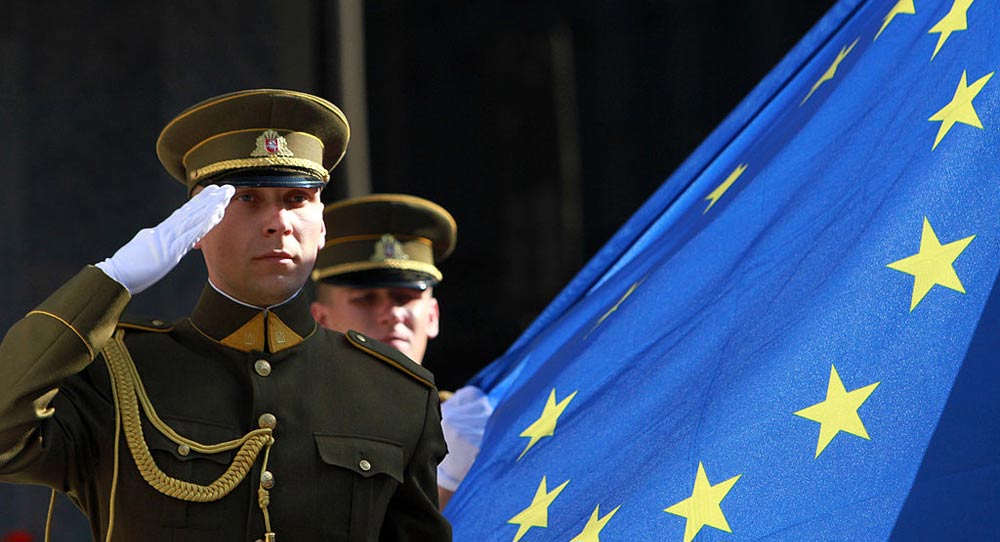
Could the creation of a common defense project help Europe move toward deeper economic integration?
Source: Center for a New American Security
In this podcast, Tomáš Valášek, the director of Carnegie Europe, sits down with Julie Smith, senior fellow and director of the Transatlantic Security Program at the Center for a New American Security, to discuss European defense capabilities and Central Europe’s perception of U.S. President Donald Trump.
This interview was originally aired by the Center for a New American Security.
Former Director, Carnegie Europe
Valášek was director of Carnegie Europe and a senior fellow, where his research focused on security and defense, transatlantic relations, and Europe’s Eastern neighborhood.
Recent Work

Erik Brattberg, Tomáš Valášek
Tomáš Valášek
Carnegie does not take institutional positions on public policy issues; the views represented herein are those of the author(s) and do not necessarily reflect the views of Carnegie, its staff, or its trustees.
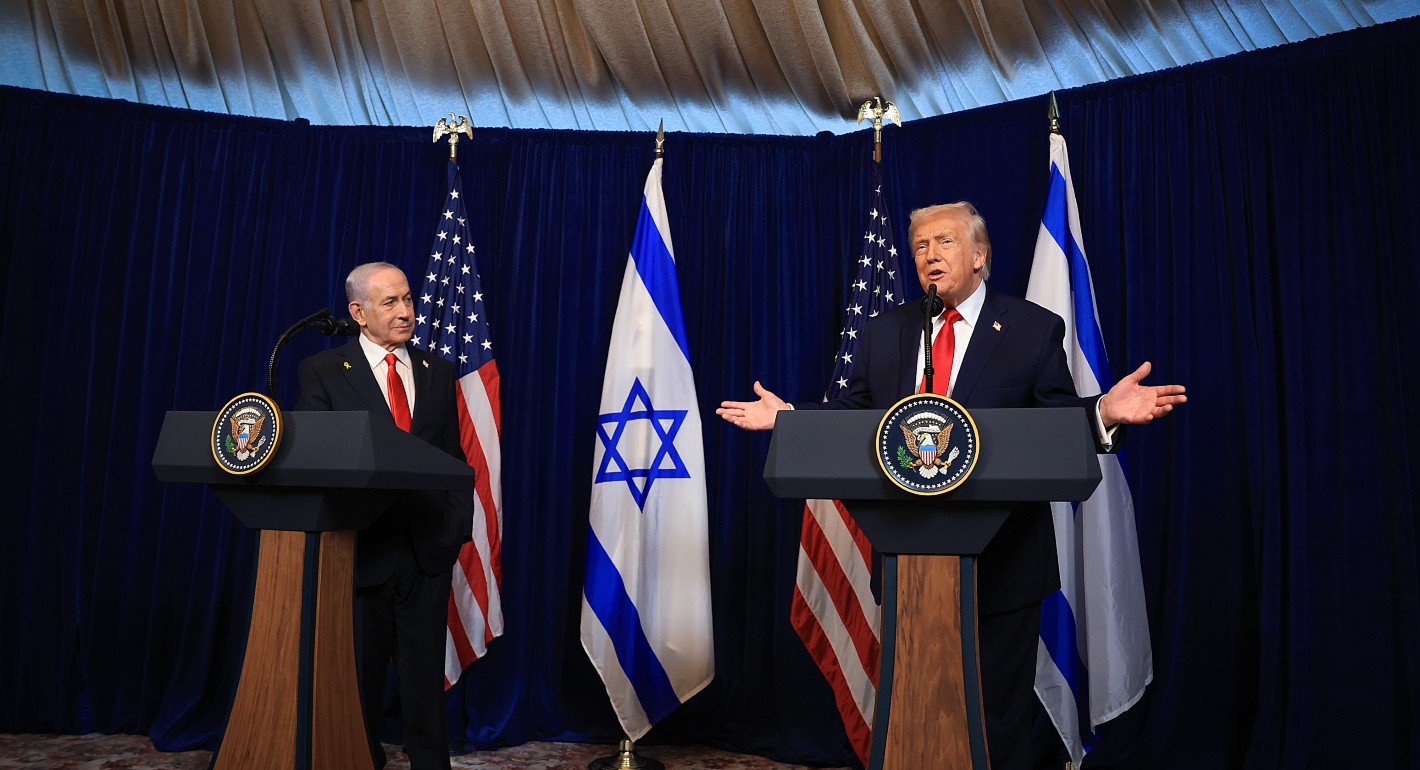
The cracks between Trump and Netanyahu have become more pronounced, particularly over energy and leadership targets.

Eric Lob

The crisis is not just a story of energy vulnerability. It’s also a complex, high-stakes political challenge.

Darcie Draudt-Véjares
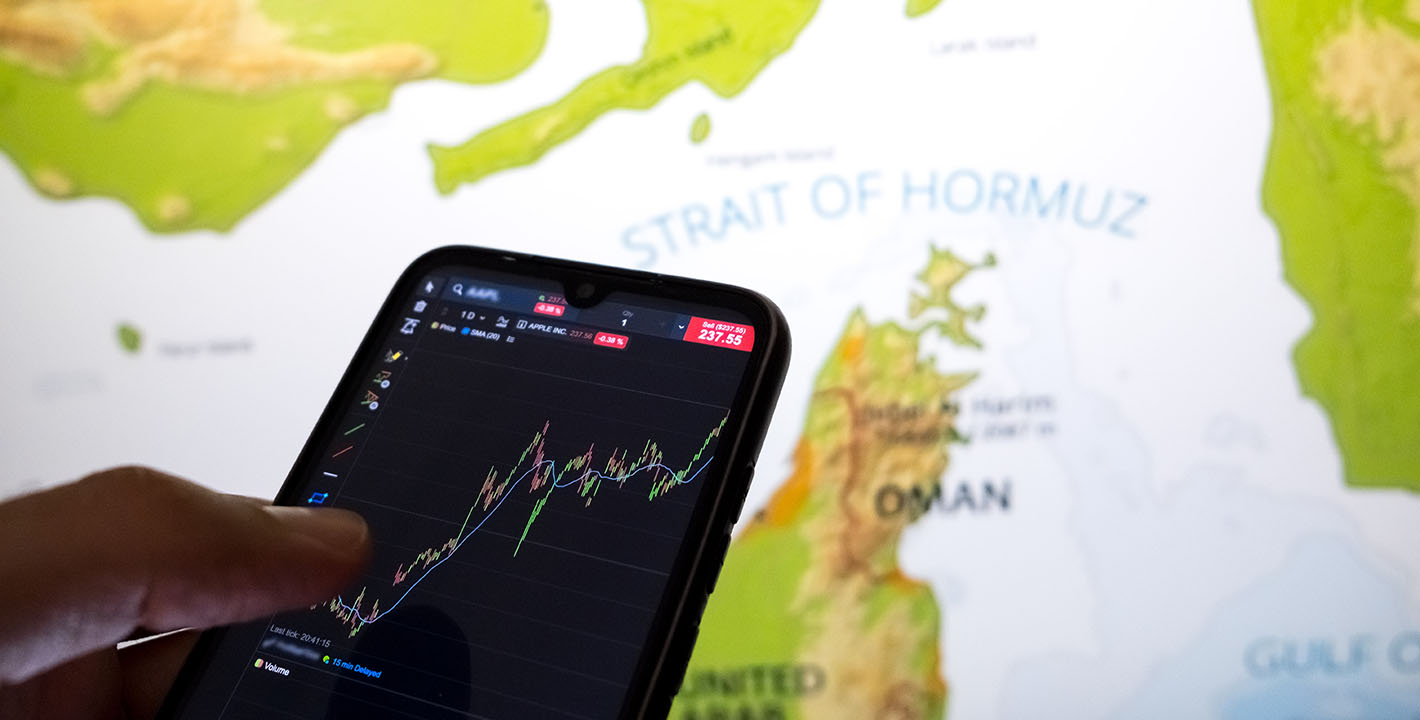
In an interview, Roger Diwan discusses where the global economy may be going in the third week of the U.S.-Israeli war with Iran.

Nur Arafeh
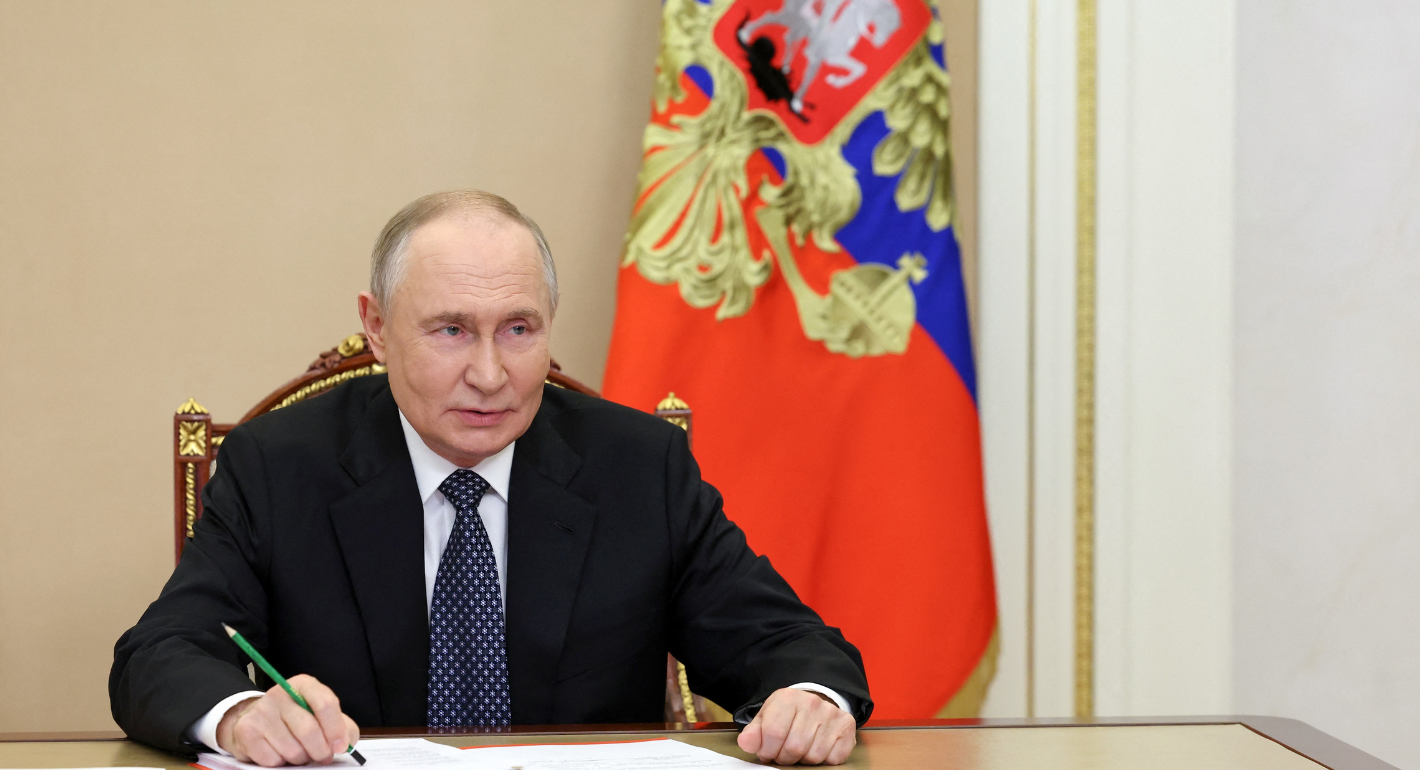
The war in Ukraine is costing Russia its leverage overseas. Across the South Caucasus and Middle East, this presents an opportunity for Europe to pick up the pieces and claim its own sphere of influence.

William Dixon, Maksym Beznosiuk
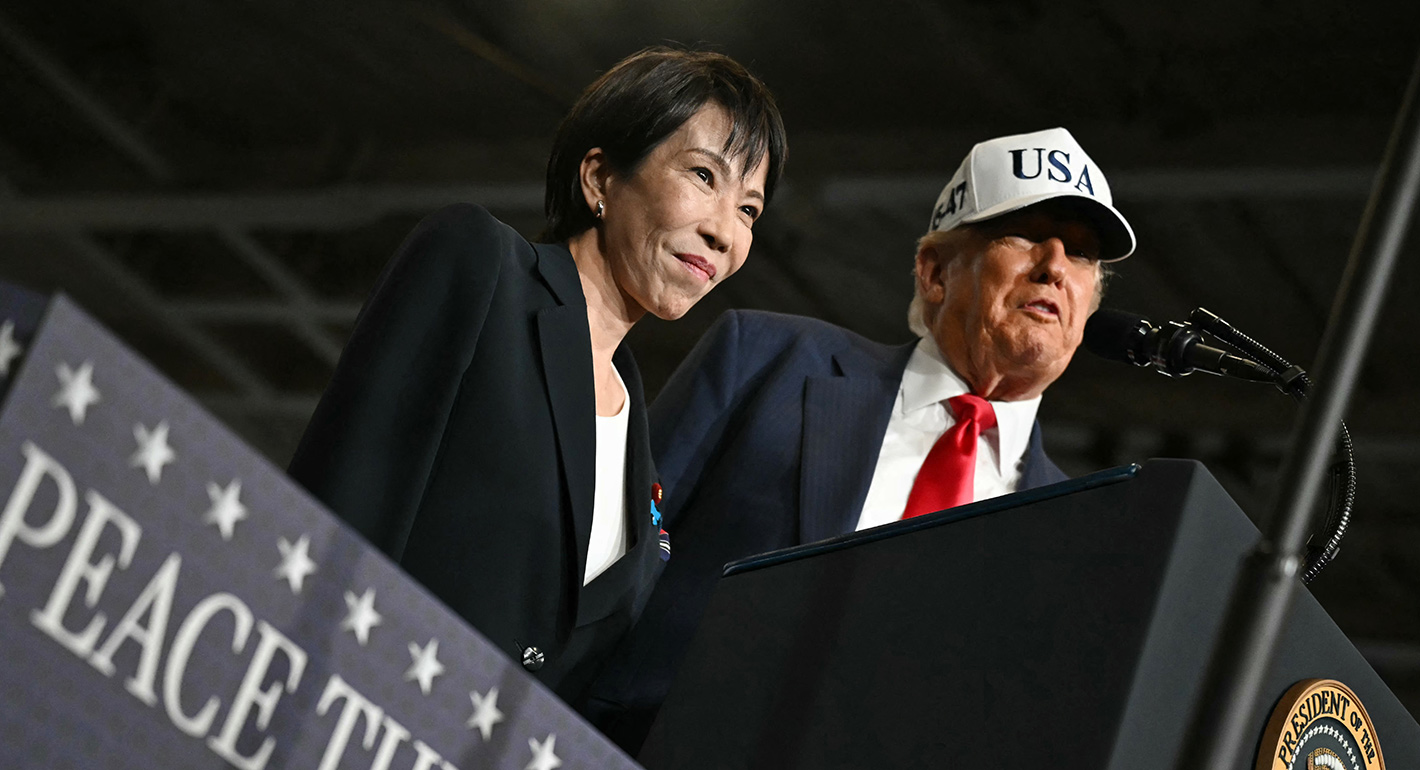
Backed by a new LDP supermajority, Prime Minister Takaichi aspires to revise Japan’s long-standing security doctrine. Ahead of her visit to Washington, she faces fiscal hurdles for her proposed defense spending while needing to navigate President Trump’s request for naval assets to the Strait of Hormuz.
Harukata Takenaka