

Commentary
Even if the Iran war stops, restarting production and transport for fertilizers and their components could take weeks—at a crucial moment for planting.
Noah Gordon, Lucy Corthell
{
  "authors": [
    "Sada Debate"
  ],
  "type": "commentary",
  "centerAffiliationAll": "",
  "centers": [
    "Carnegie Endowment for International Peace"
  ],
  "collections": [],
  "englishNewsletterAll": "",
  "nonEnglishNewsletterAll": "",
  "primaryCenter": "Carnegie Endowment for International Peace",
  "programAffiliation": "",
  "programs": [],
  "projects": [
    "Tunisia Monitor"
  ],
  "regions": [
    "North Africa",
    "Tunisia"
  ],
  "topics": [
    "Political Reform",
    "Democracy",
    "Economy",
    "Security"
  ]
}
Source: Getty
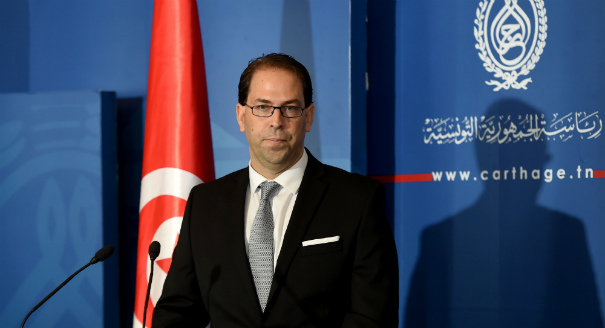
How effective have Youssef Chahed’s policies been at addressing Tunisia’s underlying issues?
In August 2016, Tunisia’s parliament overwhelmingly approved Youssef Chahed as head of government, after a month of negotiations to form a unity government that many hoped would be more effective in implementing reforms than its internally divided predecessor. Chahed promised to prioritize fighting terrorism, boosting economic growth, and fighting corruption, among other issues. Nearly a year later, his government has made headlines for its progress on these fronts, but it still faces significant challenges.
Four experts take a look at the policies of the past year and examine how effective they have been at addressing underlying issues.
Please join the conversation by adding your thoughts in the comments section.
Sada Debate
Carnegie does not take institutional positions on public policy issues; the views represented herein are those of the author(s) and do not necessarily reflect the views of Carnegie, its staff, or its trustees.
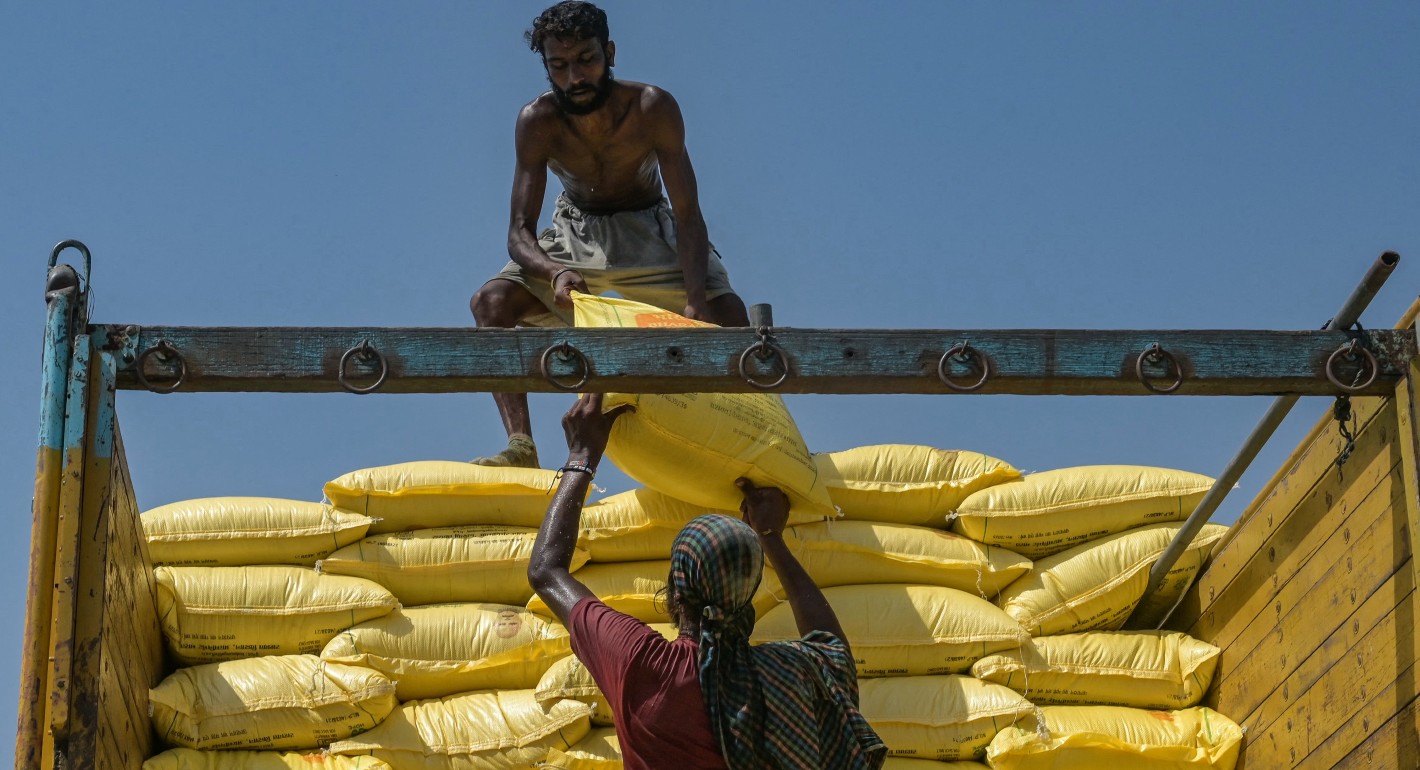
Even if the Iran war stops, restarting production and transport for fertilizers and their components could take weeks—at a crucial moment for planting.

Noah Gordon, Lucy Corthell

French President Emmanuel Macron has unveiled his country’s new nuclear doctrine. Are the changes he has made enough to reassure France’s European partners in the current geopolitical context?

Rym Momtaz, ed.
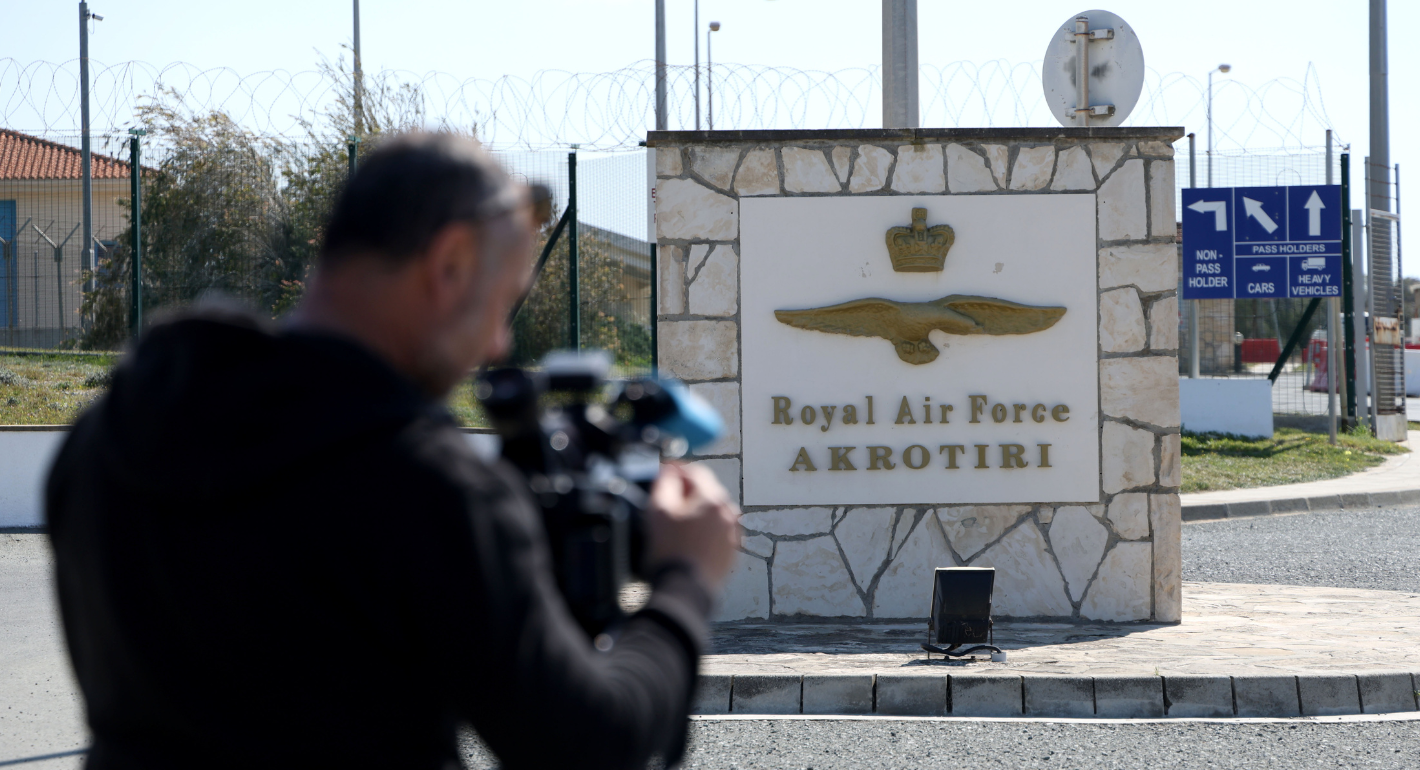
The drone strike on the British air base in Akrotiri brings Europe’s proximity to the conflict in Iran into sharp relief. In the fog of war, old tensions in the Eastern Mediterranean risk being reignited, and regional stakeholders must avoid escalation.

Marc Pierini
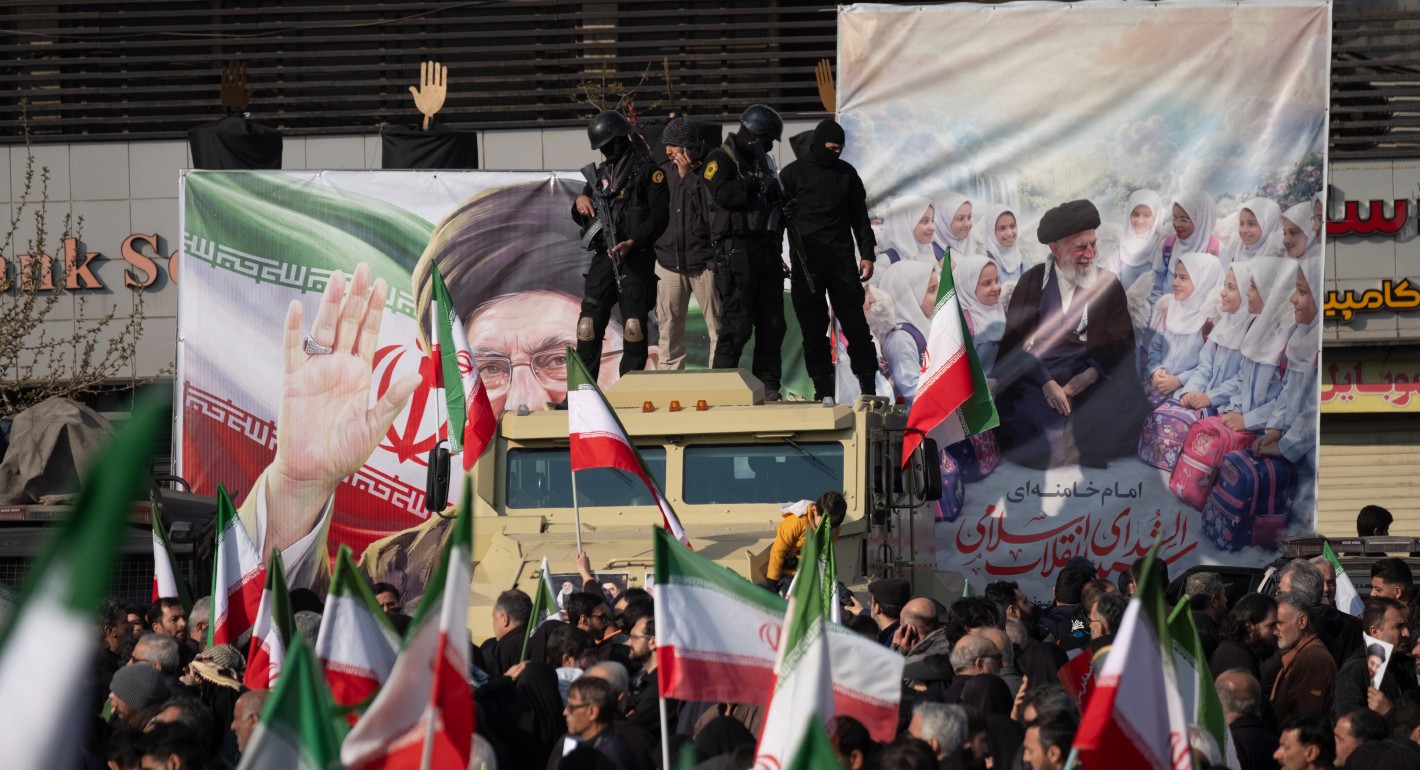
The recent record of citizen uprisings in autocracies spells caution for the hope that a new wave of Iranian protests may break the regime’s hold on power.


Thomas Carothers, McKenzie Carrier
European reactions to the war in Iran have lost sight of wider political dynamics. The EU must position itself for the next phase of the crisis without giving up on its principles.

Richard Youngs