

Report
- +8
Salman Ahmed, Wendy Cutler, Rozlyn C. Engel, …
{
  "authors": [
    "Jake Sullivan"
  ],
  "type": "legacyinthemedia",
  "centerAffiliationAll": "dc",
  "centers": [
    "Carnegie Endowment for International Peace",
    "Carnegie China",
    "Malcolm H. Kerr Carnegie Middle East Center"
  ],
  "collections": [],
  "englishNewsletterAll": "americanStatecraft",
  "nonEnglishNewsletterAll": "",
  "primaryCenter": "Carnegie Endowment for International Peace",
  "programAffiliation": "ASP",
  "programs": [
    "American Statecraft"
  ],
  "projects": [],
  "regions": [
    "Middle East",
    "Iran",
    "East Asia",
    "North Korea"
  ],
  "topics": [
    "Political Reform",
    "Security",
    "Military",
    "Nuclear Policy",
    "Global Governance"
  ]
}
Source: Getty
Increased tensions between the United States and Iran over the last couple days, along with U.S. President Donald Trump’s calls to end the Iran Nuclear Deal, could put Iran on the same path as North Korea as an imminent threat potentially needing military consideration.
Source: CBS This Morning
Speaking on CBS This Morning, Carnegie’s Jake Sullivan discussed the risks of a military conflict with North Korea and warned not to overlook the likelihood ofconflict with Iran. Increased tensions between the United States and Iran over the last couple days, along with U.S. President Donald Trump’s calls to end the Iran Nuclear Deal, could put Iran on the same path as North Korea as an imminent threat potentially needing military consideration. He also looked at the role for China in negotiating the suspension of North Korea’s nuclear program and the incentives China could offer Pyongyang to end the conflict. Sullivan concluded that China ca take on the role of paying monetary payments to North Korea, previously taken upon by the US, in order to reduce tensions and risks of war.
This interview was originally broadcast by CBS This Morning.
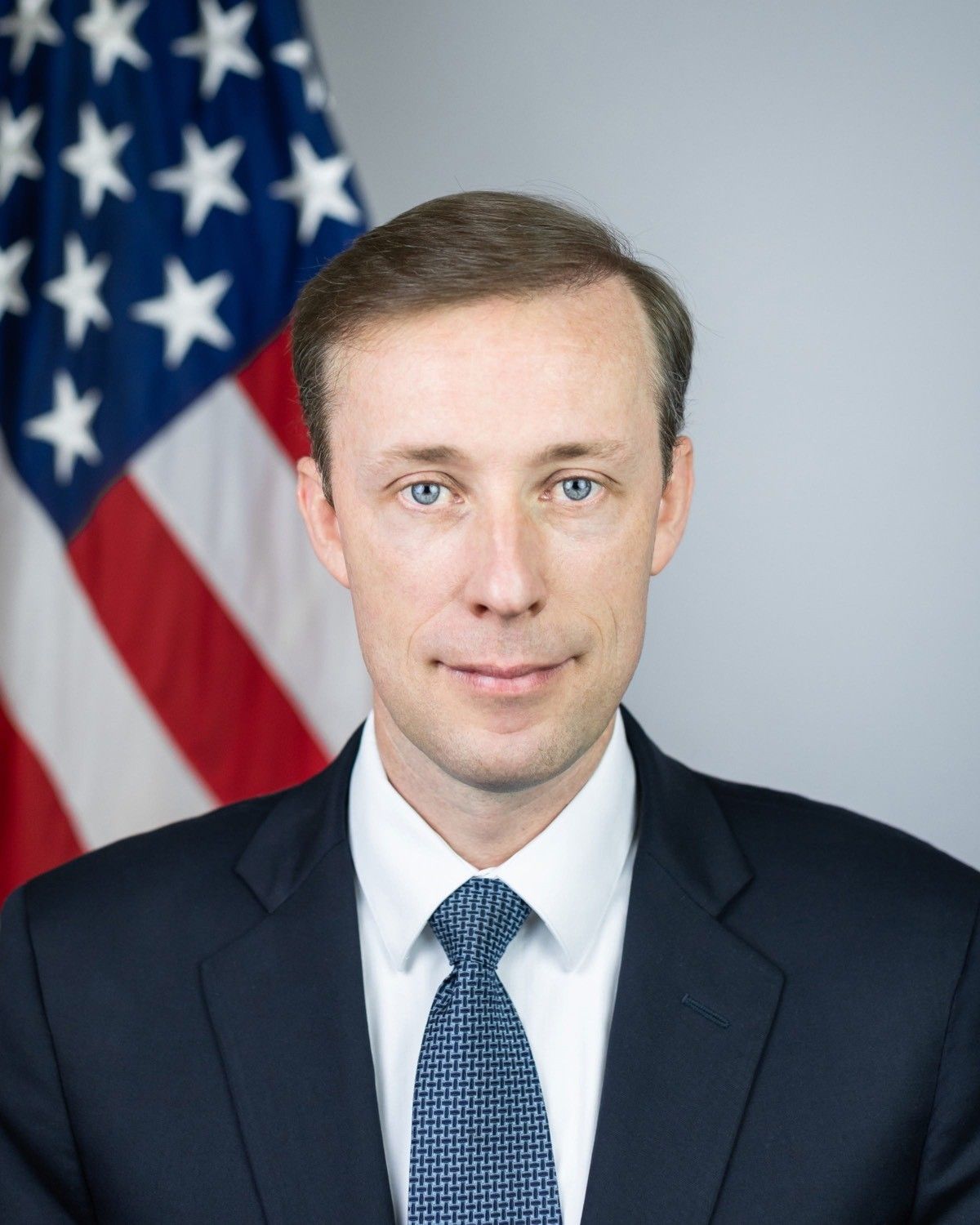
Former U.S. National Security Advisor to Former President Joe Biden
Jake Sullivan, a senior fellow at the University of New Hampshire's Carsey School of Public Policy, served as the United States national security advisor to former President Joe Biden from 2021 to 2025. Sullivan previously served as deputy assistant to former President Barack Obama, national security advisor to former Vice President Biden, director of policy planning in the State Department, and as deputy chief of staff to former U.S. Secretary of State Hillary Clinton.
Recent Work
Salman Ahmed, Wendy Cutler, Rozlyn C. Engel, …
Salman Ahmed, Allison Gelman, Tarik Abdel-Monem, …
Carnegie does not take institutional positions on public policy issues; the views represented herein are those of the author(s) and do not necessarily reflect the views of Carnegie, its staff, or its trustees.

As the U.S. stumbles in its war with Iran, we are likely to see an acceleration of its disengagement from the region.

Michael Young
Why governance of rapidly evolving technology will be distributed and complex.


Stewart Patrick, Scott Singer

If the Russian-speaking community in Latvia cannot articulate their interests without being seen as disloyal, they could end up embracing a pro-Kremlin agenda.

Sergejs Potapkins

Washington’s decision to support some UN functions while letting others wither is pulling the organization apart at the seams.
Stewart Patrick, Theodore Zaritsky

Are Germany’s economic, industrial, and political struggles becoming a liability for the EU’s ability to rise to the geopolitical moment?

Rym Momtaz, ed.