

Article
Carole Nakhle
{
  "authors": [
    "Carole Nakhle"
  ],
  "type": "legacyinthemedia",
  "centerAffiliationAll": "dc",
  "centers": [
    "Carnegie Endowment for International Peace",
    "Malcolm H. Kerr Carnegie Middle East Center"
  ],
  "collections": [],
  "englishNewsletterAll": "menaTransitions",
  "nonEnglishNewsletterAll": "",
  "primaryCenter": "Malcolm H. Kerr Carnegie Middle East Center",
  "programAffiliation": "MEP",
  "programs": [
    "Middle East"
  ],
  "projects": [
    "Carnegie Oil Initiative"
  ],
  "regions": [
    "Gulf",
    "Middle East"
  ],
  "topics": [
    "Economy",
    "Climate Change"
  ]
}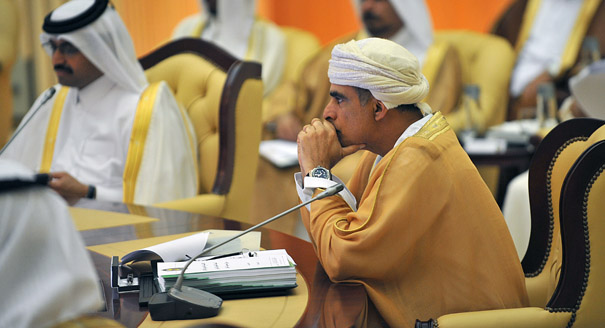
Source: Getty
Oman recently became the first Middle Eastern country to join the very small club of unconventional oil and gas producers, currently led by the United States.
Source: Geopolitical Intelligence Services
In the global landscape of oil and gas markets, the Sultanate of Oman is dwarfed by its Middle Eastern neighbors. This is hardly surprising given that its proven oil and gas reserves are a tiny fraction of those of its peers. With a long-standing investment-friendly policy, however, the sultanate has been successful in deploying the latest technology not only to reverse its oil production decline, but also to reach record levels and tap unconventional resources trapped in some of the most complex and deepest geological formations known in the industry.
Oman has been a global leader in the application of Enhanced Oil Recovery, or EOR (also called tertiary recovery) technology. One of Petroleum Development Oman’s oil fields, the Qarn Alam, is the world’s first full-field steam injection EOR project and also the largest of its kind.Oman recently became the first Middle Eastern country to join the very small club of unconventional oil and gas producers, currently led by the United States. In September 2017, production started at its $16 billion Khazzan tight gas field, the largest-scale unconventional gas project in the Middle East.
The full article, originally published by Geopolitical Intelligence Services, is available here.
Former Nonresident Scholar, Middle East Center
Nakhle was a nonresident scholar at Carnegie Middle East Center, specializing in international petroleum contracts and fiscal regimes for the oil and gas industry, world oil and gas market developments, energy policy, and oil and gas revenue management.
Recent Work
Carole Nakhle
Carole Nakhle
Carnegie does not take institutional positions on public policy issues; the views represented herein are those of the author(s) and do not necessarily reflect the views of Carnegie, its staff, or its trustees.
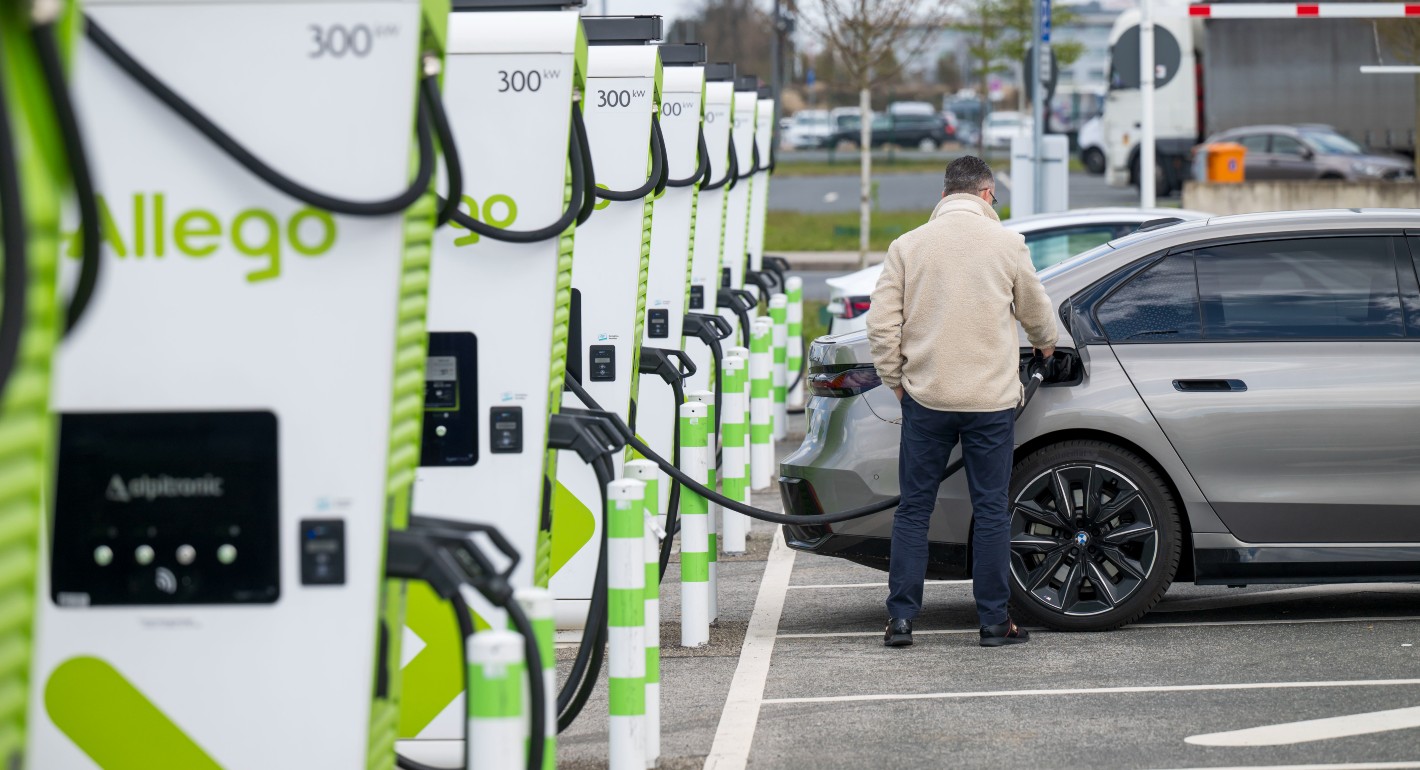
As the Iran war shocks oil prices, countries that have invested in renewables, EVs, and battery development since the 2022 Russian invasion of Ukraine are seeing the value of their investments.
Noah Gordon
Neither the Abraham Accords nor the presence of large U.S. bases are enough to protect Arab Gulf states.

Marwan Muasher
Not only does the fighting jeopardize regional security, it undermines Russian attempts to promote alternatives to the Western-dominated world order.
Ruslan Suleymanov
The U.S.-sponsored TRIPP deal is driving the Armenia-Azerbaijan peace process forward. But foreign and domestic hurdles remain before connectivity and economic interdependence can open up the South Caucasus.

Thomas de Waal, Areg Kochinyan, Zaur Shiriyev
Assessing U.S. compliance with the international laws of war is essential at a time when these frameworks are already fraying.
Federica D’Alessandra