

Commentary
Ongoing uncertainty in the Middle East allows Moscow to both increase its influence in Tehran and continue to enjoy the financial windfall of higher oil prices.
Nikita Smagin
{
  "authors": [
    "Richard Sokolsky",
    "Aaron David Miller"
  ],
  "type": "legacyinthemedia",
  "centerAffiliationAll": "",
  "centers": [
    "Carnegie Endowment for International Peace"
  ],
  "collections": [],
  "englishNewsletterAll": "",
  "nonEnglishNewsletterAll": "",
  "primaryCenter": "Carnegie Endowment for International Peace",
  "programAffiliation": "",
  "programs": [],
  "projects": [],
  "regions": [
    "North America",
    "United States"
  ],
  "topics": [
    "Political Reform",
    "Foreign Policy"
  ]
}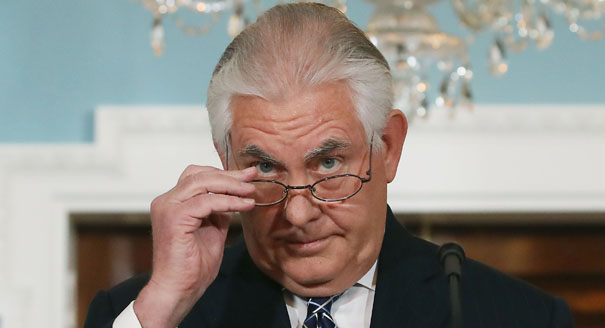
Source: Getty
By focusing on reform that turned unpopular quickly, keeping far too low a public profile, and tolerating others members of the administration expounding on foreign policy, Tillerson reduced his own prestige and relevance.
Source: CNN
Today, multiple news outlets reported that according to administration sources a tentative plan for a double switch was in the works: CIA Director Mike Pompeo would replace Rex Tillerson at the State Department and Sen. Tom Cotton would replace Pompeo at CIA.
Meanwhile, the White House insists that it's business as usual and there's no immediate plan to replace Secretary Tillerson.
Either this was serious miscommunication (dare we say fake news?) or a mighty strong signal by the administration to Tillerson that there's no longer room for him at the inn.
The logic of the latter would be this: Like Attorney General Sessions, Trump won't fire Tillerson; instead he wants an immaculate resignation. With a source now telling CNN that this was an elaborate public shaming of Tillerson, it's also safe to say that the White House is behaving shamefully. Whatever the President thinks of Tillerson, he doesn't deserve to be treated this way.
We can't predict if/when the sad saga of Rex Tillerson's tenure as secretary of state is coming to an end. But we can weigh in on the impact, should the double switch become reality
Tillerson was from the beginning a decent man caught in an impossible situation. But he played a bad hand badly. Sure, the President never empowered him to do his job. Trump's twitter tantrums undercut Tillerson's diplomacy on many occasions; he gave large chunks of traditional foreign policy turf to White House underlings and demanded large cuts in the State Department's budget and personnel; and he left a trail of embarrassing foreign policy pronouncements in his wake that Tillerson (and others) had to clean up.
But in focusing on reform that turned unpopular quickly; keeping far too low a public profile and tolerating others like Nikki Haley expounding on foreign policy, Tillerson reduced his own prestige and relevance.
Pompeo is closer to the President personally and on matters of policy. But it's far from clear that he will have any more success navigating the fraught line between a between a cruel and unforgiving world of unresolvable problems on one hand and a President with little regard for diplomacy or the State Department and no coherent process of formulating US foreign policy on the other hand.
Here are some quick takeaways to keep in mind, should Pompeo take over Tillerson's post.
There's little doubt that most of the broken crockery that undermined the Trump-Tillerson relationship will disappear should Pompeo actually replace Tillerson at State. Trump loves military men and admires big success even more. He often introduces Pompeo as a guy who graduated at the top of his class at West Point and attended Harvard Law School.
Being well-liked and respected by a President is rule number one for any successful secretary of state, and given the premium this President seems to put on loyalty, Pompeo checks that box, too. He's rarely disagreed with the President publicly and was quick to defend his statements in the wake of Charlottesville.
Pompeo has taken a different view on Russian meddling in US elections than Trump. But, given the evidence, who hasn't? And it's inconceivable given the CIA role in monitoring these matters, that Pompeo could have adopted any other view. Bottom line: there are likely to be few head-exploding moments with the President openly contradicting his secretary of state if Pompeo is in charge.
Pompeo may also have a smoother relationship with Trump because they are more in sync on many policy issues. Both have taken hard line positions on the Iran nuclear agreement, jihadi terror, immigration and travel bans. Add the possibility that Cotton -- a fellow hardliner on Iran -- will go to CIA in Pompeo's job and you'll have a solid wall of opposition within the administration to sticking with the Iran deal.
That would leave Secretary of Defense Mattis -- a relative pragmatist on the Iran deal -- more isolated. The same is true for North Korea, where Pompeo and Trump have expressed skepticism of any diplomatic option and have pushed for more pressure on Kim Jung Un.
With the addition of Cotton, there will be a drastic reduction to any diplomatic counterweight to the President's hawkishness.
With his congressional tea party background, Pompeo likely shares Tillerson's and Trump's penchant to cut State's budget and personnel. Given Tillerson's travails in deconstructing the State Department, Pompeo isn't likely to make reform his central issue. But Pompeo also knows where the President's head seems to be when it comes to State -- immortalized in his comment that he's the only person who matters.
How eager he will be to champion the department on budgetary issues or to fight for a more central role for State in the formation of US foreign policy is far from clear.
If he's smart, given the challenges he's facing abroad, he will seek to mobilize the department's expertise, rather than treat it with disdain. Indeed, at CIA he worked hard to reduce friction with the White House --and maybe he can do the same at State.
To be a successful secretary of state you need three qualities: the support of the president; good negotiating skills and a world that offers up some opportunity for success. Pompeo has the first; we don't know about the second. But it's fairly clear that he faces long odds in the third category.
The US confronts an international environment that doesn't offer up quick and easy solutions on some issues. (See North Korea.) It doesn't matter how brilliant or plugged in you are as secretary of state; unless there are deals that can actually be made, you have very little chance of being truly consequential.
Managing and containing Putin, fixing Syria, combatting jihadi terror and stopping North Korean nukes are the long odds issues that will frame Pompeo's world. Pompeo may be closer to Trump than Tillerson. But he would still be dealing with an unpredictable, uncontrollable and idiosyncratic President who does what he wants when he wants and doesn't have much regard or respect for the diplomatic mission of the department Pompeo will be running.
Having spent decades at the State Department, we know how hard it is to get anything done. We wished Tillerson good luck when he started and for the good of the republic we wish Pompeo the same. He's going to need it.
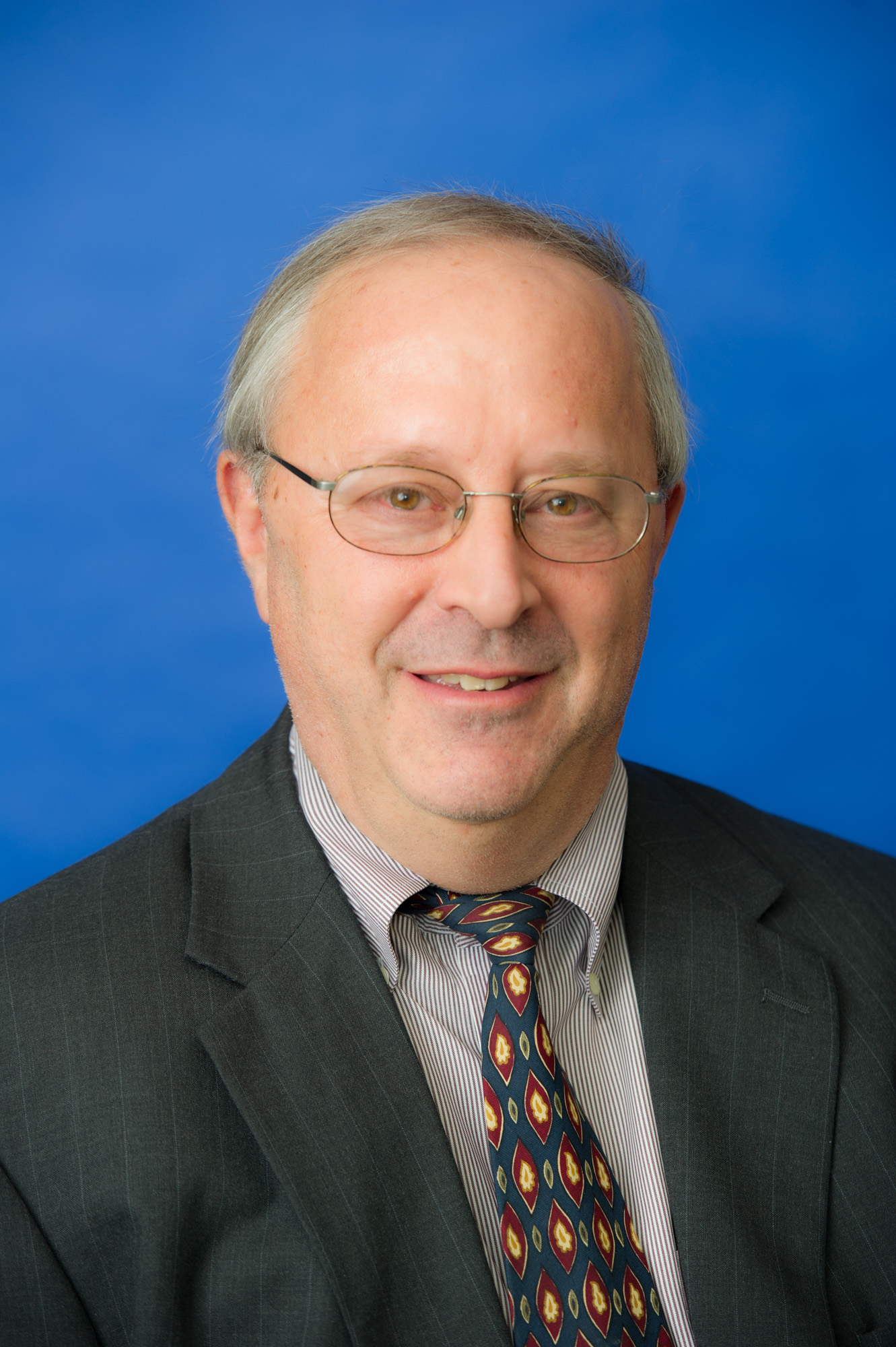
Nonresident Senior Fellow, Russia and Eurasia Program
Richard Sokolsky is a nonresident senior fellow in Carnegie’s Russia and Eurasia Program. His work focuses on U.S. policy toward Russia in the wake of the Ukraine crisis.

Senior Fellow, American Statecraft Program
Aaron David Miller is a senior fellow at the Carnegie Endowment for International Peace, focusing on U.S. foreign policy.
Carnegie does not take institutional positions on public policy issues; the views represented herein are those of the author(s) and do not necessarily reflect the views of Carnegie, its staff, or its trustees.

Ongoing uncertainty in the Middle East allows Moscow to both increase its influence in Tehran and continue to enjoy the financial windfall of higher oil prices.

Nikita Smagin
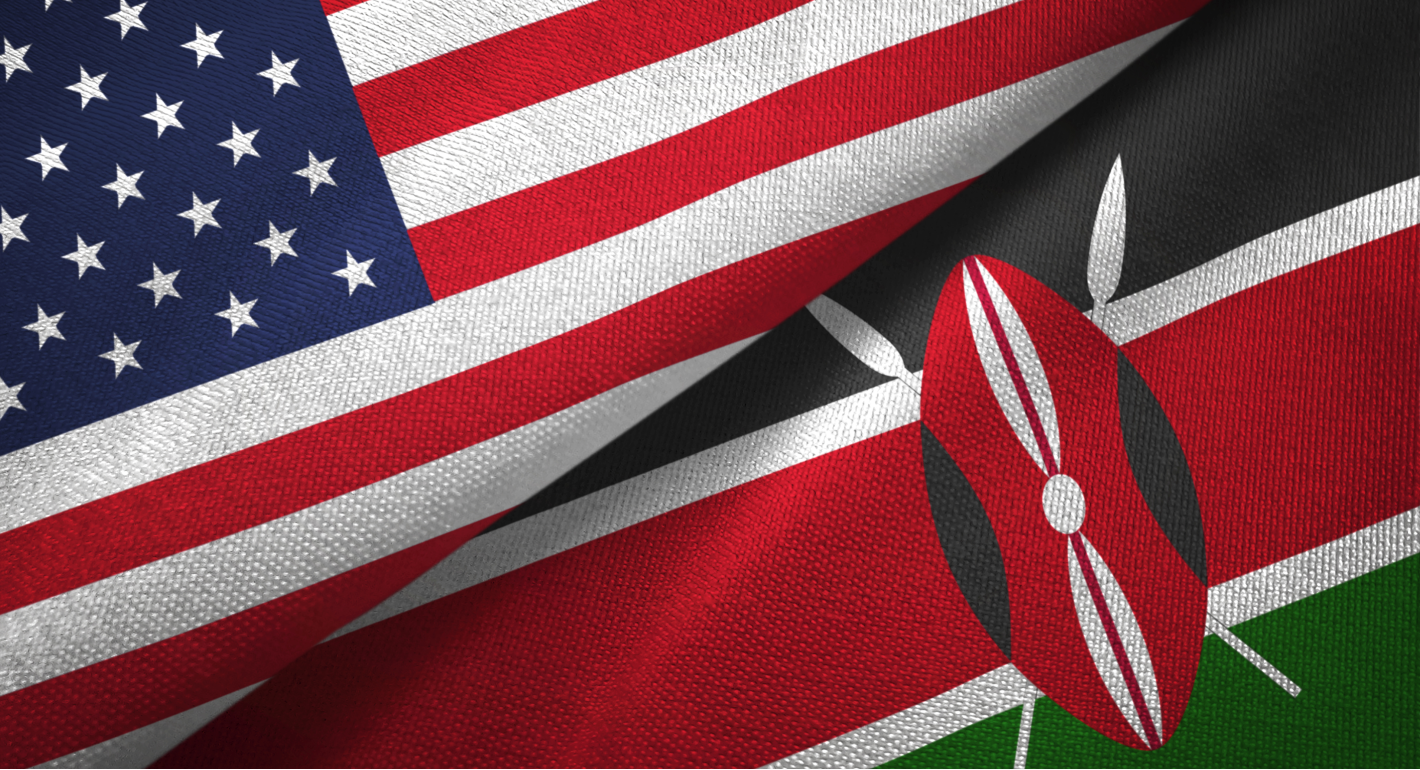
To carry out its global AI agenda, Washington will need strategic relationships with emerging markets in Africa, starting with Kenya.
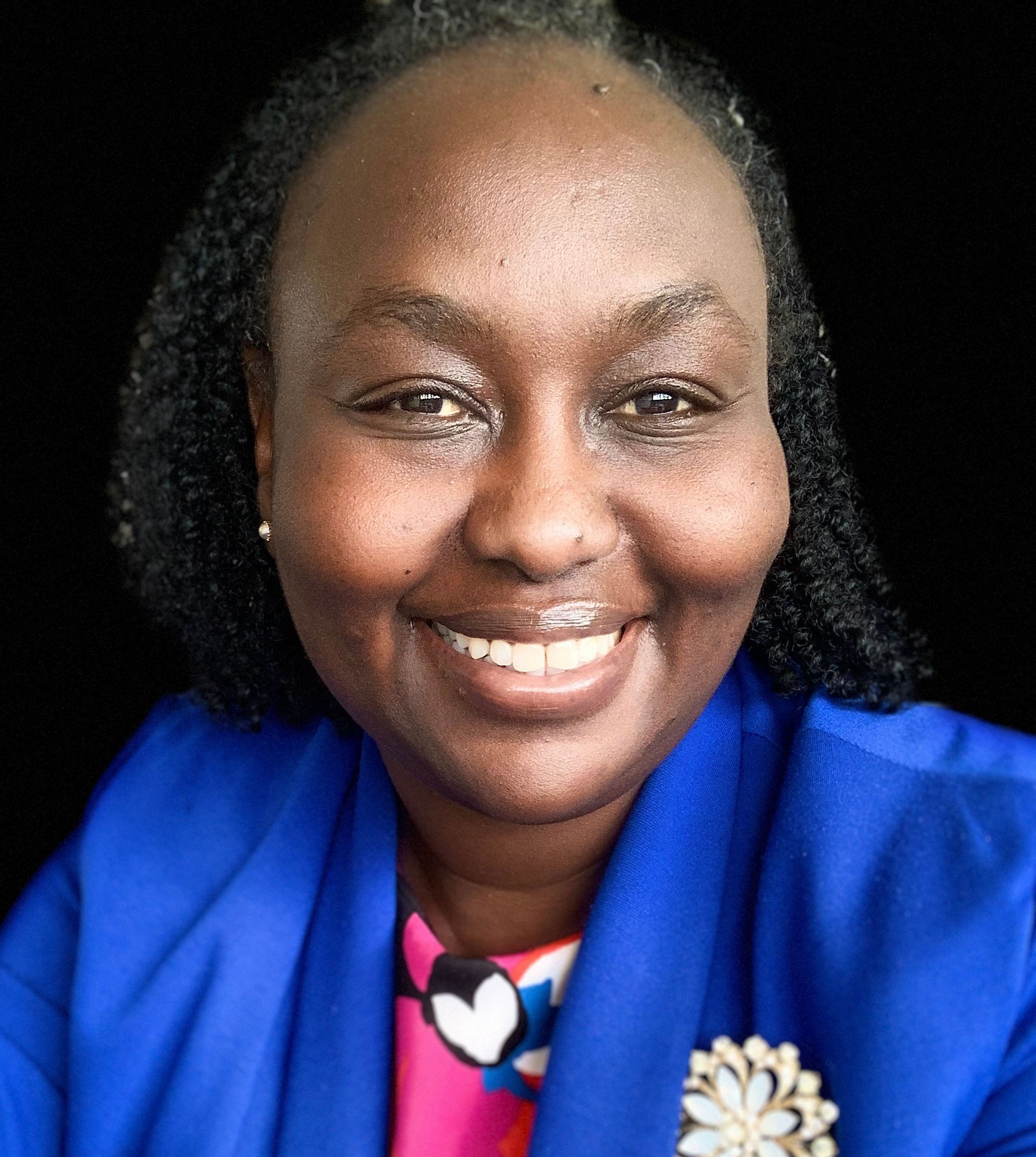
Jane Munga
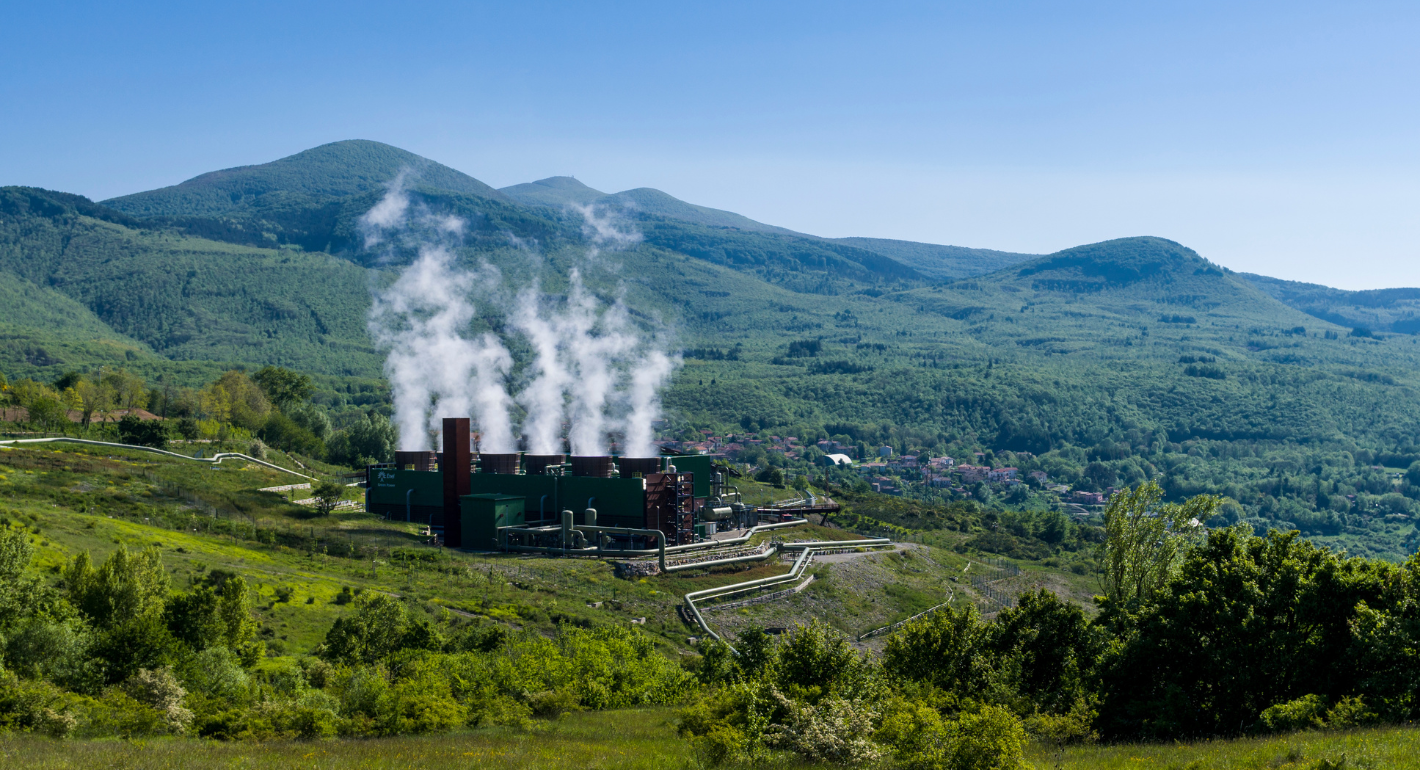
Europe’s industrial supply chains leave it vulnerable to global shocks. The EU needs a pragmatic green industrial strategy that balances durable partnerships and bolsters homegrown clean tech without sacrificing low-carbon ambition.


Milo McBride, Pauline Gerard
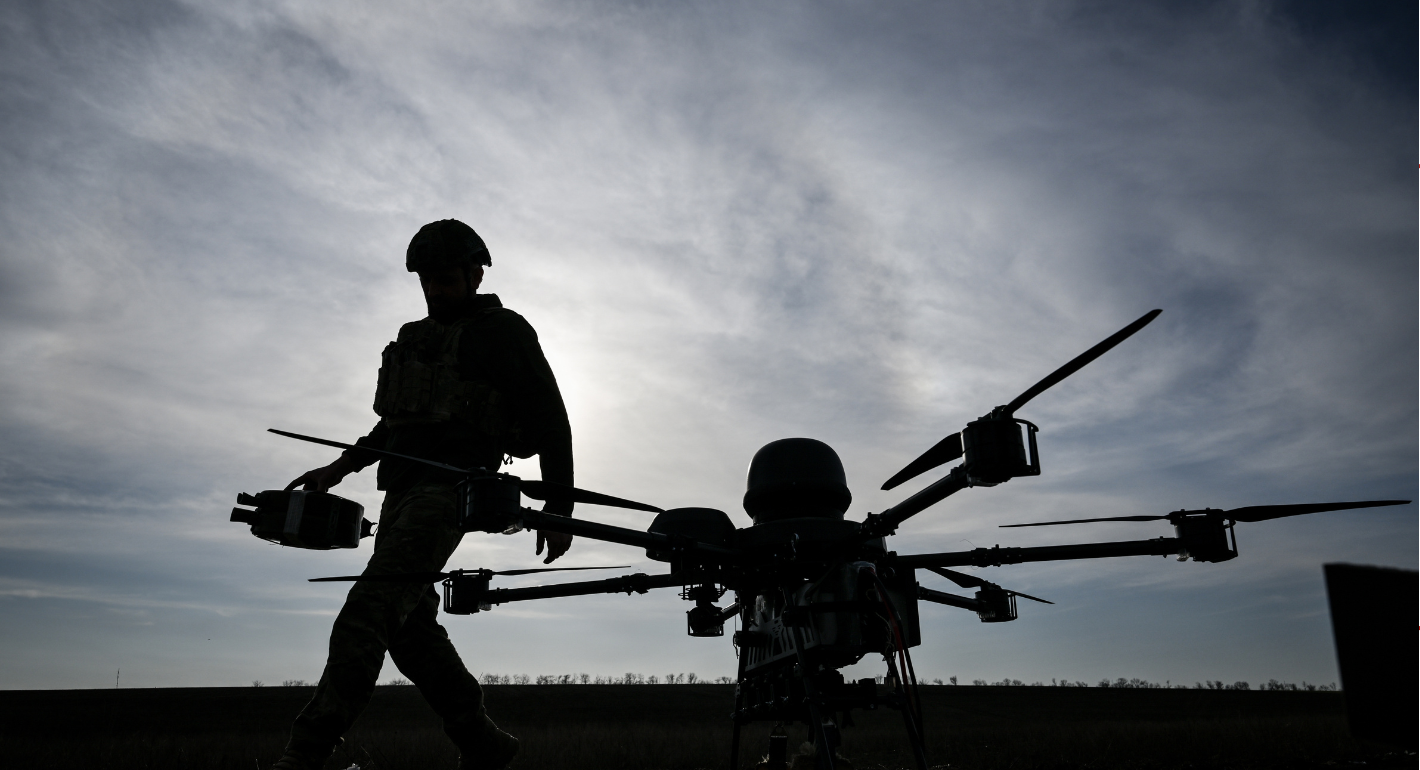
Defense tech innovations will be at the heart of Europe’s new security strategy. But so far, Brussels has been making moves without a broader plan, undermining readiness and credibility.

Raluca Csernatoni
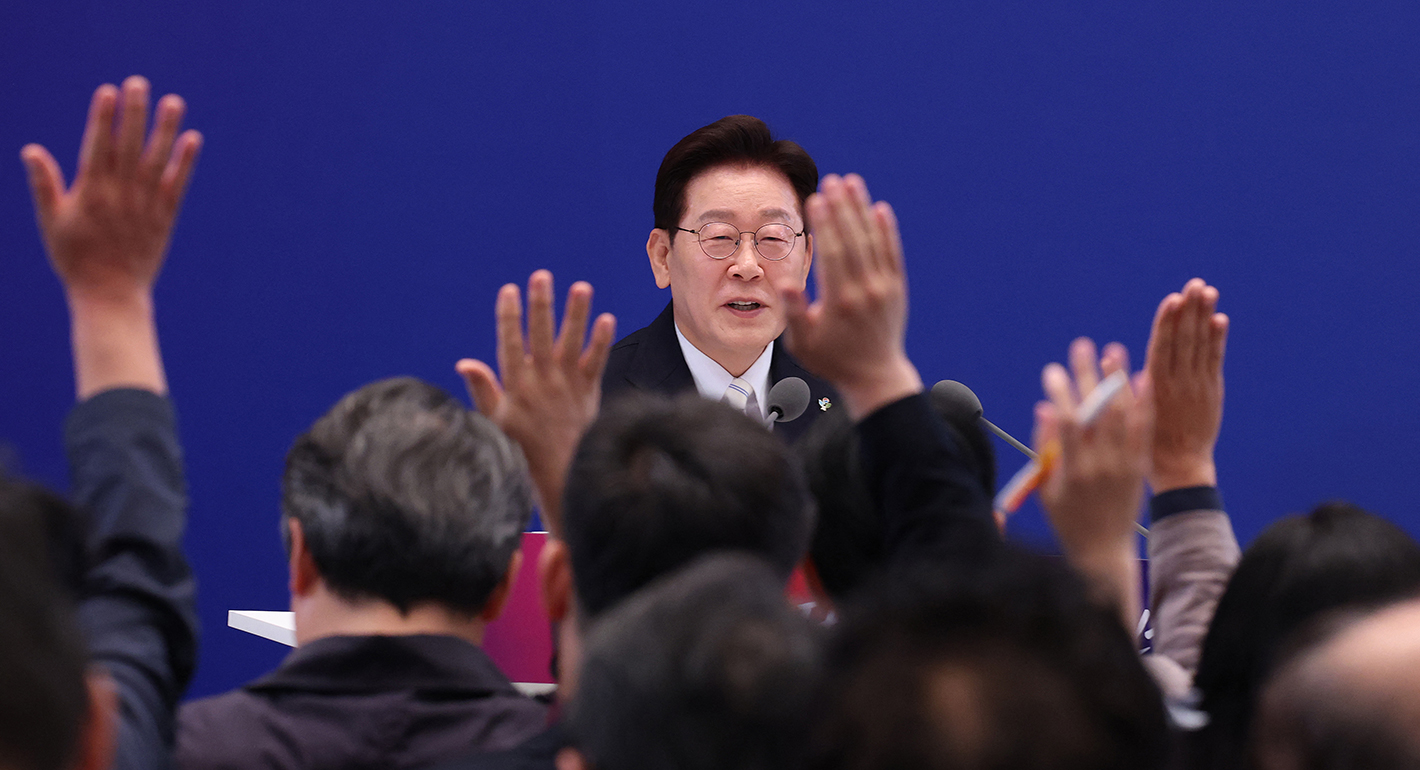
President Lee marked his first year in office after one of the most tumultuous periods in South Korean politics. Though Lee has enjoyed a high approval rating, a large majority in the National Assembly, and foreign policy victories, Lee and his party’s political fortunes depend on generating economic growth, learning the right lessons from the recent local elections, and managing contentious factional strife within his political base.
Chung Min Lee