

Paper
Chung Min Lee
{
  "authors": [
    "Chung Min Lee"
  ],
  "type": "other",
  "centerAffiliationAll": "dc",
  "centers": [
    "Carnegie Endowment for International Peace"
  ],
  "collections": [
    "Inside Korea"
  ],
  "englishNewsletterAll": "asia",
  "nonEnglishNewsletterAll": "",
  "primaryCenter": "Carnegie Endowment for International Peace",
  "programAffiliation": "AP",
  "programs": [
    "Asia"
  ],
  "projects": [],
  "regions": [
    "North America",
    "United States",
    "East Asia",
    "South Korea",
    "Japan"
  ],
  "topics": [
    "Political Reform",
    "Foreign Policy",
    "Global Governance"
  ]
}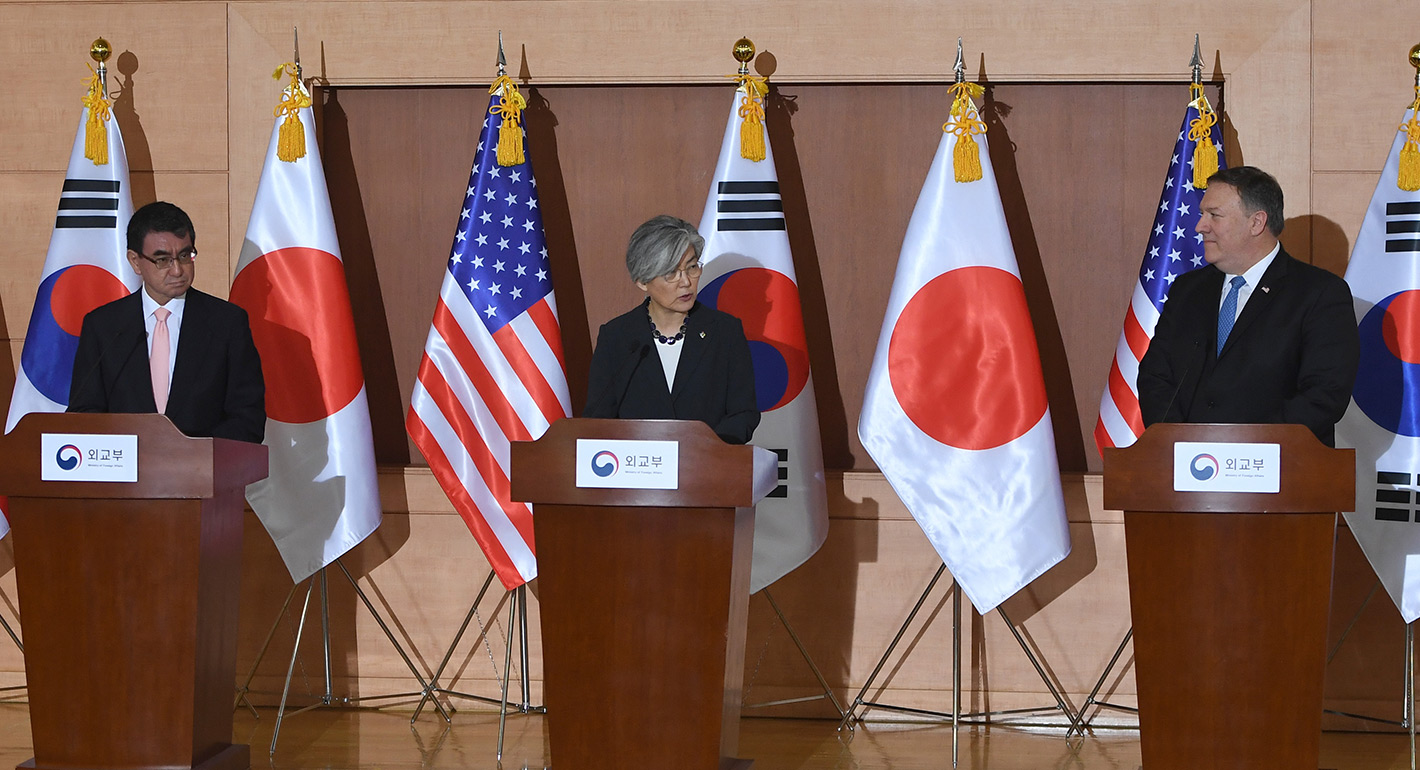
Source: Getty
The U.S.-South Korean-Japanese trilateral relationship is more salient than ever in the aftermath of the accelerated nuclear weapons and ballistic missile programs of the Democratic People’s Republic of Korea.
Source: Atlantic Council
What are the contours, challenges, and opportunities in the all-important US-South Korean-Japanese trilateral security relationship during a period of rapidly evolving geopolitics in and around the Korean Peninsula? The trilateral relationship is more salient than ever in the aftermath of the accelerated nuclear weapons and ballistic missile programs of the Democratic People’s Republic of Korea. Although assessing the intensity and depth of trilateral security cooperation or a lack thereof is hardly a new issue, the stakes are arguably the highest since the outbreak of the North Korean nuclear crisis in the early 1990s. In this Atlantic Council report, Dr. Chung-min Lee tackles the important questions of how the trilateral security relationship will respond to developments on the Korean Peninsula, and what the road ahead for the US-South Korean-Japanese relationship look like.
This article was originally published by the Atlantic Council.
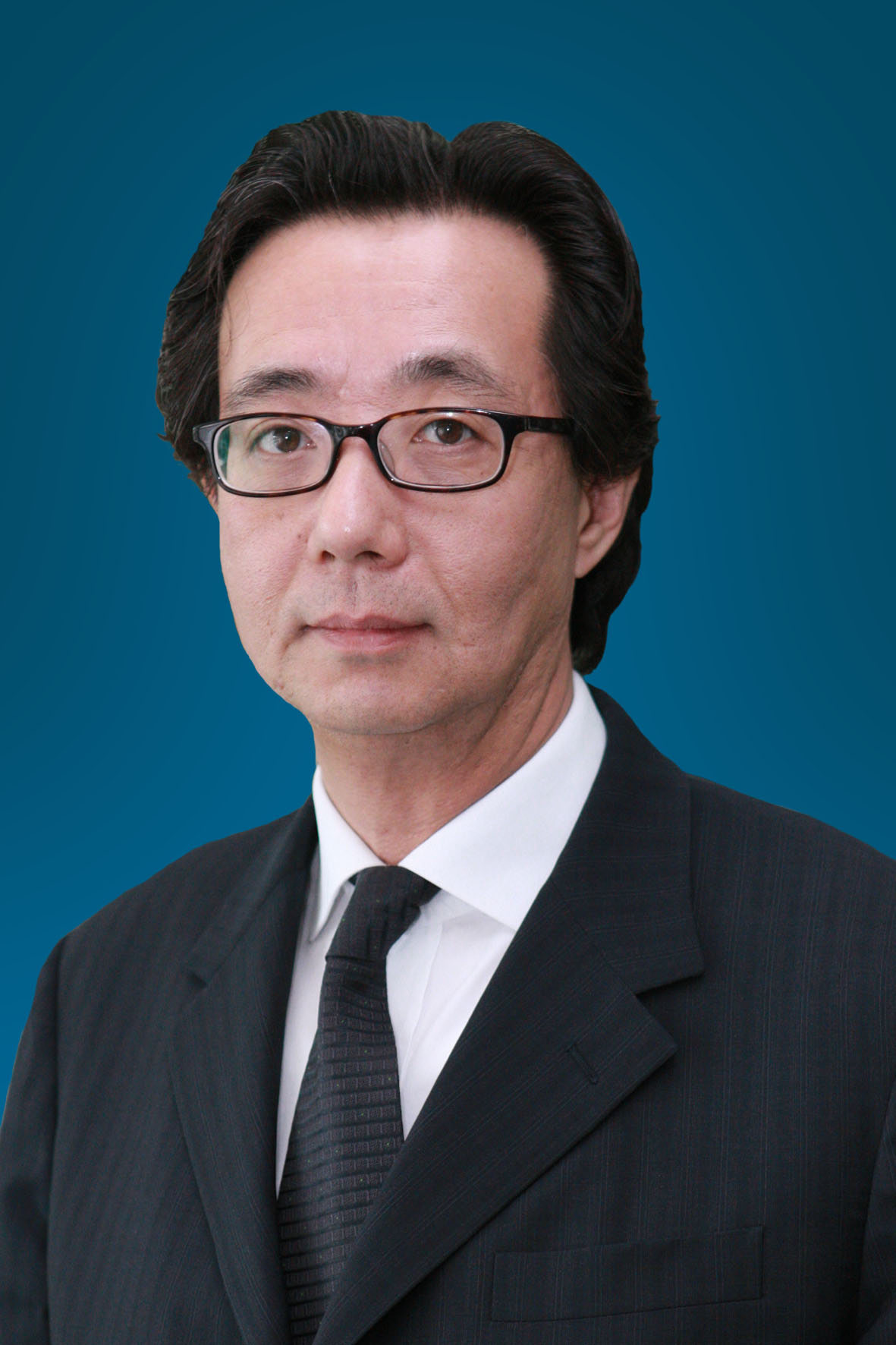
Senior Fellow, Asia Program
Chung Min Lee is a senior fellow in Carnegie’s Asia Program. He is an expert on Korean and Northeast Asian security, defense, intelligence, and crisis management.
Recent Work
Chung Min Lee
Carnegie does not take institutional positions on public policy issues; the views represented herein are those of the author(s) and do not necessarily reflect the views of Carnegie, its staff, or its trustees.
The return of parliamentary politics reflects a broader shift from earlier expectations of a settlement and elections toward the reality of a prolonged war.

Balázs Jarábik

Troubled by the growing salience of nuclear debates in East Asia, Moscow has responded in its usual way: with condemnation and threats. But by exacerbating insecurity, Russia is forcing South Korea and Japan to consider radical security options.

James D.J. Brown

Hanoi and Beijing have long treated each other as distant cousins rather than comrades in arms. That might be changing as both sides draw closer to hedge against uncertainty and America’s erratic behavior.

Nguyễn Khắc Giang
The conflict is exposing the flaws and fissures of their domestic governance and social cohesion.

Frederic Wehrey, Charles H. Johnson
Closer EU-UK ties could help address urgent European concerns. But is the EU ready for rapprochement with the United Kingdom?

Rym Momtaz, ed.