

Report
James M. Acton, Thomas MacDonald, Pranay Vaddi
{
  "authors": [
    "Pranay Vaddi"
  ],
  "type": "commentary",
  "centerAffiliationAll": "dc",
  "centers": [
    "Carnegie Endowment for International Peace"
  ],
  "collections": [
    "U.S. Nuclear Policy"
  ],
  "englishNewsletterAll": "ctw",
  "nonEnglishNewsletterAll": "",
  "primaryCenter": "Carnegie Endowment for International Peace",
  "programAffiliation": "NPP",
  "programs": [
    "Nuclear Policy"
  ],
  "projects": [],
  "regions": [
    "North America",
    "United States",
    "Russia"
  ],
  "topics": [
    "Security",
    "Nuclear Policy",
    "Arms Control"
  ]
}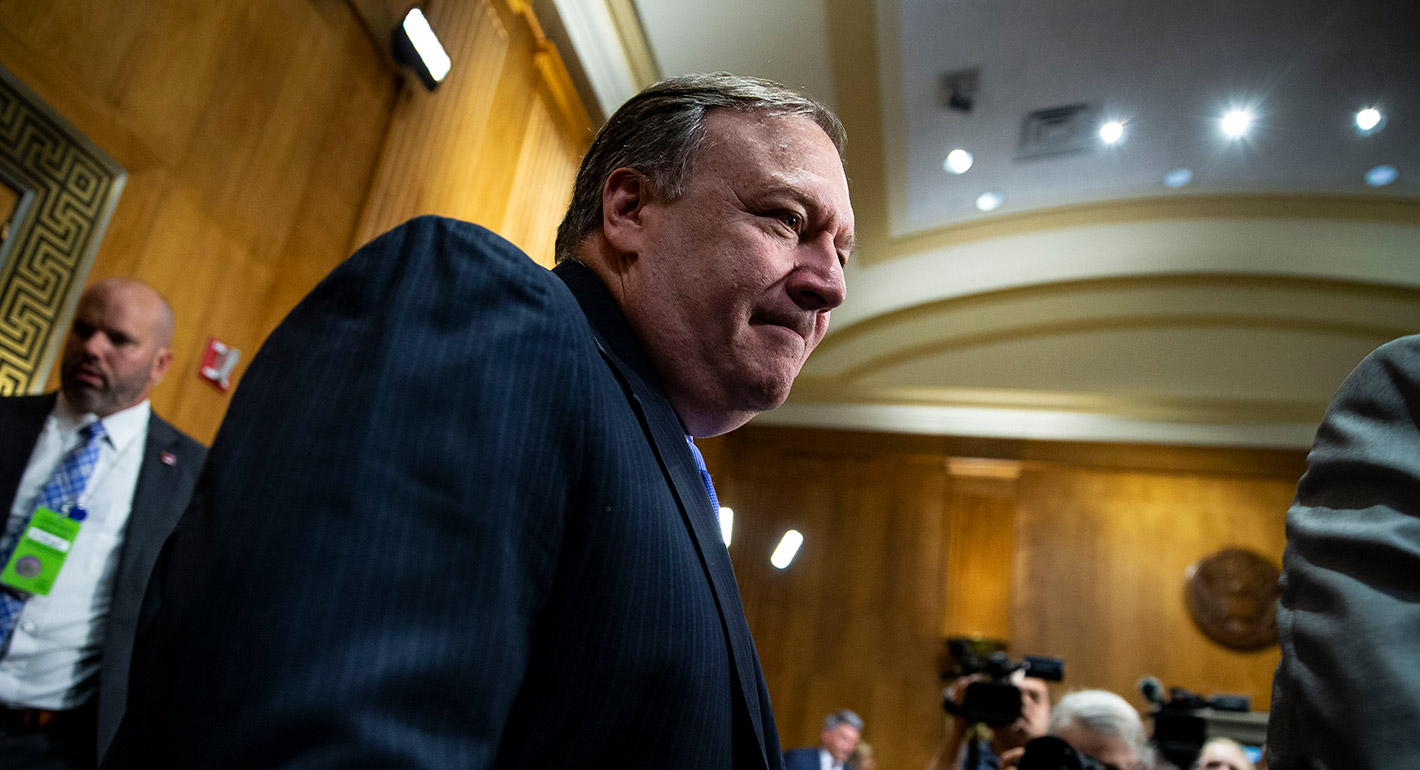
Source: Getty
The United States is not bluffing with the new deadline it has given Russia to return to compliance.
The United States has given Russia a sixty-day deadline to return to compliance before it gets rid of the Intermediate-Range Nuclear Forces (INF) Treaty, in an announcement that caught European and Asian allies off-guard.
According to a leaked memo, U.S. National Security Adviser John Bolton ordered the Pentagon to “develop and deploy ground-launched missiles at the earliest possible date.” This makes it unlikely that the treaty will survive.
If Russia wishes to preserve the INF Treaty, it should propose steps to return to compliance. The U.S. side has been explicit about what Russia needs to do. But, given Moscow’s lack of interest in the treaty, a strategy that places the entire fate of the INF on Russia probably won’t be successful.
Scrapping the INF Treaty has grave implications. Given Russia’s development of an intermediate-range ground-launched cruise missile that was banned by the treaty, it would seem the arms race has already restarted.
So far, the race is one-sided. U.S. officials have been careful to say they do not plan to deploy INF-banned systems in Europe. Given the time, cost, and political effort required to start a new weapons program, the lack of obvious places to base it, and the dynamics of the new U.S. congress, they are almost certainly telling the truth.
The Trump administration is not interested in renegotiation. The administration likely considers it too late now, after five-plus years of diplomacy, to embark on a renegotiation, and in general has a dim view of the current arms control arrangements with Russia.
It is unclear how the end of this treaty will affect other global players—especially China, whose intermediate-range ballistic missiles are said to make up about 95 percent of its missile force. In the long term, if the United States and Russia begin to deploy formerly banned missiles, China may respond by deploying more intermediate-range ballistic missiles.
As with the U.S. withdrawal from the Anti-Ballistic Missile Treaty—which prompted Russia to develop new weapons systems specifically designed to thwart U.S. missile defenses—the effect of the INF Treaty’s dissolution may not be known for several years or even decades.
If Russia really wants to preserve the INF Treaty, it needs to provide transparency about the 9M729 ground-launched cruise missile, and then return to compliance.
Since Russia claims that the 9M729 is just another treaty-compliant cruise missile, a goodwill gesture would be to exhibit the missile, along with any other cruise missiles intended for Russia’s Iskander missile complex. This would not necessarily fix the noncompliance—but it could provide a path toward potential resolution.
Former Fellow, Nuclear Policy Program
Pranay Vaddi was a fellow in the Nuclear Policy Program at the Carnegie Endowment for International Peace.
Recent Work


James M. Acton, Thomas MacDonald, Pranay Vaddi
Megan DuBois, Gaurav Kalwani, Pranay Vaddi
Carnegie does not take institutional positions on public policy issues; the views represented herein are those of the author(s) and do not necessarily reflect the views of Carnegie, its staff, or its trustees.
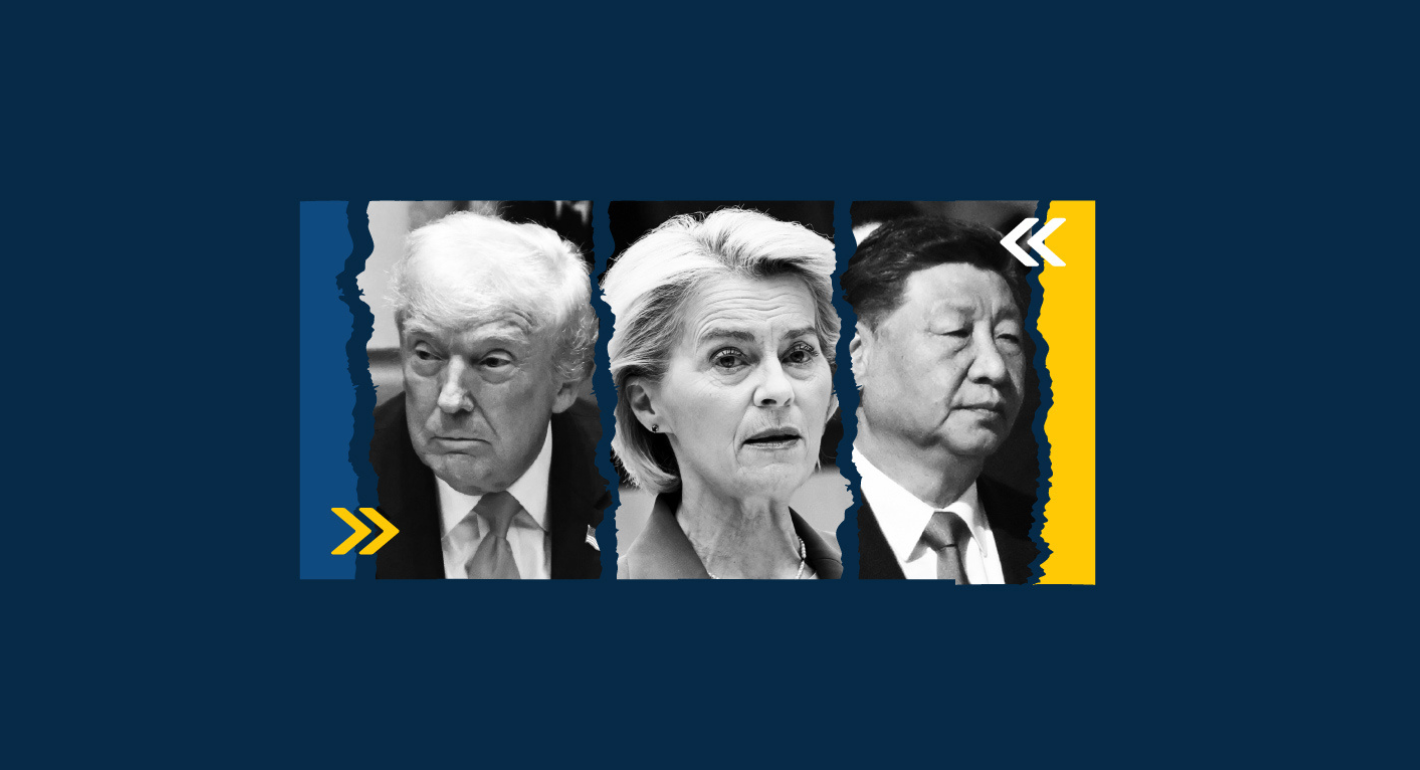
Between the United States’ market-driven approach and China's state-led industrial strategy, Europe is reckoning with how it can remain competitive in the global economy. But is Europe in danger of becoming a U.S. or China colony?


Noah Barkin, Anu Bradford
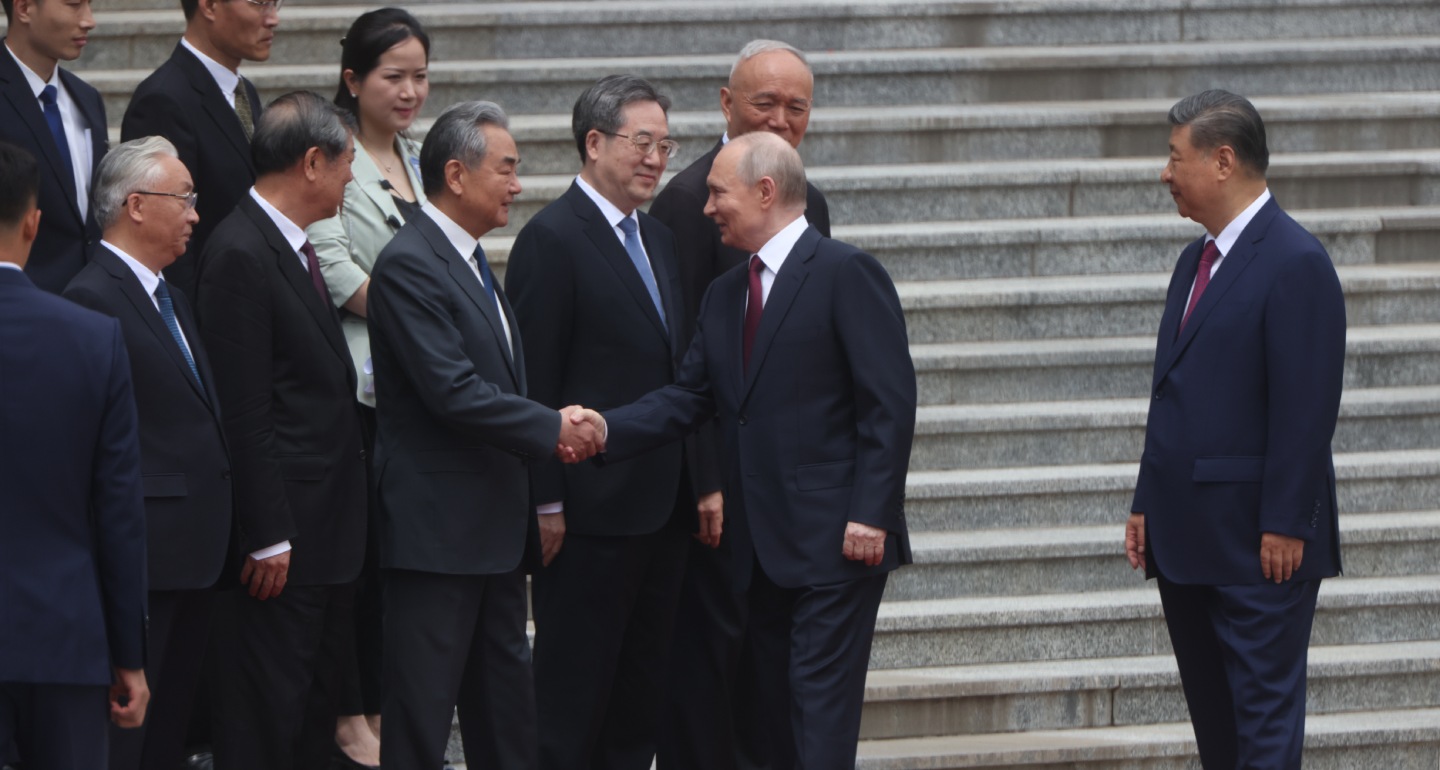
With no key agreement signed on the Power of Siberia 2 gas pipeline, there is a risk that the window of opportunity for Russia will close if Chinese power generation becomes so green that new gas sources are no longer of any interest to Beijing.

Alexander Gabuev
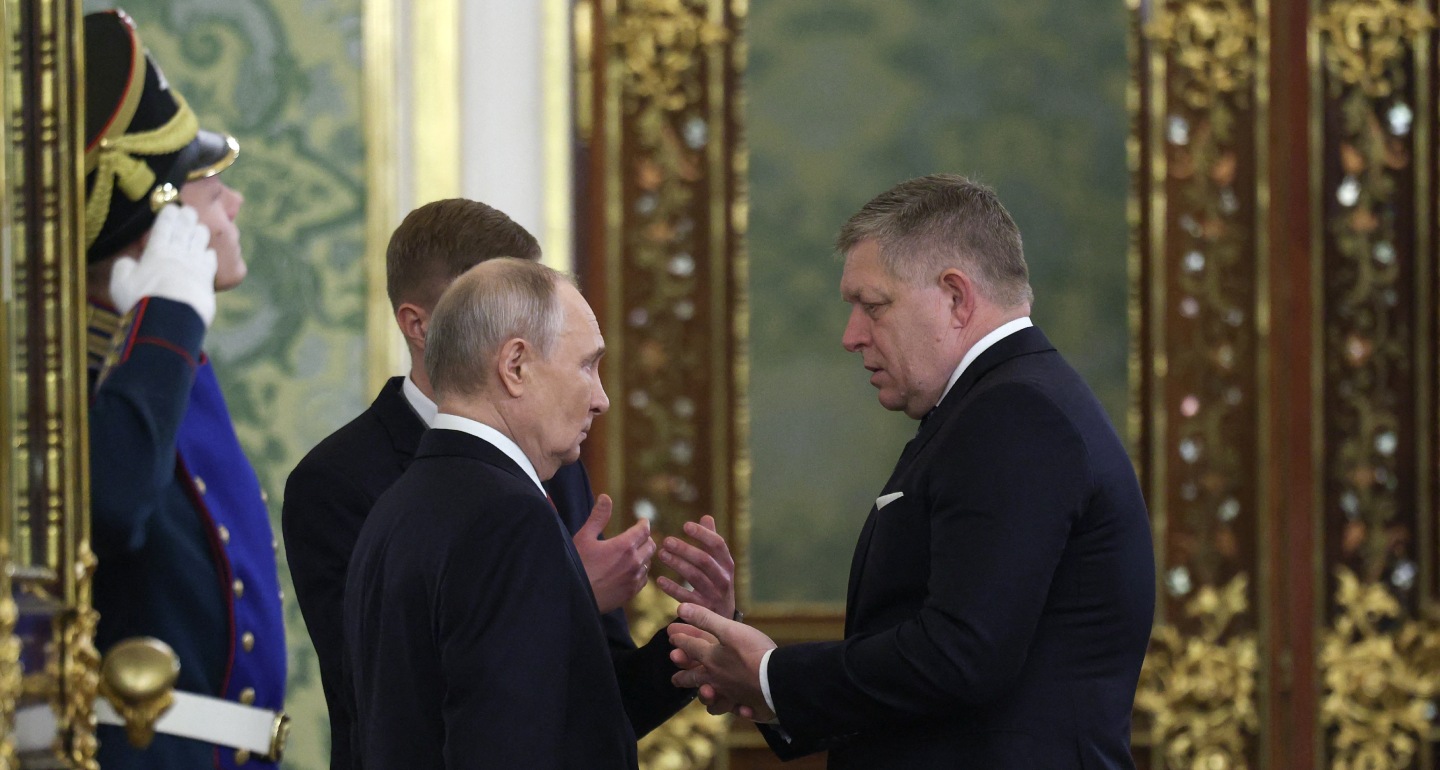
Though Orban is gone, Putin can still count on some like-minded individuals in Central and Eastern Europe. However, they will seek to avoid open confrontation with EU institutions over Ukraine and their ties with Moscow.

Dimitar Bechev

The truth is that Japan’s government is seeking a degree of reengagement but at a vastly reduced level than under Abe. Most significantly, Japan has shown no willingness to ease sanctions.

James D.J. Brown
The full list of humiliations Europe has endured since Donald Trump returned to the White House makes for grim reading. But Washington’s adversarial approach to its allies undermines its own power base.

Rym Momtaz