• Research
  • Emissary
  • About
  • Experts
Carnegie Global logoCarnegie lettermark logo
DemocracyIran
  • Donate
{
  "authors": [
    "Suyash Rai"
  ],
  "type": "legacyinthemedia",
  "centerAffiliationAll": "",
  "centers": [
    "Carnegie Endowment for International Peace",
    "Carnegie India"
  ],
  "collections": [],
  "englishNewsletterAll": "",
  "nonEnglishNewsletterAll": "",
  "primaryCenter": "Carnegie India",
  "programAffiliation": "",
  "programs": [],
  "projects": [
    "Political Economy"
  ],
  "regions": [
    "India"
  ],
  "topics": [
    "Domestic Politics",
    "Economy"
  ]
}
Source: Getty

In The Media
Carnegie India

After Lok Sabha Polls, New Government Must be Wary of Big-Bang Ideas That Lead to Bad Outcomes

Contestation is intense in this election, and the incoming Indian government—irrespective of its composition—will be under pressure to perform.

Link Copied
By Suyash Rai
Published on Apr 12, 2019
Project hero Image

Project

Political Economy

This program studies contemporary developments in India’s political economy, with a view towards understanding and informing India’s developmental choices. Scholars in the program analyze economic and regulatory policies, design and working of public institutions, interfaces between politics and the economy, and performance of key sectors of the economy such as finance and land.

Learn More

Source: Print

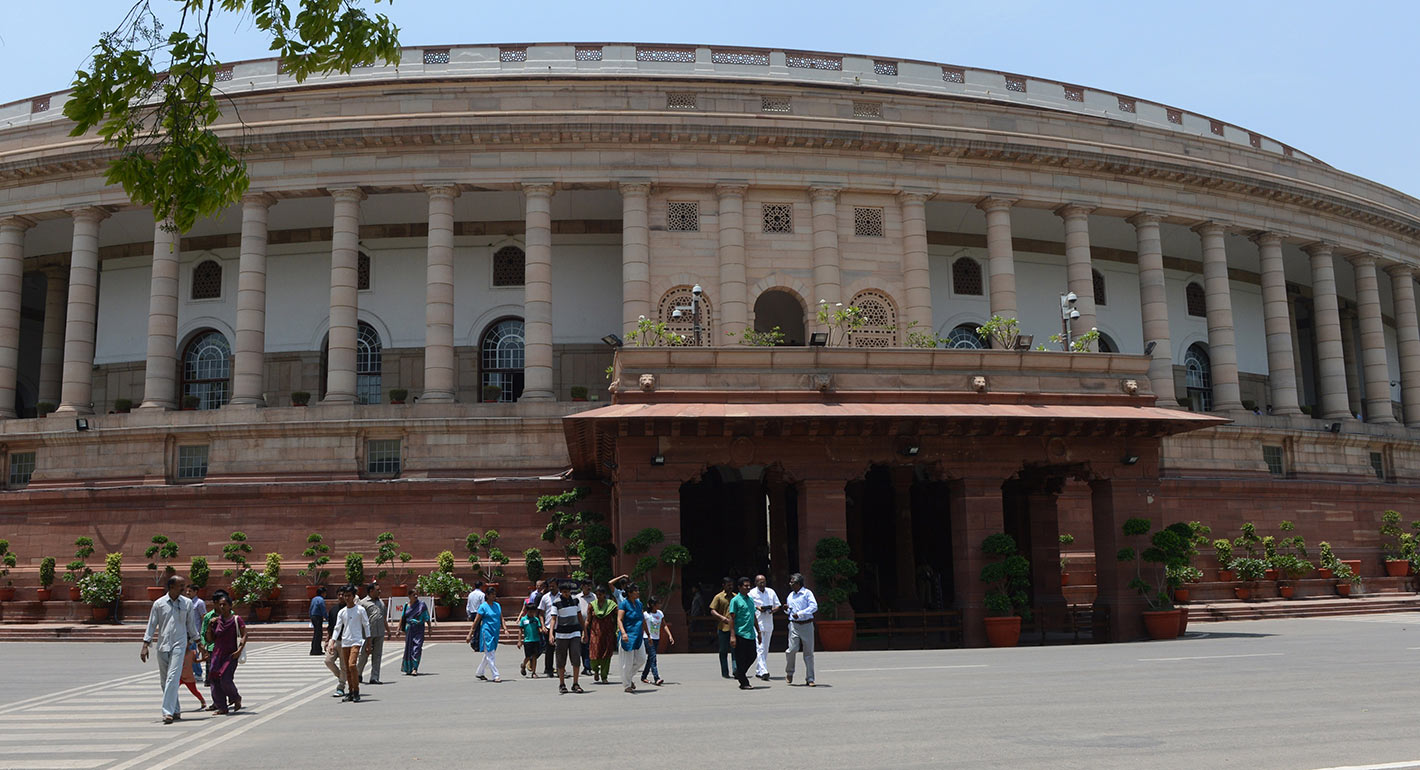
After the mammoth seven-phase Lok Sabha elections, India will transition from the poetry of campaigning to the prose of performance.

Contestation is intense in this election, and the incoming government – irrespective of its composition – will be under pressure to perform. Hopefully, economic reform will be a priority.

Experience tells us that just getting the state out of economy’s way by lowering entry barriers and opening markets is not enough. The government must make deeper institutional changes in the way it defines and performs its functions.
Read the Full Text

This article was originally published in the Print.

About the Author

Suyash Rai

Former Fellow, Carnegie India

Suyash Rai was a fellow at Carnegie India. His research focuses on the political economy of economic reforms, and the performance of public institutions in India.

    Recent Work

  • Article
    The Best of Ideas and Institutions, 2023

      Suyash Rai, Anirudh Burman

  • Other
    Global Technology Summit 2022 Action Points
      • +4

      Shruti Sharma, Suyash Rai, Konark Bhandari, …

Suyash Rai
Former Fellow, Carnegie India
Suyash Rai
Domestic PoliticsEconomyIndia

Carnegie does not take institutional positions on public policy issues; the views represented herein are those of the author(s) and do not necessarily reflect the views of Carnegie, its staff, or its trustees.
More Work from Carnegie Endowment for International Peace

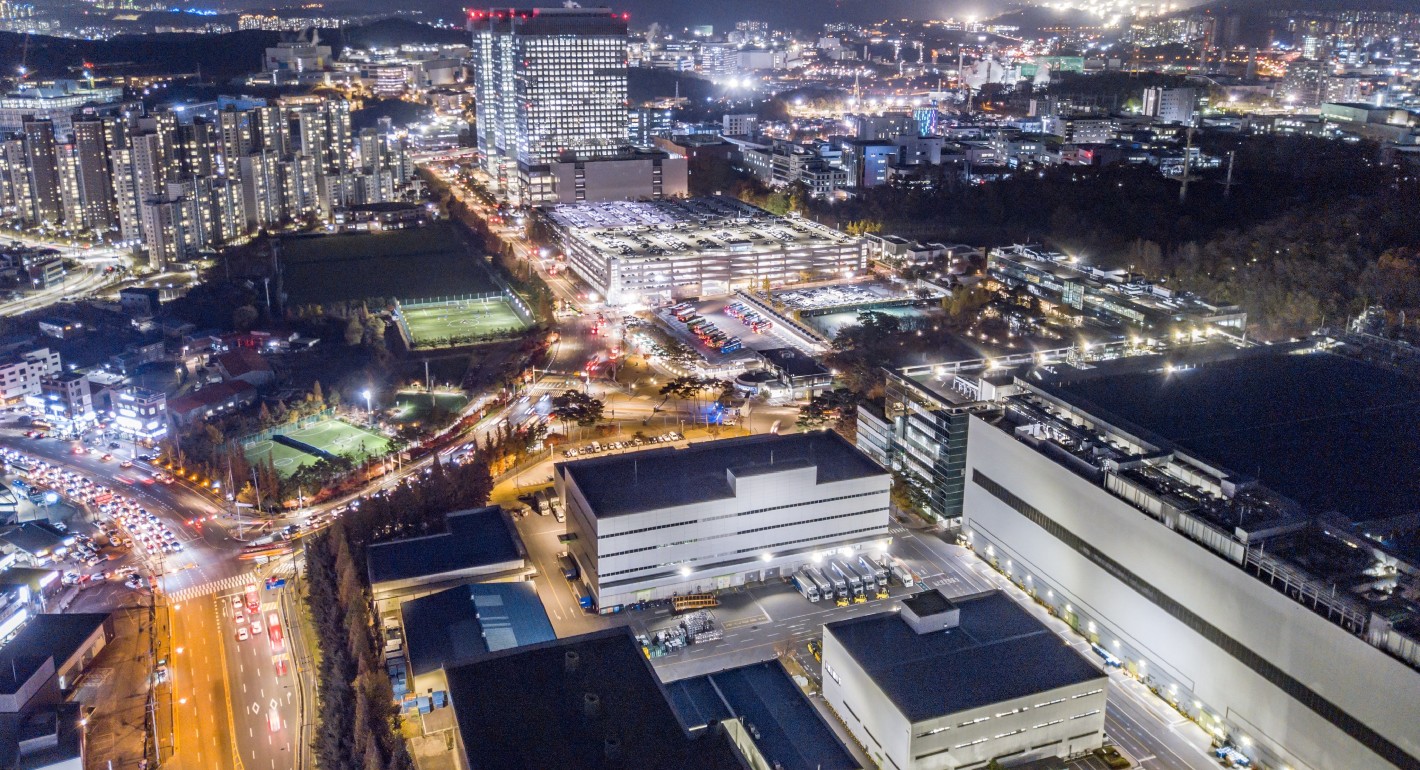
  • City at night
    Commentary
    Emissary
    The Iran War Is Also Now a Semiconductor Problem

    The conflict is exposing the deep energy vulnerabilities of Korea’s chip industry.

      Darcie Draudt-Véjares, Tim Sahay
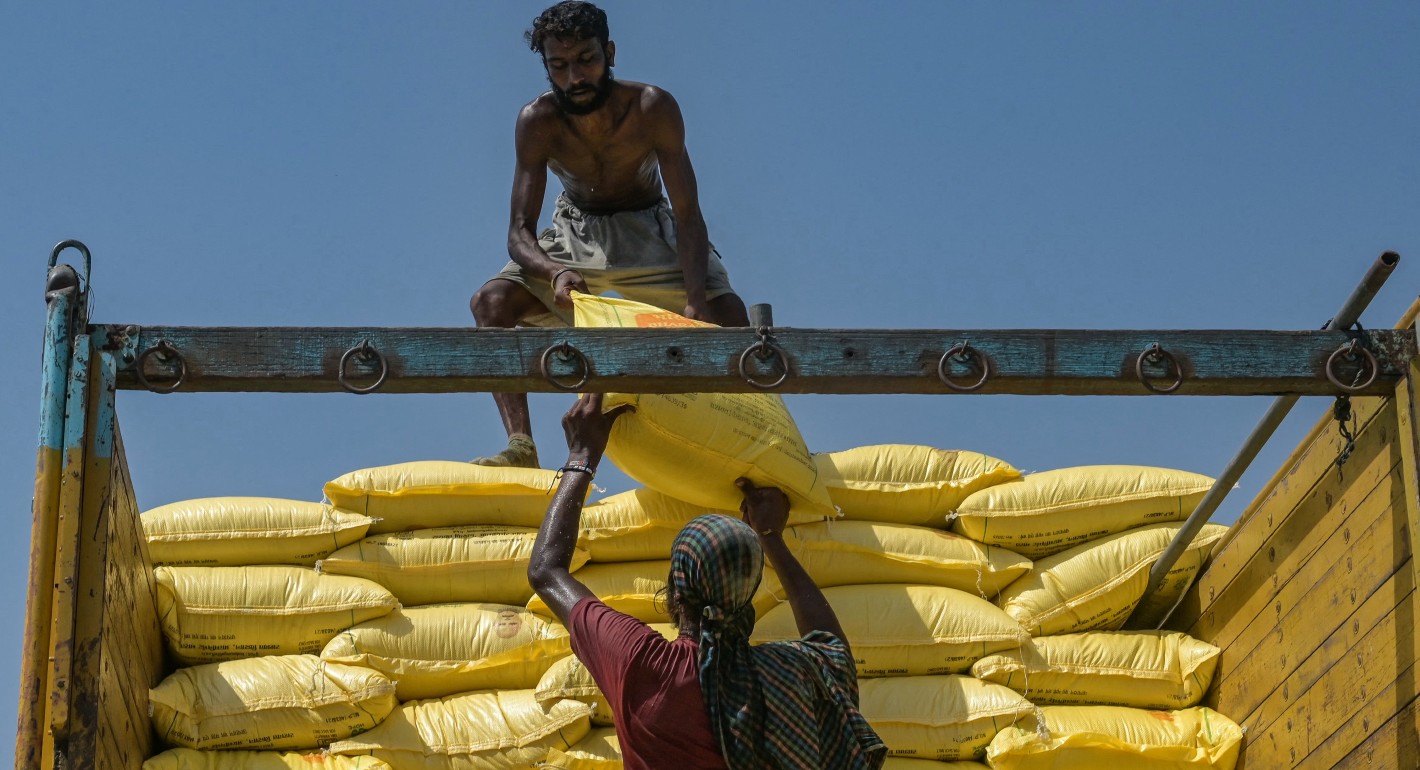
  • One man tossing a sack to another to stack on a truck
    Commentary
    Emissary
    The Other Global Crisis Stemming From the Strait of Hormuz’s Blockage

    Even if the Iran war stops, restarting production and transport for fertilizers and their components could take weeks—at a crucial moment for planting.
      • Noah  Gordon ​​​​

      Noah Gordon, Lucy Corthell

  • Indian Prime Minister Narendra Modi, wearing an orange cap, and the Chief Minister of Uttar Pradesh, Yogi Adityanath, dressed in saffron robes, are greeting supporters of the Bharatiya Janata Party (BJP) during a roadshow ahead of the Indian General Elections in Ghaziabad, Uttar Pradesh, India, on April 6, 2024.
    Paper
    India’s Foreign Policy in the Age of Populism

    Domestic mobilization, personalized leadership, and nationalism have reshaped India’s global behavior.
      Sandra Destradi
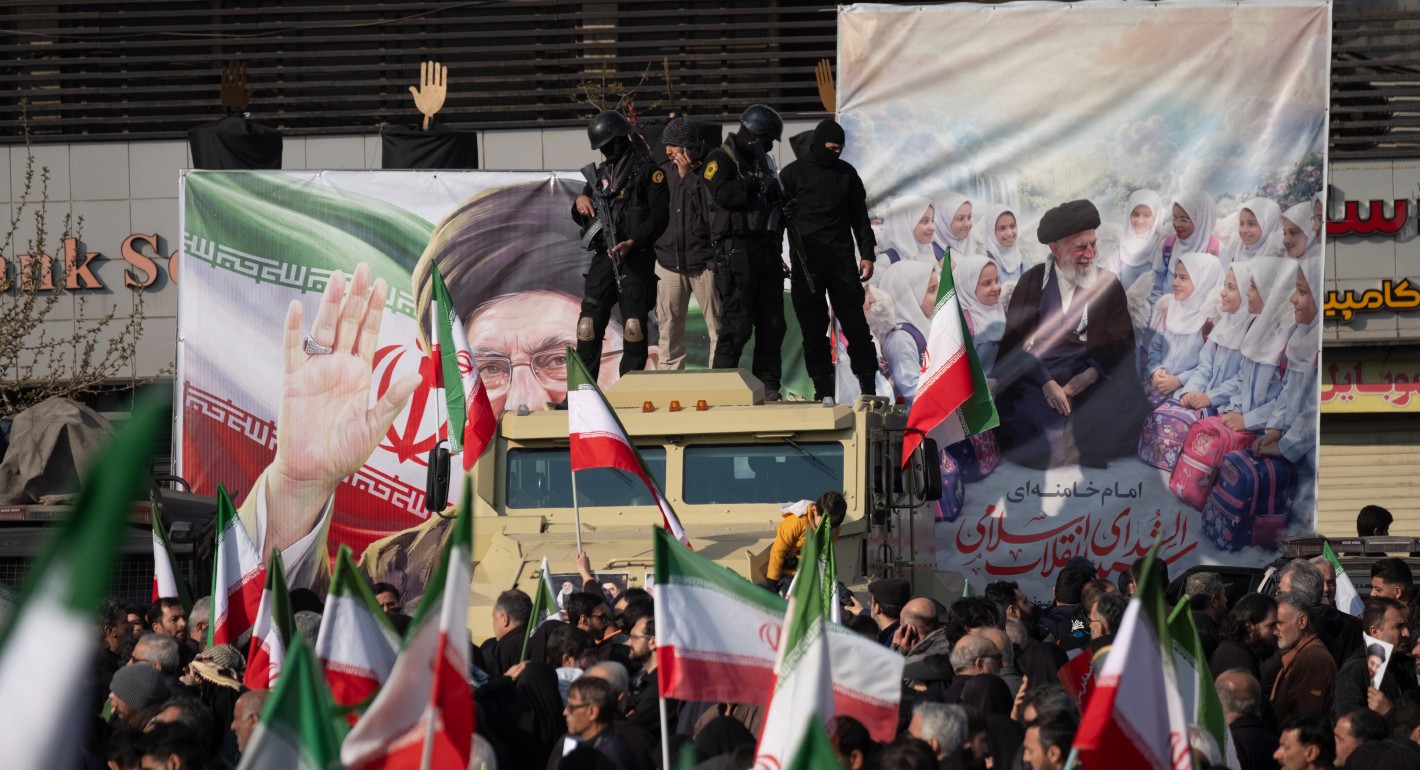
  • Heavily armed security personnel standing atop an armored vehicle
    Commentary
    Emissary
    When Do Mass Protests Topple Autocrats?

    The recent record of citizen uprisings in autocracies spells caution for the hope that a new wave of Iranian protests may break the regime’s hold on power.


      • McKenzie Carrier

      Thomas Carothers, McKenzie Carrier

  • High-tech data center with server racks
    Article
    The Architecture of Digital Repression

    Internet service providers can facilitate internet access but also draconian control.
      Irene Poetranto

Get more news and analysis from
Carnegie Endowment for International Peace
Carnegie global logo, stacked
1779 Massachusetts Avenue NWWashington, DC, 20036-2103Phone: 202 483 7600Fax: 202 483 1840
  • Research
  • Emissary
  • About
  • Experts
  • Donate
  • Programs
  • Events
  • Blogs
  • Podcasts
  • Contact
  • Annual Reports
  • Careers
  • Privacy
  • For Media
  • Government Resources
Get more news and analysis from
Carnegie Endowment for International Peace
© 2026 Carnegie Endowment for International Peace. All rights reserved.