

Paper
To remain effective, organizations need to master new media and legitimacy markers to make a once-in-a-century shift.
Renée DiResta, Rachel Kleinfeld, Margot Treadwell
{
  "authors": [
    "The Working Group On Egypt"
  ],
  "type": "other",
  "centerAffiliationAll": "dc",
  "centers": [
    "Carnegie Endowment for International Peace"
  ],
  "collections": [
    "Arab Awakening"
  ],
  "englishNewsletterAll": "menaTransitions",
  "nonEnglishNewsletterAll": "",
  "primaryCenter": "Carnegie Endowment for International Peace",
  "programAffiliation": "MEP",
  "programs": [
    "Middle East"
  ],
  "projects": [],
  "regions": [
    "North Africa",
    "Egypt"
  ],
  "topics": [
    "Political Reform",
    "Democracy"
  ]
}
Source: Getty
A call on U.S. government officials to restate clearly the United States’ support for peaceful protests in Egypt.
September 25, 2019
As members of the Working Group on Egypt (a bipartisan group of foreign affairs experts formed in 2010), we call on U.S. government officials to restate clearly the United States’ support for peaceful protests in Egypt. Authorities there have arrested more than 1,400 people after peaceful anti-corruption protests broke out in 14 Egyptian provinces on September 20 and 21.
More protests are possible in the coming days and weeks. In Egypt, President Trump’s statements after meeting with President Abdel Fattah al-Sisi on September 23 are being interpreted as giving Sisi a green light to use force against demonstrators and to engage in a broader crackdown.
We ask U.S. officials in the executive and legislative branches to make clear that the United States continues to stand for the following principles regarding demonstrations in Egypt, just as it has done recently regarding protests in Russia, Hong Kong, Iran, and Sudan:
Robert Kagan (co-chair)
Michele Dunne (co-chair)
Reuel Gerecht
Amy Hawthorne
Neil Hicks
Thomas Hill
Sarah Margon
Stephen McInerney
Andrew Miller
Tamara Wittes
Ken Wollack
The Working Group On Egypt
Carnegie does not take institutional positions on public policy issues; the views represented herein are those of the author(s) and do not necessarily reflect the views of Carnegie, its staff, or its trustees.

To remain effective, organizations need to master new media and legitimacy markers to make a once-in-a-century shift.

Renée DiResta, Rachel Kleinfeld, Margot Treadwell

An overwhelming victory by a far-right-wing party in a small state in eastern Germany will have major repercussions for Chancellor Friedrich Merz’s coalition.

Judy Dempsey
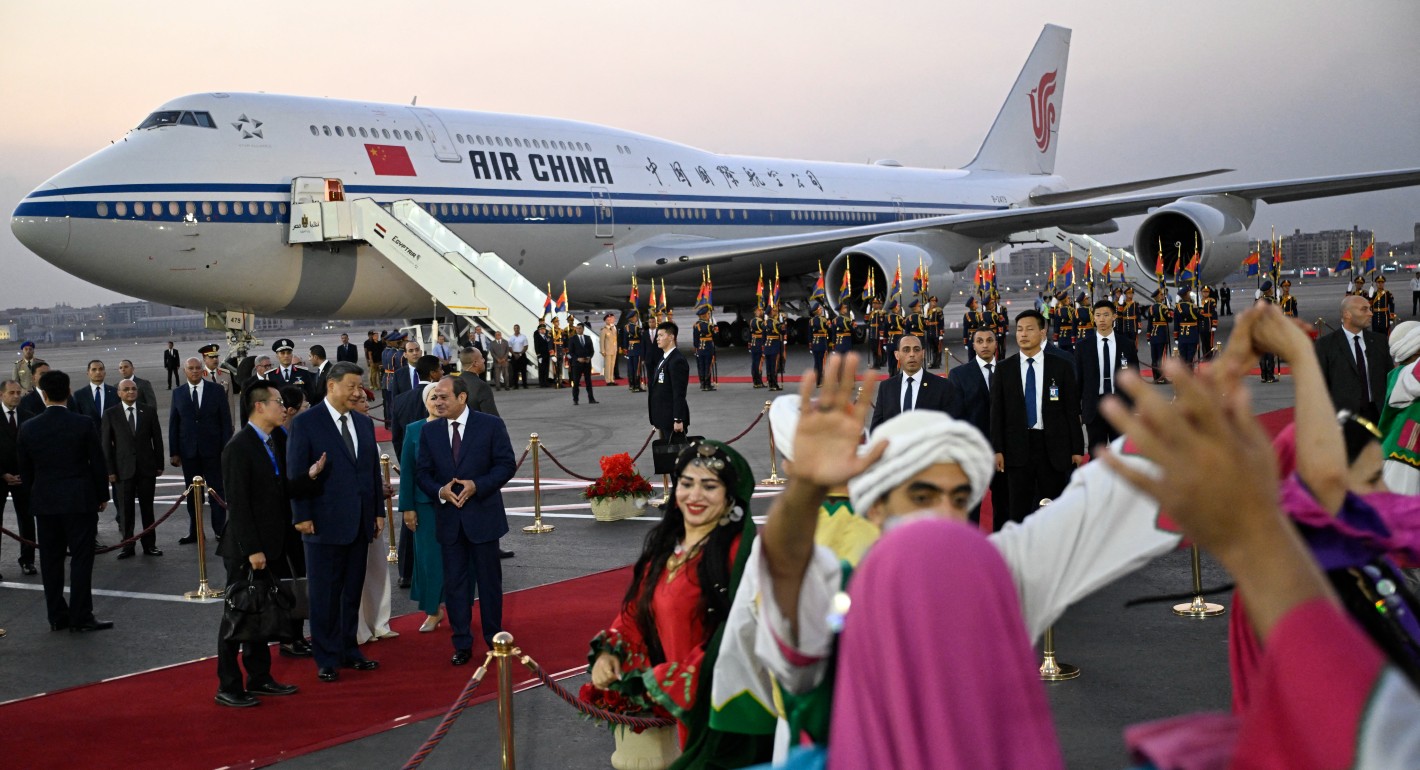
Amid celebrations of bilateral ties was a deeper focus on stability in the Middle East.

Amr Hamzawy
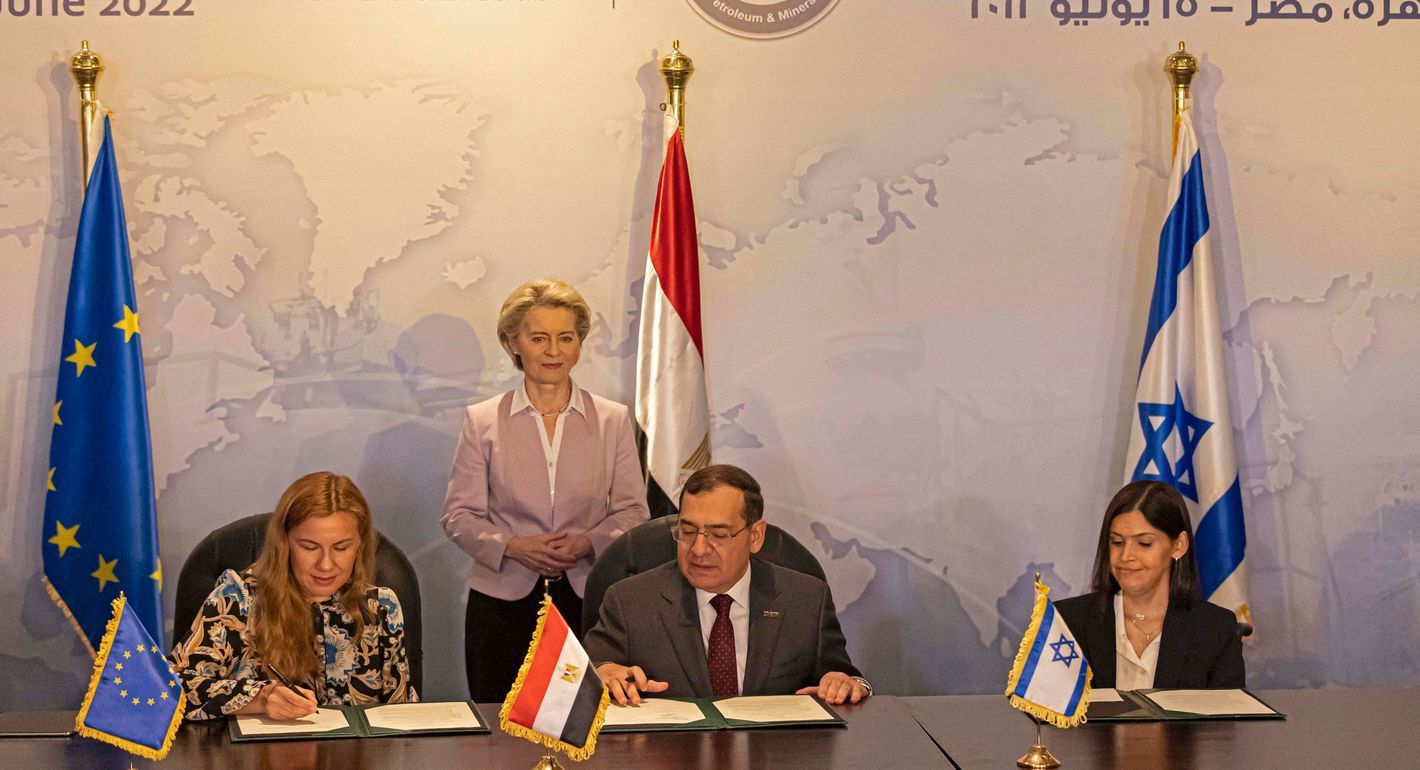
Can economic ties help contain conflict between Egypt and Israel, or do they simply postpone confrontation? Drawing on the German-Russian experience, the article examines how the gas deal creates mutual dependence, keeps channels of cooperation open, and raises the cost of conflict, without necessarily delivering lasting peace.
Nourhan Hefzy
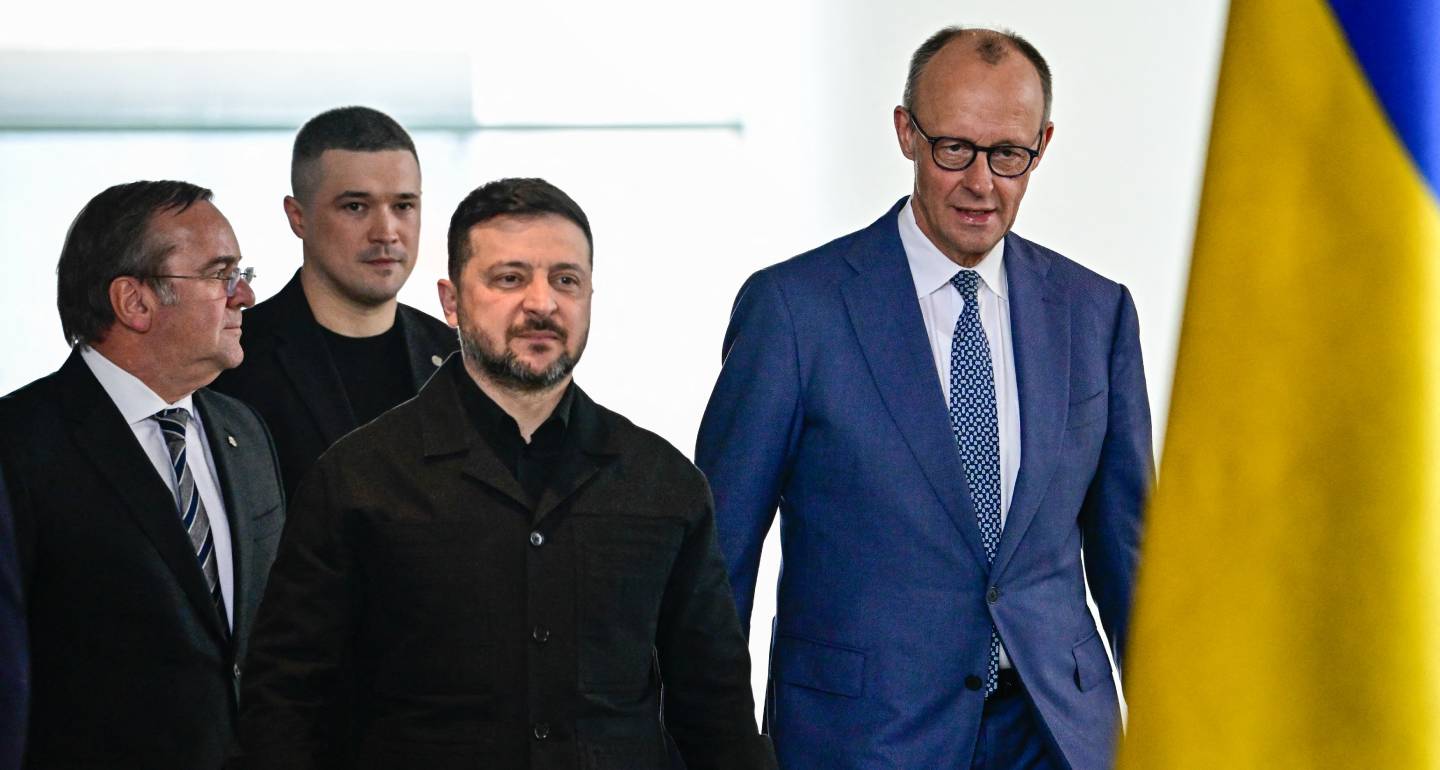
The greater threat to Zelensky comes not from Fedorov alone, but from the convergence between the former defense minister’s political campaign and the anti-corruption investigations moving ever closer to the presidential administration.

Balázs Jarábik