

Research
- +10
Rosa Balfour, Frances Z. Brown, Yasmine Farouk, …
{
  "authors": [
    "Moisés Naím"
  ],
  "type": "legacyinthemedia",
  "centerAffiliationAll": "",
  "centers": [
    "Carnegie Endowment for International Peace"
  ],
  "collections": [],
  "englishNewsletterAll": "",
  "nonEnglishNewsletterAll": "",
  "primaryCenter": "Carnegie Endowment for International Peace",
  "programAffiliation": "",
  "programs": [],
  "projects": [],
  "regions": [
    "Middle East",
    "Israel",
    "Eastern Europe",
    "Western Europe"
  ],
  "topics": [
    "Political Reform",
    "Democracy",
    "Global Governance",
    "Foreign Policy"
  ]
}
Source: Getty
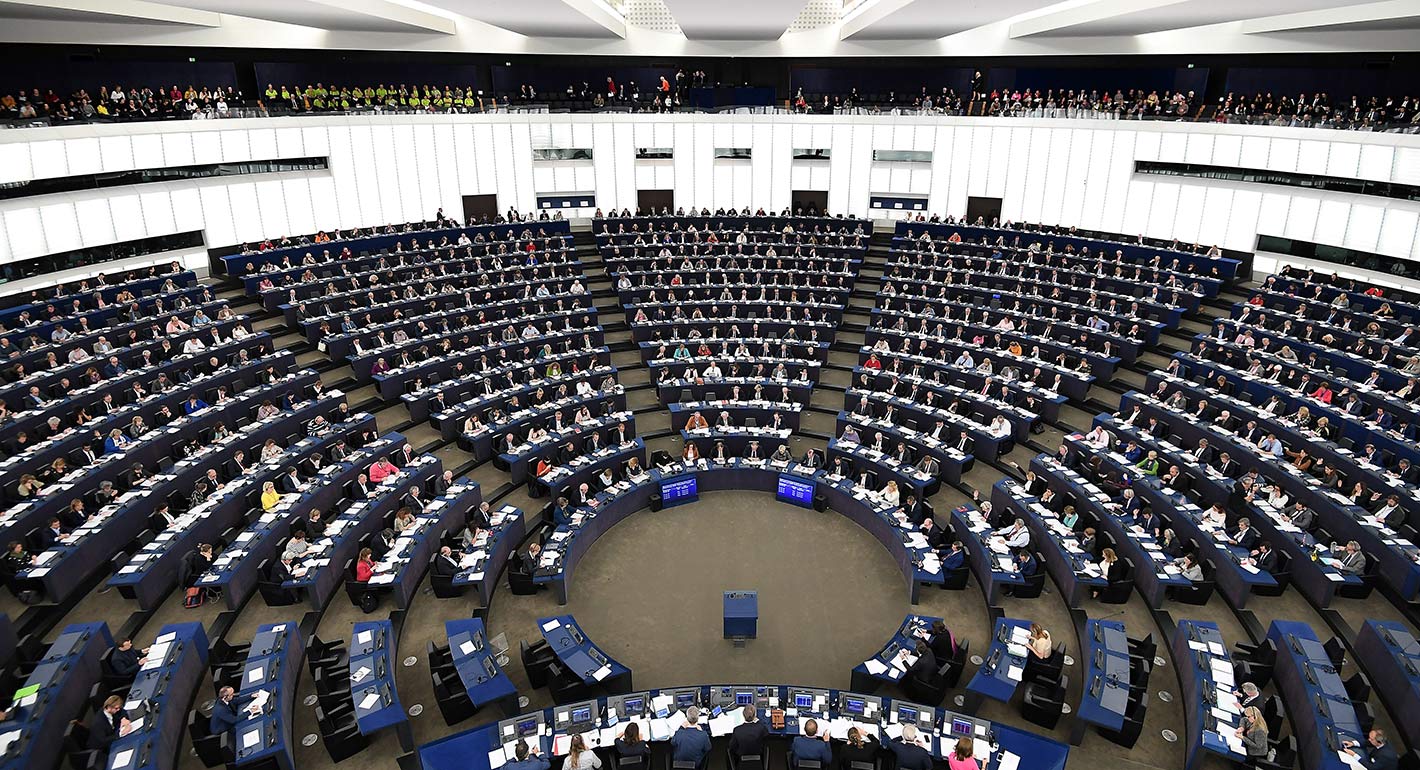
Around the world, governing is becoming more difficult and, in many cases, impossible. Elections no longer serve as an anchor that stabilizes the political landscape.
Source: El País
What do Spain, Israel, and the United Kingdom have in common? They can’t seem to form stable governments able to rule. And it’s not just these three countries where, after all, the division of powers and limits on executive power still hold. As we know, plenty of other countries are much more dysfunctional.
Around the world, governing is becoming more difficult and, in many cases, impossible. Elections no longer serve as an anchor that stabilizes the political landscape and helps establish effective government. Rather, elections and referendums now reveal the deep polarization of the electorate,...

Distinguished Fellow
Moisés Naím is a distinguished fellow at the Carnegie Endowment for International Peace, a best-selling author, and an internationally syndicated columnist.
Recent Work



Rosa Balfour, Frances Z. Brown, Yasmine Farouk, …
Moisés Naím
Carnegie does not take institutional positions on public policy issues; the views represented herein are those of the author(s) and do not necessarily reflect the views of Carnegie, its staff, or its trustees.

Trump has promised Belarus a massive potash deal. But Minsk is seeking something greater: restored Western transit and greater room for maneuver from Russia.

Balázs Jarábik

Before the next wave of EU enlargement takes place, the union needs to grapple with thorny questions of how power is distributed among its members.


Emil Sondaj Hansen, Ditte Brasso Sørensen

The real test may come after the leaders leave the room.



Sheena Chestnut Greitens, Oriana Skylar Mastro, Yukon Huang, …

The Horn of Africa countries are among those facing a new security calculus.


Andrew Leber, Lesley Anne Warner

The European far right might fail to steer EU policy in the direction Russia wants, but they will create enough chaos inside Europe to benefit the Kremlin.

Dimitar Bechev