

Article
Paul Stronski
{
  "authors": [
    "Paul Stronski"
  ],
  "type": "other",
  "centerAffiliationAll": "dc",
  "centers": [
    "Carnegie Endowment for International Peace"
  ],
  "collections": [],
  "englishNewsletterAll": "ctw",
  "nonEnglishNewsletterAll": "",
  "primaryCenter": "Carnegie Endowment for International Peace",
  "programAffiliation": "russia",
  "programs": [
    "Russia and Eurasia"
  ],
  "projects": [
    "Changing Geopolitics of Eurasia"
  ],
  "regions": [
    "Central Asia",
    "Kazakhstan",
    "Kyrgyz Republic",
    "Tajikistan",
    "Turkmenistan",
    "Uzbekistan"
  ],
  "topics": [
    "Political Reform",
    "Democracy"
  ]
}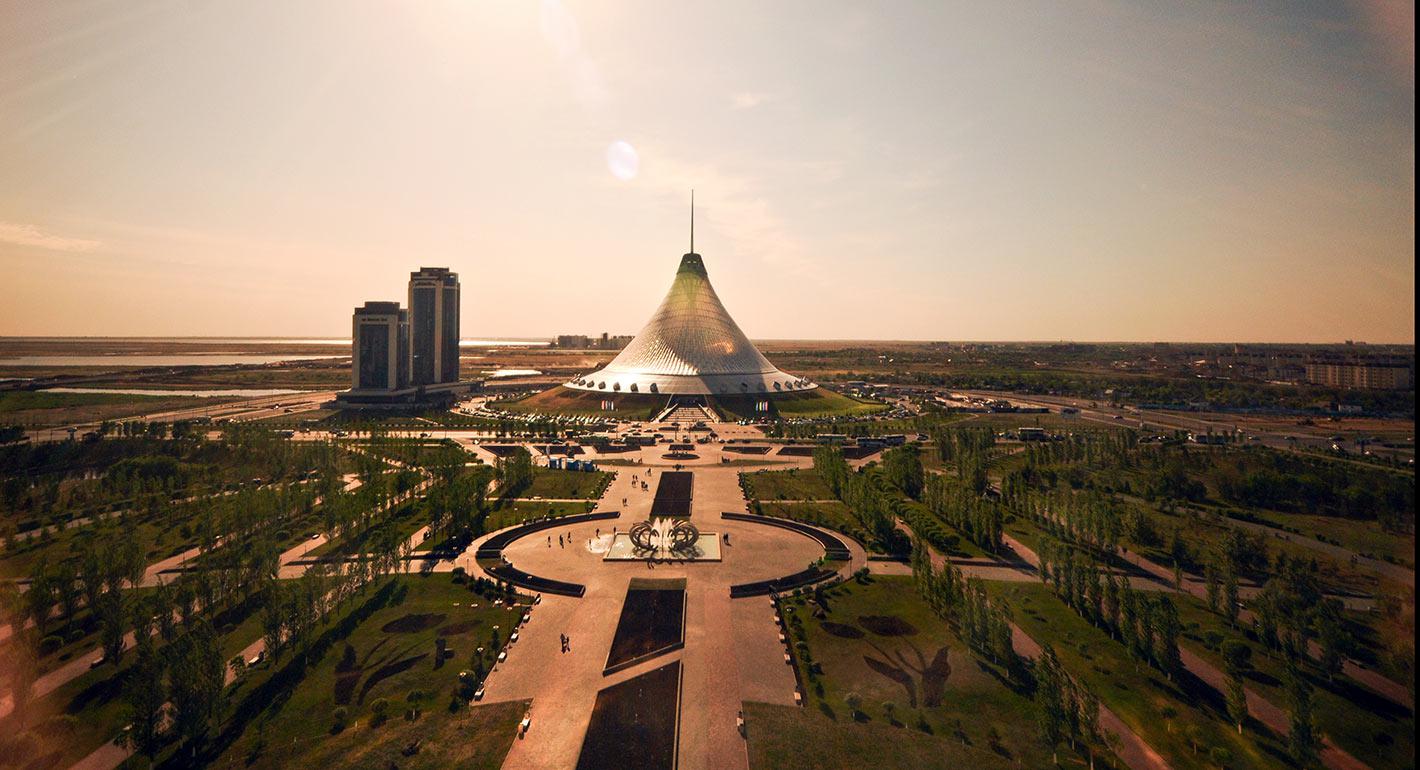
Source: Getty
Almost 30 years after the collapse of the USSR, Central Asian citizens are growing tired of stagnating economies, rampant corruption, and their governments’ empty promises. In 2019, they made it clear they want improved services, more transparency in decision-making, and better opportunities.
Source: East Asia Forum
Almost 30 years after the collapse of the USSR, Central Asian citizens are growing tired of stagnating economies, rampant corruption and their governments’ empty promises. In 2019, they made it clear they want something better — improved services, more transparency in decision-making and better opportunities for themselves and their children. Like many others across the globe, Central Asians are also demanding fresh leaders, solutions to their problems and a chance for their opinions to be heard.
These sentiments facilitated populist politics in the West, although generally through the ballot box. Frustrated Armenians toppled a long-standing government in the 2018 Velvet Revolution, replacing it with the country’s first truly post-Soviet government. In Hong Kong and Iran, violent protests have sent shivers down the spines of autocrats.
In Central Asia, popular anger is rising, but it is coinciding with tremendous demographic shifts. Central Asia’s population is roughly 72 million people — 16 million more than in 2000. The post-Soviet Central Asian generation is entering adulthood with limited employment opportunities and no social safety net. Central Asian governments struggle to recognise — let alone manage — these problems.
Some countries, like Turkmenistan, ignore domestic problems. There is no reliable information about the Turkmen budget or state reserves — the health of which are closely held secrets. Yet both are believed to be deeply troubled. A November 2019 IMF assessment warned Turkmenistan to avoid cheap credit, improve financial oversight and maintain fiscal stability. Food shortages are growing and the government is rationing access to foreign currency. These problems force Turkmen citizens to try to leave the country for jobs and cash — a difficult prospect for most. Rumours about President Gurbanguly Berdimuhamedov’s health and his mysterious disappearance in summer 2019 enhance this sense of instability.
Tajikistan’s social contract is crumbling as the ruling Rahmon family continues to consolidate control over the economy. This periodically instigates political infighting, with the losers occasionally using extreme means. Economic desperation may have led to the mysterious November attack against Tajik border guards that the government implausibly blamed on the so-called Islamic State terrorist group. Over two-thirds of Tajiks are under 30 and one-third live under the poverty line. These harsh realities force many working-age men to move to Russia, giving Moscow considerable leverage over Dushanbe.
Instability in Kyrgyzstan has given parliamentary democracy a bad name in the region. A series of elite corruption scandals roiled the country in 2019. One led to the murder of an investigative journalist, appears to be connected to organised crime, and apparently involved government officials. Anger over that case prompted mass protestsin late 2019, causing a nervous government to block websites covering the story and temporarily freeze assets of the independent outlets that broke the story. The other has former president Almazbek Atambayev and many of his associates on trial or already jailed. Corruption has long stymied Kyrgyzstan’s democratic trajectory, impeded economic growth and undermined popular faith in government — particularly because judicial action against high-powered elites is usually coloured by politics. With parliamentary elections scheduled for October 2020, Kyrgyzstan’s politics will remain volatile.
Uzbekistan is the one bright spot in the region — for now. President Shavkat Mirziyoyev continues to pursue top-down reforms allowing criticism of local problems and publicly acknowledging the need for greater government accountability. But these reforms are largely to placate citizens, prevent grass-roots activism and focus public anger away from him onto lower level officials. If these moves truly liberalise the economy, it is still not certain whether Tashkent can entice enough foreign investors to create the jobs it needs for the future.
The 22 December Uzbek parliamentary election certainly allowed for more public debate of issues. Candidates and political parties held debates and created websites and Facebook pages, an unprecedented move in a country where the internet is highly controlled. Both eventually may allow for greater outreach and feedback between parliamentarians and constituents on key social issues, offering some hope to Uzbeks who want more accountability and responsiveness from their leaders. Nonetheless, the vote remained a carefully staged-managed event that blocked truly independent voices. The new parliament will have more women and younger voices — likely a response to the rapid demographic change occurring in the country and to Mirziyoyev’s desire to purge the body of his predecessor’s loyalists.
Kazakhstan is the country to watch most closely. The economic engine of the region suddenly looks less stable. In March 2019, the country’s first president Nursultan Nazarbayev stepped down after three decades of rule. He anointed former prime minister, foreign minister, and senate chairman Kassym Jomart-Tokayev, an experienced technocrat, as his successor in what was supposed to be a carefully managed presidential transition. Tokayev presumably was to run the day-to-day government, where economic challenges are growing. Meanwhile, Nazarbayev, who still chairs the more powerful Security Council, would serve as the elder statesman — similar to Singapore’s founder Lee Kuan Yew.
This transition did not go as planned. Grass-roots activists began voicing concerns over the lack of transparency in the transition, which provided them no democratic choice. A flawed election in June was supposed to fix that problem, but only provided a thin veneer of legitimacy for Tokayev and prompted even more protests.
Frictions are reportedly growing between the old and new presidents. In October, Nazarbayev seemingly clipped his successor’s wings when he regained the right to coordinate (meaning to approve) Tokayev’s senior government appointments. Nazarbayev and the Security Council he chairs clearly remain the centre of power. Rumours proliferate about how long Tokayev will last in the job.
Finally, nationalism is rising across the region — another international trend where youth seem to be turning away from globalisation. This nationalism enhances anger toward sitting elites, who are often accused of fleecing the state. Nationalism likewise complicates international relations. Kazakhstan and Kyrgyzstan have to manage growing anti-Chinese sentiments at home, sparked by the lack of transparency in Beijing’s economic investments and intensified by the treatment of the Uighur minority across the border. Anti-Russian sentiment is also on the rise.
Demographic change and the rise of the next generation will continue to pose significant challenges for Central Asian regimes in the coming year, particularly for the Soviet-era elites who continue to rule the region but remain targets of popular resentment.
Former Senior Fellow, Russia and Eurasia Program
Paul Stronski was a senior fellow in Carnegie’s Russia and Eurasia Program, where his research focuses on the relationship between Russia and neighboring countries in Central Asia and the South Caucasus.
Recent Work
Paul Stronski
Paul Stronski
Carnegie does not take institutional positions on public policy issues; the views represented herein are those of the author(s) and do not necessarily reflect the views of Carnegie, its staff, or its trustees.

China’s political future will be shaped between now and next October. As the Communist Party enters its intense “campaign season” to prepare for a major political transition in 2027, reading Beijing's actions and responses may become more difficult as domestic politics weigh on its behavior more than usual.

Damien Ma

Rubio’s recent visit brought welcome attention, but more capital requires governance changes that may be a hard sell for regional governments.

Jennifer B. Murtazashvili

Putin’s conservative staffing policies and search for ever greater control have cemented parliament’s transformation into a bureaucratic appendage of the executive branch.

Andrey Pertsev

Ex-president Gurbanguly Berdimuhamedov remains interested in politics, but his son Serdar, Turkmenistan’s current president, is becoming increasingly independent and willing to break with his father’s legacy. If their covert rivalry goes too far, both risk losing power.

Galiya Ibragimova

A notable degree of participative democracy has firmly arrived in Europe. But to have more far-reaching impact, democratic deliberation needs to move into a radically new phase.

Richard Youngs