

Research
- +6
Yasmine Farouk, Nathan J. Brown, Maysaa Shuja Al-Deen, …
{
  "authors": [
    "Michele Dunne"
  ],
  "type": "commentary",
  "centerAffiliationAll": "dc",
  "centers": [
    "Carnegie Endowment for International Peace",
    "Malcolm H. Kerr Carnegie Middle East Center"
  ],
  "collections": [],
  "englishNewsletterAll": "menaTransitions",
  "nonEnglishNewsletterAll": "",
  "primaryCenter": "Carnegie Endowment for International Peace",
  "programAffiliation": "MEP",
  "programs": [
    "Middle East"
  ],
  "projects": [],
  "regions": [
    "North America",
    "United States",
    "Middle East",
    "Iran"
  ],
  "topics": [
    "Political Reform",
    "Security",
    "Foreign Policy"
  ]
}
Source: Getty
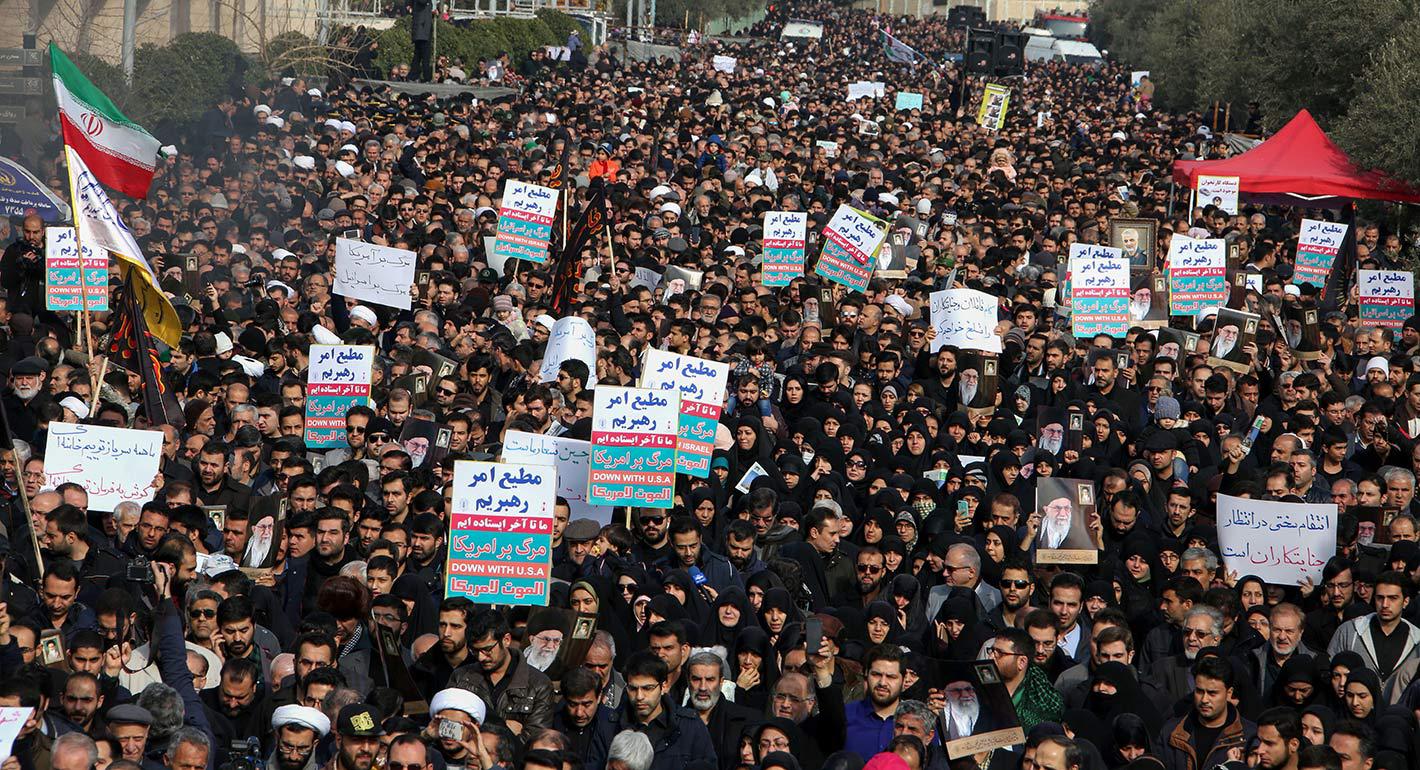
After deadly drone attacks, there is still an opportunity for the United States and Iran to take an off-ramp rather than escalate further. History suggests they would be wise to do so.
By assassinating Iranian Quds Force commander Qassem Soleimani as well as Iraqi deputy commander of the Popular Mobilization Forces Abu Mahdi al-Muhandis, the United States has significantly upped the ante in what was already a dangerous game with Iran. Chafing under strong pressure from U.S. sanctions, Iran and its proxies have taken increasingly provocative steps over the last few months: attacking Saudi oil production, military facilities with U.S. personnel, and most recently the U.S. embassy in Baghdad. Can the momentum be halted or reversed just as it is on the verge of spinning out of control?
In several Middle East military conflicts—particularly in Afghanistan, Iraq, Libya, and Yemen—there were moments early on when conflict might have been defused by deft U.S. diplomacy. Yet those opportunities weren’t seized, and not one of those wars has ended in a decisive manner that allowed a victor to impose peace terms. Each conflict has slowly, painfully returned to diplomacy to resolve underlying issues, and on terms that do not differ significantly from what might have been negotiated before thousands of lives were lost. Any war between the United States and Iran would be far more complicated than the others, most likely dragging in regional allies and involving asymmetric warfare around the globe.
The moment for diplomacy to avert a disastrous conflict between the United States and Iran is within the next few days. This is not a question of compromising with terrorists or of making concessions in response to brutality. It is in both U.S. and Iranian interests to preserve the option of diplomacy to resolve the outstanding issues (Iran’s regional interventions and nuclear program, U.S. sanctions) before tragedy ensues. Any strategic calculation that one side’s hand would be significantly stronger after a conflict—for example, the idea in Washington that the Iranian regime might collapse—is most likely incorrect, and in any case, it underestimates the likely costs.
European allies—particularly France, Germany, and Switzerland—and some of the more independent parties in the Gulf, such as Oman, have the best relations with both sides and strongest motivations to avert conflict. They should become active, and receive a fair hearing in Washington and Tehran, in what could be only a brief period before Iran regroups to exact its revenge.

Former Nonresident Scholar, Middle East Program
Michele Dunne was a nonresident scholar in Carnegie’s Middle East Program, where her research focuses on political and economic change in Arab countries, particularly Egypt, as well as U.S. policy in the Middle East.
Recent Work



Yasmine Farouk, Nathan J. Brown, Maysaa Shuja Al-Deen, …
Robert Springborg, Emile Hokayem, Becca Wasser, …
Carnegie does not take institutional positions on public policy issues; the views represented herein are those of the author(s) and do not necessarily reflect the views of Carnegie, its staff, or its trustees.
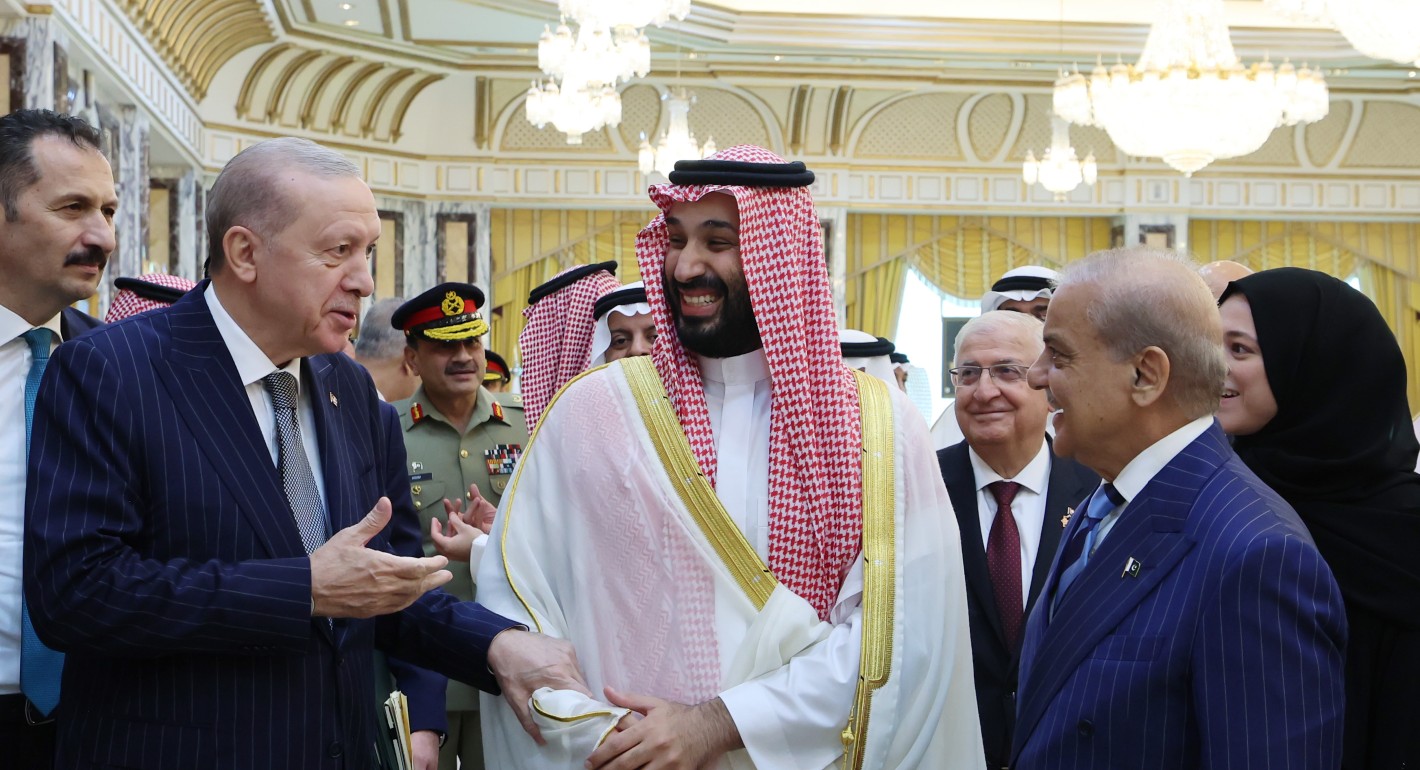
Why Pakistan, Saudi Arabia, and Turkey are joining forces on regional security.


Alper Coşkun, Amr Hamzawy

The truth of the strategic situation is that Europe and Russia are extremely unlikely to be able to “turn the page” on their confrontation within the next two decades.

Arkady Moshes
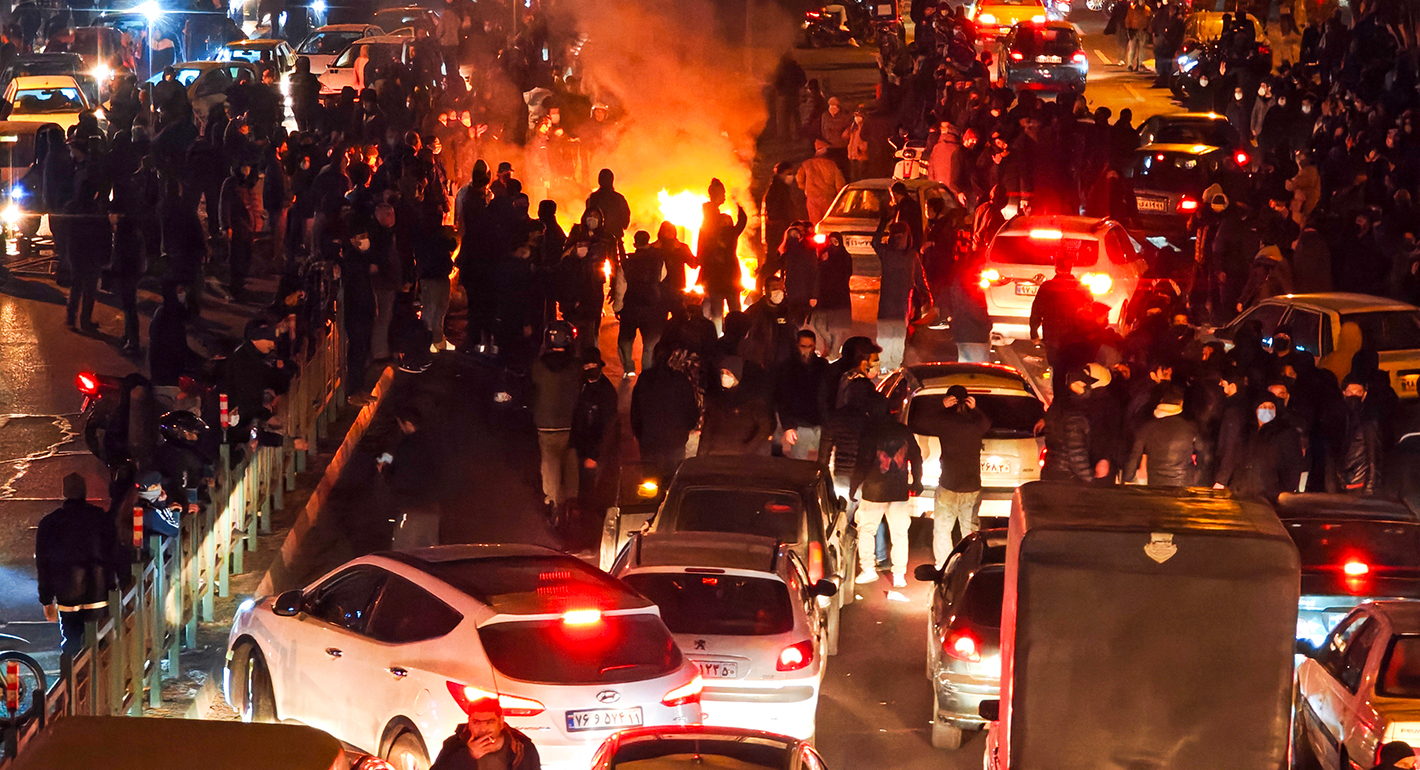
Protests in Iran follow a similar pattern: Economic grievances turn into political protests that spread nationwide. But increased state repression has begun to shift the arrangement.

Eric Lob

Despite public disputes over trade and immigration, the strategic partnership’s foundations remain sturdy.

Sameer Lalwani
It signals a new era of tech diffusion and warfare.

Steve Feldstein