

Article
Dan Baer
{
  "authors": [
    "Dan Baer"
  ],
  "type": "legacyinthemedia",
  "centerAffiliationAll": "dc",
  "centers": [
    "Carnegie Endowment for International Peace"
  ],
  "collections": [],
  "englishNewsletterAll": "ctw",
  "nonEnglishNewsletterAll": "",
  "primaryCenter": "Carnegie Endowment for International Peace",
  "programAffiliation": "EP",
  "programs": [
    "Europe"
  ],
  "projects": [],
  "regions": [
    "East Asia",
    "China",
    "Western Europe",
    "Iran"
  ],
  "topics": [
    "Political Reform",
    "Foreign Policy"
  ]
}
Source: Getty
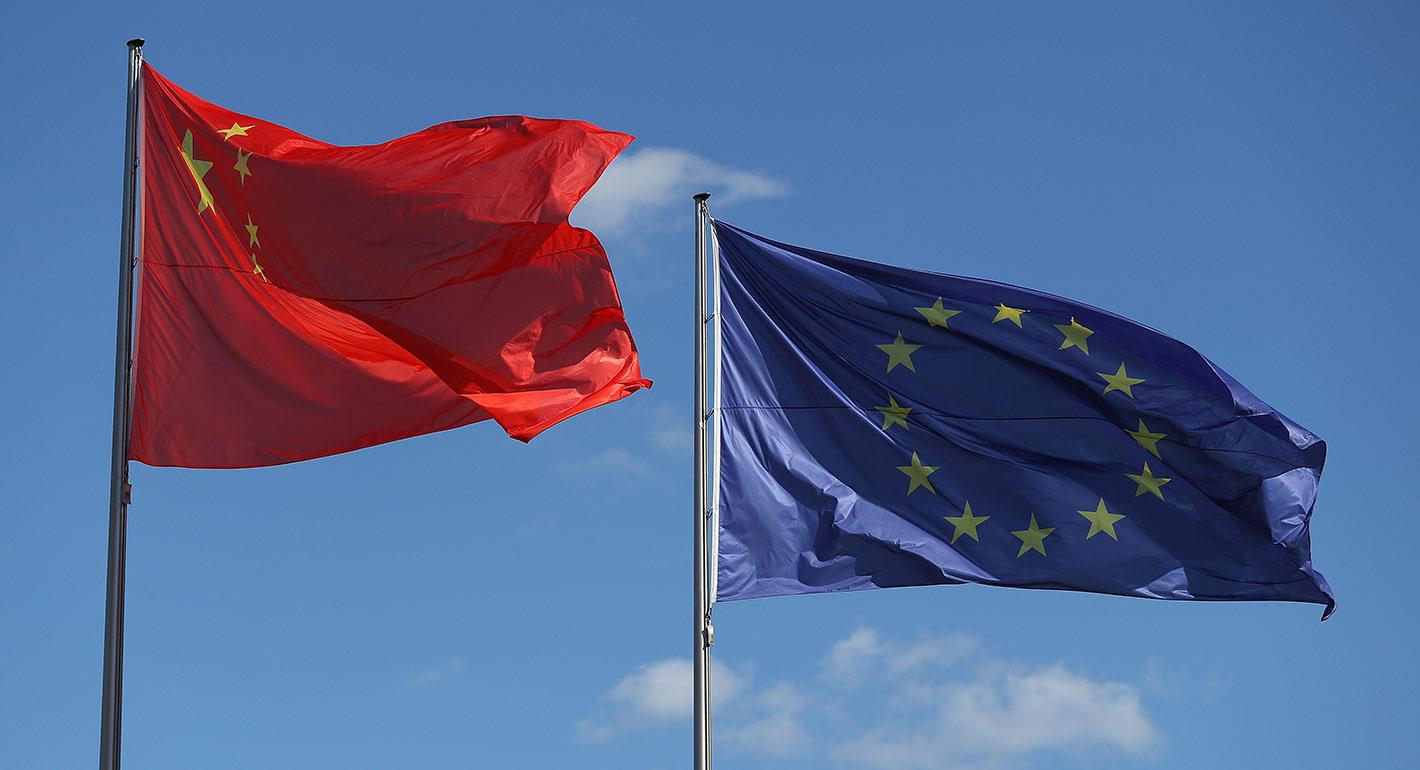
China’s policies do not evidence a commitment to global governance as such, only an effort to advance China’s objectives through multilateral organizations.
Source: China File
While democratic intuitions lead some to embrace the idea of according China a growing voice and representation in the formal mechanisms of global governance that make up the multilateral system, China’s voice is a decidedly non-democratic one. China’s policies do not evidence a commitment to global governance as such, only an effort to advance China’s objectives through multilateral organizations.
There are plenty of examples of China’s successfully advancing its national policies through multilateral organizations, but the more consequential question is whether China’s engagement will change what multilateral governance is: Is it just a reconciliation mechanism for state interests? Or is it a collaborative effort—messy, imperfect, unreliable, but capable of incremental progress—to advance the principles and practice of a fairer and more predictable mode of international politics, one that is not just a nexus of negotiations but also a platform for addressing collective action problems?
When one considers the kinds of challenges the world must address successfully in the coming decades—climate change, migration, pandemics—it’s clear multilateral organizations must be more than a clearinghouse for state policies. So the question of what we can expect from China’s growing presence in multilateral organizations is only half a question. Its requisite other half is whether the U.S. and other democratic states reduce their involvement or even withdraw.
A stated ambition of U.S. China policy for a generation was to “knit” China into the international system, implicitly to exchange U.S. recognition of China’s growing global role for China’s acceptance of the system’s rules of the road. It’s easy to identify areas where this has not delivered the desired results: China is a member of the Human Rights Council despite, inter alia, its imprisonment of over a million Uighurs in concentration camps; the WTO fails to sufficiently curb China’s unfair trading practices; the U.N. Convention on the Law of the Sea has not stopped China’s creeping expansion in the South China Sea.
Do such failures mean that we should abandon hopes of mediating state behavior through multilateralism and international law and rely on coercive measures and “great power competition”? Or should we invest, including through coercive measures, in bolstering the international system to make it more effective? At least in the near term, the right answer is probably a mixture of both. The U.S. withdrawal from the U.N. Human Rights Council can’t be blamed for China’s presence on it, but U.S. absence certainly creates a more permissive environment for China and other authoritarian regimes to make a mockery of its work. And the U.N. Convention on the Law of the Sea could potentially be more of a constraint on state action if the U.S. were to ratify it. The point is, if the U.S. and others abandon positions of co-stewardship of the international system, they can hardly expect the system to fulfill its potential as a meaningful constraint on China’s behavior.
China, too, faces a paradox of sorts: The more it exerts power and control in multilateral organizations, the less useful those organizations are at legitimating its actions. Many states seek the “blessing” of state objectives by a relevant multilateral organization. While democratic states that participate and lead within the U.N. system and other multilateral forums lend their political legitimacy to those organizations, China—like other authoritarian regimes—borrows legitimacy from multilateral organizations. If China uses the U.N. to advance its own objectives without an eye toward sustainable global governance, eventually the U.N. will have less legitimacy to lend China.
Interim President
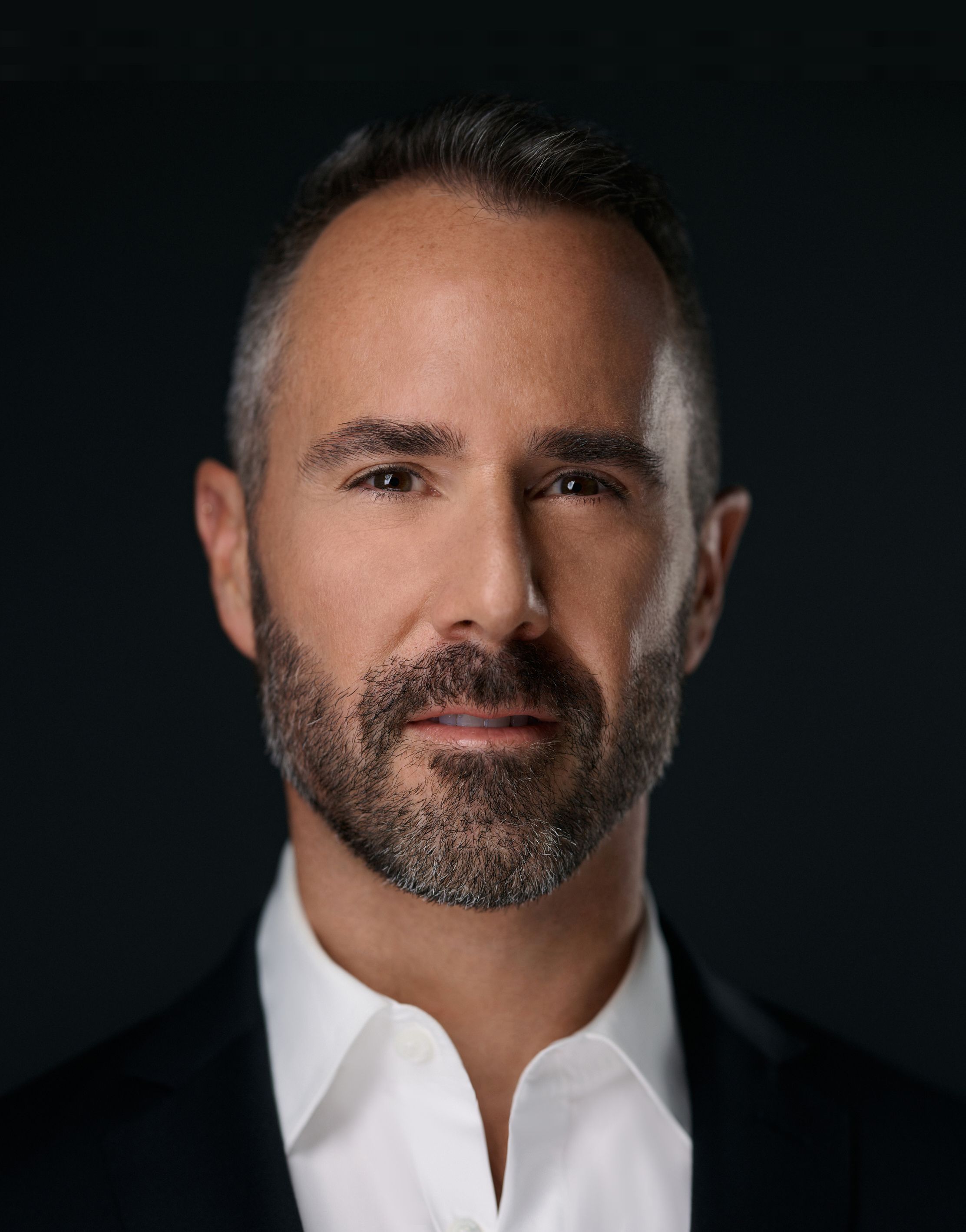
Dan Baer is the interim president of the Carnegie Endowment for International Peace. Under President Obama, he was U.S. ambassador to the Organization for Security and Cooperation in Europe (OSCE) and he also served deputy assistant secretary of state for the Bureau of Democracy, Human Rights, and Labor.
Recent Work


Richard Youngs, Erik Jones, Dan Baer, …
Carnegie does not take institutional positions on public policy issues; the views represented herein are those of the author(s) and do not necessarily reflect the views of Carnegie, its staff, or its trustees.

It should address the shortcomings of previous crisis communication efforts and adapt to the demands of frontier AI.

Lucy Luo

If the Russian-speaking community in Latvia cannot articulate their interests without being seen as disloyal, they could end up embracing a pro-Kremlin agenda.

Sergejs Potapkins
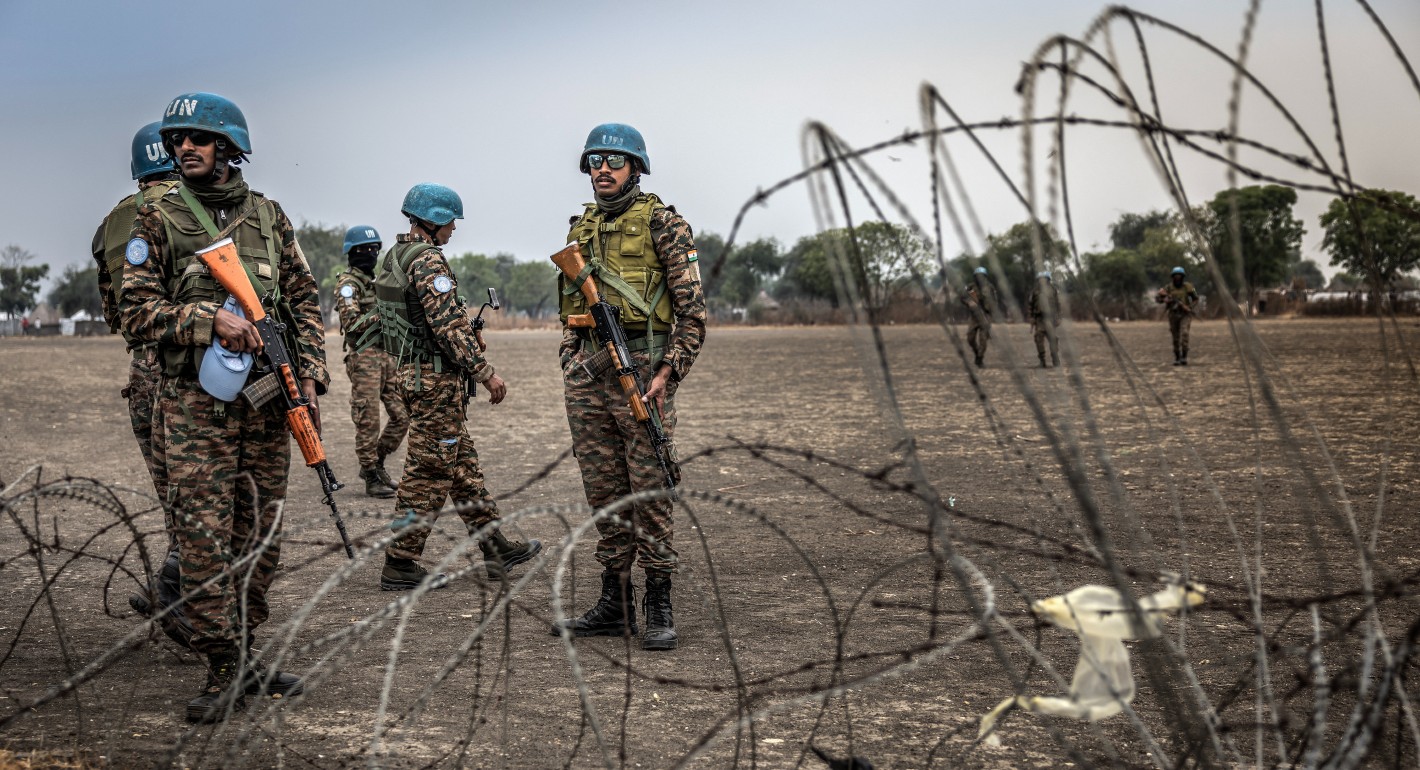
Washington’s decision to support some UN functions while letting others wither is pulling the organization apart at the seams.

Stewart Patrick, Theodore Zaritsky

Are Germany’s economic, industrial, and political struggles becoming a liability for the EU’s ability to rise to the geopolitical moment?

Rym Momtaz, ed.

Russia’s ruling party would have benefited from Putin appearing as its distant patron, but as an active frontman imposing his views on the public, he has done nothing but harm both the party’s election campaign and the ruling system overall.

Andrey Pertsev