

Commentary
Leaning into a multispeed Europe that includes the UK is the way Europeans don’t get relegated to suffering what they must, while the mighty United States and China do what they want.
Rym Momtaz
{
  "authors": [
    "Tong Zhao"
  ],
  "type": "other",
  "centerAffiliationAll": "",
  "centers": [
    "Carnegie Endowment for International Peace",
    "Carnegie China"
  ],
  "collections": [
    "U.S.-China Relations",
    "Future of Arms Control"
  ],
  "englishNewsletterAll": "",
  "nonEnglishNewsletterAll": "",
  "primaryCenter": "Carnegie China",
  "programAffiliation": "",
  "programs": [],
  "projects": [],
  "regions": [],
  "topics": [
    "Arms Control",
    "Security"
  ]
}
Source: Getty
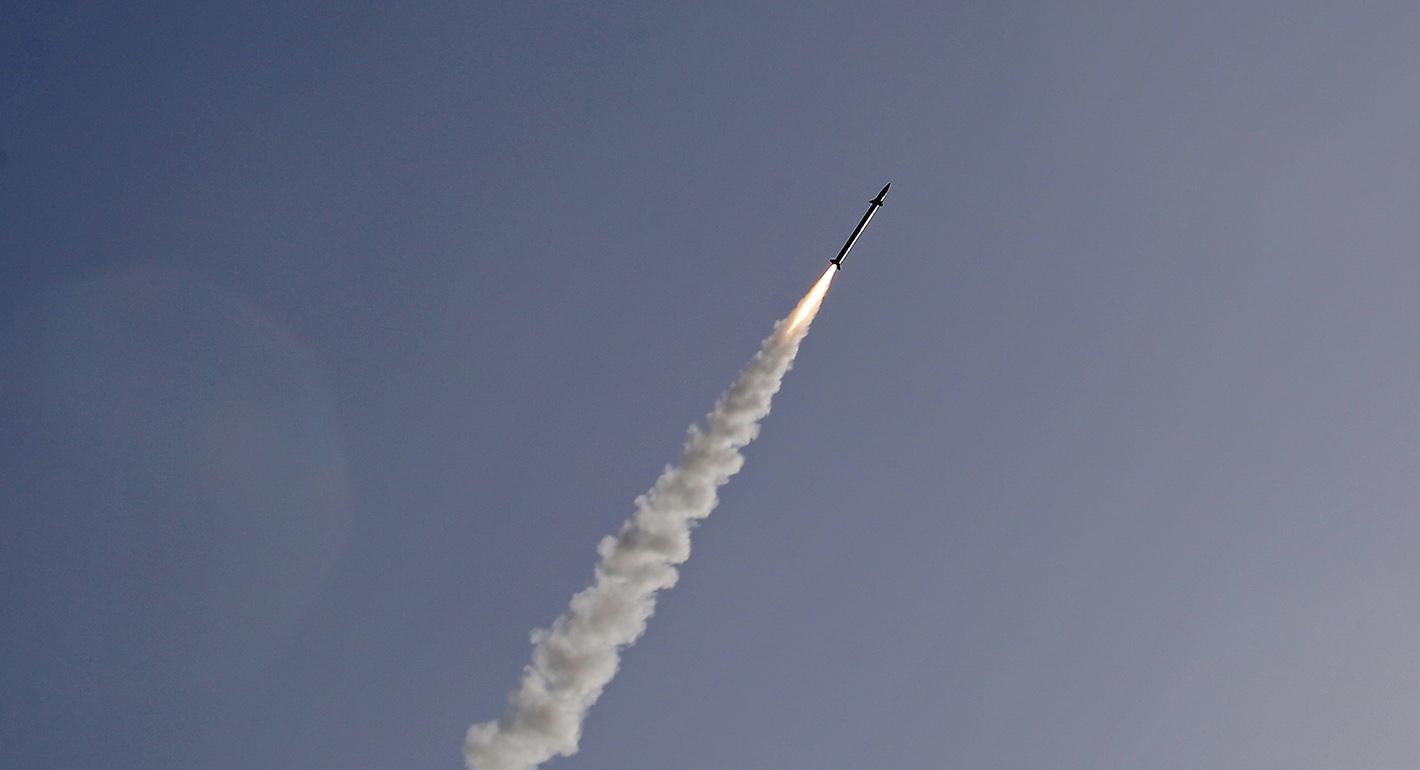
To better understand the prospects for U.S.-China arms control, The Diplomat’s senior editor, Ankit Panda, spoke to Tong Zhao, a senior fellow in the Nuclear Policy Program at the Carnegie Endowment for International Peace, based at the Carnegie-Tsinghua Center for Global Policy in Beijing.
Source: The Diplomat
The Trump administration has made strategic arms control with China an important component of its diplomatic agenda with Beijing. As the end of the U.S.-Russia 2010 Strategic Arms Reduction Treaty (New START) looms in February 2021, U.S. officials insist that any extension of that agreement for five years must include China. Beijing has, meanwhile, rejected U.S. calls to participate in arms control, citing its much smaller nuclear arsenal in absolute terms and by emphasizing a unique responsibility for Washington and Moscow to pursue arms control.
To better understand the prospects for U.S.-China arms control, The Diplomat’s senior editor, Ankit Panda, spoke to Tong Zhao, a senior fellow in the Nuclear Policy Program at the Carnegie Endowment for International Peace, based at the Carnegie–Tsinghua Center for Global Policy in Beijing.
Carnegie does not take institutional positions on public policy issues; the views represented herein are those of the author(s) and do not necessarily reflect the views of Carnegie, its staff, or its trustees.
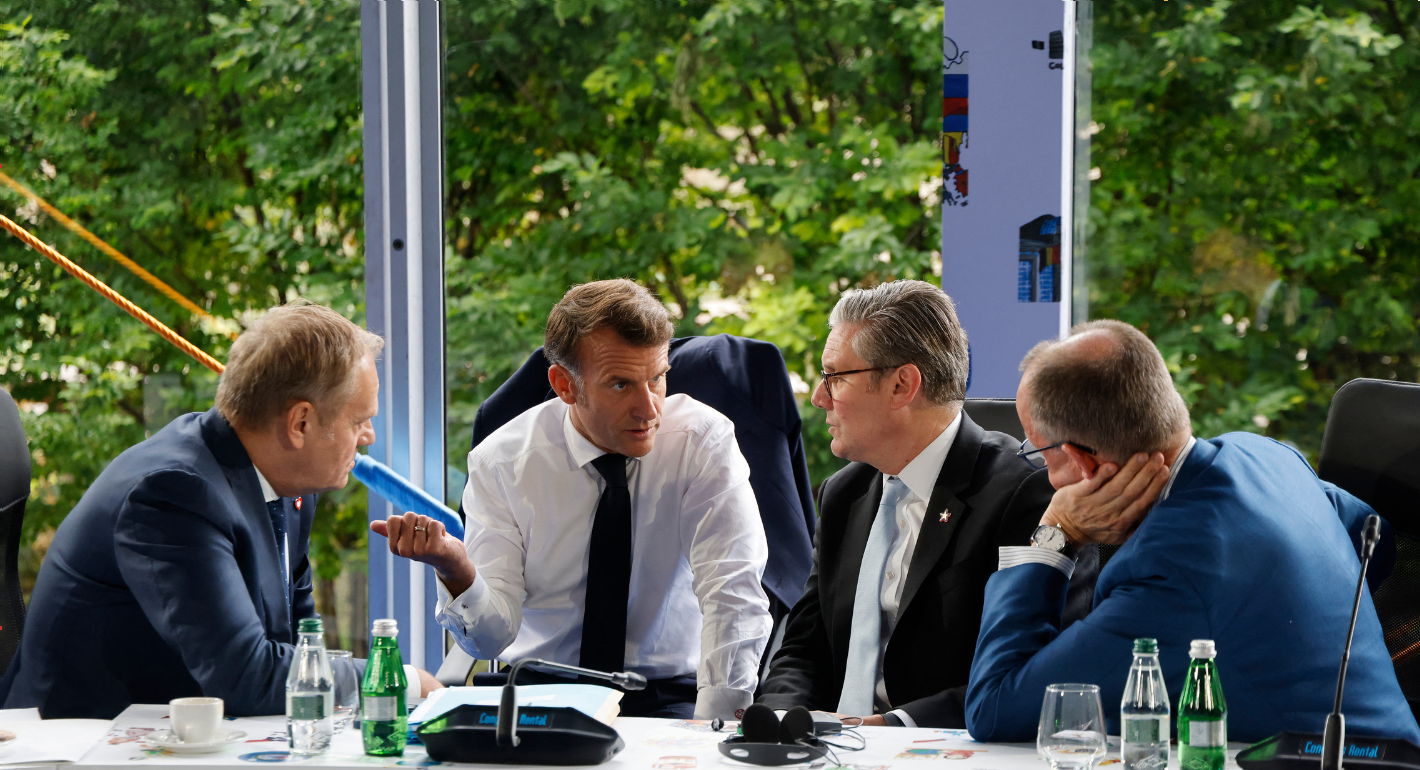
Leaning into a multispeed Europe that includes the UK is the way Europeans don’t get relegated to suffering what they must, while the mighty United States and China do what they want.

Rym Momtaz
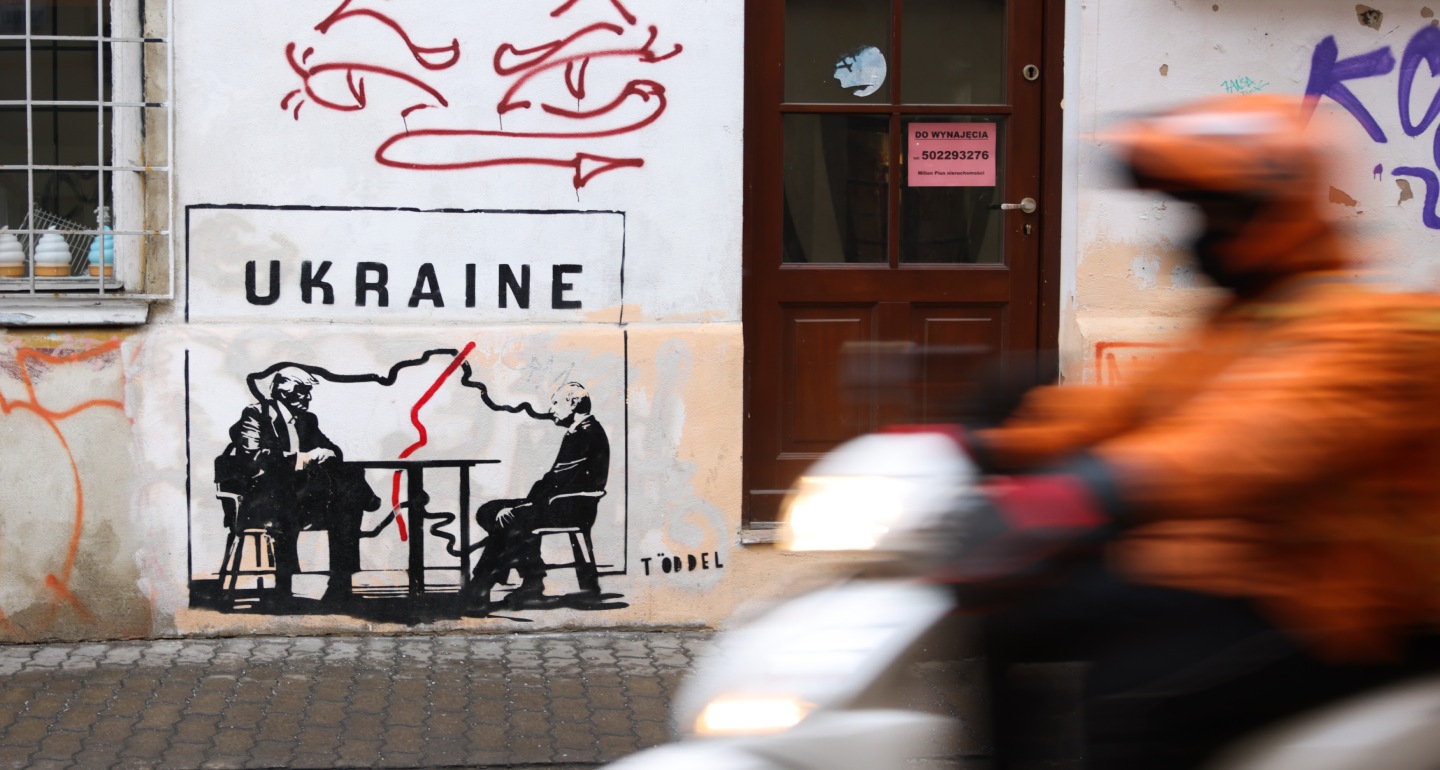
Insisting on Zelensky’s resignation is not just a personal vendetta, but a clear signal that the Kremlin would like to send to all its neighbors: even if you manage to put up some resistance, you will ultimately pay the price—including on a personal level.

Vladislav Gorin
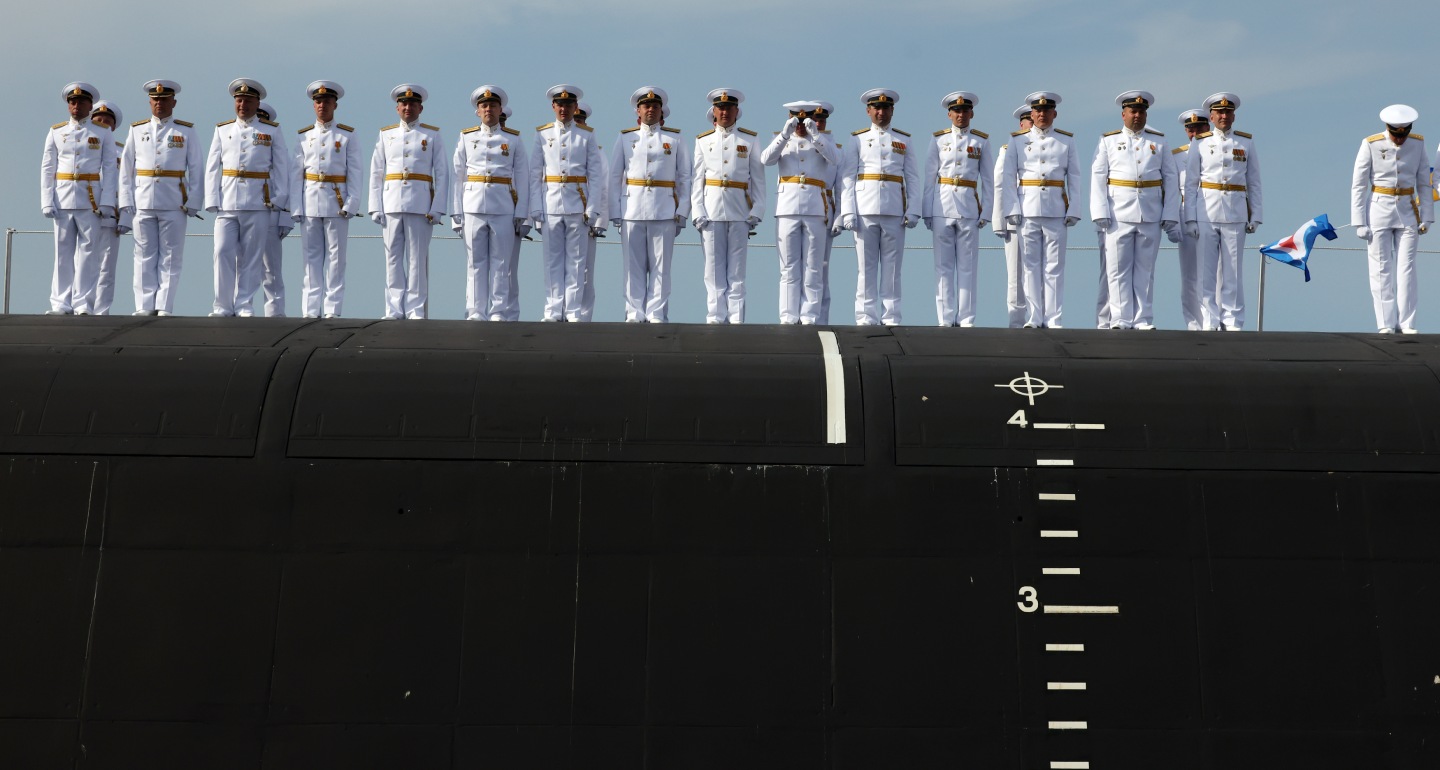
For Putin, upgrading Russia’s nuclear forces was a secondary goal. The main aim was to gain an advantage over the West, including by strengthening the nuclear threat on all fronts. That made growth in missile arsenals and a new arms race inevitable.

Maxim Starchak
For a real example of political forces engaged in the militarization of society, the Russian leadership might consider looking closer to home.

James D.J. Brown

The risk posed by Lukashenko today looks very different to how it did in 2022. The threat of the Belarusian army entering the war appears increasingly illusory, while Ukraine’s ability to attack any point in Belarus with drones gives Kyiv confidence.

Artyom Shraibman