

Commentary
The conflict is exposing the deep energy vulnerabilities of Korea’s chip industry.
Darcie Draudt-Véjares, Tim Sahay
{
  "authors": [
    "Philippe Le Corre",
    "John Ferguson"
  ],
  "type": "legacyinthemedia",
  "centerAffiliationAll": "dc",
  "centers": [
    "Carnegie Endowment for International Peace"
  ],
  "collections": [],
  "englishNewsletterAll": "ctw",
  "nonEnglishNewsletterAll": "",
  "primaryCenter": "Carnegie Endowment for International Peace",
  "programAffiliation": "EP",
  "programs": [
    "Europe"
  ],
  "projects": [],
  "regions": [
    "East Asia",
    "China",
    "Western Europe",
    "United Kingdom",
    "France",
    "Germany",
    "Iran"
  ],
  "topics": [
    "Economy",
    "Foreign Policy",
    "Technology"
  ]
}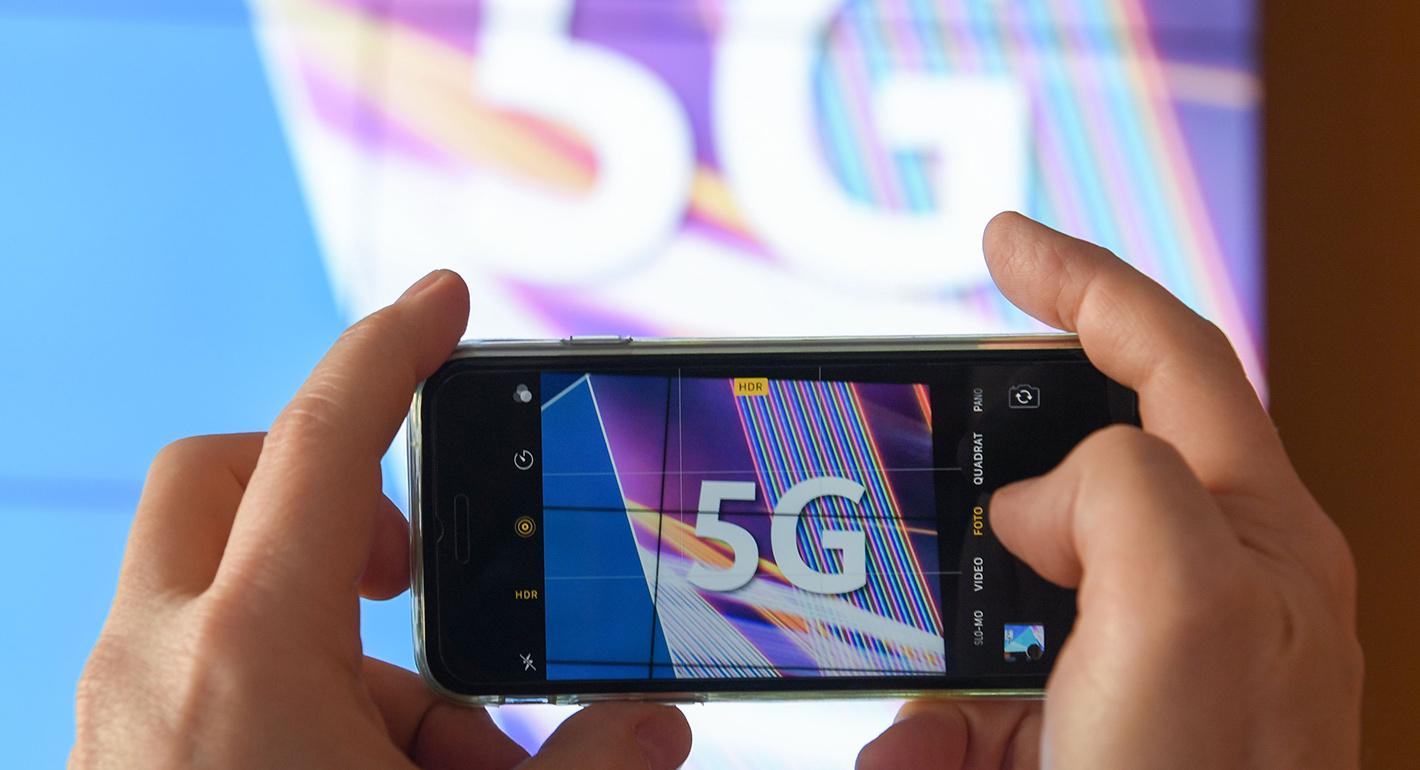
Source: Getty
France has followed the U.K.’s lead, refusing to ratify an extradition treaty with Hong Kong and requiring local operators stop using Huawei by 2028. As for Germany, it finds itself as the last of the E3 and the ultimate decision maker on which way Europe could swing.
Source: Diplomat
At a time when U.S.-China relations seemingly plunge to new successive lows every day, with Washington and Beijing exchanging tit-for-tat responses in shuttering consulates and with President Donald Trump pursuing an all-out assault on Chinese tech, the European theater in the emerging Cold War is reaching an equally escalatory albeit quieter inflection point.
In recent weeks, the United Kingdom has made substantial moves to shift its China policy, first by inviting Hong Kong British Overseas passport holders to apply for permanent residency, and second by excluding Huawei from its 5G networks from 2027 onwards. France has followed the U.K.’s lead on both accounts, refusing to ratify an extradition treaty with Hong Kong and requiring local operators stop using Huawei by 2028. As for Germany, it finds itself as the last of the E3 and the ultimate decision maker on which way Europe could swing.
Former Nonresident Senior Fellow, Europe Program
Philippe Le Corre was a nonresident senior fellow in the Europe Program at the Carnegie Endowment for International Peace.
John Ferguson
John Ferguson is a research assistant at the Harvard Kennedy School’s M-RCBG.
Carnegie does not take institutional positions on public policy issues; the views represented herein are those of the author(s) and do not necessarily reflect the views of Carnegie, its staff, or its trustees.
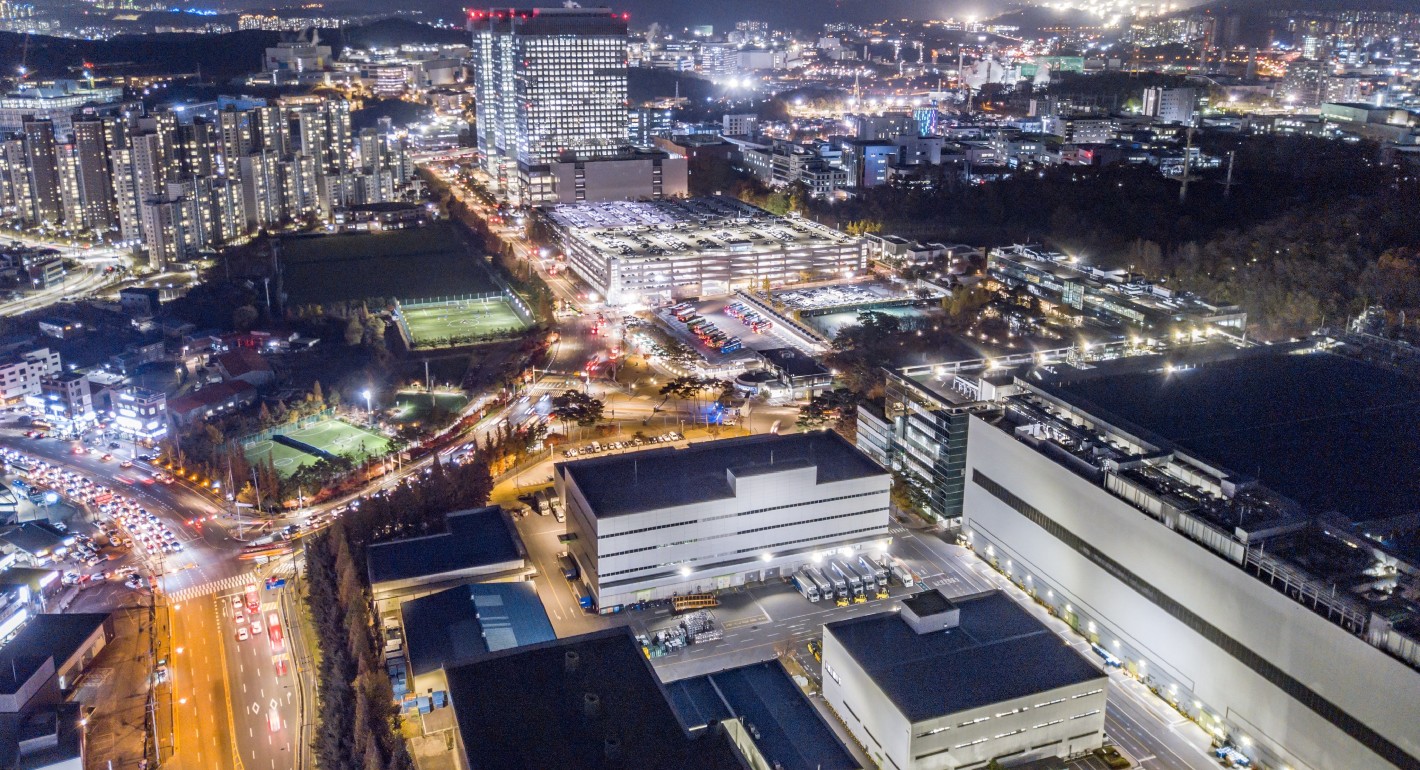
The conflict is exposing the deep energy vulnerabilities of Korea’s chip industry.


Darcie Draudt-Véjares, Tim Sahay
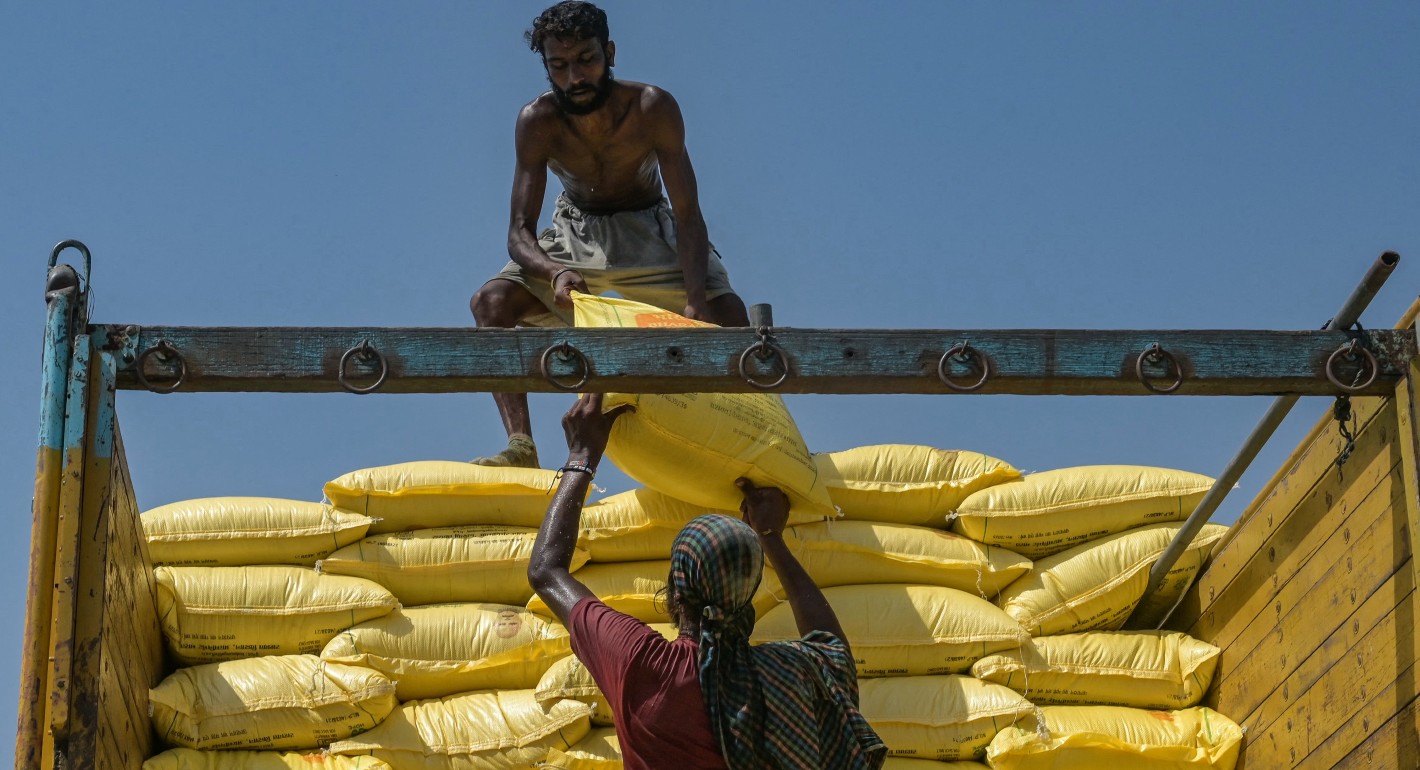
Even if the Iran war stops, restarting production and transport for fertilizers and their components could take weeks—at a crucial moment for planting.

Noah Gordon, Lucy Corthell
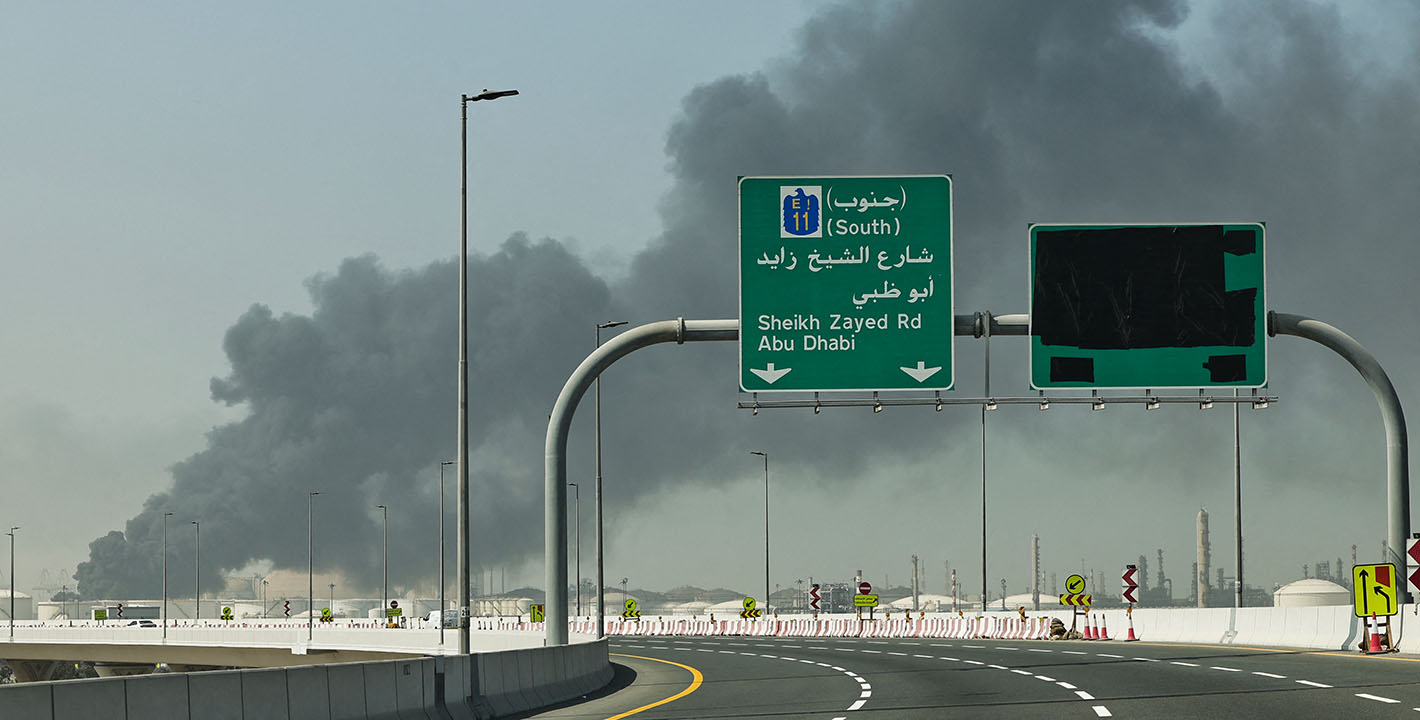
The countries in the region are managing the fallout from Iranian strikes in a paradoxical way.

Angie Omar
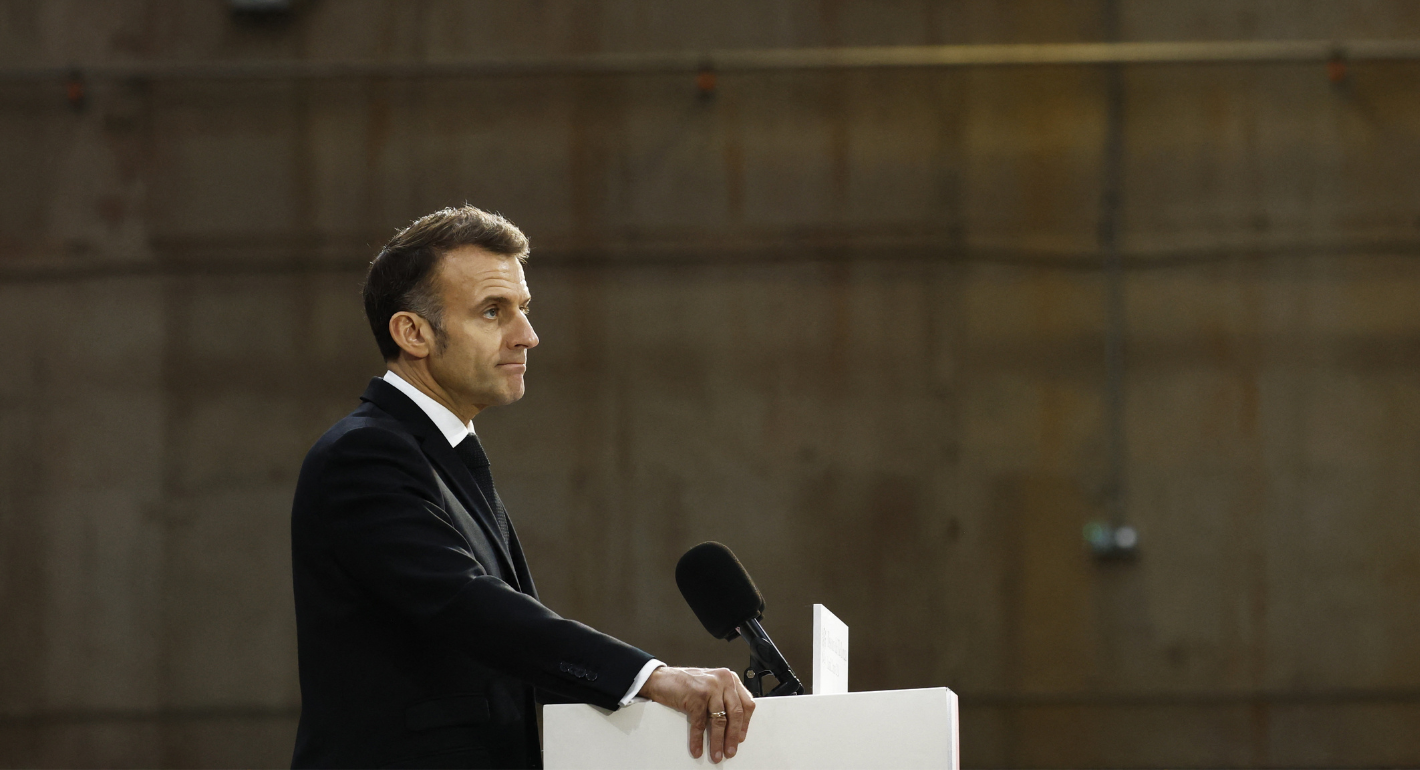
French President Emmanuel Macron has unveiled his country’s new nuclear doctrine. Are the changes he has made enough to reassure France’s European partners in the current geopolitical context?

Rym Momtaz, ed.
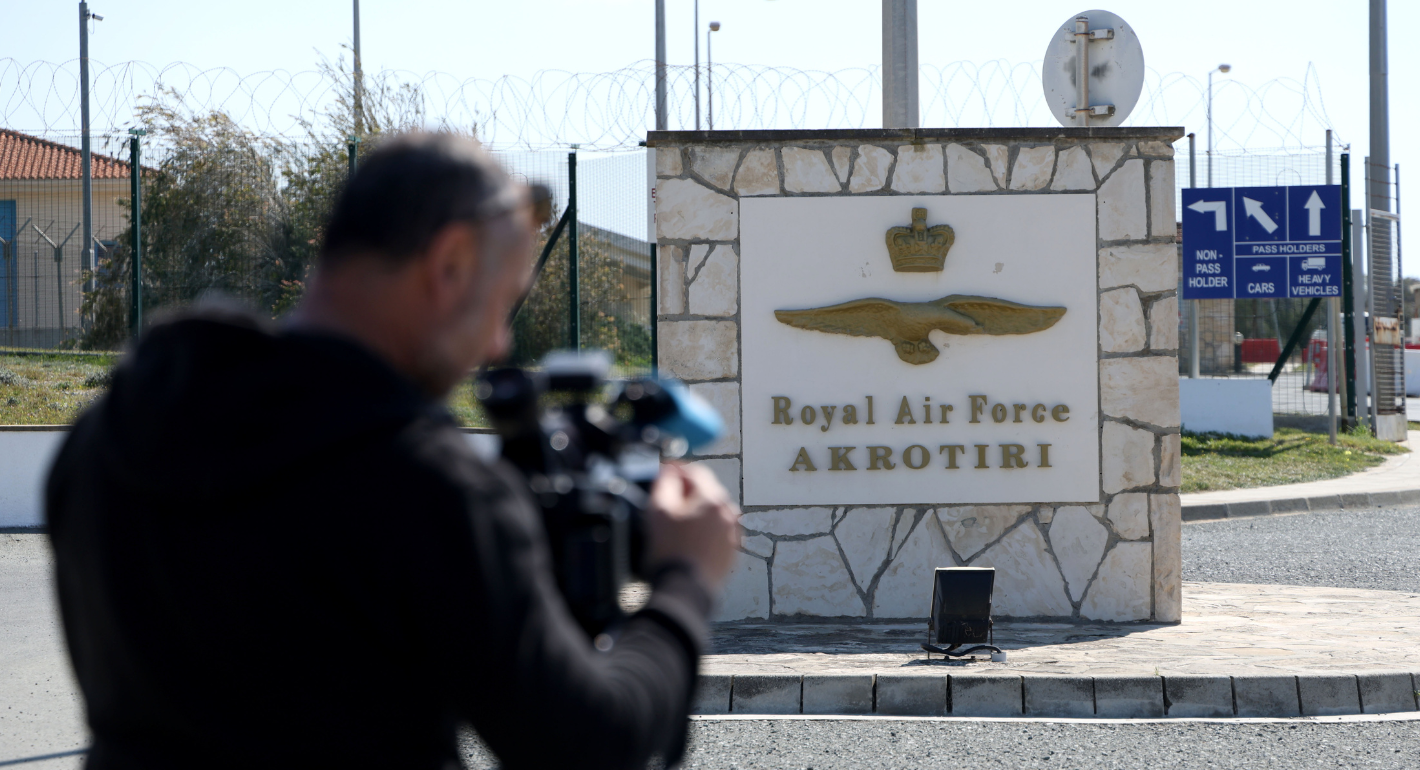
The drone strike on the British air base in Akrotiri brings Europe’s proximity to the conflict in Iran into sharp relief. In the fog of war, old tensions in the Eastern Mediterranean risk being reignited, and regional stakeholders must avoid escalation.

Marc Pierini