

Article
Japan’s revision of its three strategic documents reflects an intention to keep the United States engaged in the region while Japan fills any vacuums of U.S. power to preserve the Indo-Pacific order.
Ryo Sahashi
{
  "authors": [
    "Nathan Toronto",
    "Eleonora Ardemagni",
    "Giuseppe Dentice"
  ],
  "type": "legacyinthemedia",
  "centerAffiliationAll": "",
  "centers": [
    "Carnegie Endowment for International Peace",
    "Malcolm H. Kerr Carnegie Middle East Center"
  ],
  "collections": [
    "Civil-Military Relations in Arab States"
  ],
  "englishNewsletterAll": "",
  "nonEnglishNewsletterAll": "",
  "primaryCenter": "Malcolm H. Kerr Carnegie Middle East Center",
  "programAffiliation": "",
  "programs": [],
  "projects": [],
  "regions": [
    "Egypt",
    "North Africa"
  ],
  "topics": [
    "Security",
    "Economy"
  ]
}
REQUIRED IMAGE
Under the presidency of Abdel Fattah el-Sisi, civil-military relations remain imbalanced: but paradoxically, the overwhelming role of the military, also as economic player, combines with the subtle narrowing of the military as cohesive entity.

Nathan Toronto
Former Commissioning Editor, Program on Civil-Military Relations in Arab States, Malcolm H. Kerr Carnegie Middle East Center
Nathan Toronto was the commissioning editor for the Program on Civil-Military Relations in Arab States at the Malcolm H. Kerr Carnegie Middle East Center. His research and practitioner work focus on civil-military relations, battlefield effectiveness, military recruitment and education, and Middle East security, especially in the Gulf region.
Eleonora Ardemagni
Giuseppe Dentice
Carnegie does not take institutional positions on public policy issues; the views represented herein are those of the author(s) and do not necessarily reflect the views of Carnegie, its staff, or its trustees.
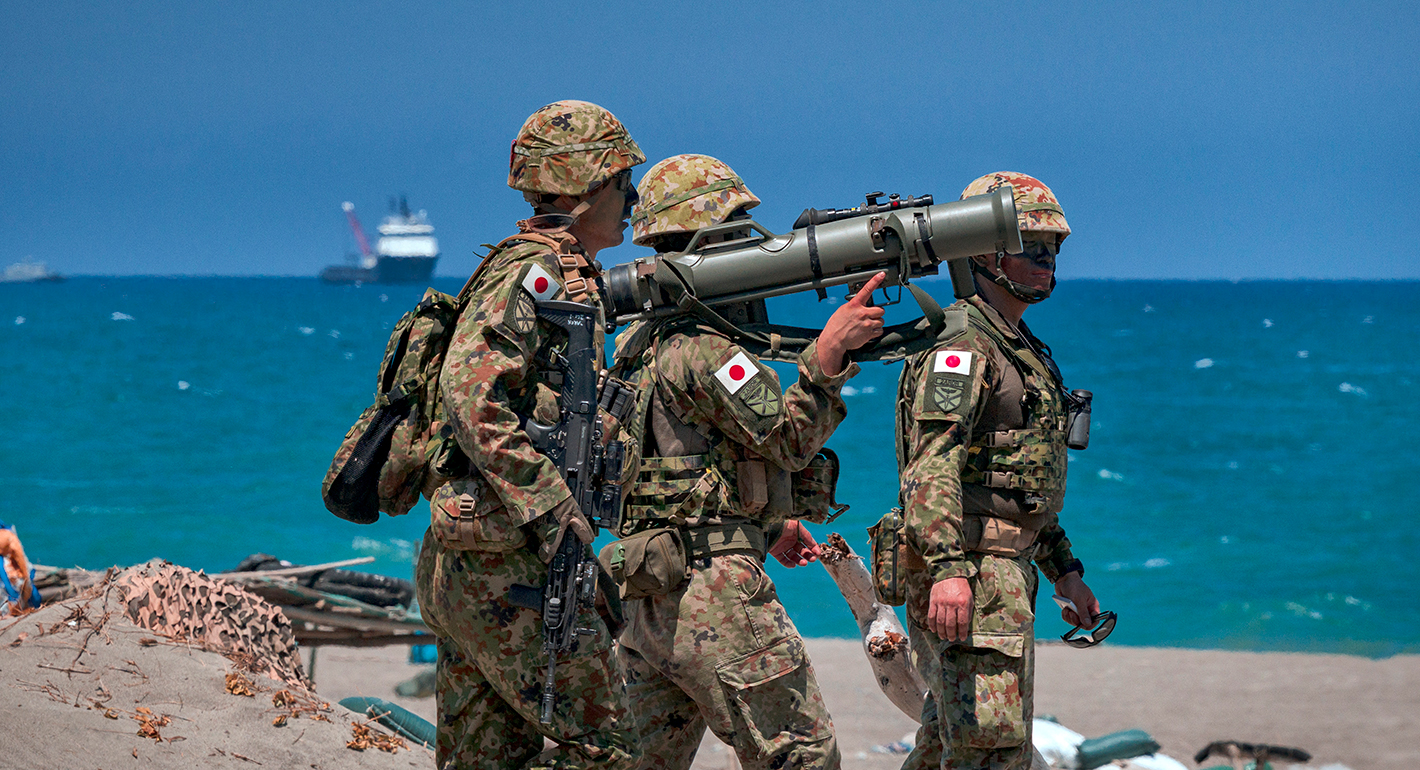
Japan’s revision of its three strategic documents reflects an intention to keep the United States engaged in the region while Japan fills any vacuums of U.S. power to preserve the Indo-Pacific order.
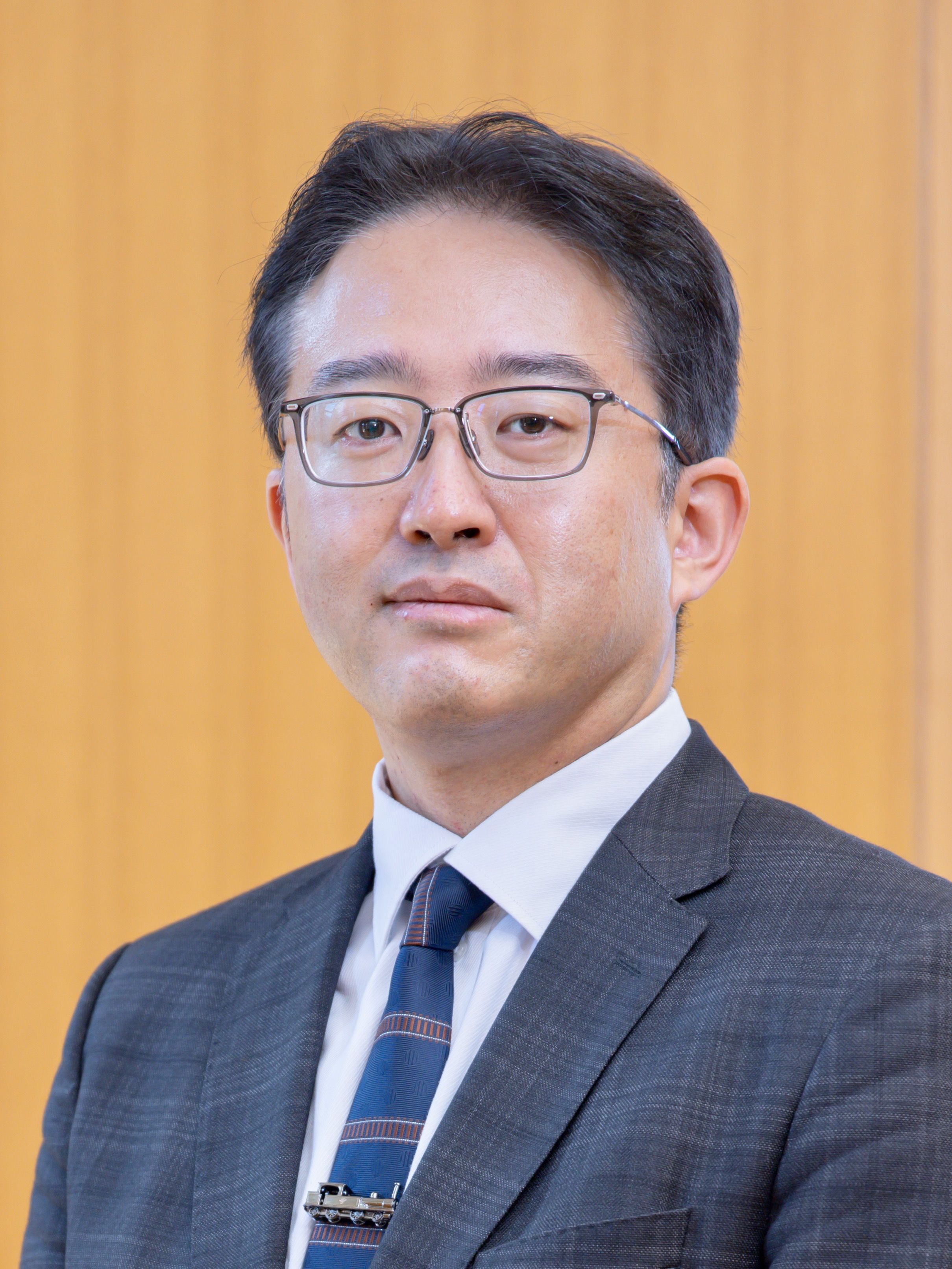
Ryo Sahashi
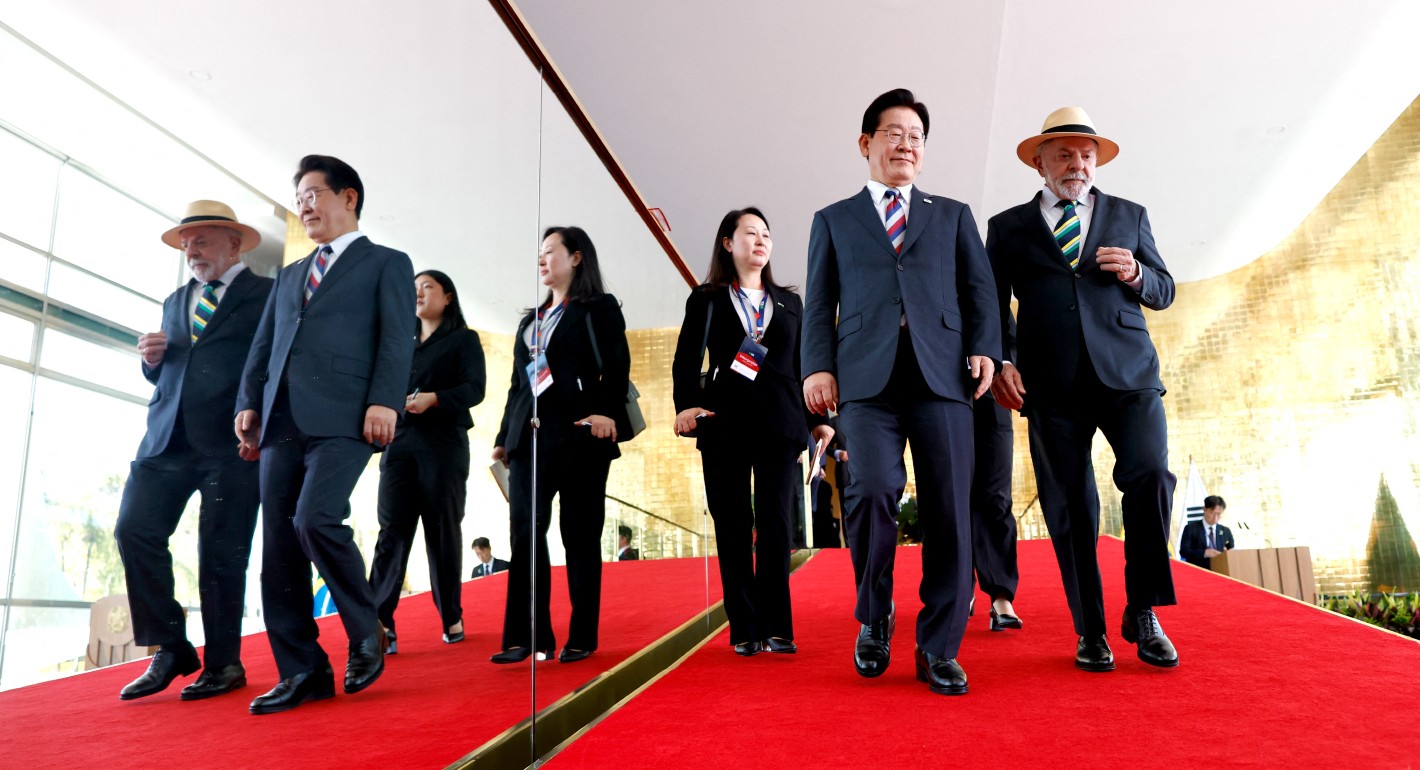
Lee’s tour shows how Seoul is reorganizing its diplomacy away from Pyongyang and toward industrial networks and the geography of the compute economy.

Darcie Draudt-Véjares
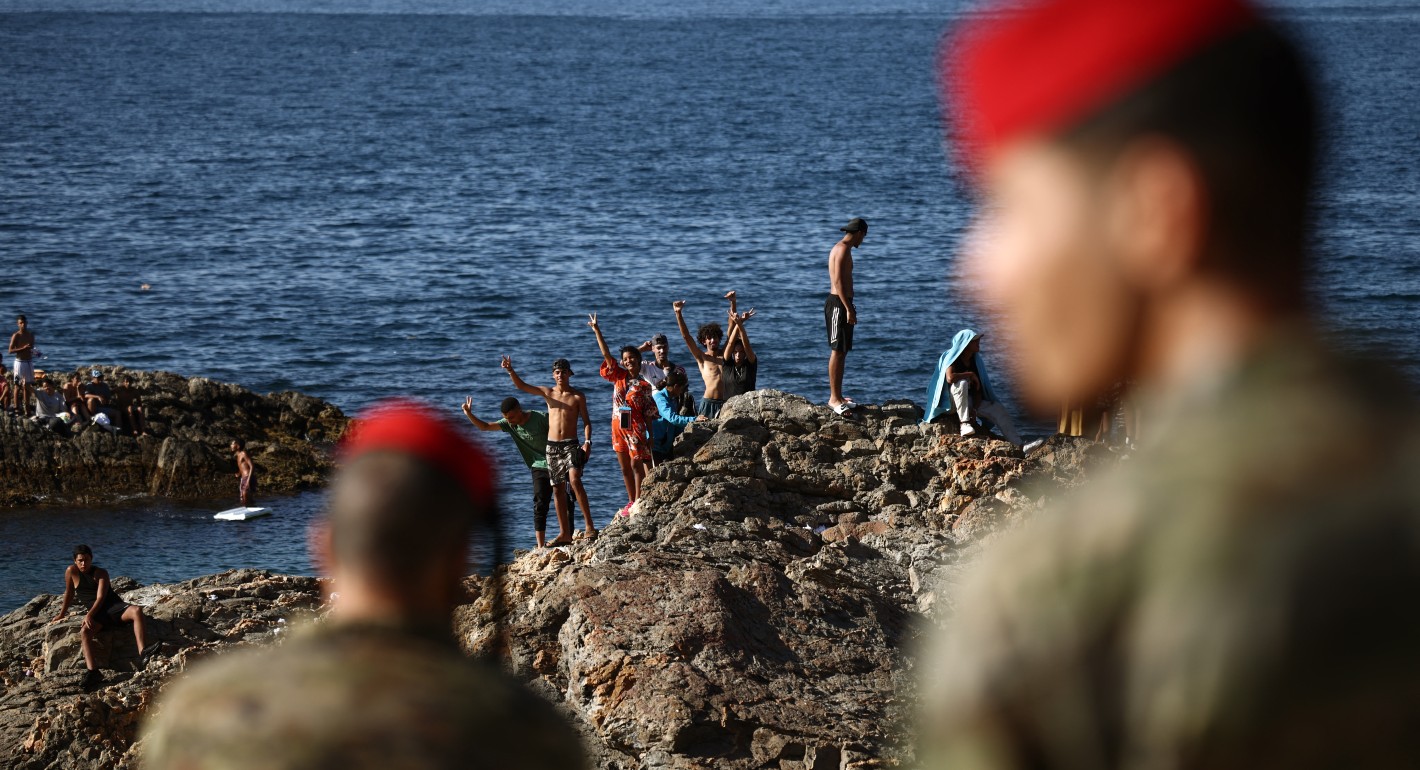
Most migrants may have left Ceuta, but the effects may linger.


Alejandro Martin Rodriguez, Sarah Yerkes
Saied’s main accomplishment has been to destroy a decade’s worth of democratic progress.
Sarah Yerkes
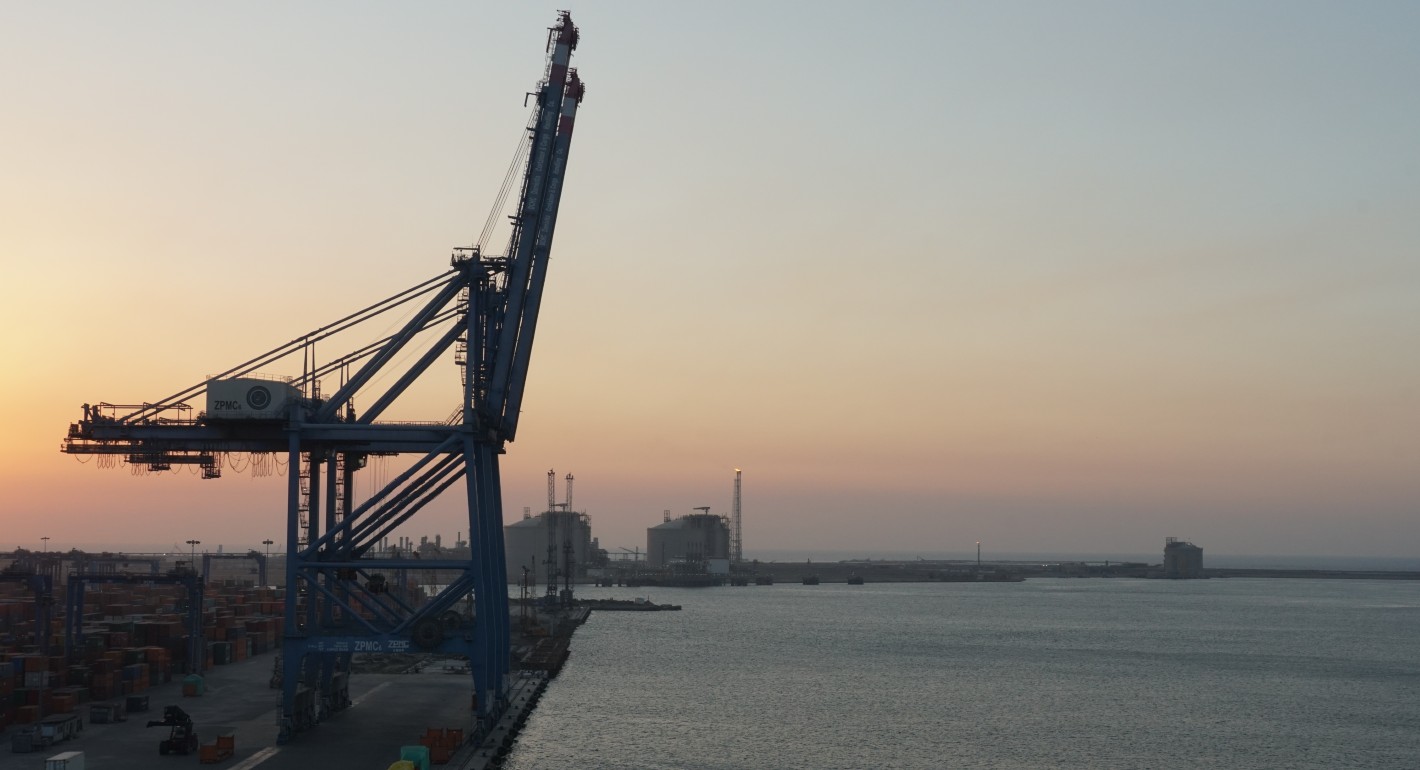
The targeting of Damietta Port appears to be more than a mere security message.

Amr Hamzawy