

Research
- +5
Alper Coşkun, Fatih Ceylan, Tacan İldem, …
{
  "authors": [
    "Alper Coşkun"
  ],
  "type": "legacyinthemedia",
  "centerAffiliationAll": "dc",
  "centers": [
    "Carnegie Endowment for International Peace"
  ],
  "collections": [],
  "englishNewsletterAll": "ctw",
  "nonEnglishNewsletterAll": "",
  "primaryCenter": "Carnegie Endowment for International Peace",
  "programAffiliation": "EP",
  "programs": [
    "Europe"
  ],
  "projects": [],
  "regions": [
    "Caucasus",
    "Russia",
    "Iran"
  ],
  "topics": [
    "Foreign Policy"
  ]
}
REQUIRED IMAGE
It is time to seize the opportunity that has presented itself. The designation of envoys from Armenia and Turkey to work on the normalization of ties between the two countries is promising, as are the prospects of enhanced regional cooperation schemes and the opportunities that new trade routes may offer.

Senior Fellow, Europe Program
Alper Coşkun is a senior fellow in the Europe Program and leads the Türkiye and the World Project at the Carnegie Endowment for International Peace in Washington, DC.
Recent Work
Alper Coşkun, Fatih Ceylan, Tacan İldem, …
Sophia Besch, Alper Coşkun, Nate Reynolds, …
Carnegie does not take institutional positions on public policy issues; the views represented herein are those of the author(s) and do not necessarily reflect the views of Carnegie, its staff, or its trustees.

The acknowledgment has sparked fears of a new arms race with China and Russia.

Chris O’Meara

Smaller powers cannot go it alone, but Canadian history shows that integration with the United States will not always be benign.
Paul Samson

The European Commissioner for Trade is headed to China. But after President Xi’s bridge-building visit to Washington, can a more isolated EU overcome Beijing’s stranglehold on critical raw materials? Who will blink first?

Rym Momtaz, ed.
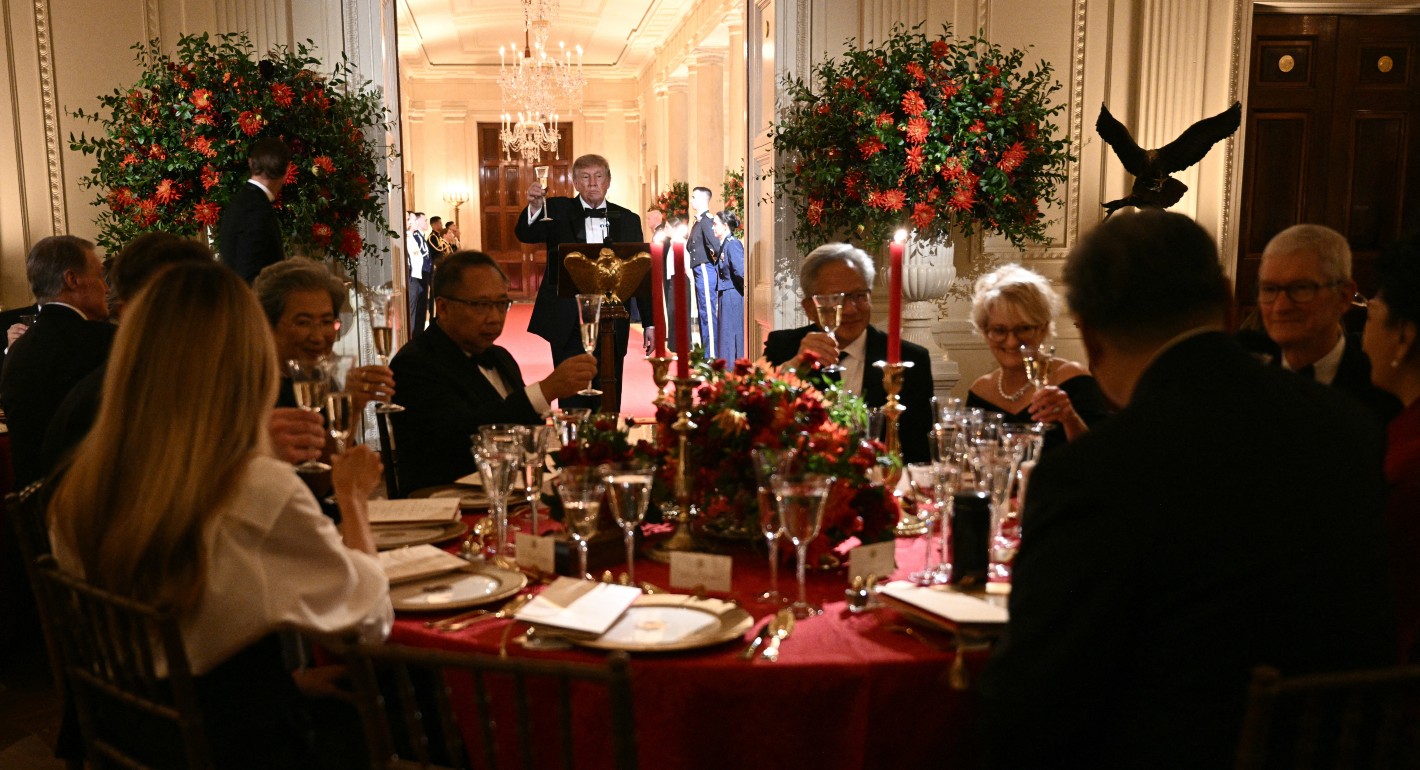
The summit may be remembered as a fatal blunder, when Washington, Beijing, and the AI industry collectively chose ceremony over action.

Jeffrey Prescott

European NATO countries are wrestling with the possibility of U.S. disengagement from the alliance. With the continent’s security increasingly uncertain, governments must restore the credibility of their collective defense.



Hans-Dieter Lucas, Adam Thomson, Pierre Vimont