

Commentary
Dimitar Bechev, Iliriana Gjoni
{
  "authors": [
    "Dimitar Bechev"
  ],
  "type": "legacyinthemedia",
  "centerAffiliationAll": "dc",
  "centers": [
    "Carnegie Endowment for International Peace",
    "Carnegie Europe"
  ],
  "collections": [
    "Europe’s Eastern Neighborhood"
  ],
  "englishNewsletterAll": "ctw",
  "nonEnglishNewsletterAll": "",
  "primaryCenter": "Carnegie Europe",
  "programAffiliation": "EP",
  "programs": [
    "Europe"
  ],
  "projects": [],
  "regions": [
    "Russia",
    "Europe",
    "Eastern Europe",
    "Ukraine",
    "Iran"
  ],
  "topics": [
    "Security",
    "Political Reform",
    "Foreign Policy"
  ]
}
REQUIRED IMAGE
In Russian President Vladimir Putin’s mind, invasion is the only way to stop Ukraine’s westward drift. While there is little that can stop Moscow in the short term, Ukrainian resistance, Western sanctions, and opposition within Russia spell trouble for Putin in the longer term.

Senior Fellow, Carnegie Europe
Dimitar Bechev is a senior fellow at Carnegie Europe, where he focuses on EU enlargement, the Western Balkans, and Eastern Europe.
Recent Work

Dimitar Bechev, Iliriana Gjoni
Dimitar Bechev
Carnegie does not take institutional positions on public policy issues; the views represented herein are those of the author(s) and do not necessarily reflect the views of Carnegie, its staff, or its trustees.
Power assessments shape our perceptions of the limits of the possible, but quantitative rankings and dashboards can provide false confidence.
Nicholas Kitchen
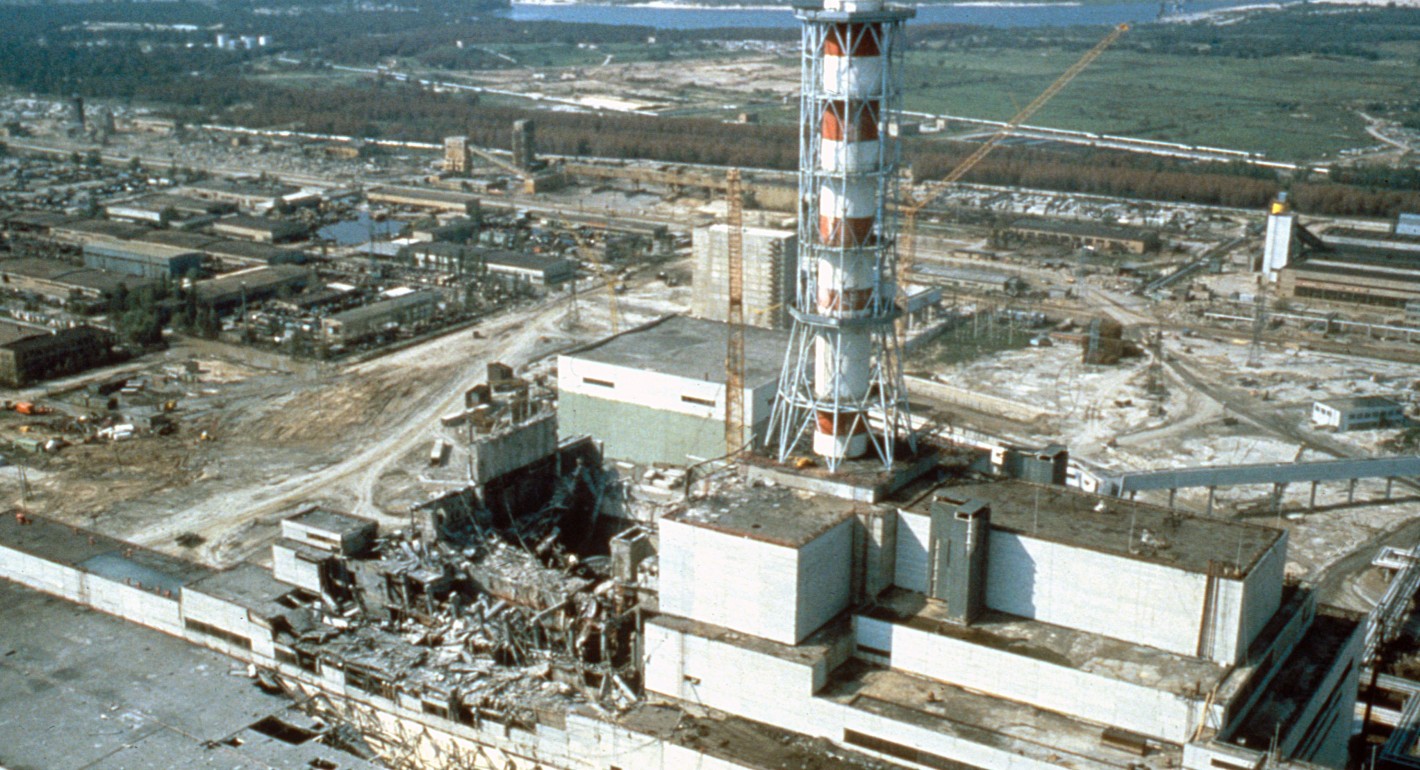
The 1986 incident showed that a nuclear accident anytime is a nuclear accident for all time.

Corey Hinderstein
Europe has an interest in supporting Armenian leader Nikol Pashinyan as he tries to make peace with neighbors and loosen ties with Russia. But it is depersonalized support in the long term, not quickfire flash, that will win the day.

Thomas de Waal

In its version of an AI middle power strategy, Seoul is pursuing alignment with the United States not as an endpoint but as a strategy to build industrial and geopolitical leverage. Whether this balance holds remains an open question.

Darcie Draudt-Véjares, Seungjoo Lee
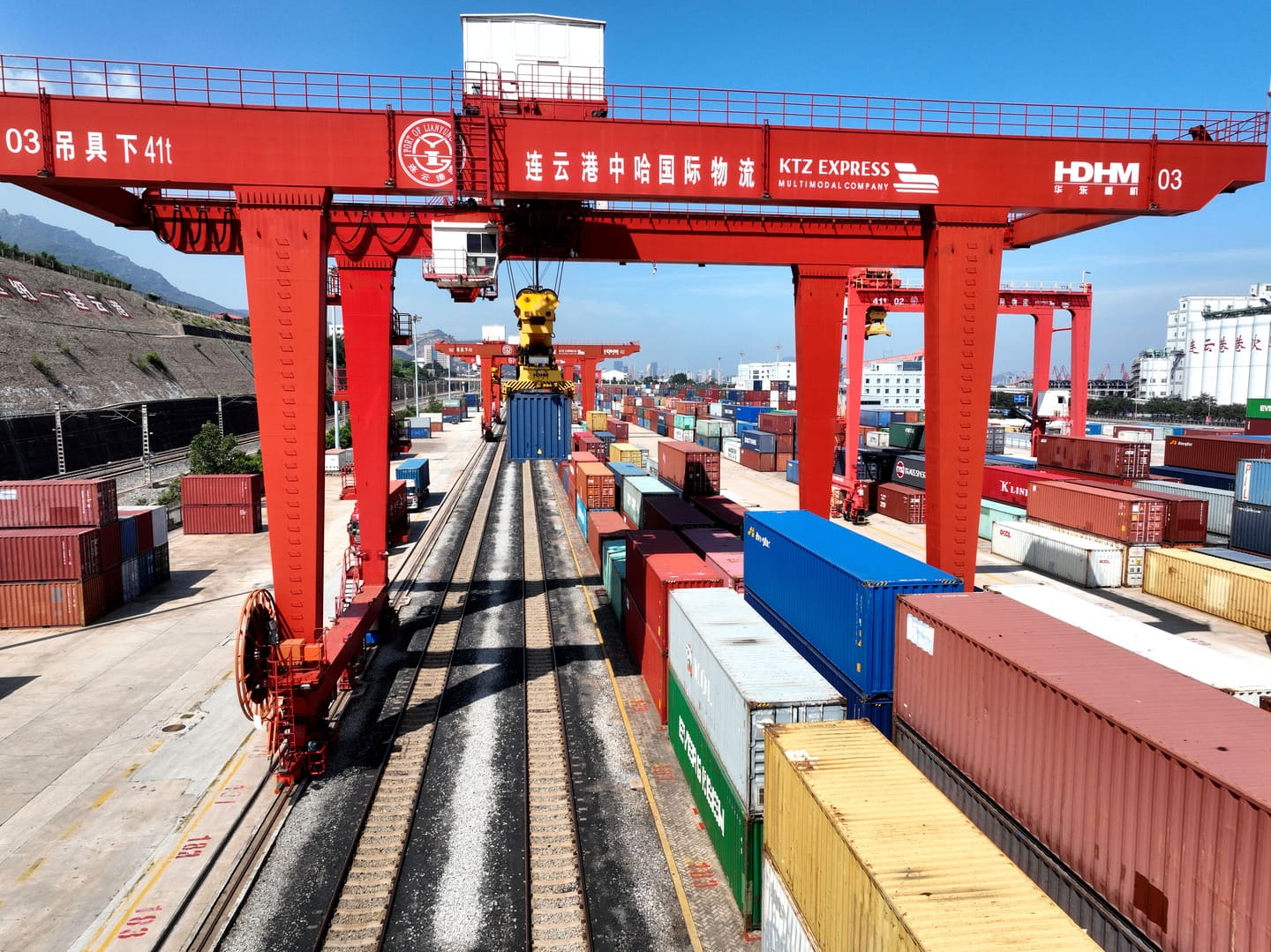
For the Middle Corridor to fulfill its promises, one of these routes must become scalable. At present, neither is.
Friedrich Conradi