

Commentary
Dimitar Bechev
{
  "authors": [
    "Dimitar Bechev"
  ],
  "type": "commentary",
  "centerAffiliationAll": "dc",
  "centers": [
    "Carnegie Endowment for International Peace",
    "Carnegie Europe"
  ],
  "collections": [],
  "englishNewsletterAll": "ctw",
  "nonEnglishNewsletterAll": "",
  "primaryCenter": "Carnegie Europe",
  "programAffiliation": "EP",
  "programs": [
    "Europe"
  ],
  "projects": [],
  "regions": [
    "United States",
    "Western Europe",
    "Iran",
    "Western Balkans"
  ],
  "topics": [
    "Foreign Policy"
  ]
}
Source: Getty
Brussels is scrambling to find a solution before Prishtina implements its controversial license plate decision.
It has been a hot summer in the Balkans, as tensions driven by the sovereignty dispute between Serbia and Kosovo have escalated. Flare-ups involving Serbs in northern Kosovo are a periodic occurrence, but the war in Ukraine is casting a long shadow on the situation, and many see a connection. However, the current crisis is very much a result of local factors, with the leaders’ choices and strategies driving the unrest. It also speaks to the limitations of the EU to advance diplomatic efforts.
License plates are the catalyst for the current crisis. Since 2011, the authorities in Prishtina have conceded that Serbs in Kosovo could use plates with “KS” for Kosovo, rather than “RKS” for Republic of Kosovo, since Serbia considers Kosovo part of its territory. Issued by the UN, the KS plates were deemed “status neutral.” But the deal expired in 2021, and authorities in Kosovo moved to require cars with KS plates to switch to RKS ones. In addition, the government introduced a requirement that everyone entering Kosovo with a Serbian identity card must complete a form to use as an identity document for ninety days—a move justified as a reciprocal response to policies applied by Serbia, which doesn’t recognise Kosovo’s identity cards.
Angered by the decision, at the end of July, Serbs living in the north of Kosovo set up border roadblocks and fired shots at police. Kosovo’s Prime Minister Albin Kurti accused Serbia of plotting an invasion into the region, which Belgrade considers a breakaway province, while Serbian President Aleksandar Vučić warned the Prishtina government against harassing local Serbs under the pretext of fighting “alleged criminal structures.”
Throughout this crisis, Russia’s invasion of Ukraine has been cited as the driver of the tensions in Kosovo. Like Russia, Serbian society bears historical grudges going back to the Western interventions in the Yugoslav wars, and Kosovar Albanians also have painful memories of the 1990s. Belgrade’s cordial ties with Moscow are also at play. Though it backed the UN General Assembly declarations condemning the Russian assault on Ukraine, Serbia has thus far resisted pressure to side with the Western sanctions against President Vladimir Putin’s regime. Pundits have speculated that Russia is pulling the strings in the north of Kosovo and scheming to open a second front against the West in the EU’s “soft underbelly.” In response to tensions, NATO issued a statement saying its 3,700-strong peacekeeping contingent was “ready to intervene if stability [was] jeopardized.”
But the standoff is homegrown, not manufactured by the Kremlin. Local players are calling the shots. Kurti, the left-leaning leader of the Vetëvendosje (Self-Determination) Movement who was a political prisoner under the Slobodan Milošević’s regime, is dead set on asserting Kosovo’s sovereignty in the north, irrespective of Serbia’s reaction. Kosovo has long run out of goodwill, particularly since Serbia has been attempting to persuade other countries to withdraw their recognition of Kosovan independence. Kurti has doggedly worked to bring the Serb-populated northern districts under tighter control, and he criticised his political opponents of negotiating with Serbia. Last April, his government prohibited the opening of polling stations for Serbia’s presidential and parliamentary elections in defiance of the so-called Quint, the major Western states that support Kosovo.
Vučić, who launched his career in the ultranationalist Serbian Radical Party and rose to the position of minister of information as NATO bombed Serbia in 1999, is in no compromising mode either. The unrest provides him with a golden opportunity to grandstand as the leader fending for Serbia’s interests and well-being. And since Kurti was the one to upend the status quo, Vučić is all too happy to play the adult. In contrast to the jingoistic Belgrade media and his war-mongering sidekicks, the Serbian president has eagerly engaged with the EU in order to defuse the crisis. But Vučić’s message to the West has strings attached: if you want peace in the Balkans, you work with me and invest in me. In other words, dial down pressure on Serbia to align with the sanctions against Russia.
The crisis also speaks to the limitations of the EU, which is moderately good at putting out fires but lacks a blueprint for a lasting settlement of the dispute. Ursula von der Leyen, head of the European Commission, helped diffuse the fall 2021 standoff. Josep Borrell, the EU’s high representative for foreign and security policy, has done his best to contain the present situation. The EU is acting in sync with the United States too. U.S. Ambassador Christopher Hill pushed Kosovo to defer the implementation of the license plates change until September, and Borrell restarted meetings between Kosovo and Serbia. Gabriel Escobar, the State Department’s special envoy to the Western Balkans, and Miroslav Lajčák, his counterpart at the European External Action Service, met Kurti in Prishtina on Wednesday before heading to Belgrade on Thursday in an effort to find agreement on the license plates crisis.
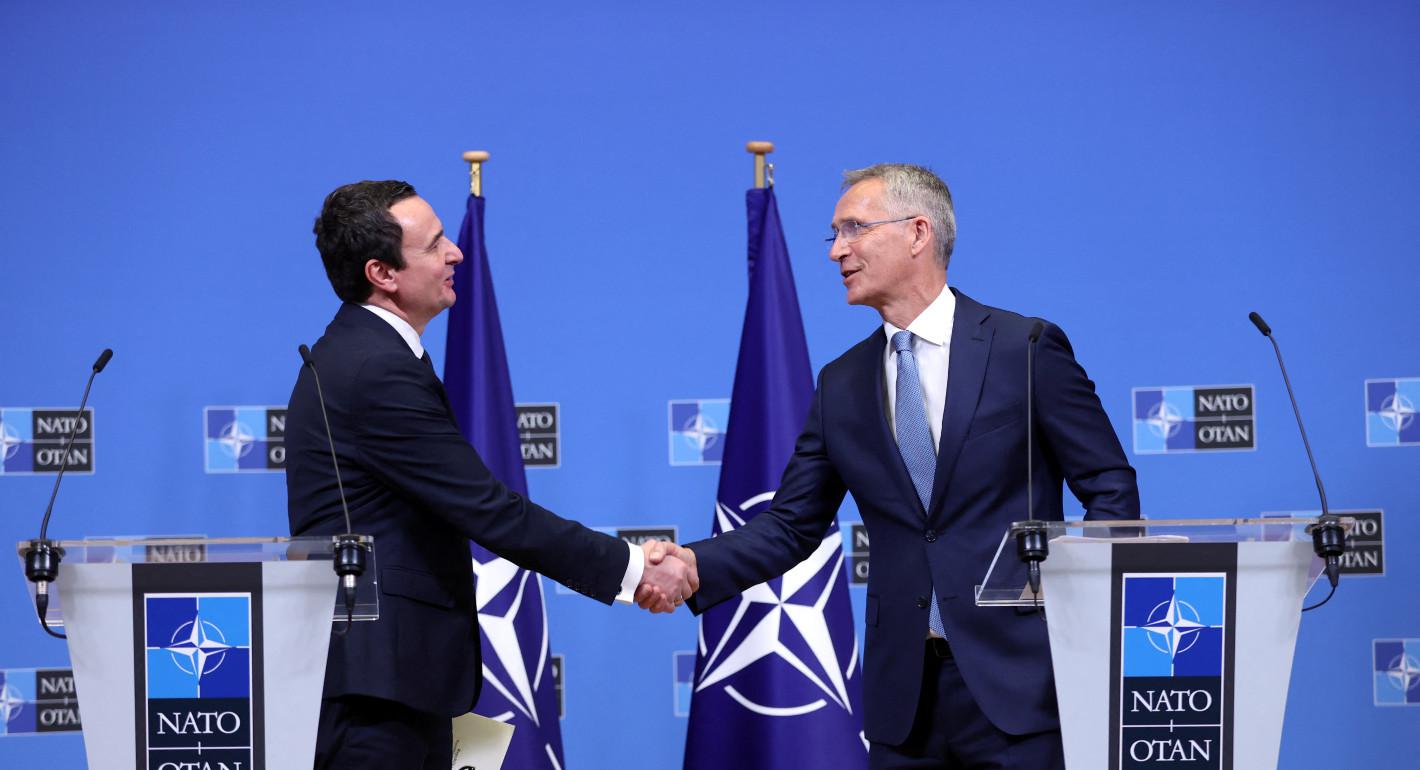
On the other hand, the latest summit in Brussels, where Kurti and Vučić met alongside NATO Secretary General Jens Stoltenberg, yielded no results, other than an agreement to continue talking. And the so-called normalization process—which foresees the step-by-step establishment of a functional relationship between Belgrade and Prishtina culminating in a legally binding agreement or even conditional recognition of Kosovo—is in the doldrums. The license plate debacle is a symptom of a much larger problem.
Belgrade sees no incentive to work to improve ties with Prishtina, since membership in the EU—the cornerstone of the 2013 Brussels Agreement, the most significant of the twenty or so deals adopted thus far—remains as elusive as ever. Ditto for the Serb municipalities outlined by the agreement, which would give Kosovar Serbs a measure of self-rule. Kosovar Albanians perceive it as a potential Trojan horse, mindful of the case of Republika Srpska in Bosnia.
Kosovar Albanian politicians have good reasons to distrust the EU as well. Five EU member states (including Spain, Borrell’s native land) continue to deny Prishtina recognition, and the bloc remains reluctant to lift visa requirements for Kosovar citizens entering the Schengen passport-free zone, a freedom enjoyed by all other countries in the Western Balkans. At a moment when Ukraine and Moldova have become official EU candidates, and while their citizens have long been traveling visa-free in the EU, Kosovars feel left out and isolated. Kurti’s uncompromising stance resonates with these sentiments.
In 2020, the mediation run by U.S. President Donald Trump’s administration between Belgrade and Prishtina toyed with the idea of territorial swaps, an idea European countries opposed. But the United States at least injected some momentum toward the search for a settlement. No such momentum is visible now on the EU side. European policy is reactive, and Kosovo is not a priority unless the security situation deteriorates. The EU may have all the tools to diffuse the crisis, but it has long lost its sense of direction for a solution, and the leaders in Serbia and Kosovo are happy to play along. In the meantime, the clock is ticking: tensions are sure to resurface if Kosovo implements the license plates decision next week.

Senior Fellow, Carnegie Europe
Dimitar Bechev is a senior fellow at Carnegie Europe, where he focuses on EU enlargement, the Western Balkans, and Eastern Europe.
Recent Work
Dimitar Bechev

Miloš Pavković, Fitim Gashi, Iliriana Gjoni, …
Carnegie does not take institutional positions on public policy issues; the views represented herein are those of the author(s) and do not necessarily reflect the views of Carnegie, its staff, or its trustees.
Over the past decade, China has moved from marginal player to major producer of all things batteries. The United States, Europe, and others are aiming to balance the market.

Milo McBride
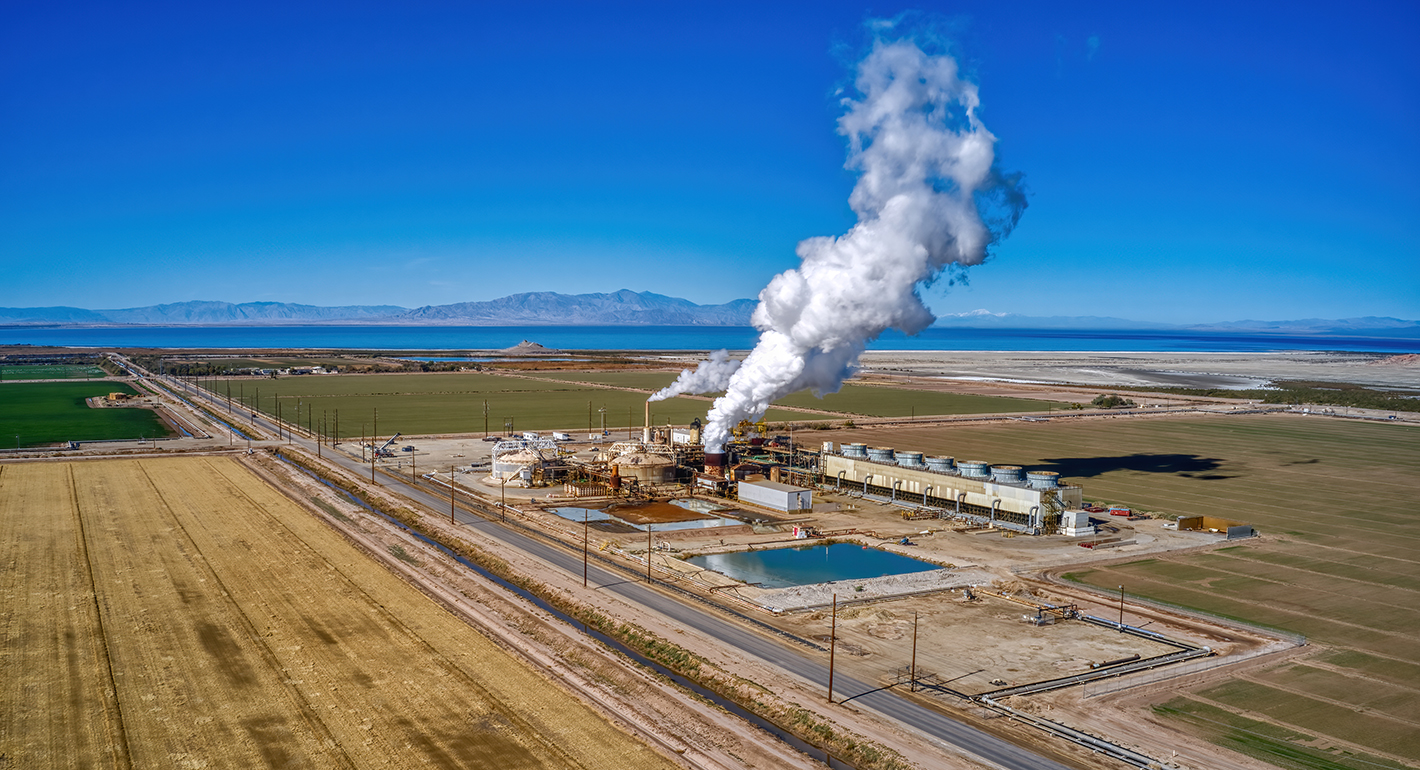
The DFC should focus on advanced, low-carbon energy sources, prioritizing areas where the United States has comparative advantages.
Noah Gordon, Liana Schmitter-Emerson
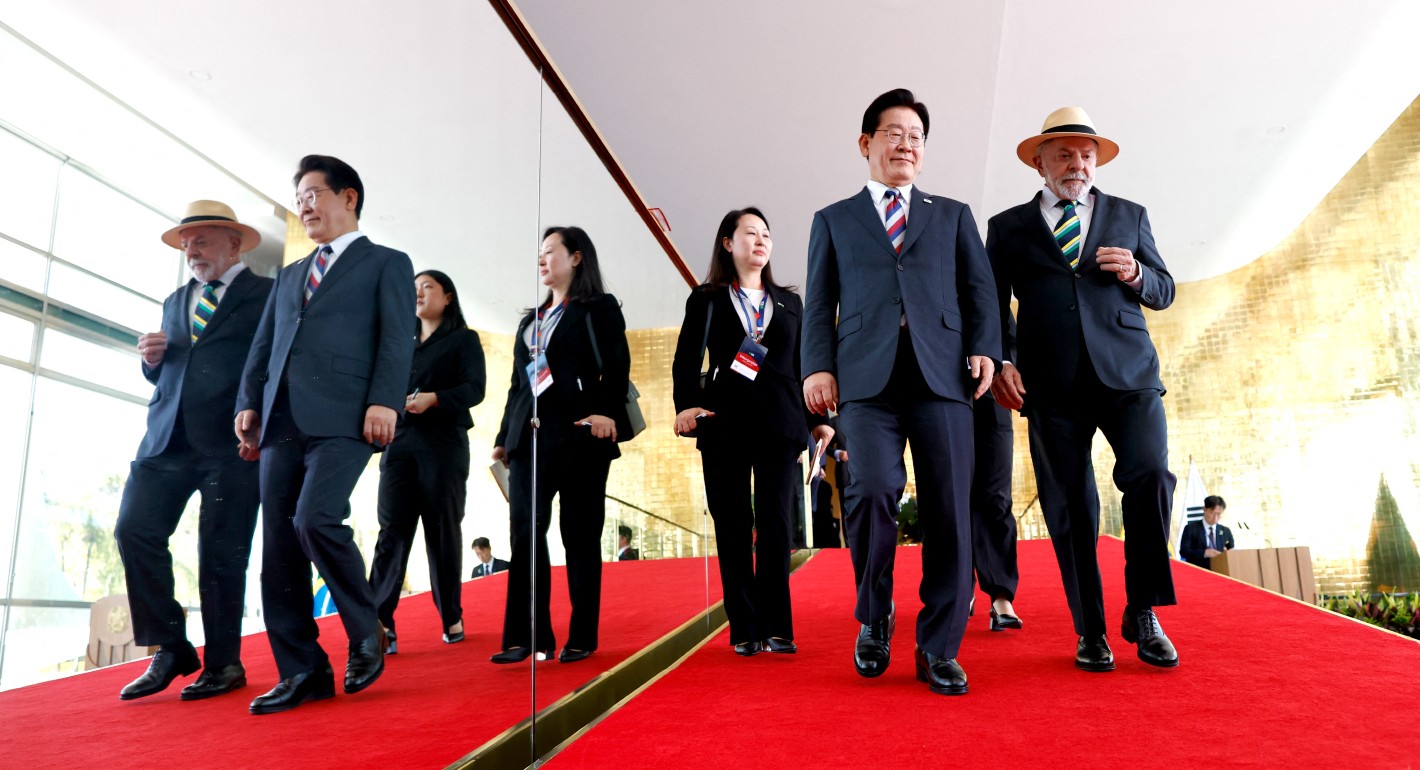
Lee’s tour shows how Seoul is reorganizing its diplomacy away from Pyongyang and toward industrial networks and the geography of the compute economy.

Darcie Draudt-Véjares
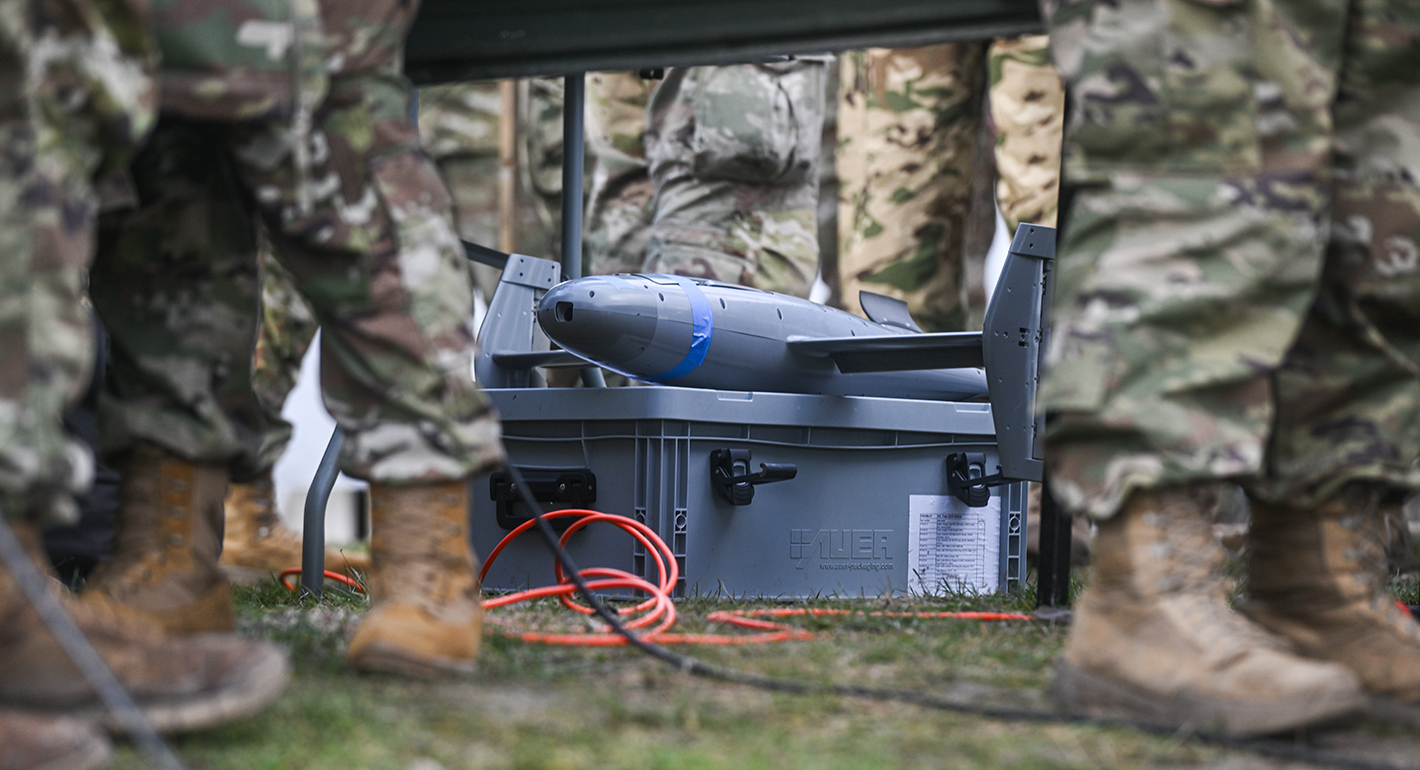
The Pentagon is calling for a rapid AI transformation. Autonomous drones offer a case study in the eight bottlenecks the U.S. military must navigate to realize that vision.
Jake Steckler
Most migrants may have left Ceuta, but the effects may linger.


Alejandro Martin Rodriguez, Sarah Yerkes