

Commentary
In an interview, Sergei Melkonian discusses Armenia’s and Azerbaijan’s careful balancing act among the United States, Israel, and Iran.
Armenak Tokmajyan
{
  "authors": [
    "Steve Feldstein",
    "Ankit Panda",
    "Eugene Rumer",
    "Milan Vaishnav",
    "Stephen Wertheim",
    "Sarah Yerkes"
  ],
  "type": "commentary",
  "centerAffiliationAll": "",
  "centers": [
    "Carnegie Endowment for International Peace"
  ],
  "collections": [
    "U.S. Democracy in Comparative Perspective"
  ],
  "englishNewsletterAll": "",
  "nonEnglishNewsletterAll": "",
  "primaryCenter": "Carnegie Endowment for International Peace",
  "programAffiliation": "",
  "programs": [],
  "projects": [],
  "regions": [
    "United States",
    "China",
    "Russia",
    "Ukraine"
  ],
  "topics": [
    "Foreign Policy"
  ]
}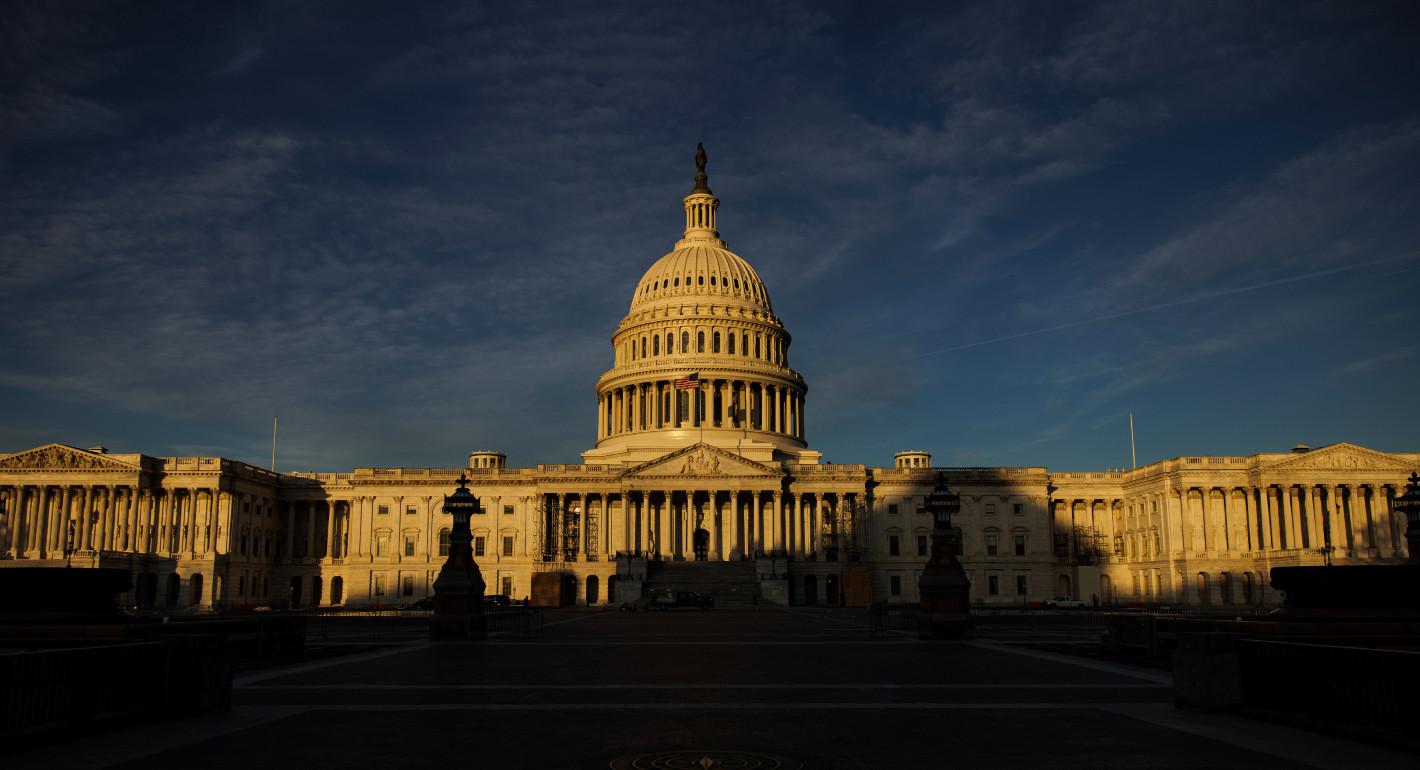
Source: Getty
Carnegie experts examine how the split control of Congress may change U.S. approaches to Ukraine, the Middle East, and more.
The results of the midterm elections will be welcome news to the powers-that-be in New Delhi. U.S.-India relations have had, and continue to have, bipartisan backing: ties between the two countries are one of the few things that both parties can agree on these days. But there is an undercurrent of concern in New Delhi about political instability in the United States and how that might affect American foreign policy.
To the extent that these elections are seen as a repudiation of some of the most extreme candidates on the far right and a pivot back to the center, I think they will be viewed as a largely good news story by the government of Prime Minister Narendra Modi. India may have its fair share of grievances with aspects of U.S. foreign policy, but a detached and distracted United States can only spell trouble for India’s ambitions to project power abroad.
—Milan Vaishnav, senior fellow and director, South Asia Program
Regardless of the final vote tally, there will not likely be much change in Washington’s approach toward the Middle East. That comes as a disappointment to some of the region’s leaders—particularly perennial Israeli prime minister Benjamin Netanyahu, Saudi Crown Prince Mohammed Bin Salman (MBS), and Egyptian President Abdel Fattah el-Sisi, none of whom are fans of President Joe Biden and his agenda.
We do know that Congress will be divided. Presumptive speaker Kevin McCarthy will have a hard time controlling his members, making it difficult for the Biden administration to do much on the domestic front and forcing the administration to turn more deliberately toward foreign policy, including the myriad crises in the Middle East.
In the House, one meaningful loss is Tom Malinowski (D-NJ), the vice chair of the Foreign Affairs Committee and one of the most outspoken members on democracy and human rights in the Middle East. Despite his loss, we may see a more aggressive Congress when it comes to pushing back on Saudi Arabia, both as a way for Republicans to poke at Biden’s failed efforts to court MBS on oil and for Democrats to hammer MBS on his destructive regional role and human rights abuses.
In the Senate, none of the members of the Near East Subcommittee of the Senate Foreign Relations Committee lost their seats. The biggest change will be in the Appropriations Committee, where both the chair and ranking member retired. The MENA region has seen some fights over foreign assistance of late, particularly in Egypt and Tunisia. And practically, there are still more than a third of MENA ambassadorial posts unfilled.
—Sarah Yerkes, senior fellow, Middle East Program
This midterm election outcome is unlikely to cause sharp swings in the direction of U.S. foreign policy on nuclear policy matters under the Biden administration. On issues where Congress has particularly strong equities, including spending on nuclear modernization, missile defense, and the matter of restoring the 2015 Joint Comprehensive Plan of Action with Iran, the administration can be expected to hew to the approach it adopted prior to the election.
—Ankit Panda, senior fellow, Nuclear Policy Program
According to a common Russian saying, it’s not as simple as it looks—it’s a lot simpler: the Kremlin was obviously hoping for a Republican “red wave” and a humiliating defeat at the polls for the Biden administration. On Russian TV, talking heads have portrayed Biden as a dotard. Encouraged by speaker-apparent Kevin McCarthy’s statement about no more “blank check” for Ukraine, the Kremlin clearly expected that a Republican-controlled House of Representatives would hit the brakes on U.S. aid to Ukraine. These hopes have been dashed by the Democrats’ success at stopping the red wave and the poor performance of Trump-endorsed candidates at the polls.
The policy of the Biden administration toward Ukraine and Russia is set to continue along the path established over the past nine months. There will be more aid to Ukraine, probably not just in terms of quantity but also quality of military and other forms of assistance. There will be more sanctions on Russia and efforts to isolate it in the international arena. NATO will remain the cornerstone of U.S. policy in Europe. In short, other than Trump, the Kremlin was the biggest loser on November 8.
—Eugene Rumer, senior fellow and director, Russia and Eurasia Program
The impact of the midterms on technology and innovation in U.S. foreign policy should bring more continuity than change. The highest-priority item relates to U.S. tech competition with China. To that end, President Joe Biden’s team has been very active—for example, issuing sweeping restrictions in October curbing China’s access to advanced semiconductors and other foundational technologies.
The new Congress will support these policies. On this front, there is rare bipartisan agreement between Republicans and Democrats. If anything, Congress may push the Biden administration to go further, such as authorizing additional resources to support technology innovation among democratic allies to compete with China or urging Biden to more forcefully confront Chinese digital coercion.
One company that will undoubtedly find itself in congressional crosshairs is TikTok. Given growing concerns about data privacy and national security vulnerabilities on the platform, political pressure to rein in or even ban TikTok will likely increase. Closer to home, America’s gridlock on tech policy will remain. Sharp differences between Democrats and Republicans about how to tackle misinformation concerns or deal with content moderation matters will prevent any real progress.
Malinowski’s election loss is also a big blow to the digital rights community. During his time in office, he emerged as a key champion, introducing legislation to restrict spyware companies and prohibit digital surveillance by criminals and repressive governments. With Malinowski’s departure, congressional focus on these issues may wane.
—Steven Feldstein, senior fellow, Democracy, Conflict, and Governance Program
It was always unlikely that the midterms would upend U.S. policy toward Ukraine. Republicans have been strongly supportive of military aid to Kyiv and largely remain so. Still, with the GOP taking control of the House, expect hearings and more vocal questions about where the war is headed.
In this context, the continuation of multibillion dollar aid for Ukraine should not be taken for granted. Battlefield dynamics will matter most: if the war turns into a stalemate, if Russia makes sustained gains, or if Ukraine enjoys such dramatic success as to raise the risk of the conflict going nuclear or expanding to new countries, the American public and their representatives may favor a change of course. A downturn in the U.S. economy could also make large and irregular overseas expenditures more difficult to justify. These two conditions could spur a shift in Republicans and Democrats alike.
Absent those factors, extensive support for Ukraine—with a view toward eventual negotiations—is likely to remain robust.
—Stephen Wertheim, senior fellow, American Statecraft Program
This post was updated on November 18 to include an additional entry.

Senior Fellow, Democracy, Conflict, and Governance Program
Steve Feldstein is a senior fellow at the Carnegie Endowment for International Peace in the Democracy, Conflict, and Governance Program. His research focuses on technology, national security, the global context for democracy, and U.S. foreign policy.

Stanton Senior Fellow in the Nuclear Policy Program at the Carnegie Endowment for International Peace
Ankit Panda is the Stanton Senior Fellow in the Nuclear Policy Program at the Carnegie Endowment for International Peace.

Director and Senior Fellow, Russia and Eurasia Program
Rumer, a former national intelligence officer for Russia and Eurasia at the U.S. National Intelligence Council, is a senior fellow and the director of Carnegie’s Russia and Eurasia Program.

Director and Senior Fellow, South Asia Program
Milan Vaishnav is a senior fellow and director of the South Asia Program and the host of the Grand Tamasha podcast at the Carnegie Endowment for International Peace. His primary research focus is the political economy of India, and he examines issues such as corruption and governance, state capacity, distributive politics, and electoral behavior. He also conducts research on the Indian diaspora.

Senior Fellow, American Statecraft Program
Stephen Wertheim is a senior fellow in the American Statecraft Program at the Carnegie Endowment for International Peace.

Senior Fellow, Middle East Program
Sarah Yerkes is a senior fellow in Carnegie’s Middle East Program, where her research focuses on Tunisia’s political, economic, and security developments as well as state-society relations in the Middle East and North Africa.
Carnegie does not take institutional positions on public policy issues; the views represented herein are those of the author(s) and do not necessarily reflect the views of Carnegie, its staff, or its trustees.
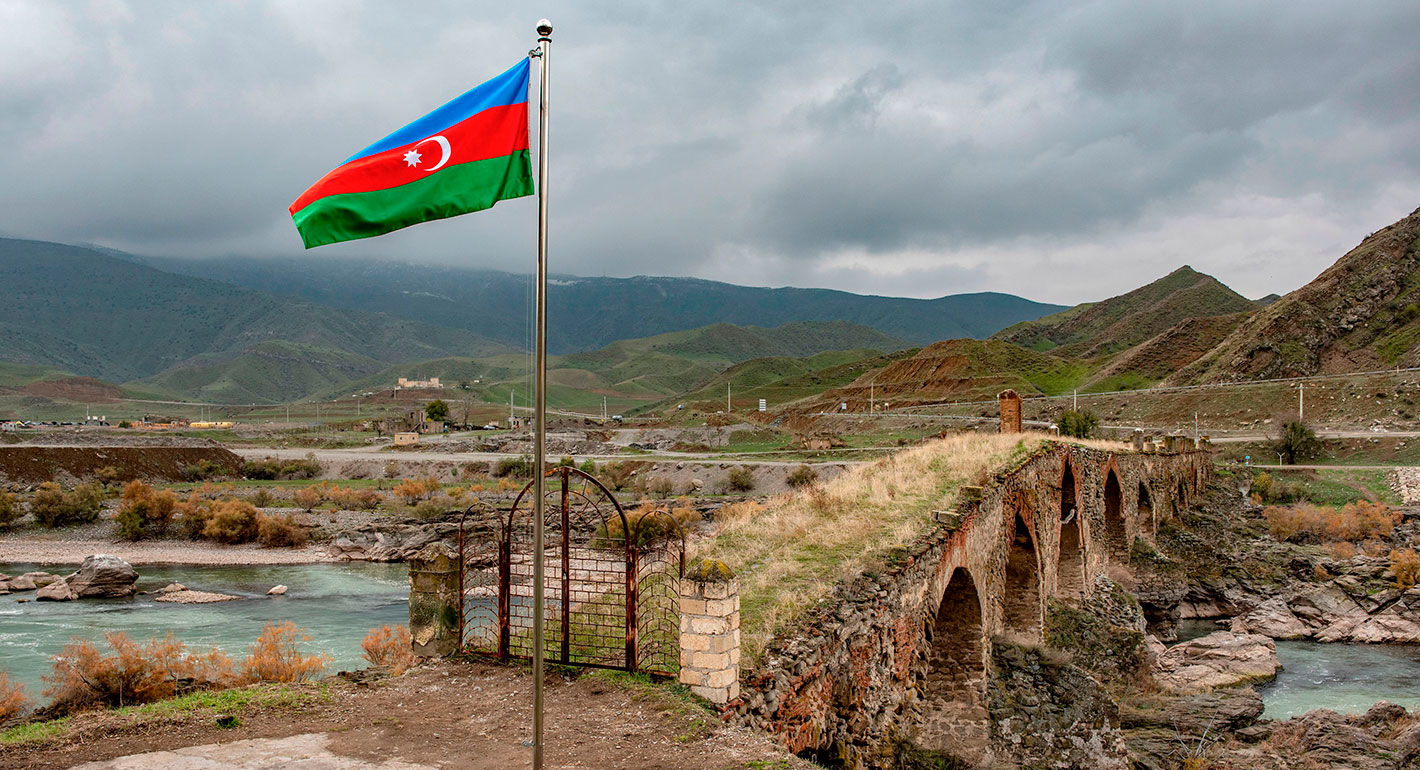
In an interview, Sergei Melkonian discusses Armenia’s and Azerbaijan’s careful balancing act among the United States, Israel, and Iran.

Armenak Tokmajyan
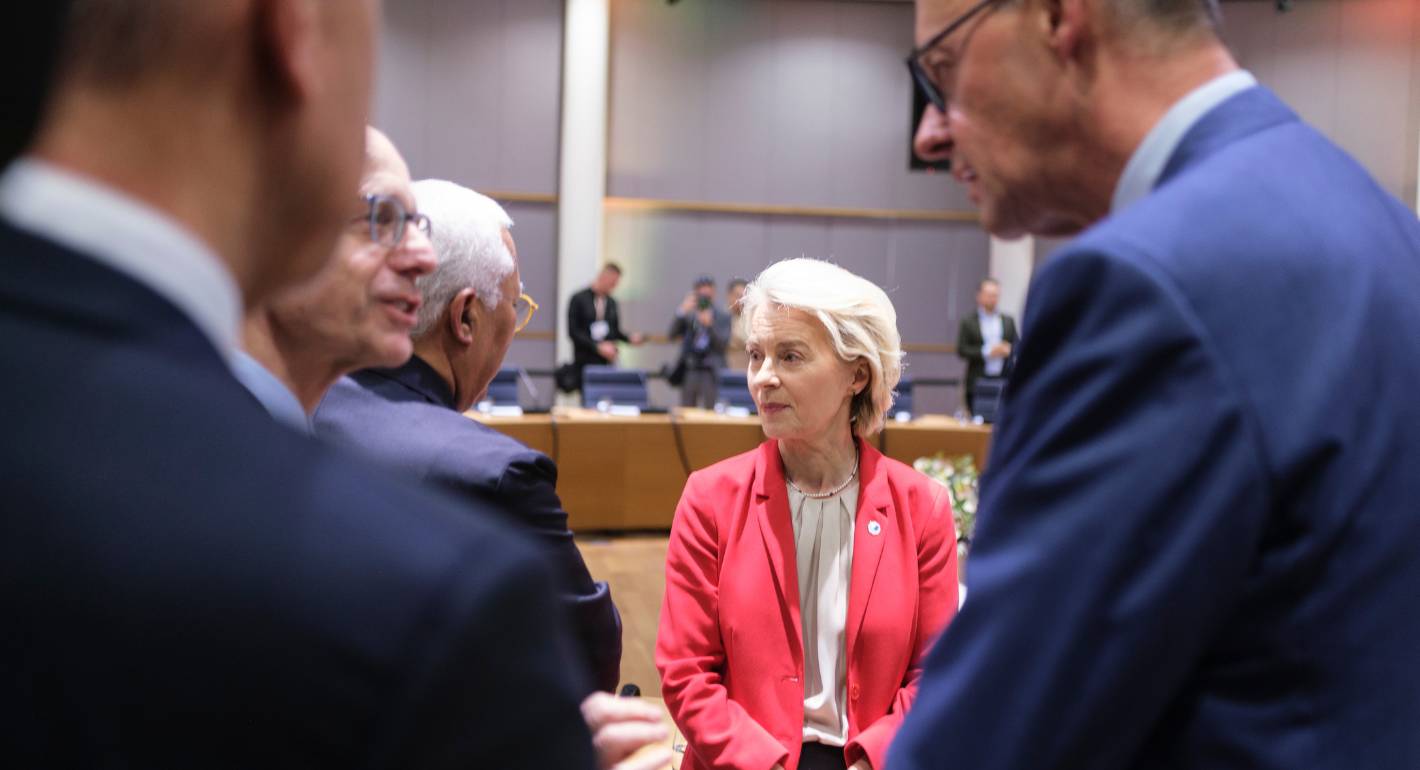
The war in Iran proves the United States is now a destabilizing actor for Europe and the Arab Gulf. From protect their economies and energy supplies to safeguarding their territorial integrity, both regions have much to gain from forming a new kind of partnership together.

Rym Momtaz
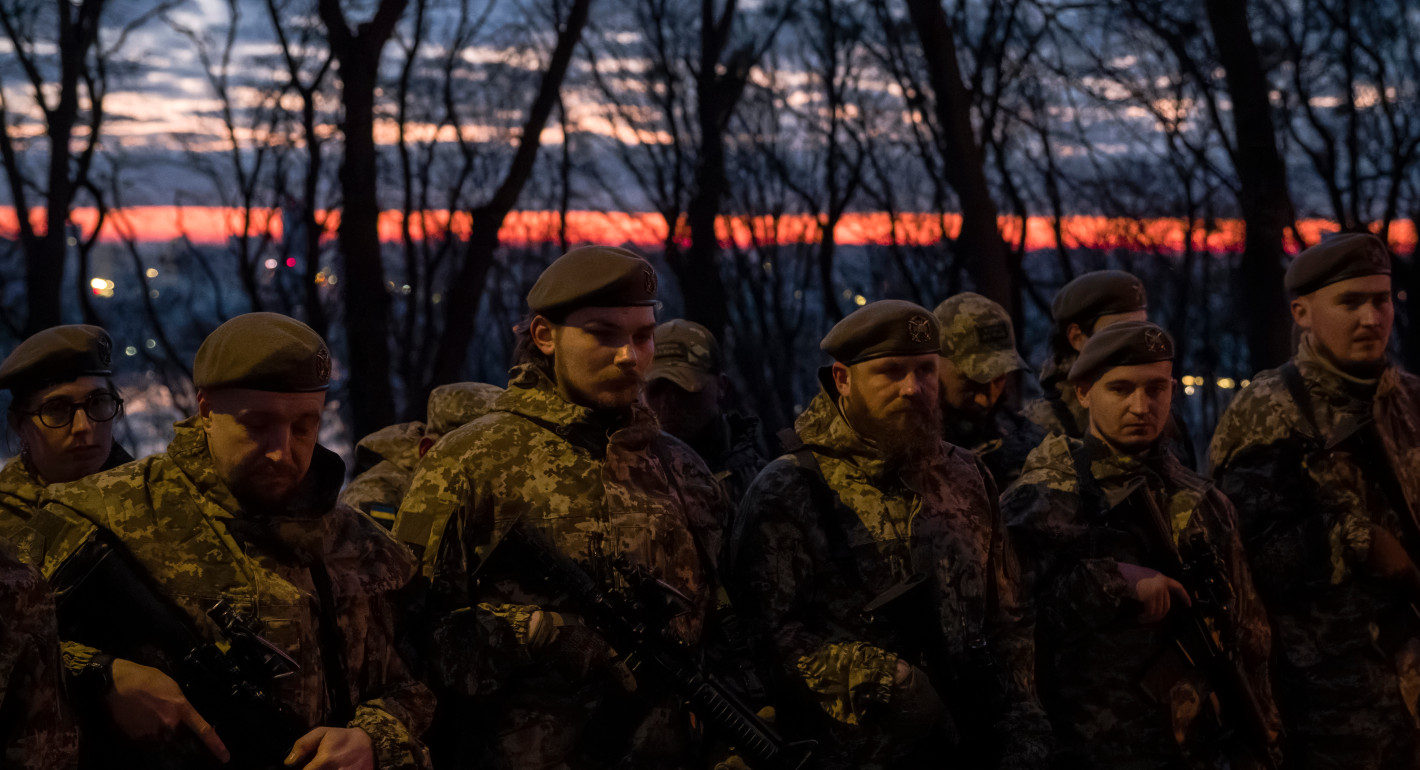
Strategy and force design are key to solving Kyiv’s persistent manning and readiness problems.

Viktor Kevliuk, Olesya Favorska, Andriy Zagorodnyuk

The current U.S. indifference to human rights means Astana no longer has any incentive to refuse extradition requests from its authoritarian neighbors—including Russia.

Temur Umarov

The conflict is threatening stability in Armenia and Azerbaijan.
Zaur Shiriyev