• Research
  • Emissary
  • About
  • Experts
Carnegie Global logoCarnegie lettermark logo
DemocracyIran
  • Donate
{
  "authors": [
    "Andrew S. Weiss"
  ],
  "type": "legacyinthemedia",
  "centerAffiliationAll": "dc",
  "centers": [
    "Carnegie Endowment for International Peace"
  ],
  "collections": [],
  "englishNewsletterAll": "ctw",
  "nonEnglishNewsletterAll": "",
  "primaryCenter": "Carnegie Endowment for International Peace",
  "programAffiliation": "russia",
  "programs": [
    "Russia and Eurasia"
  ],
  "projects": [],
  "regions": [
    "Russia"
  ],
  "topics": [
    "Security",
    "Foreign Policy"
  ]
}
REQUIRED IMAGE

REQUIRED IMAGE

In The Media

The Life & Lies of Vladimir Putin (with Andrew S. Weiss)

We’ve all heard stories about the Russian dictator. But who is the real Vladimir Putin? Greg Olear talks to Andrew S. Weiss of the Carnegie Endowment for International Peace about what’s happening in Putin’s Russia.
Link Copied
By Andrew S. Weiss
Published on Dec 9, 2022
Program mobile hero image

Program

Russia and Eurasia

The Russia and Eurasia Program continues Carnegie’s long tradition of independent research on major political, societal, and security trends in and U.S. policy toward a region that has been upended by Russia’s war against Ukraine.  Leaders regularly turn to our work for clear-eyed, relevant analyses on the region to inform their policy decisions.

Learn More

About the Author

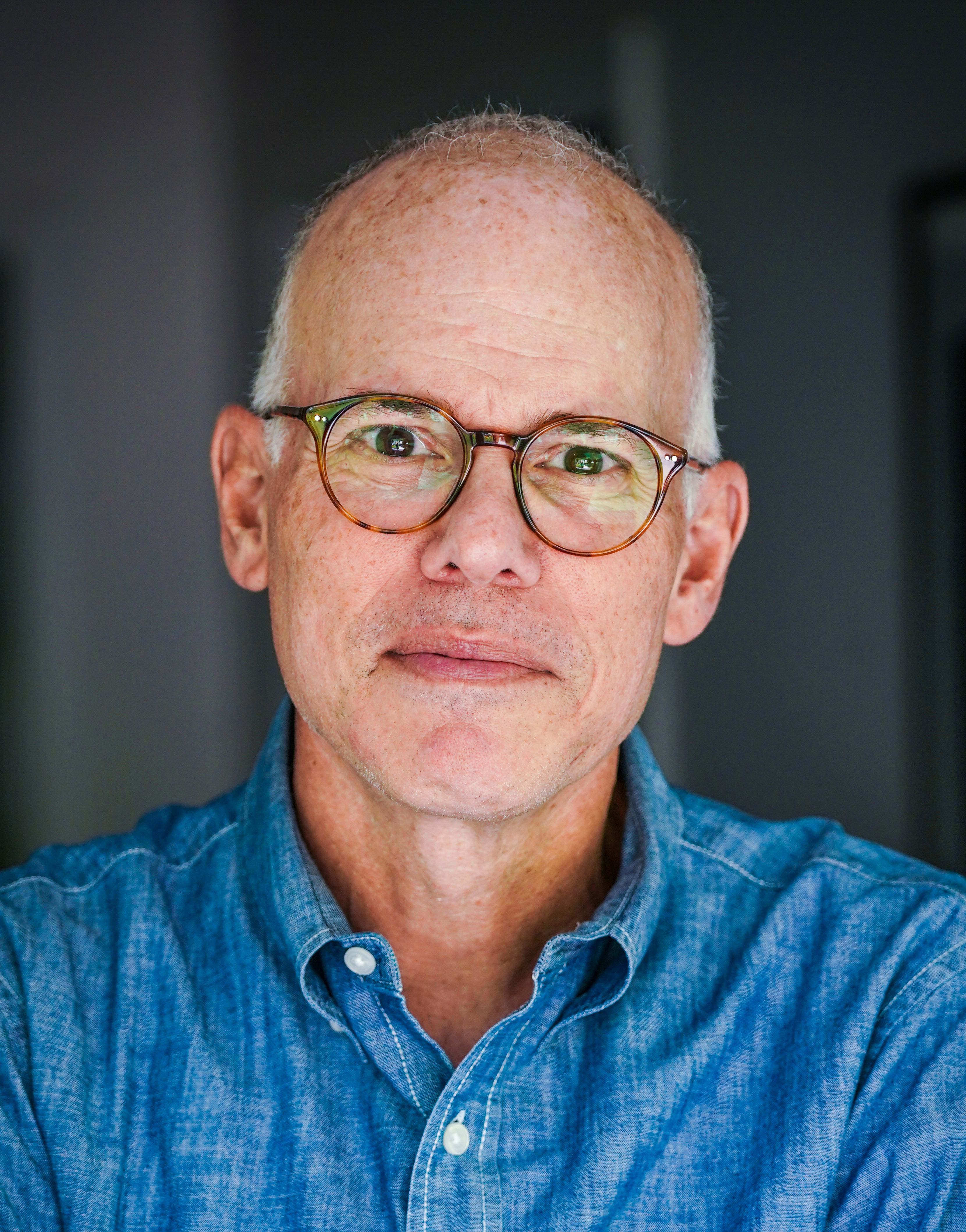
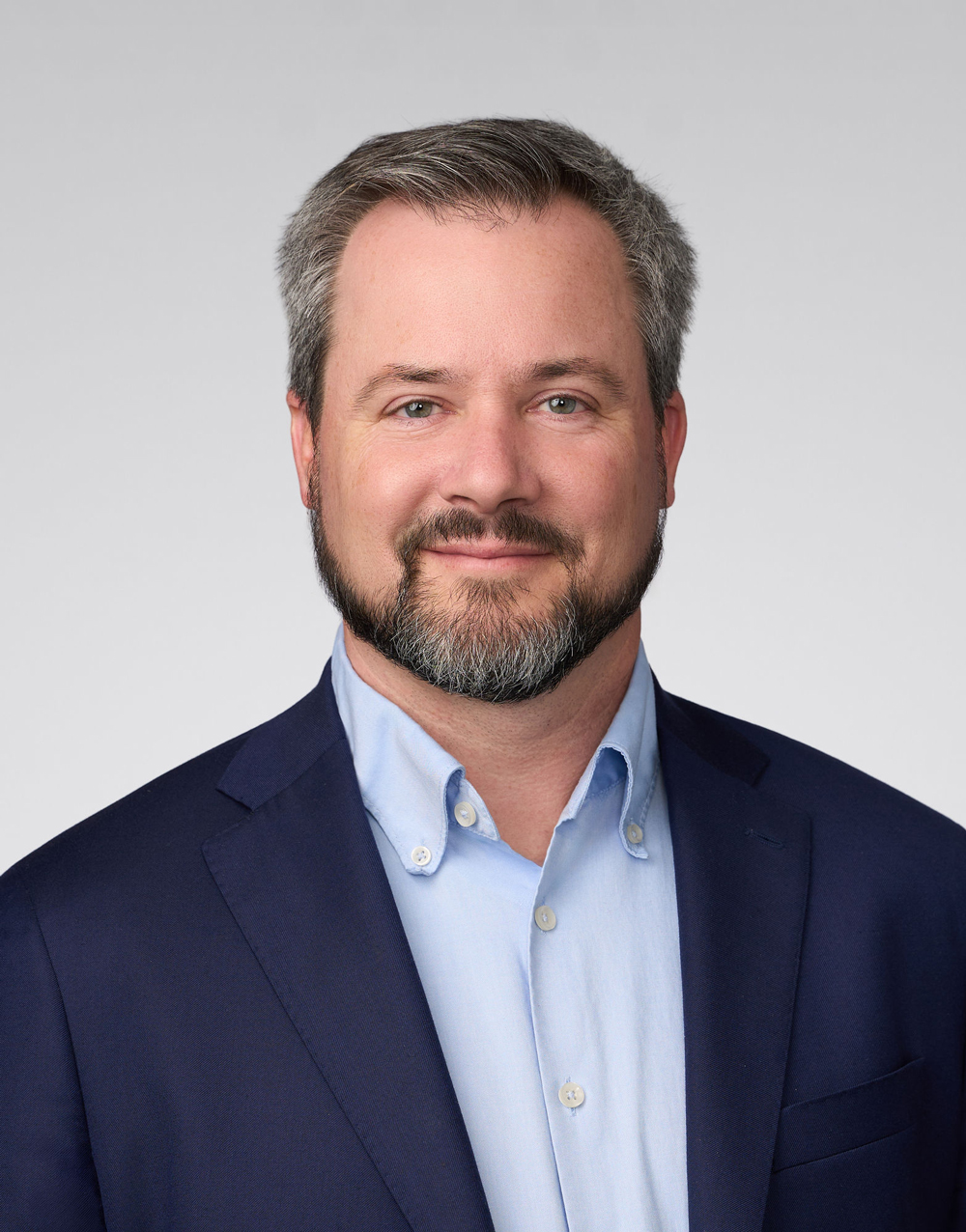
Andrew S. Weiss

James Family Chair, Vice President for Studies

Andrew S. Weiss is the James Family Chair and vice president for studies at the Carnegie Endowment for International Peace, where he oversees research on Russia, Ukraine, and Eurasia. His graphic novel biography of Vladimir Putin, Accidental Czar: the Life and Lies of Vladimir Putin, was published by First Second/Macmillan in 2022.

    Recent Work
  • Q&A
    Is the Russia-Ukraine War Vibe Shift Real?

      Dara Massicot, Aaron David Miller, Andrew S. Weiss

  • Research
    Russia in Africa: Examining Moscow’s Influence and Its Limits
      • Nate Reynolds
      • +11

      Frances Z. Brown, Nate Reynolds, Priyal Singh, …

Andrew S. Weiss
James Family Chair, Vice President for Studies
Andrew S. Weiss
SecurityForeign PolicyRussia

Carnegie does not take institutional positions on public policy issues; the views represented herein are those of the author(s) and do not necessarily reflect the views of Carnegie, its staff, or its trustees.

More Work from Carnegie Endowment for International Peace

  • Japanese troops take part in a counter-landing live fire exercise as part of the annual Balikatan joint military drills on May 04, 2026 in Laoag, Ilocos Norte province, Philippines.
    Article
    The Two Logics Driving Japan’s Security Policy

    Japan’s revision of its three strategic documents reflects an intention to keep the United States engaged in the region while Japan fills any vacuums of U.S. power to preserve the Indo-Pacific order.

      • Ryo Sahashi

      Ryo Sahashi

  • Commentary
    Carnegie Politika
    Russia’s Rubber-Stamp Duma Elections Are Exposing Schisms in Putin's Regime

    In the discussions made possible by the State Duma election campaign, one question is being asked more and more loudly. “What next?”

      Andrey Pertsev

  • Commentary
    Carnegie Politika
    Russia’s Best-Placed Political Émigrés Are Those With Nothing to Lose

    While the Nazis rushed ahead in a revolutionary fervor, Russia’s modern crusaders against enemies of the state work methodically, giving their targets time to adjust to restrictions before closing the loopholes.

      Leonid Bershidsky

  • people watching a huge column of smoke in the distance
    Commentary
    Emissary
    Is the Russia-Ukraine War Vibe Shift Real?

    Media coverage suggests Kyiv’s fortunes have changed. That shift may be important, but it only goes so far.

      Dara Massicot, Aaron David Miller, Andrew S. Weiss
  • Lee and Lula walking
    Commentary
    Emissary
    Why Korea’s President Skipped Washington for Silicon Valley and Brasília

    Lee’s tour shows how Seoul is reorganizing its diplomacy away from Pyongyang and toward industrial networks and the geography of the compute economy.

      Darcie Draudt-Véjares

Get more news and analysis from
Carnegie Endowment for International Peace
Carnegie global logo, stacked
1779 Massachusetts Avenue NWWashington, DC, 20036-2103Phone: 202 483 7600
  • Research
  • Emissary
  • About
  • Experts
  • Donate
  • Programs
  • Events
  • Blogs
  • Podcasts
  • Contact
  • Annual Reports
  • Careers
  • Privacy
  • For Media
  • Government Resources
Get more news and analysis from
Carnegie Endowment for International Peace
© 2026 Carnegie Endowment for International Peace. All rights reserved.