

Article
Supporters of democracy within and outside the continent should track these four patterns in the coming year.
Saskia Brechenmacher, Frances Z. Brown
{
  "authors": [
    "Sabina Henneberg",
    "Sarah Yerkes"
  ],
  "type": "commentary",
  "centerAffiliationAll": "",
  "centers": [
    "Carnegie Endowment for International Peace",
    "Malcolm H. Kerr Carnegie Middle East Center"
  ],
  "collections": [],
  "englishNewsletterAll": "",
  "nonEnglishNewsletterAll": "",
  "primaryCenter": "Carnegie Endowment for International Peace",
  "programAffiliation": "",
  "programs": [
    "Middle East"
  ],
  "projects": [],
  "regions": [
    "North America",
    "United States",
    "North Africa",
    "Tunisia",
    "Maghreb"
  ],
  "topics": [
    "Democracy",
    "Economy",
    "Foreign Policy",
    "Civil Society"
  ]
}
Washington may be tempted to give up after Tunis’s democratic backsliding, but instead it should use targeted actions that have worked in other countries.
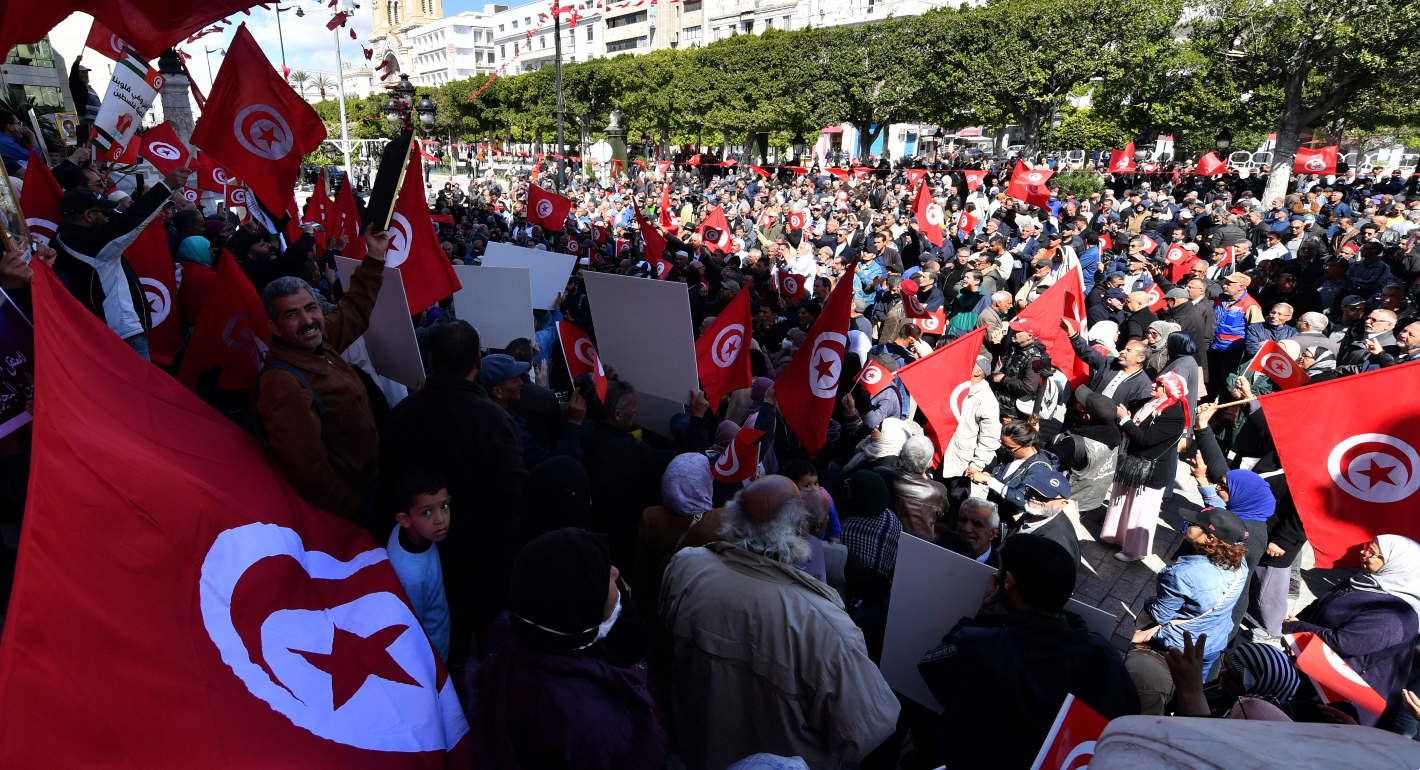
The United States is facing a choice on Tunisia: whether to cut back or redouble its investment in the country’s flagging democratic transition. President Kais Saied’s reversal of Tunisia’s democratization process has resulted in a governing system that concentrates presidential power and lacks checks and balances, and in recent months, he has begun severely clamping down on civil liberties. While it may be tempting to give up on Tunisia after a decade of support for democracy-building has collapsed, the United States should instead continue bolstering pro-democracy forces in Tunisia through specific, targeted actions that have seen success in other countries.
The latest manifestation of Saied’s crackdown—the arrest and imprisonment of Rached Ghannouchi, head of the moderate Islamist Ennahda party and a main opponent of Saied, along with banning meetings at the party headquarters—reflects Washington’s broader policy dilemma. Public condemnation of what appear to be politically motivated arrests is necessary for upholding U.S. values. At the same time, Saied’s supporters have bought into his rhetoric of “foreign interference.” In addition, the popularity of and trust in Ghannouchi and his party have dramatically decreased since 2011, as a result of perceived incompetence and corruption in governing. These facts mean that any U.S. statements could also backfire.
Recent research on democratic transitions suggests the international community can support countries struggling with democratization by acting at key moments to quietly support civil society and political opposition, particularly in forms that will help unite such groups around restoring checks and balances and democratic governance standards. Additionally, in some places where democracy bounced back, the United States successfully worked through regional organizations to influence leaders who were leaning toward autocracy. In the case of Tunisia, behind-the-scenes, sustained support for pro-democracy forces, alongside continued and consistent vocal condemnation of anti-democratic behavior, will be critical for preventing the country from backsliding further and creating the space for democracy to eventually return.
While Tunisia is unique in some regards, lessons from other countries point to specific avenues for guiding Tunisia’s return to a democratic path. These include supporting civil society in decreasing polarization, working with political parties to adapt to new realities and win back public support, calling for judicial independence and working with independent judges who have pushed back against Saied’s judicial takeover, and urging the military to not acquiesce to Saied’s attempts to politicize this historically apolitical actor.
The United States has long-standing partnerships with key institutions and actors in Tunisia, including the military. While some lawmakers have advocated cutting off aid to the country’s most trusted institution, doing so would go against U.S. and Tunisian interests. Instead, Washington should use its influence to discourage anti-democratic practices, such as the use of military courts to try civilians. The State Department and Defense Department should also undertake a comprehensive evaluation of security assistance to ensure U.S. funds are not aiding Saied’s crackdown on human rights.
U.S. dollars have also funded Tunisian political party training for more than a decade. While parties and politicians today are highly unpopular, a newly seated parliament and additional legislative and local elections on the horizon offer opportunities for these officials to help prevent further backsliding. Tunisian political parties are more in need than ever of support in developing clear, consistent messaging and actionable economic platforms—all things U.S. organizations such as the National Democratic Institute and the International Republican Institute can help strengthen. Furthermore, drawing on decades of experience working with parties in challenging environments, such U.S. organizations can help connect Tunisia’s beleaguered politicians to others in Eastern Europe and Latin America who overcame similar democratic backsliding.
Similarly, moral and operational support from the international human rights community can amplify Tunisian judges’ and activists’ fight for judicial independence and freedom of expression. This in turn will help expose corruption and highlight unlawful and amoral arrests and treatment of opposition figures. Such ties between international and Tunisian human rights activists in the past played a key role in the fight against former president Zine el-Abidine Ben Ali’s dictatorship. The United States can support these efforts by loudly condemning threats to Tunisian human rights and by quietly supporting local human rights work.
One critical moment will be Tunisia’s presidential elections next year. Saied recently signaled his intent to run for a second term, creating an opportunity for the opposition to contest his rule. In other cases of backsliding, elections were a key factor in returning to a democratic path. The United States should discourage opposition actors from boycotting the elections, as opposition parties and civil society actors did during recent votes under Saied. They should also encourage the African Union and other credible international observers to monitor the electoral process and vocally condemn any unfree and unfair practices. Helping restore the credibility of political actors ahead of the presidential vote will also be essential.
Finally, because hostility toward perceived “foreign interference” is high, in some cases the United States may need to work with more locally accepted organizations, such as the African Union, which has been vocal in its criticism over Saied’s racist rhetoric against African migrants and black Tunisians. Washington should also follow the lead of local organizations in identifying inflection points where it can be most effective and minimize harm.
Undoubtedly, local popular support for democracy is necessary for moving away from authoritarianism. Without a unified and democratically minded opposition that can mount a large-scale campaign against the incumbent and strong institutions to act as guardrails, no amount of international pressure will be sufficient to reverse Tunisia’s drift. However, international involvement can play a key role in cases of democratization at risk, illustrating why abandoning the country at this critical stage is more likely to lead to further backsliding and instability—a threat to both U.S. and Tunisian interests.
Carnegie does not take institutional positions on public policy issues; the views represented herein are those of the author(s) and do not necessarily reflect the views of Carnegie, its staff, or its trustees.
Supporters of democracy within and outside the continent should track these four patterns in the coming year.


Saskia Brechenmacher, Frances Z. Brown
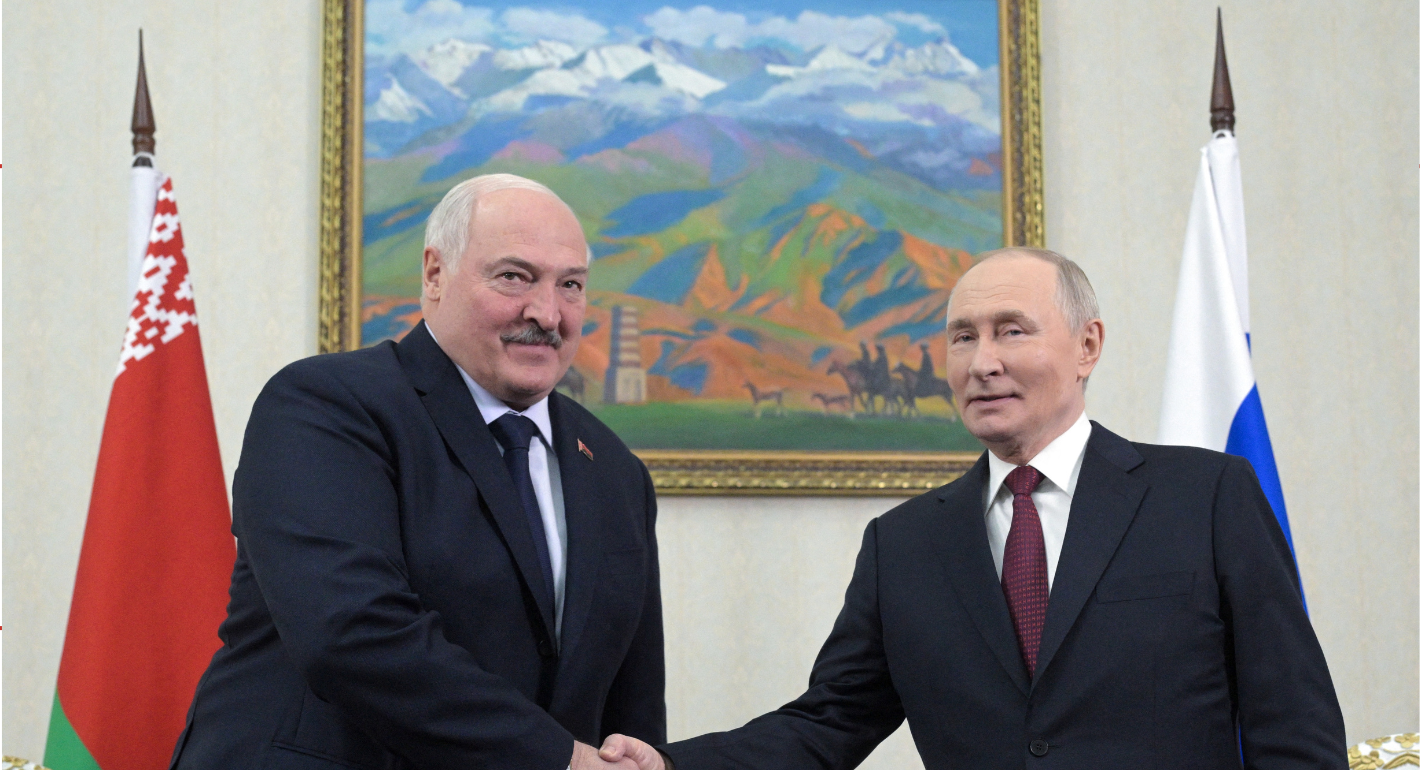
In return for a trade deal and the release of political prisoners, the United States has lifted sanctions on Belarus, breaking the previous Western policy consensus. Should Europeans follow suit, using their leverage to extract concessions from Lukashenko, or continue to isolate a key Kremlin ally?

Thomas de Waal, ed.
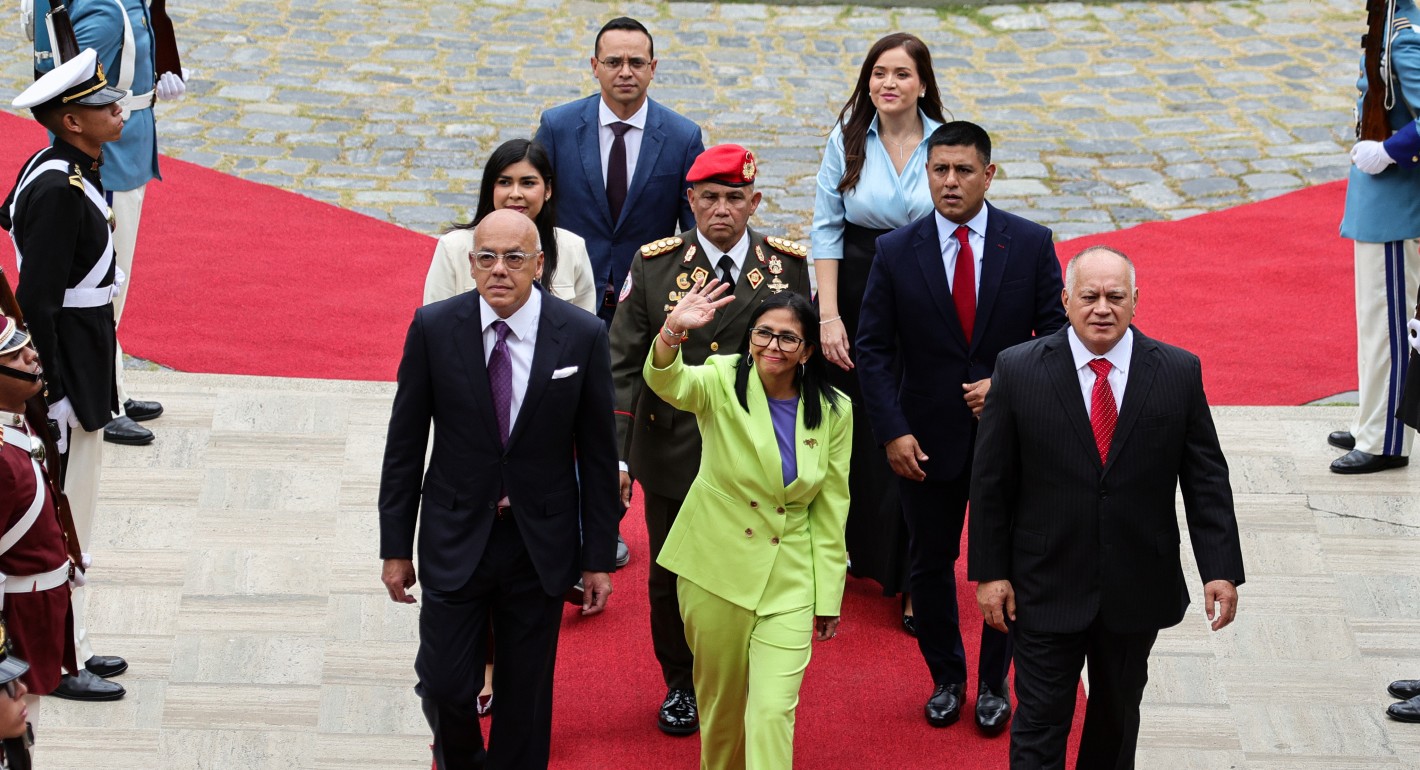
Venezuelans deserve to participate in collective decisionmaking and determine their own futures.

Jennifer McCoy
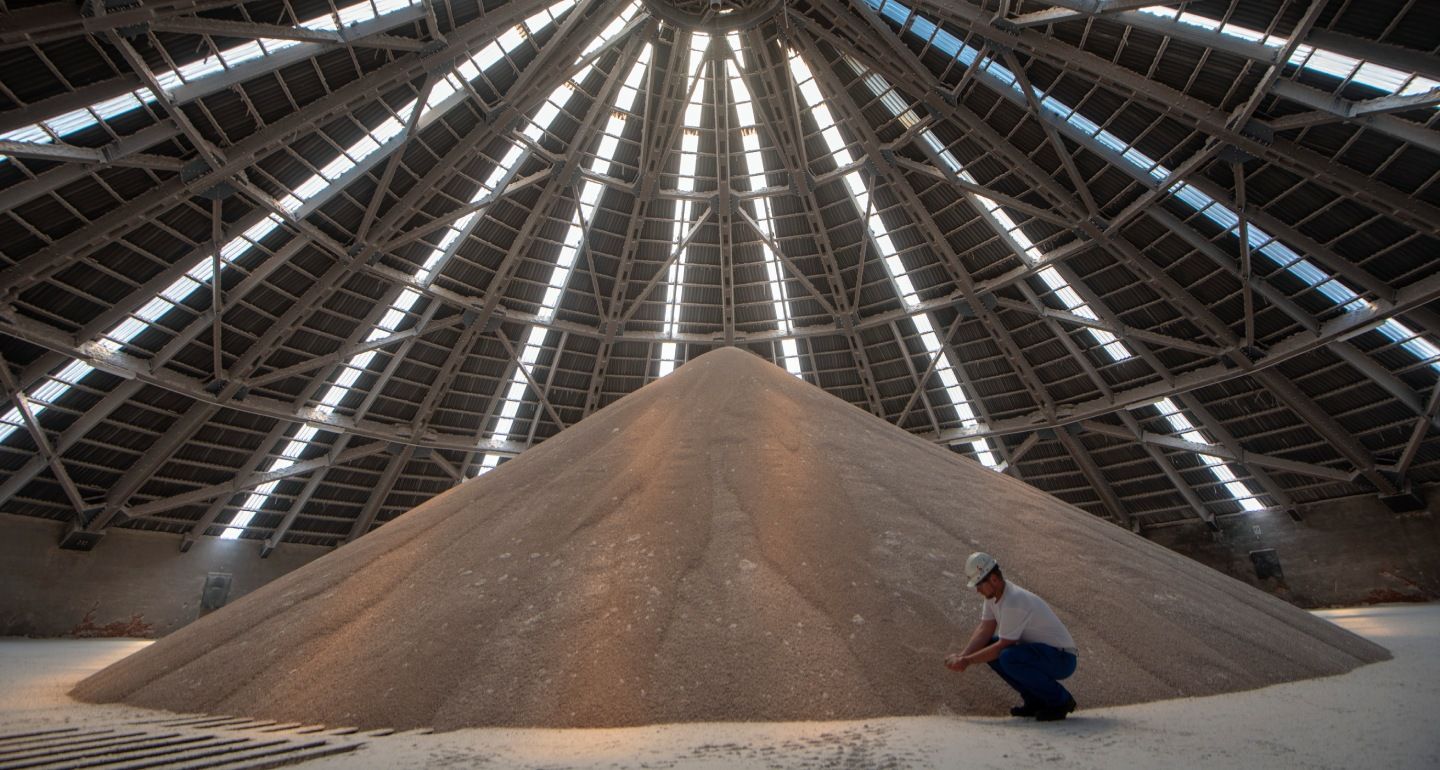
What should happen when sanctions designed to weaken the Belarusian regime end up enriching and strengthening the Kremlin?

Denis Kishinevsky
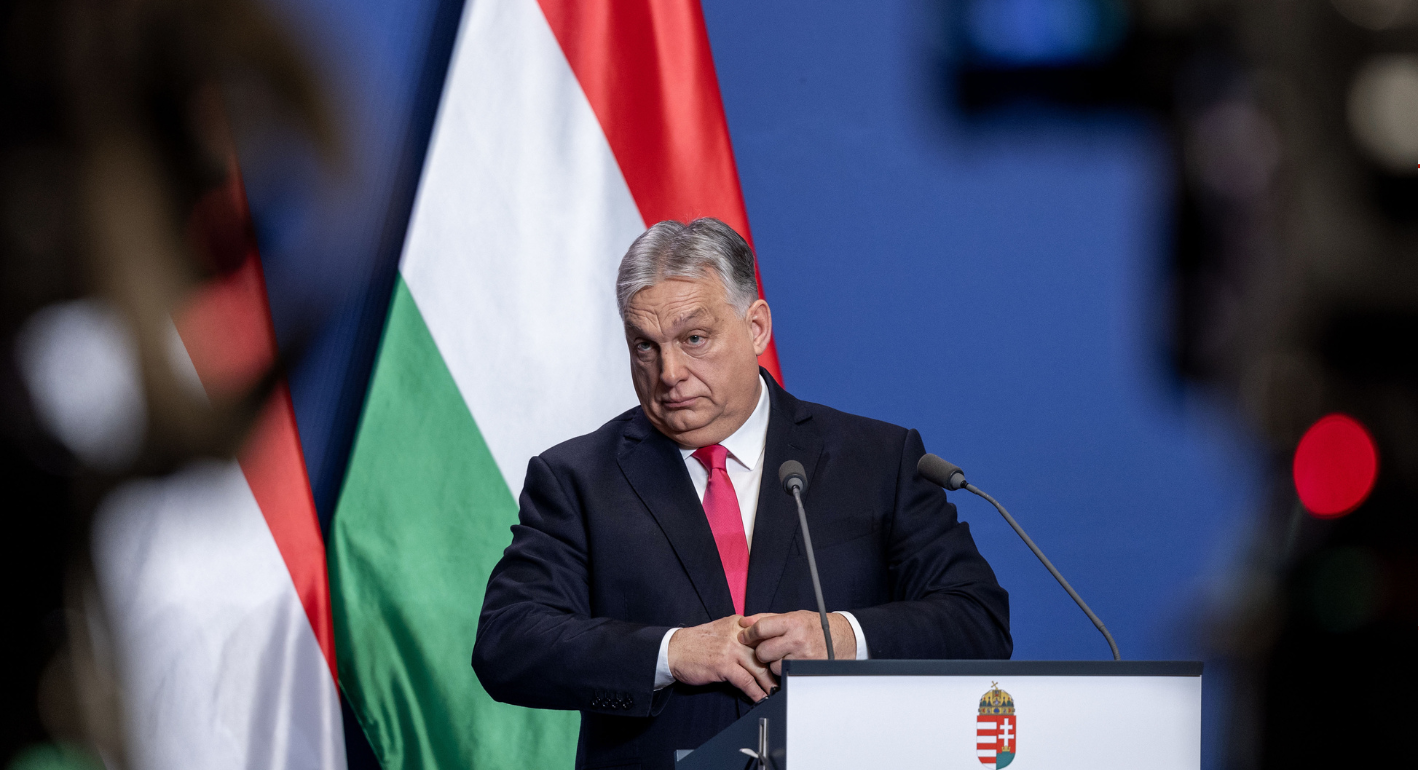
Hungarian Prime Minister Viktor Orbán faces his most serious challenge yet in the April 2026 parliamentary elections. All of Europe should monitor the Fidesz campaign: It will use unprecedented methods of electoral manipulation to secure victory and maintain power.
Zsuzsanna Szelényi