

Commentary
Alper Coşkun, Garo Paylan
{
  "authors": [
    "Garo Paylan"
  ],
  "type": "testimony",
  "centerAffiliationAll": "dc",
  "centers": [
    "Carnegie Endowment for International Peace"
  ],
  "collections": [
    "Transatlantic Cooperation"
  ],
  "englishNewsletterAll": "ctw",
  "nonEnglishNewsletterAll": "",
  "primaryCenter": "Carnegie Endowment for International Peace",
  "programAffiliation": "EP",
  "programs": [
    "Europe"
  ],
  "projects": [],
  "regions": [
    "Azerbaijan",
    "Armenia",
    "Türkiye"
  ],
  "topics": []
}
Source: Getty
Testimony before the U.S. Helsinki Commission
Delivered by GARO PAYLAN
JUNE 25, 2025
Distinguished Members of the Commission,
Thank you for the opportunity to testify today. I am currently a visiting scholar at the Carnegie Endowment for International Peace and previously served as a Member of the Turkish Parliament.
These are challenging times. The United States is navigating multiple global crises—supporting Ukraine against Russian aggression and managing the ongoing instability in the Middle East. Amid this turbulence, the South Caucasus presents a unique opportunity to advance U.S. interests by helping broker a durable peace between Armenia and Azerbaijan at a relatively modest diplomatic cost.
This is a once-in-a-generation opportunity for American leadership –as it competes with Russia and China – to reshape the future of this strategically vital region, situated at the crossroads of Eurasia’s energy and trade routes
Historically, the South Caucasus has been dominated by Russia. Armenia and Azerbaijan have endured decades of conflict since the collapse of the Soviet Union, with Russia exploiting tensions to maintain its regional influence and military presence.
Today, however, the era of Russian domination is nearing its end. As Armenia and Azerbaijan seek greater autonomy from Moscow, decisive American engagement will be critical to their success.
Following two devastating wars since the 1990s and the mass displacement and etnic cleansing of Armenians from Nagorno-Karabakh in 2023, Armenia and Azerbaijan have taken bold steps, agreeing on the full text of a peace agreement in March 2025. Yet, President Aliyev of Azerbaijan remains hesitant to finalize the accord, seeking additional concessions and leaving the door for future military escalation.
The United States should explicitly make clear that it is time for peace in the South Caucasus, and any further escalation will carry serious consequences.
Equally important, the U.S. should clearly demonstrate the tangible benefits both Armenia and Azerbaijan stand to gain from lasting peace. Active diplomatic engagement and meaningful economic collaboration could unlock substantial opportunities for the region, including the establishment of the "Middle Corridor," a strategic trade route linking Europe and Central Asia through the South Caucasus. This initiative would foster regional economic growth, facilitate energy flows, and secure Western access to the critical rare-earth resources in Central Asia—all bypassing Russian influence.
Turkey’s role is essential. Ankara officially supports peace between Armenia and Azerbaijan and recognizes the region’s strategic significance. Yet, Turkey has hesitated to exert sufficient pressure on its ally, President Aliyev. Although Prime Minister Pashinyan’s recent meeting with President Erdogan in Istanbul was historic, establishing formal diplomatic relations and opening the Turkish-Armenian border remain unresolved. Turkey should open the border and establish formal diplomatic relations with Armenia as soon as possible.
The U.S. should actively engage Ankara to pursue comprehensive normalization with Yerevan and encourage President Erdogan to leverage his influence with President Aliyev to secure lasting peace in the South Caucasus.
In this context, deepening the U.S.-Armenia strategic partnership is crucial. Enhanced bilateral ties, economic collaboration, and security cooperation with Yerevan will stabilize the region, strengthen democratic governance, and counterbalance pressures from adversarial powers.
President Trump is uniquely positioned to personally engage President Aliyev and Prime Minister Pashinyan, urging them to seize this historic moment to achieve peace.
Essential elements for lasting peace should include the immediate release of Armenian political prisoners, which the U.S. can facilitate through diplomatic leverage.
Allow me to close on a personal note. As an Armenian from Turkey who served in the Turkish Parliament for nine years, I have actively worked and struggled for reconciliation among Armenians, Turks, and Azeris. I deeply understand the devastating costs of the absence of peace. In both the recent and more distant past, the region has experienced wars, mass migrations and atrocities, including ethnic cleansing and genocide. While we cannot undo the tragedies our ancestors endured, a peaceful and just future remains achievable.
The people of Armenia, Azerbaijan and Turkey are ready. Committed U.S. engagement can now make all the difference. Peace is the only path to healing. After ending the cycle of retribution, we must establish mechanisms for reconciliation to heal the wounds of victims and their families.
In a time of global uncertainty and fragmentation, the South Caucasus can become a success story for U.S. diplomacy—a model of reconciliation and shared prosperity.
We will never forget the past, but let us not miss this historic opportunity to build a better future.
Thank you again for the privilege to testify today.
Visiting Scholar, Europe Program
Garo Paylan is a visiting scholar with the Europe Program at the Carnegie Endowment for International Peace in Washington, DC. His research focuses on the South Caucasus and Türkiye.
Recent Work

Alper Coşkun, Garo Paylan
Garo Paylan
Carnegie does not take institutional positions on public policy issues; the views represented herein are those of the author(s) and do not necessarily reflect the views of Carnegie, its staff, or its trustees.

Over the past ten years, NATO has held almost as many summits as it did during the entirety of the Cold War. Are they still useful, or is it time to stop holding annual meetings?

Rym Momtaz, ed.
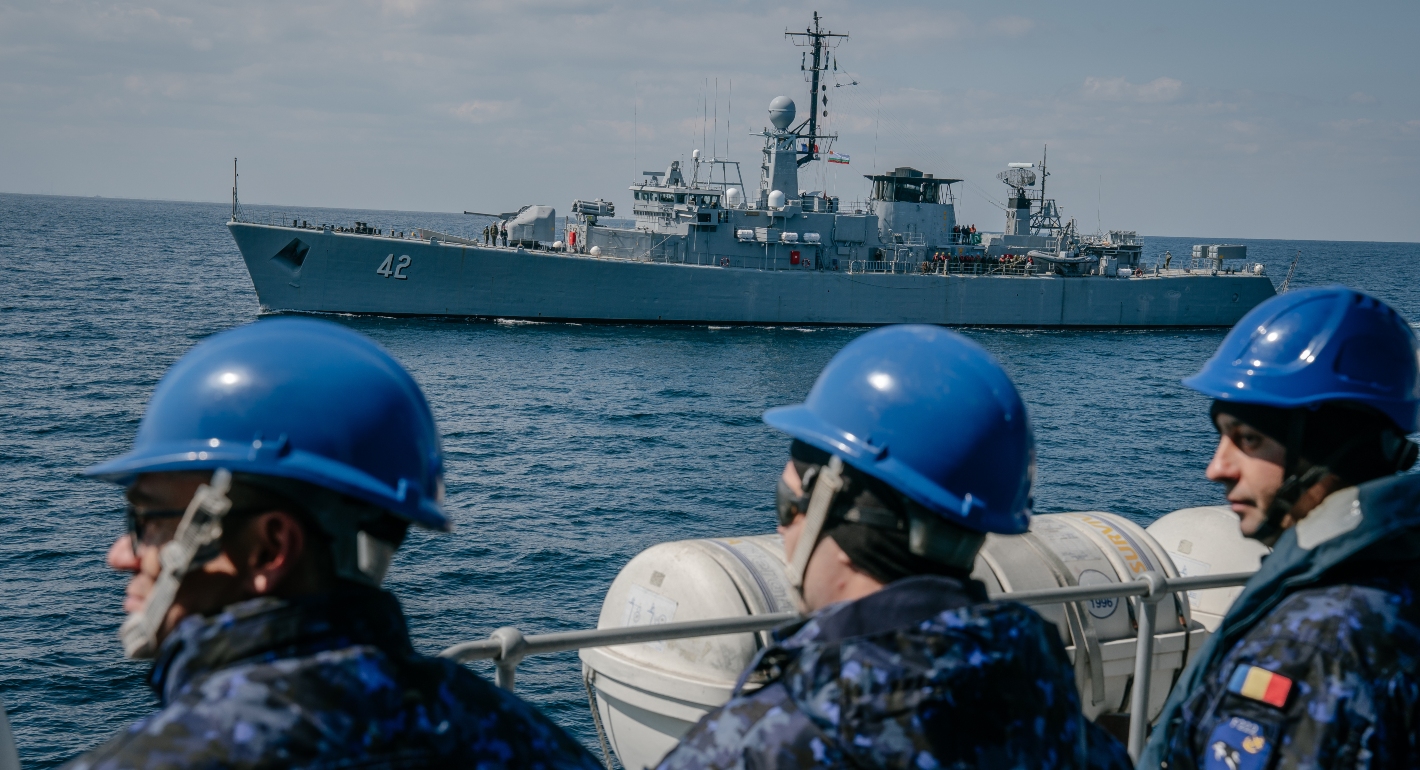
As Russia's war on Ukraine drags on, NATO is expanding its footprint in the Black Sea. Turkey, Romania, and Bulgaria are upgrading their fleets and deepening trilateral cooperation.

Dimitar Bechev

The Alliance is being pulled toward a NATO 3.0 model by two structural drivers: the changing character of warfare, made visible by the war in Ukraine, and the redistribution of transatlantic burden-sharing as the United States gives greater priority to homeland security and the Indo-Pacific.
Alper Coşkun, Fatih Ceylan, Tacan İldem, …
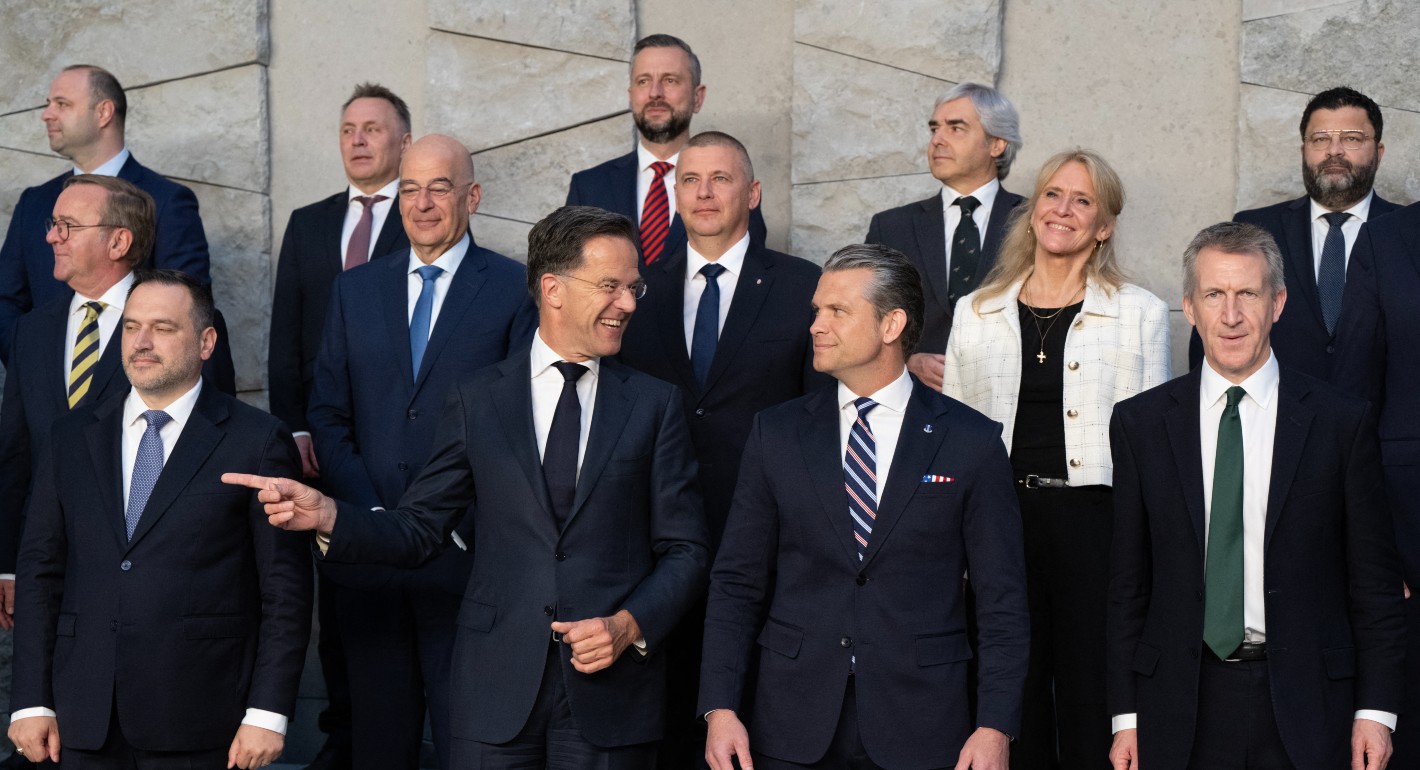
European allies are less focused on appeasing Trump and more focused on smoothing the transition to a Europe-led alliance.


Sophia Besch, Alper Coşkun, Nate Reynolds, …
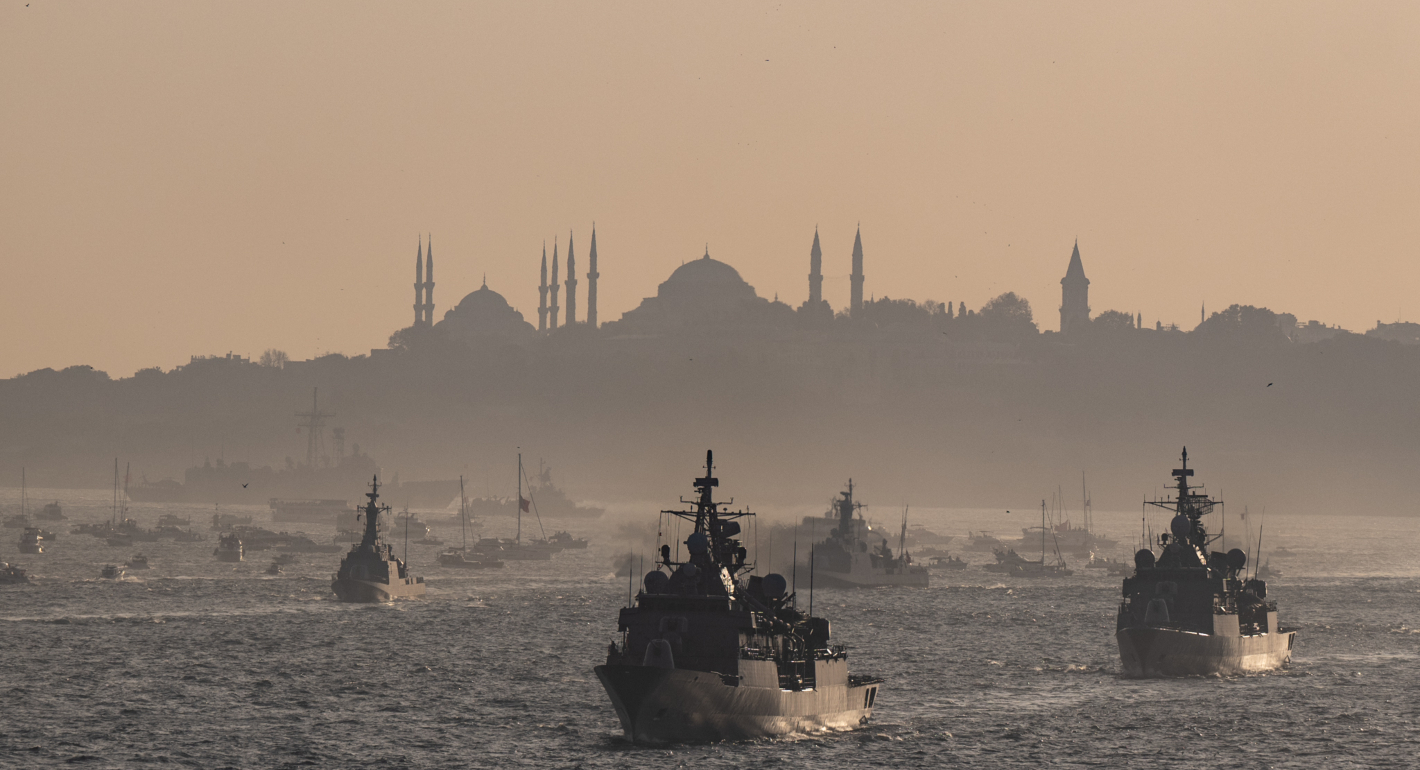
For ninety years, Turkey has been positioned as the principal gatekeeper of Black Sea security. As a result, European and NATO efforts to support Ukraine will require closer engagement with Ankara.

Thomas de Waal