• Research
  • Emissary
  • About
  • Experts
Carnegie Global logoCarnegie lettermark logo
DemocracyIran
  • Donate
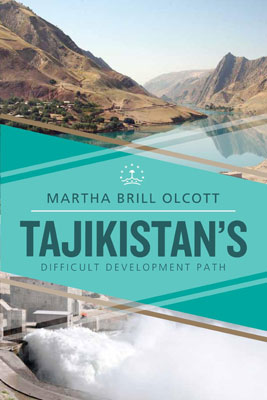
Tajikistan's Difficult Development Path
Book

Tajikistan's Difficult Development Path

The Tajik leadership faces an urgent choice between fully embracing reform and continuing on its current failed track. Tajikistan’s decision will have very real implications for this troubled region.

Link Copied
By Martha Brill Olcott
Published on Oct 15, 2012

Additional Links

Hardback - $49.95Kindle - $9.99iTunes - $9.99Paperback - $19.95Nook - $10.39
Program mobile hero image

Program

Russia and Eurasia

The Russia and Eurasia Program continues Carnegie’s long tradition of independent research on major political, societal, and security trends in and U.S. policy toward a region that has been upended by Russia’s war against Ukraine.  Leaders regularly turn to our work for clear-eyed, relevant analyses on the region to inform their policy decisions.

Learn More
Project hero Image

Project

Eurasia in Transition

Learn More

Source: Washington

Tajikistan teeters on the brink of failure. This mountainous and landlocked country, the poorest in Central Asia, struggles with corruption and its citizens lack a number of basic freedoms. These domestic challenges become even more problematic as international forces prepare to withdraw from neighboring Afghanistan, leaving the Central Asian countries to ensure regional stability.

In Tajikistan’s Difficult Development Path, Martha Brill Olcott traces the political, economic, and social change following the country’s independence and international efforts to prevent a collapse of the state. The Tajik government’s commitment to reform has been limited at best, and substantial foreign assistance provided since the end of the country’s civil war has not led to real economic and political development.

Olcott concludes that the Tajik leadership faces an urgent choice between fully embracing reform and continuing on its current failed track. Tajikistan’s decision will have very real implications for this troubled region.

About the Author

Martha Brill Olcott

Former Senior Associate, Russia and Eurasia Program and, Co-director, al-Farabi Carnegie Program on Central Asia

Olcott is professor emerita at Colgate University, having taught political science there from 1974 to 2002. Prior to her work at the endowment, Olcott served as a special consultant to former secretary of state Lawrence Eagleburger.

    Recent Work

  • In The Media
    After Crimea: Will Kazakhstan be Next in Putin’s Reintegration Project?

      Martha Brill Olcott

  • Article
    China’s Unmatched Influence in Central Asia

      Martha Brill Olcott

Martha Brill Olcott
Former Senior Associate, Russia and Eurasia Program and, Co-director, al-Farabi Carnegie Program on Central Asia
Martha Brill Olcott
Central AsiaTajikistanEconomy

Carnegie does not take institutional positions on public policy issues; the views represented herein are those of the author(s) and do not necessarily reflect the views of Carnegie, its staff, or its trustees.
More Work from Carnegie Endowment for International Peace

  • Commentary
    Carnegie Politika
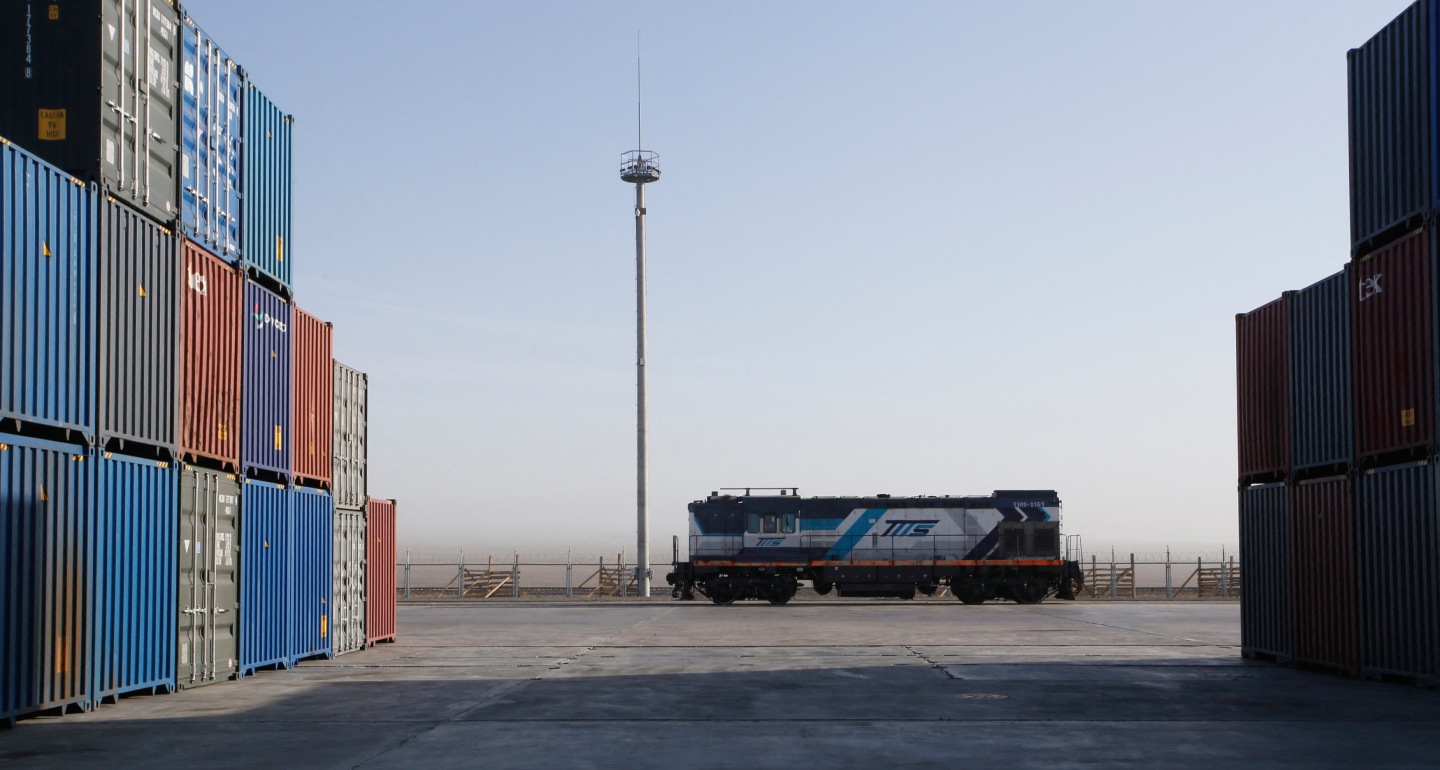
    Multiple Wars Are Ruining Central Asia’s Efforts to Diversify Its Trade Routes

    This year’s wars have made alternative routes to transit through Russia no less risky for Central Asian countries.

      Galiya Ibragimova

  • Europe trade economy container supply chains
    Paper
    From Trade Dependence to Geopolitical Leverage: The EU in an Era of Weaponized Interdependence

    As geopolitical rivalry weaponizes global supply chains, the EU’s true vulnerability lies in emerging-risk imports. For these goods, suppliers are growing more concentrated, substitution more difficult, and political risk is looming.

      Sinan Ülgen
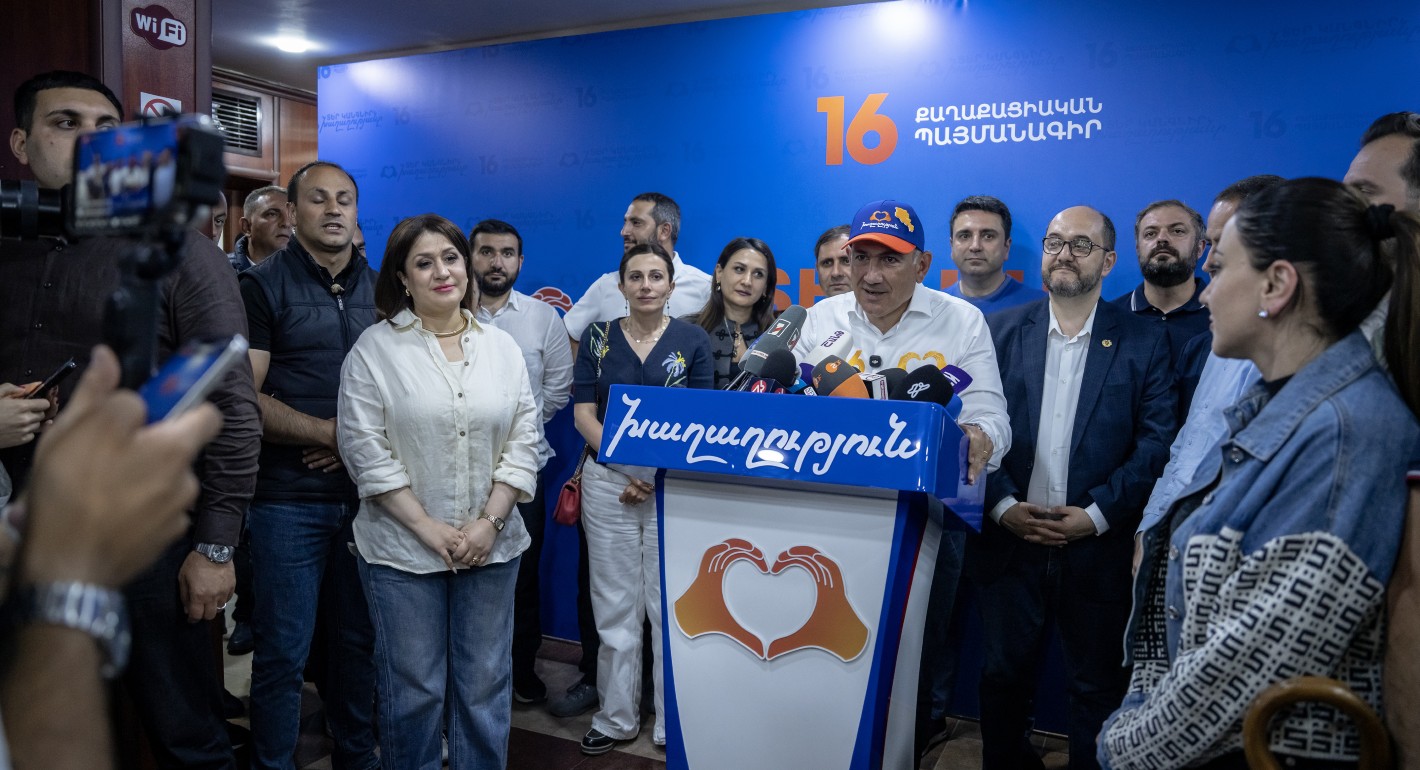
  • Pashinyan surrounded by supporters while speaking to reporters
    Commentary
    Next Steps Toward Peace After the Armenian Elections

    It’s time to build momentum, and Ankara is the venue of the next opportune diplomatic window to do this.


      • Garo Paylan

      Alper Coşkun, Garo Paylan

  • Commentary
    Strategic Europe
    European Security Strategy: In Search of a New Ambition

    The EU is putting together a new security strategy to meet today’s myriad challenges. But for any proposal to be effective, the union needs to grapple with its identity and ambitions.

      Pierre Vimont
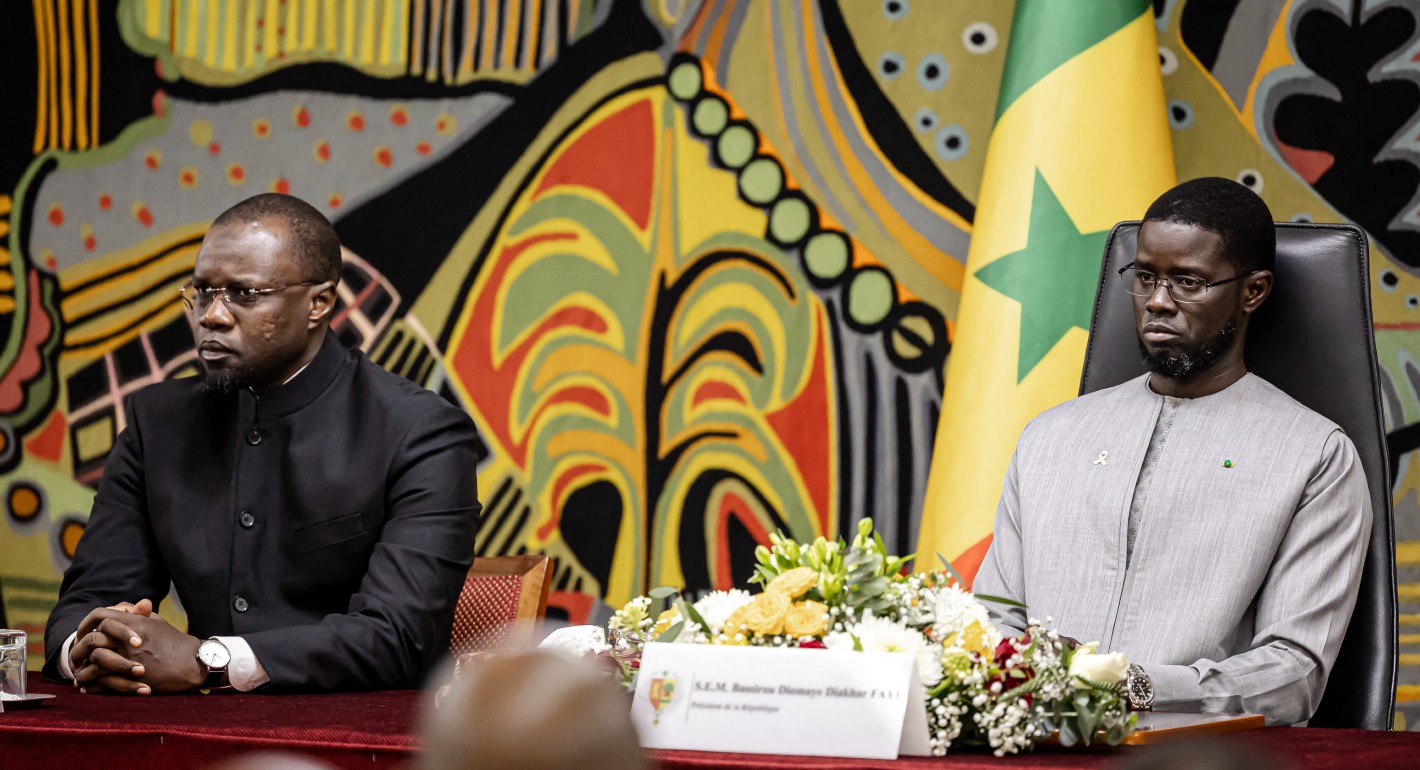
  • two men sitting next to each other
    Commentary
    Emissary
    Senegal’s Debt Crisis Has Moved Its Leaders from Partners to Rivals

    The impacts of the Faye-Sonko rupture could go well beyond the country’s borders.

      • Dr. Lesley Anne Warner

      Lesley Anne Warner

Get more news and analysis from
Carnegie Endowment for International Peace
Carnegie global logo, stacked
1779 Massachusetts Avenue NWWashington, DC, 20036-2103Phone: 202 483 7600
  • Research
  • Emissary
  • About
  • Experts
  • Donate
  • Programs
  • Events
  • Blogs
  • Podcasts
  • Contact
  • Annual Reports
  • Careers
  • Privacy
  • For Media
  • Government Resources
Get more news and analysis from
Carnegie Endowment for International Peace
© 2026 Carnegie Endowment for International Peace. All rights reserved.