

Paper
Louise Tillin, Milan Vaishnav, Andy Robaina
{
  "authors": [
    "Milan Vaishnav"
  ],
  "type": "legacyinthemedia",
  "centerAffiliationAll": "dc",
  "centers": [
    "Carnegie Endowment for International Peace"
  ],
  "collections": [],
  "englishNewsletterAll": "ctw",
  "nonEnglishNewsletterAll": "",
  "primaryCenter": "Carnegie Endowment for International Peace",
  "programAffiliation": "SAP",
  "programs": [
    "South Asia"
  ],
  "projects": [],
  "regions": [
    "North America",
    "United States",
    "South Asia",
    "India"
  ],
  "topics": [
    "Political Reform",
    "Democracy"
  ]
}
Source: Getty
While corrupt politicians in India undoubtedly used some level of coercion, they were also popular because they were seen as getting things done for their community.
Source: Audio Boom
Speaking on #CyrusSays, Carnegie’s Milan Vaishnav discussed his experiences in India interviewing politicians with criminal records for his book, When Crime Pays. He argued that while the people he met undoubtedly used some level of coercion, they were also liked because they were seen as getting things done for their community.
Vaishnav went on to talk about the similarities between Indian and U.S. politics, as well future avenues of research related to political institutions. After years studying corruption in India, he said, corruption in the United States now appears to be a relevant topic.
This podcast was originally broadcast by Cyrus Says on Audio Boom.

Director and Senior Fellow, South Asia Program
Milan Vaishnav is a senior fellow and director of the South Asia Program and the host of the Grand Tamasha podcast at the Carnegie Endowment for International Peace. His primary research focus is the political economy of India, and he examines issues such as corruption and governance, state capacity, distributive politics, and electoral behavior. He also conducts research on the Indian diaspora.
Recent Work
Louise Tillin, Milan Vaishnav, Andy Robaina


Milan Vaishnav, Sameer Lalwani, Tanvi Madan, …
Carnegie does not take institutional positions on public policy issues; the views represented herein are those of the author(s) and do not necessarily reflect the views of Carnegie, its staff, or its trustees.
It’s time to build momentum, and Ankara is the venue of the next opportune diplomatic window to do this.

Alper Coşkun, Garo Paylan
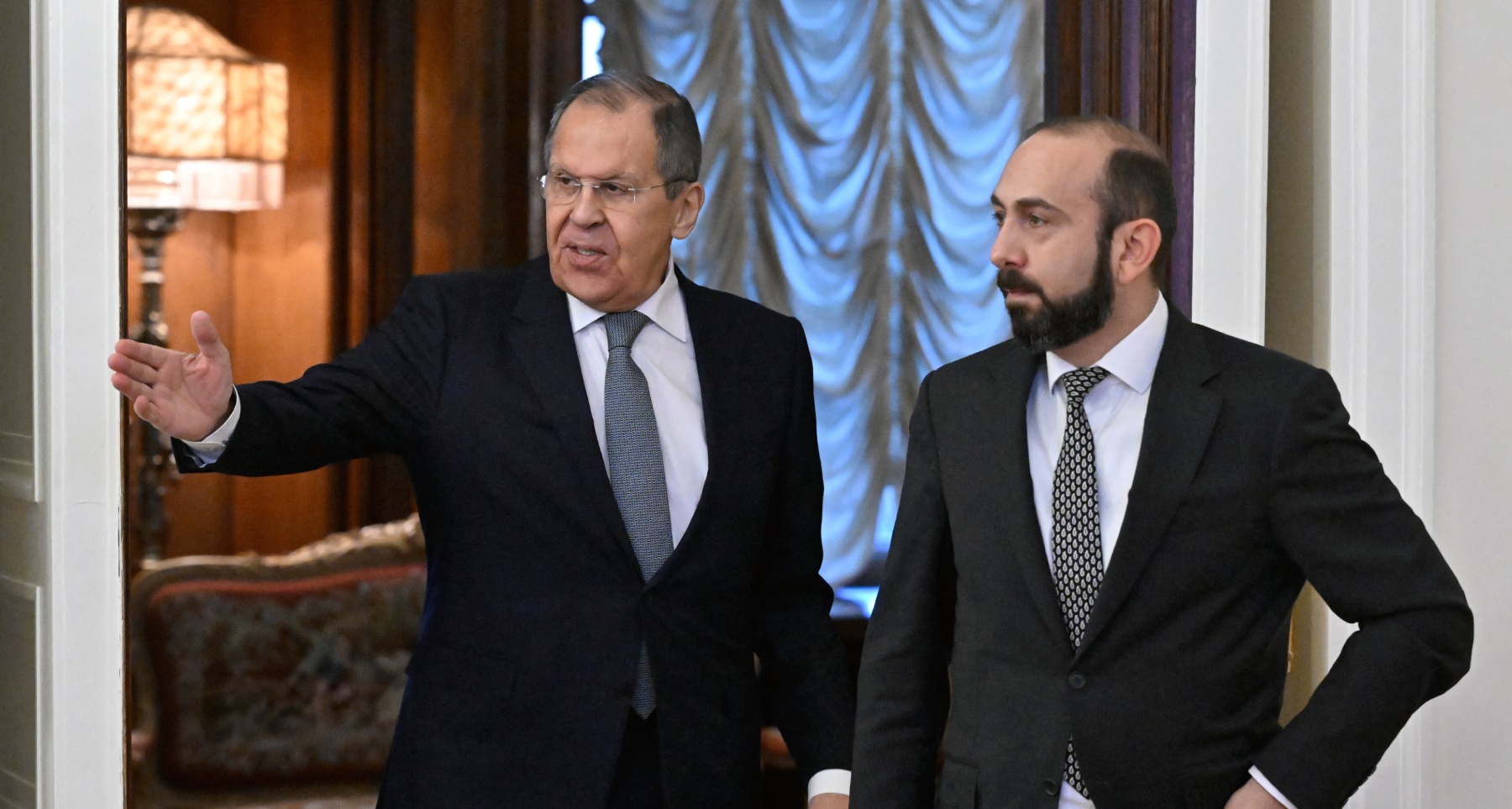
For all the menacing rhetoric, the Armenian prime minister remains a leader with whom Putin is prepared to interact: not as an ally, but as a partner, albeit a problematic one.

Alexander Atasuntsev
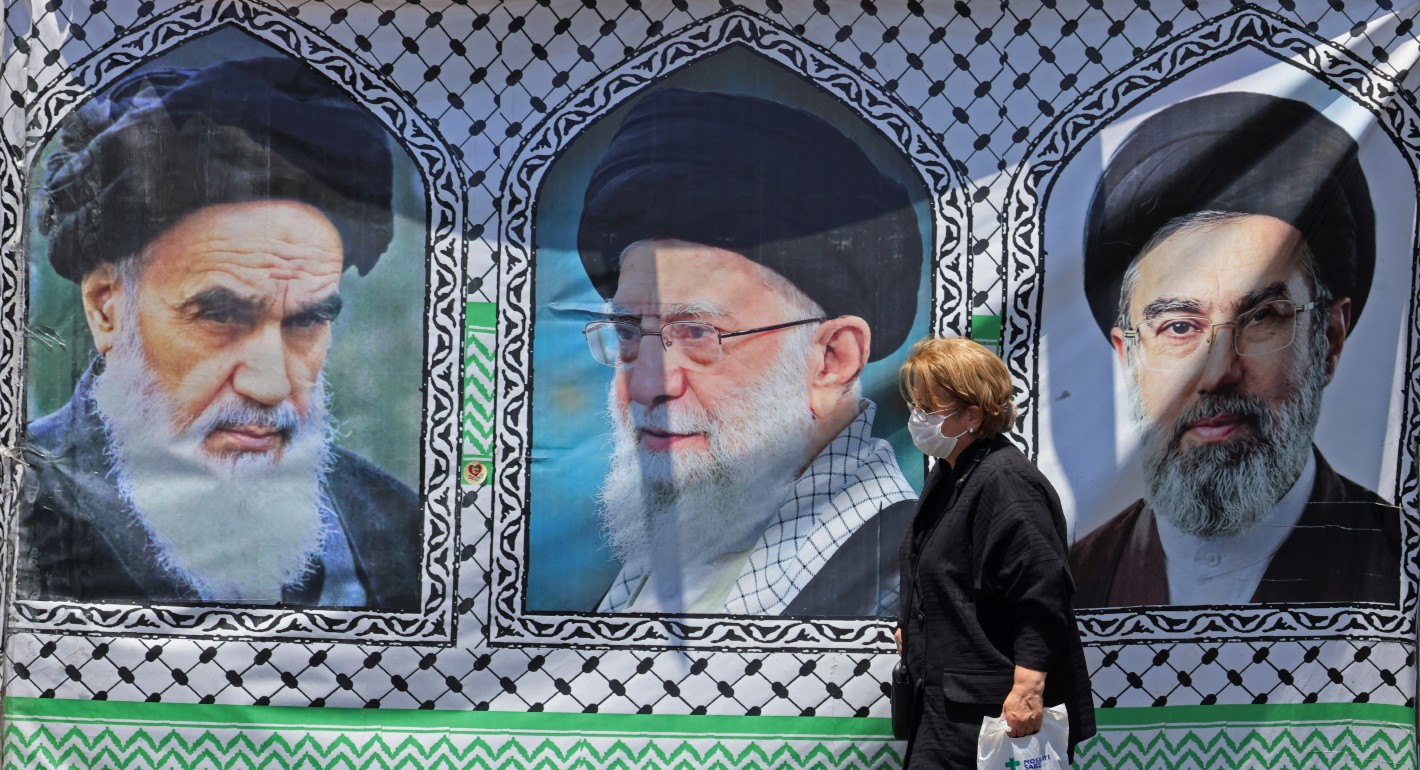
The Islamic Republic’s words and actions suggest that it has changed its approach to both diplomacy and war.
Mohammad Ayatollahi Tabaar
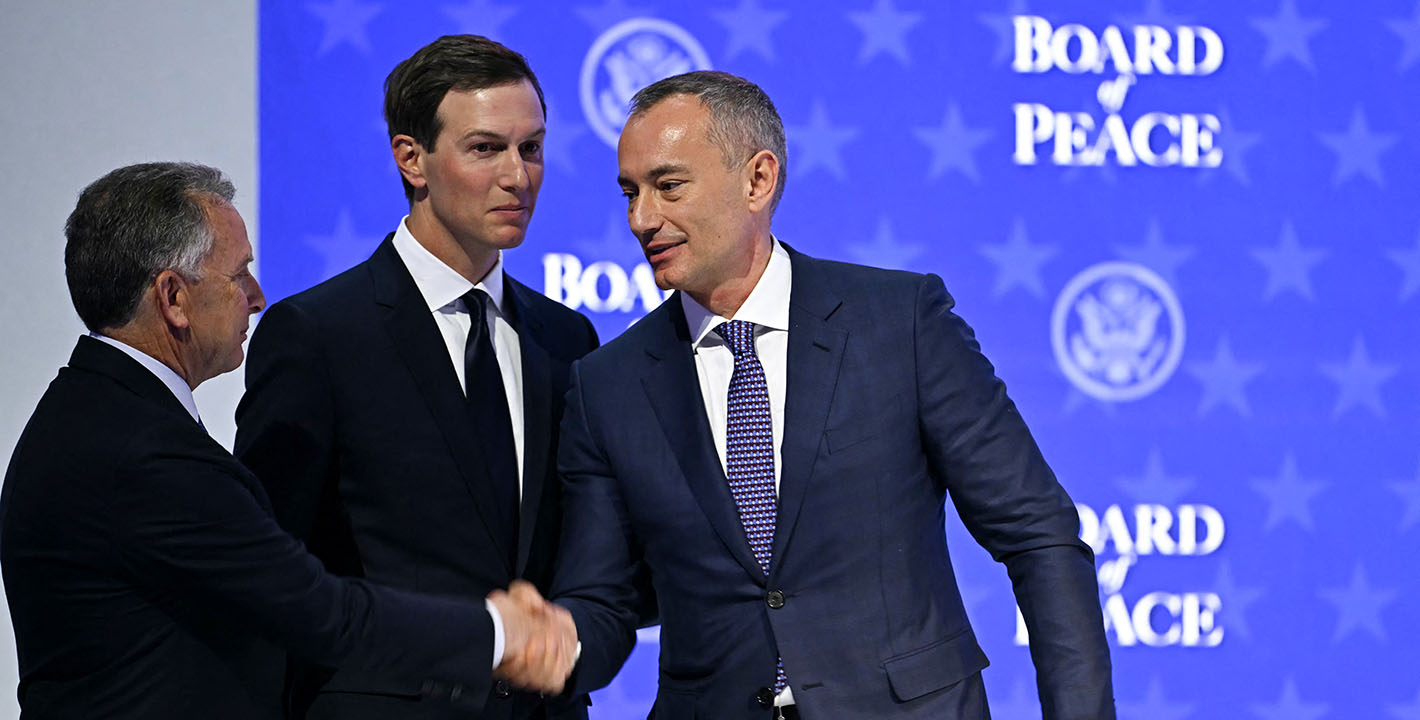
Policy discussion is ignoring that the Palestinian national project is hollowed out and apartheid is a present danger.

Nathan J. Brown
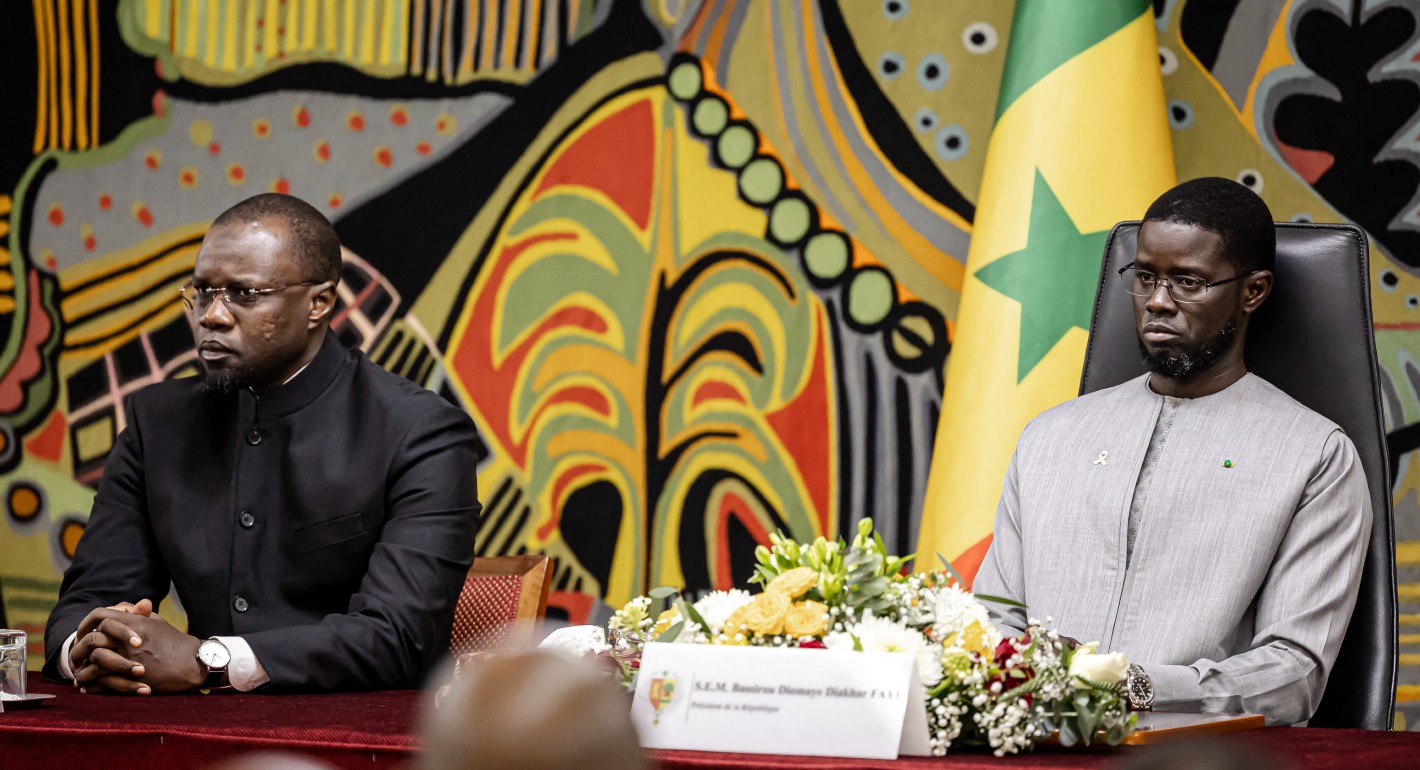
The impacts of the Faye-Sonko rupture could go well beyond the country’s borders.

Lesley Anne Warner