
• Research
  • Emissary
  • About
  • Experts
Carnegie Global logoCarnegie lettermark logo
DemocracyIran
  • Donate
{
  "authors": [
    "Alicia Wanless",
    "James Pamment"
  ],
  "type": "other",
  "centerAffiliationAll": "dc",
  "centers": [
    "Carnegie Endowment for International Peace"
  ],
  "collections": [],
  "englishNewsletterAll": "ctw",
  "nonEnglishNewsletterAll": "",
  "primaryCenter": "Carnegie Endowment for International Peace",
  "programAffiliation": "TIA",
  "programs": [
    "Technology and International Affairs"
  ],
  "projects": [
    "Partnership for Countering Influence Operations"
  ],
  "regions": [
    "Iran"
  ],
  "topics": [
    "Political Reform",
    "Security",
    "Foreign Policy",
    "Technology"
  ]
}

Source: Getty

Other

How Do You Define a Problem Like Influence?

While increasing media coverage is dedicated to how information is used to influence target audiences, a common terminology for describing these activities is lacking.

Link Copied
By Alicia Wanless and James Pamment
Published on Dec 30, 2019
Program mobile hero image

Program

Technology and International Affairs

The Technology and International Affairs Program develops insights to address the governance challenges and large-scale risks of new technologies. Our experts identify actionable best practices and incentives for industry and government leaders on artificial intelligence, cyber threats, cloud security, countering influence operations, reducing the risk of biotechnologies, and ensuring global digital inclusion.

Learn More
Project hero Image

Project

Partnership for Countering Influence Operations

The goal of the Partnership for Countering Influence Operations (PCIO) is to foster evidence-based policymaking to counter threats in the information environment. Key roadblocks as found in our work include the lack of: transparency reporting to inform what data is available for research purposes; rules guiding how data can be shared with researchers and for what purposes; and an international mechanism for fostering research collaboration at-scale.

Learn More

Source: Journal of Information Warfare

Abstract

While increasing media coverage is dedicated to how information is used to influence target audiences, a common terminology for describing these activities is lacking. This paper offers a literature review of terms currently used by industry, government, and media related to influence operations; analyses the challenges posed by many of these definitions for use in practical policy development; and ultimately argues for a broader definition of such.

Read Full Text

This article is part of a special issue of the Journal of Information Warfare. The issue was arranged to support the launch of the Partnership for Countering Influence Operations. The seven articles in this special issue explore the phenomenon of influence operations (IO) as it has developed in recent years and make a modest but important contribution to forwarding the international debate on IO. Drawing on a mixture of conceptual, empirical, and policy-oriented approaches, the authors represent a range of academic disciplines, methodologies, and perspectives. Far from being the final word, it is hoped that the articles in this collection will stimulate and stake out future directions for further research. For more information, please click here.

About the Authors

Alicia Wanless

Senior Fellow, Technology and International Affairs, Director, Information Environment Project

Alicia is the director of the Information Environment Project and the author of The Information Animal: Humans, Technology and the Competition for Reality. Alicia was a technical advisor to the Aspen Institute’s Commission on Information Disorder and is a founding member of its Global Cybersecurity Group.


James Pamment

Former Nonresident Scholar, Technology and International Affairs Program

James Pamment was a nonresident scholar in the Technology and International Affairs Program at the Carnegie Endowment for International Peace.

Authors

Alicia Wanless
Senior Fellow, Technology and International Affairs, Director, Information Environment Project
Alicia Wanless
James Pamment
Former Nonresident Scholar, Technology and International Affairs Program
Political ReformSecurityForeign PolicyTechnologyIran

Carnegie does not take institutional positions on public policy issues; the views represented herein are those of the author(s) and do not necessarily reflect the views of Carnegie, its staff, or its trustees.

More Work from Carnegie Endowment for International Peace

  • Commentary
    Carnegie Politika
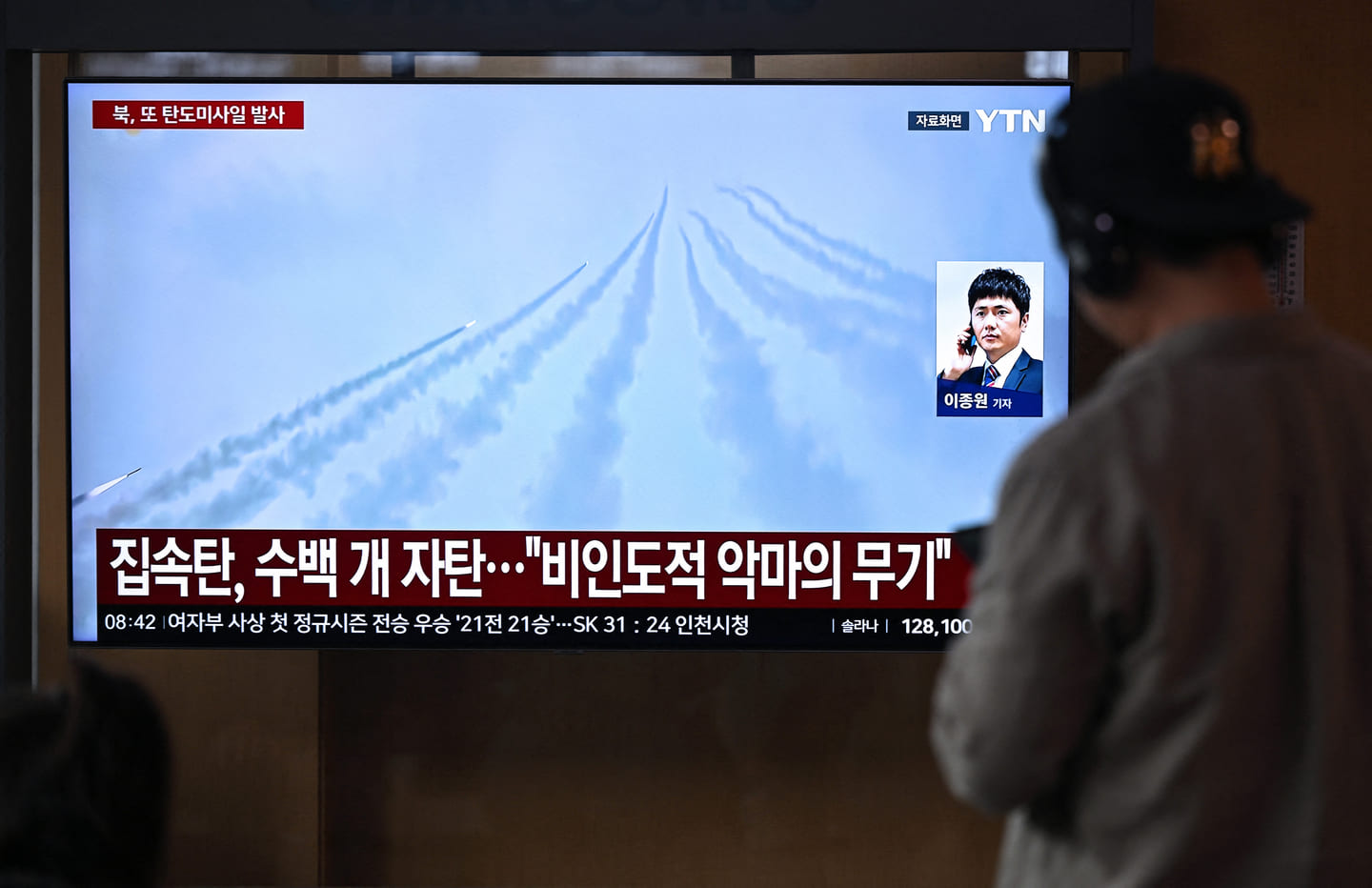
    What Does Nuclear Proliferation in East Asia Mean for Russia?

    Troubled by the growing salience of nuclear debates in East Asia, Moscow has responded in its usual way: with condemnation and threats. But by exacerbating insecurity, Russia is forcing South Korea and Japan to consider radical security options.

      James D.J. Brown

  • Commentary
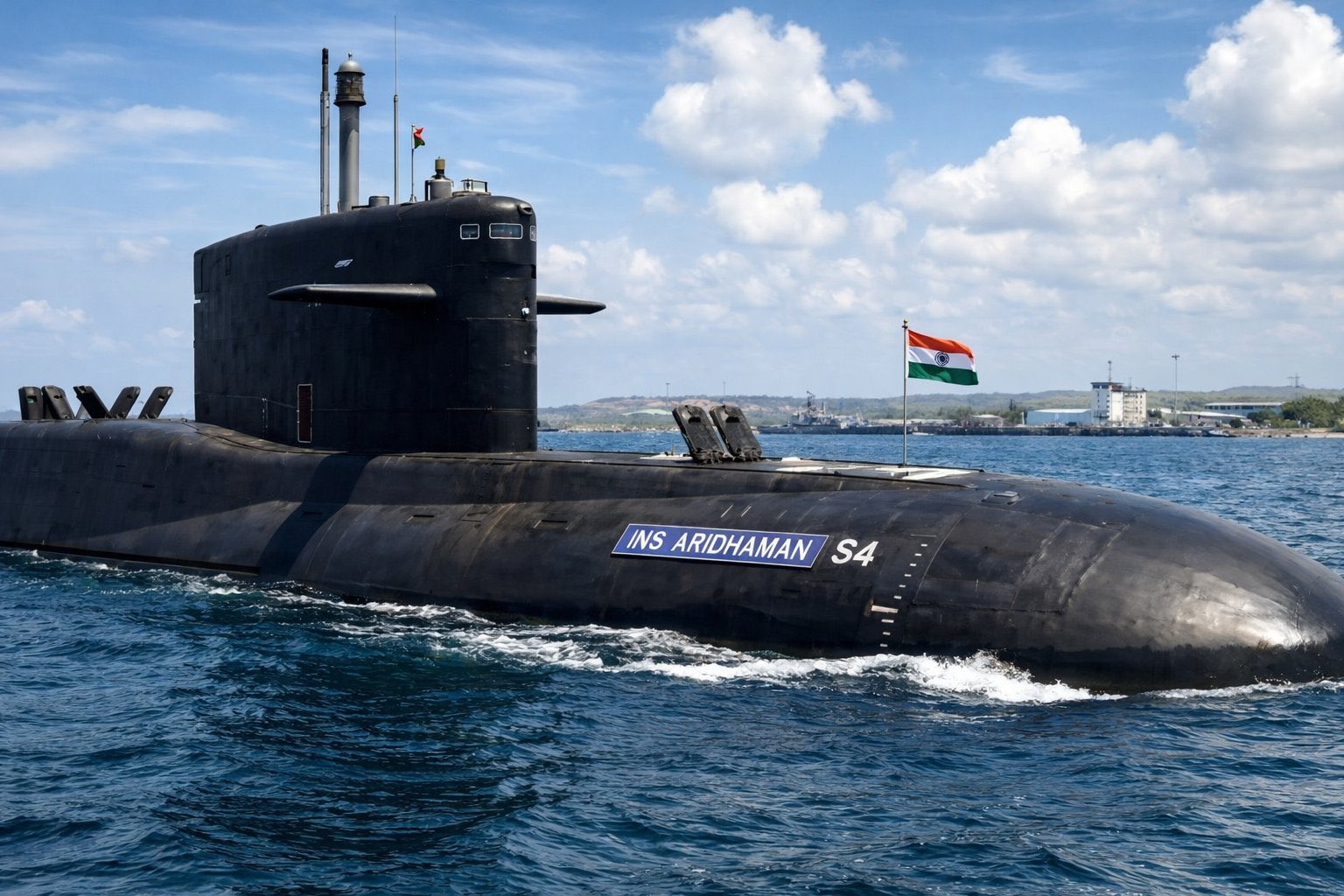
    The Coming of Age of India’s Nuclear Triad

    The induction of INS Aridhaman, which features several technological enhancements, now gives India the third nuclear ballistic missile submarine to ensure continuous at-sea deterrent.

      Dinakar Peri

  • Vietnam's Top Leader To Lam meets with young representatives from China and Vietnam participating in the "Red Study Tours" at the Great Hall of the People on April 15, 2026 in Beijing, China. T
    Commentary
    Why Vietnam Is Swinging in China’s Direction

    Hanoi and Beijing have long treated each other as distant cousins rather than comrades in arms. That might be changing as both sides draw closer to hedge against uncertainty and America’s erratic behavior.

      • Nguyen-khac-giang

      Nguyễn Khắc Giang

  • Smoke rising over a  bridge
    Commentary
    Emissary
    The Iran War Is a Stress Test for Gulf States

    The conflict is exposing the flaws and fissures of their domestic governance and social cohesion.

      Frederic Wehrey, Charles H. Johnson

  • Commentary
    Strategic Europe
    Taking the Pulse: Is the EU Ready for Rapprochement With the UK?

    Closer EU-UK ties could help address urgent European concerns. But is the EU ready for rapprochement with the United Kingdom?

      • Rym Momtaz

      Rym Momtaz, ed.

Get more news and analysis from
Carnegie Endowment for International Peace
Carnegie global logo, stacked
1779 Massachusetts Avenue NWWashington, DC, 20036-2103Phone: 202 483 7600
  • Research
  • Emissary
  • About
  • Experts
  • Donate
  • Programs
  • Events
  • Blogs
  • Podcasts
  • Contact
  • Annual Reports
  • Careers
  • Privacy
  • For Media
  • Government Resources
Get more news and analysis from
Carnegie Endowment for International Peace
© 2026 Carnegie Endowment for International Peace. All rights reserved.