
• Research
  • Emissary
  • About
  • Experts
Carnegie Global logoCarnegie lettermark logo
DemocracyIran
  • Donate
{
  "authors": [
    "Ariel (Eli) Levite"
  ],
  "type": "legacyinthemedia",
  "centerAffiliationAll": "dc",
  "centers": [
    "Carnegie Endowment for International Peace"
  ],
  "collections": [],
  "englishNewsletterAll": "ctw",
  "nonEnglishNewsletterAll": "",
  "primaryCenter": "Carnegie Endowment for International Peace",
  "programAffiliation": "NPP",
  "programs": [
    "Nuclear Policy"
  ],
  "projects": [],
  "regions": [
    "Middle East",
    "Iran",
    "Israel"
  ],
  "topics": [
    "Security",
    "Nuclear Policy"
  ]
}
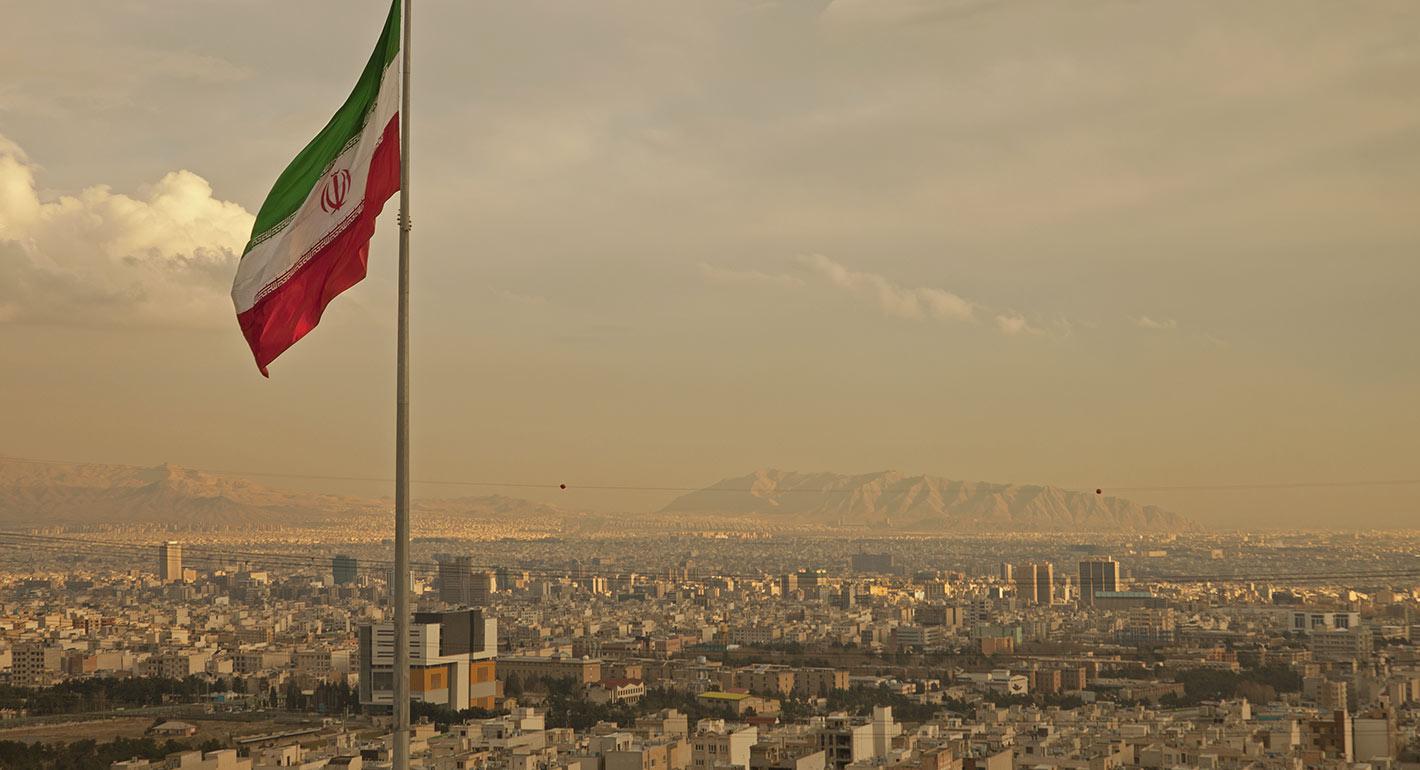
Source: Getty

In The Media

Netanyahu’s Greatest Failure: Iran. Here’s a Complete Breakdown

The (justified) jubilation over normalization with the United Arab Emirates and Bahrain should not obscure the failure of Prime Minister Benjamin Netanyahu to deal with Iran’s nuclear program.

Link Copied
By Ariel (Eli) Levite
Published on Sep 16, 2020
Program mobile hero image

Program

Nuclear Policy

The Nuclear Policy Program aims to reduce the risk of nuclear war. Our experts diagnose acute risks stemming from technical and geopolitical developments, generate pragmatic solutions, and use our global network to advance risk-reduction policies. Our work covers deterrence, disarmament, arms control, nonproliferation, and nuclear energy.

Learn More

Source: Haaretz

The (justified) jubilation over normalization with the United Arab Emirates and Bahrain must not blind us to the biggest failure of “King Bibi,” a flop that dwarfs even the government’s egregious mishandling of the coronavirus pandemic. It is in the very area that for years Prime Minister Benjamin Netanyahu touted as paramount from his perspective: dealing with Iran’s nuclear program.

Read Full Text

This article was originally published in Haaretz.

About the Author

Ariel (Eli) Levite

Senior Fellow, Nuclear Policy Program, Technology and International Affairs Program

Levite was the principal deputy director general for policy at the Israeli Atomic Energy Commission from 2002 to 2007.

    Recent Work

  • Paper
    Demystifying the Nuclear Threshold

      Ariel (Eli) Levite, Toby Dalton

  • Article
    Promoting Responsible Nuclear Energy Conduct: An Agenda for International Cooperation

      Ariel (Eli) Levite, Toby Dalton

Ariel (Eli) Levite
Senior Fellow, Nuclear Policy Program, Technology and International Affairs Program
Ariel (Eli) Levite
SecurityNuclear PolicyMiddle EastIranIsrael

Carnegie does not take institutional positions on public policy issues; the views represented herein are those of the author(s) and do not necessarily reflect the views of Carnegie, its staff, or its trustees.

More Work from Carnegie Endowment for International Peace

  • Article
    From Hormuz to the Maghreb: The Geopolitical Reach of a Gulf Crisis

    Morocco and Algeria, each in its own way, are having to navigate the global economic fallout of the U.S.-Israeli military campaign against Iran.

      Yasmine Zarhloule

  • Commentary
    Emissary
    Nolan’s "The Odyssey" Has a Colonialism Problem

    Despite Morocco’s hopes that its film industry would reap rewards, the blockbuster’s success will be tainted by controversy surrounding filming in occupied Western Sahara.

      • Sarah Yerkes

      Sarah Yerkes

  • Iranian President Mahmoud Ahmadinejad (C) visits the Natanz uranium enrichment facilities April 8, 2008
    Paper
    Demystifying the Nuclear Threshold

    The nuclear weapons threshold is increasingly important for proliferation strategy and policy. Policymakers should better understand the implications of the threshold phenomenon in the current international security environment and plausible strategies to deal with the growing challenge that it presents.

      Ariel (Eli) Levite, Toby Dalton

  • Paper
    Securing America’s Near Abroad: Recalibrating U.S. Policy Toward Haiti

    Helping to stabilize Haiti is in the United States’ national interest and can be done by making wise use of various foreign policy tools in addition to supporting international security forces.

      Christopher Shell

  • Commentary
    Diwan
    Kurdish Rebel Groups Are Wary of Tehran’s Next Move

    Following its deal with the United States, Iran may act against Iraq-based dissidents.

      Wladimir van Wilgenburg

Get more news and analysis from
Carnegie Endowment for International Peace
Carnegie global logo, stacked
1779 Massachusetts Avenue NWWashington, DC, 20036-2103Phone: 202 483 7600
  • Research
  • Emissary
  • About
  • Experts
  • Donate
  • Programs
  • Events
  • Blogs
  • Podcasts
  • Contact
  • Annual Reports
  • Careers
  • Privacy
  • For Media
  • Government Resources
Get more news and analysis from
Carnegie Endowment for International Peace
© 2026 Carnegie Endowment for International Peace. All rights reserved.








