

Commentary
H. A. Hellyer
{
  "authors": [
    "H. A. Hellyer"
  ],
  "type": "legacyinthemedia",
  "centerAffiliationAll": "",
  "centers": [
    "Carnegie Endowment for International Peace"
  ],
  "collections": [],
  "englishNewsletterAll": "",
  "nonEnglishNewsletterAll": "",
  "primaryCenter": "Carnegie Endowment for International Peace",
  "programAffiliation": "",
  "programs": [],
  "projects": [],
  "regions": [
    "Western Europe",
    "France"
  ],
  "topics": [
    "Political Reform",
    "Religion"
  ]
}
Source: Getty
Far too many prominent European Union politicians, including those committed to liberal democratic values, no longer pause before pinning the blame for social problems on Muslim minorities.
Source: Foreign Policy
Last Friday, French President Emmanuel Macron warned that a minority of France’s estimated 6 million Muslims could form a “counter-society,” and that Islam was facing a “crisis” all around the world, before unveiling his plan to tackle what he considered to be a “parallel society” in France.
It’s not a new argument in the country, which has the largest Muslim population in Western Europe. Macron has another, singular purpose: to brandish his tough-on-Islam credentials in a populist political environment at the expense of an already embattled French Muslim minority.
Ironically, Macron has failed to recognize that the cardinal principle of separation between church and state in France (laicité) and the state’s neutrality toward organized religion actually prohibit him from engaging in what is essentially a community’s own private religious discourse. But the situation is far more serious than that.
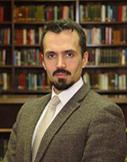
Former Nonresident Scholar, Middle East Program
Dr. H.A. Hellyer was a nonresident scholar at the Carnegie Endowment for International Peace. He serves as a senior associate fellow at the Royal United Services Institute for Defence and Security Studies in London, and as a Cambridge University fellow.
Recent Work
H. A. Hellyer
H. A. Hellyer
Carnegie does not take institutional positions on public policy issues; the views represented herein are those of the author(s) and do not necessarily reflect the views of Carnegie, its staff, or its trustees.

In the tenth year of his presidency, President Mirziyoyev’s system is becoming even more personalized than that of his predecessor Karimov.

Galiya Ibragimova
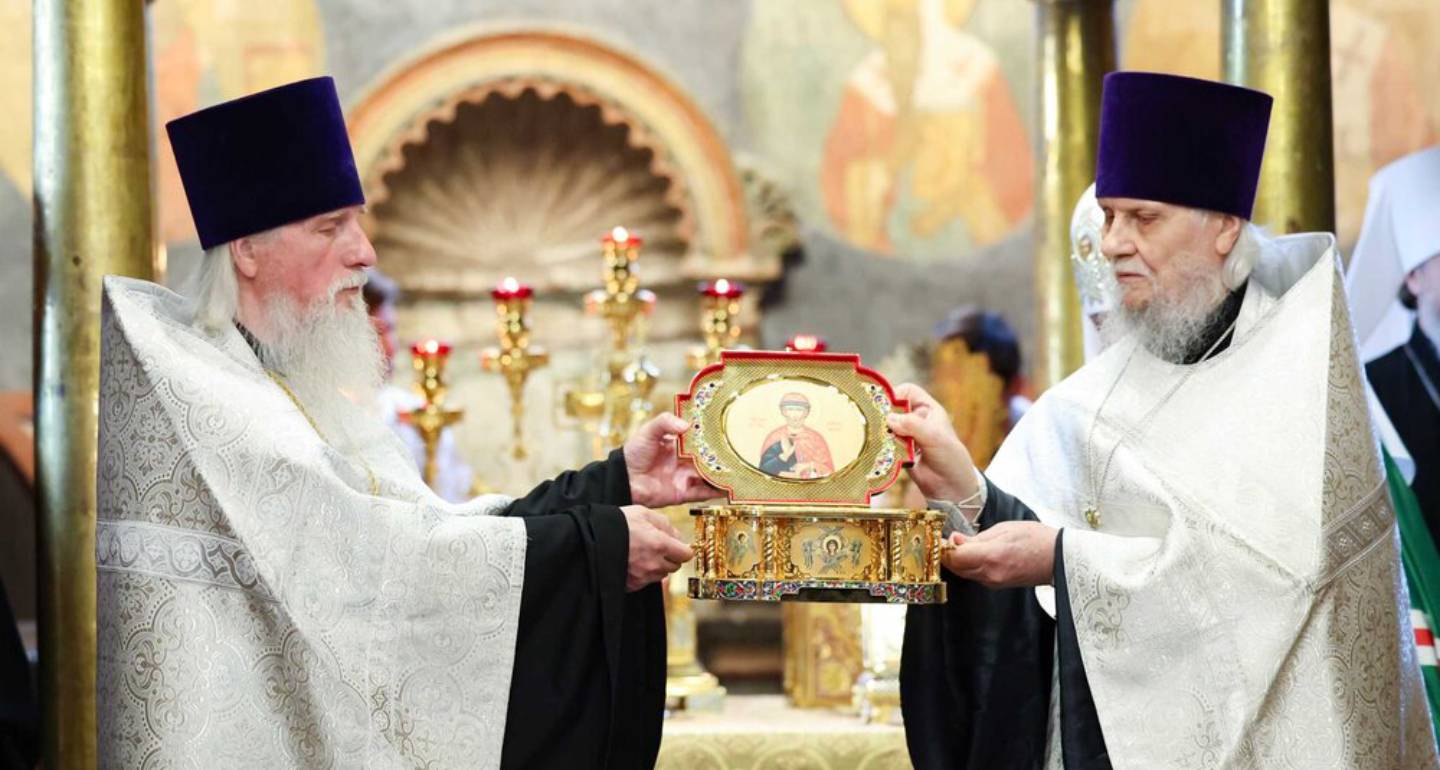
The recent uncovering of Dmitry Donskoy’s relics in the Cathedral of the Archangel is yet another attempt by the Russian Orthodox Church to help the state solve its problems. However, parroting the state’s version of Russian history leaves the Church with no message except “patriotism.”
Alexander Zanemonets

The greater threat to Zelensky comes not from Fedorov alone, but from the convergence between the former defense minister’s political campaign and the anti-corruption investigations moving ever closer to the presidential administration.

Balázs Jarábik
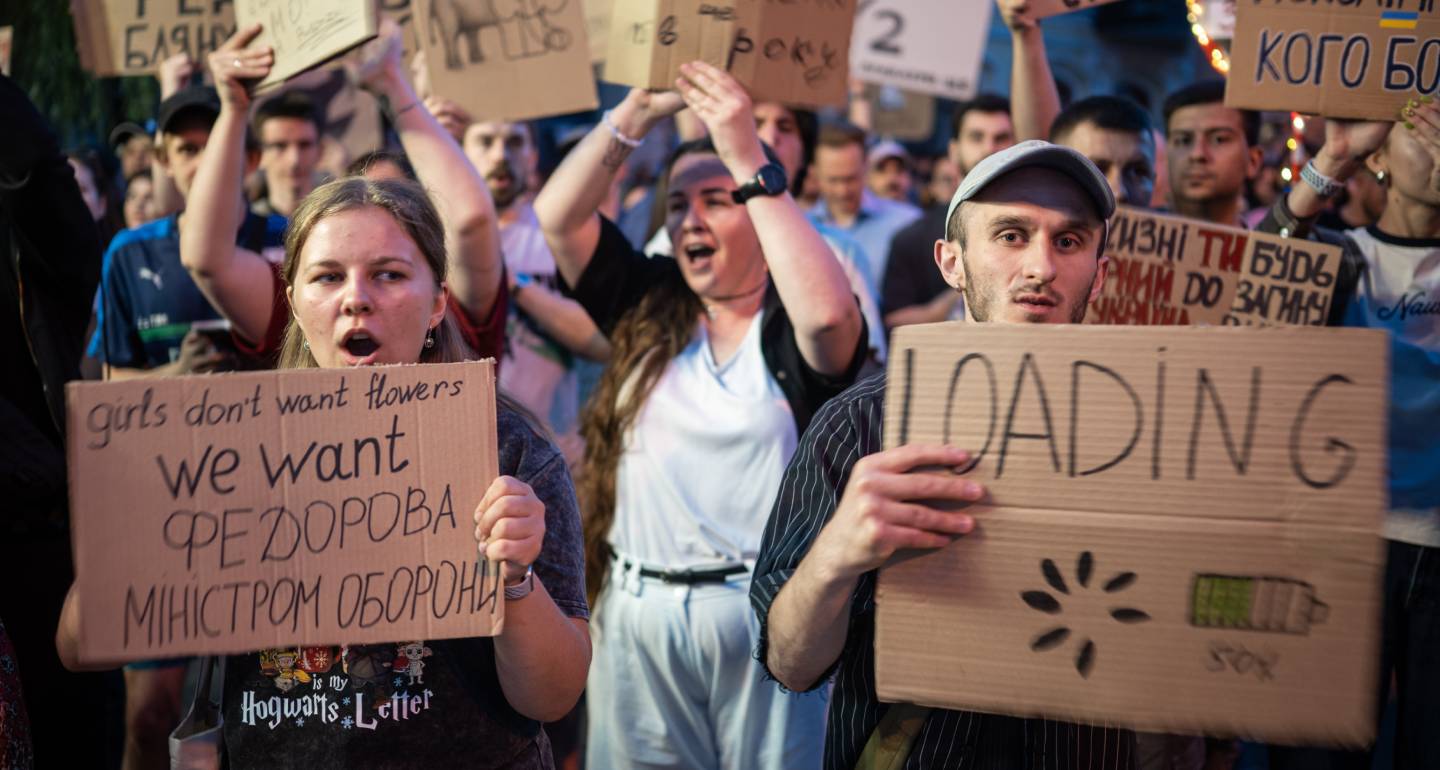
With his public call for new elections in Ukraine, ex-defense minister Mykhailo Fedorov has opened Pandora’s box.

Konstantin Skorkin
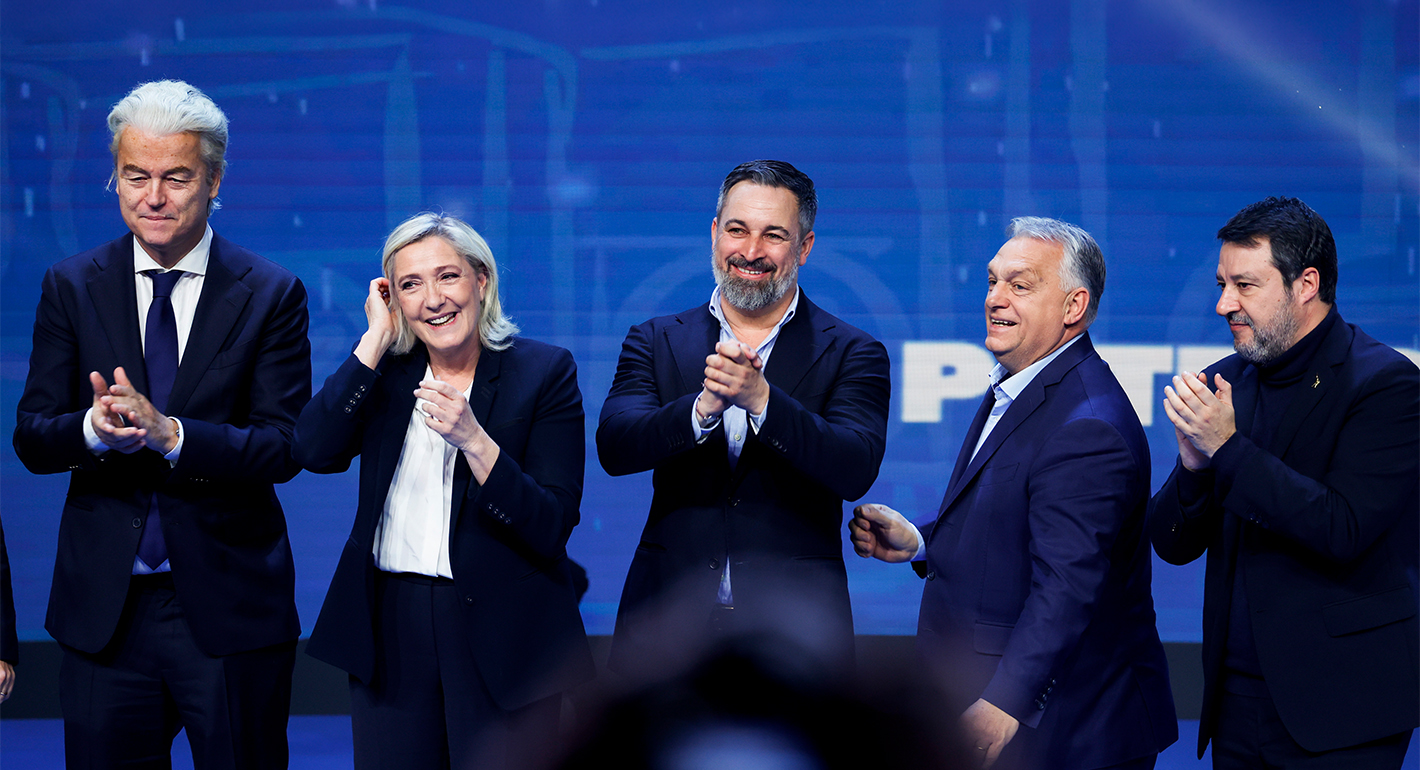
In supporting Europe’s far-right, MAGA and Russia both want the same thing: a weaker EU. Europe must defend itself without abandoning the openness these forces exploit.
Armida van Rij