

Commentary
The acknowledgment has sparked fears of a new arms race with China and Russia.
Chris O’Meara
{
  "authors": [
    "Thomas Carothers",
    "Benjamin Press"
  ],
  "type": "legacyinthemedia",
  "centerAffiliationAll": "dc",
  "centers": [
    "Carnegie Endowment for International Peace"
  ],
  "collections": [],
  "englishNewsletterAll": "democracy",
  "nonEnglishNewsletterAll": "",
  "primaryCenter": "Carnegie Endowment for International Peace",
  "programAffiliation": "DCG",
  "programs": [
    "Democracy, Conflict, and Governance"
  ],
  "projects": [],
  "regions": [
    "North America",
    "United States",
    "Eastern Europe",
    "Western Europe"
  ],
  "topics": [
    "Political Reform",
    "Security",
    "Civil Society",
    "Foreign Policy"
  ]
}
Source: Getty
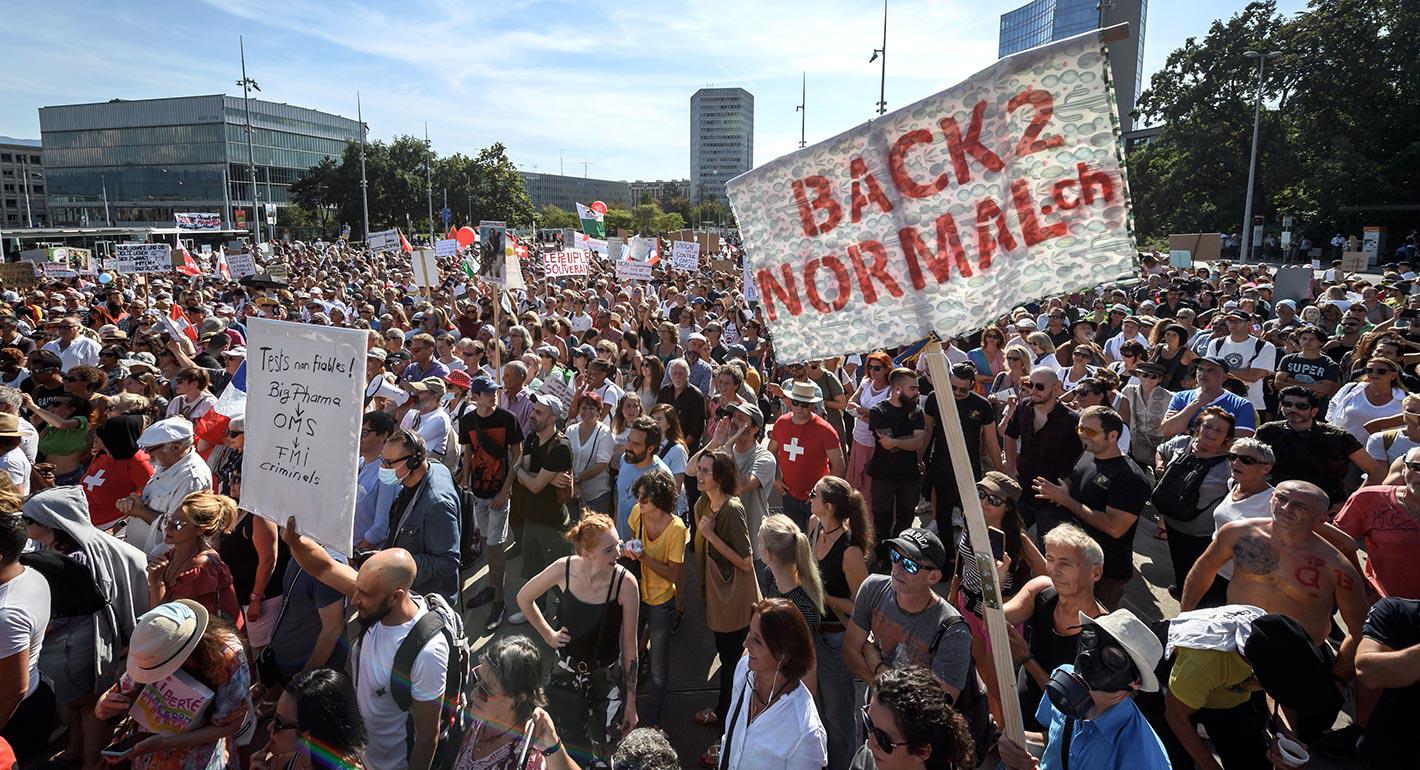
Lockdown measures, especially stay-at-home orders and restrictions on mass gatherings, halted protests almost everywhere. Yet as the pandemic has dragged on, the increasingly strained relationship between governments and citizens in many countries has brought demonstrators back into the streets.
Source: World Politics Review
The wave of anti-government protests that roiled global politics over the past decade initially seemed to be an early casualty of COVID-19. Lockdown measures, especially stay-at-home orders and restrictions on mass gatherings, halted protests almost everywhere. Yet as the pandemic has dragged on, the increasingly strained relationship between governments and citizens in many countries has brought demonstrators back into the streets. While many renewed protests reflect anger over familiar issues like corruption, political repression and economic hardship, a striking new trend is afoot: citizens openly challenging the public health measures governments have taken to slow the spread of the coronavirus.
Since March, more than 30 major protests in 26 countries have targeted coronavirus restrictions. Such demonstrations have emerged in every region of the globe, not only in wealthy countries like Australia, Germany and the United States, but also in poorer ones like Brazil, Mexico and Nigeria. Moreover, anti-lockdown uprisings are occurring in states with very different governance systems—consolidated autocracies and liberal democracies alike. These popular eruptions have generally occurred in two waves: An early one in April and May emerged soon after the virus spread around the world, and an ongoing second one started in early August in reaction to the extension of public health measures. As large demonstrations in the past month across multiple regions have made clear, their tempo is accelerating.
This article was originally published by World Politics Review.

Harvey V. Fineberg Chair for Democracy Studies; Senior Fellow, Democracy, Conflict, and Governance Program
Thomas Carothers, a senior fellow in the Carnegie Endowment for International Peace’s Democracy, Conflict, and Governance Program, is a leading expert on comparative democratization and international support for democracy.
Benjamin Press
Former Nonresident Research Analyst, Democracy, Conflict, and Governance Program
Benjamin Press was a nonresident research analyst in the Democracy, Conflict, and Governance Program.
Carnegie does not take institutional positions on public policy issues; the views represented herein are those of the author(s) and do not necessarily reflect the views of Carnegie, its staff, or its trustees.

The acknowledgment has sparked fears of a new arms race with China and Russia.

Chris O’Meara
Smaller powers cannot go it alone, but Canadian history shows that integration with the United States will not always be benign.
Paul Samson

The European Commissioner for Trade is headed to China. But after President Xi’s bridge-building visit to Washington, can a more isolated EU overcome Beijing’s stranglehold on critical raw materials? Who will blink first?

Rym Momtaz, ed.
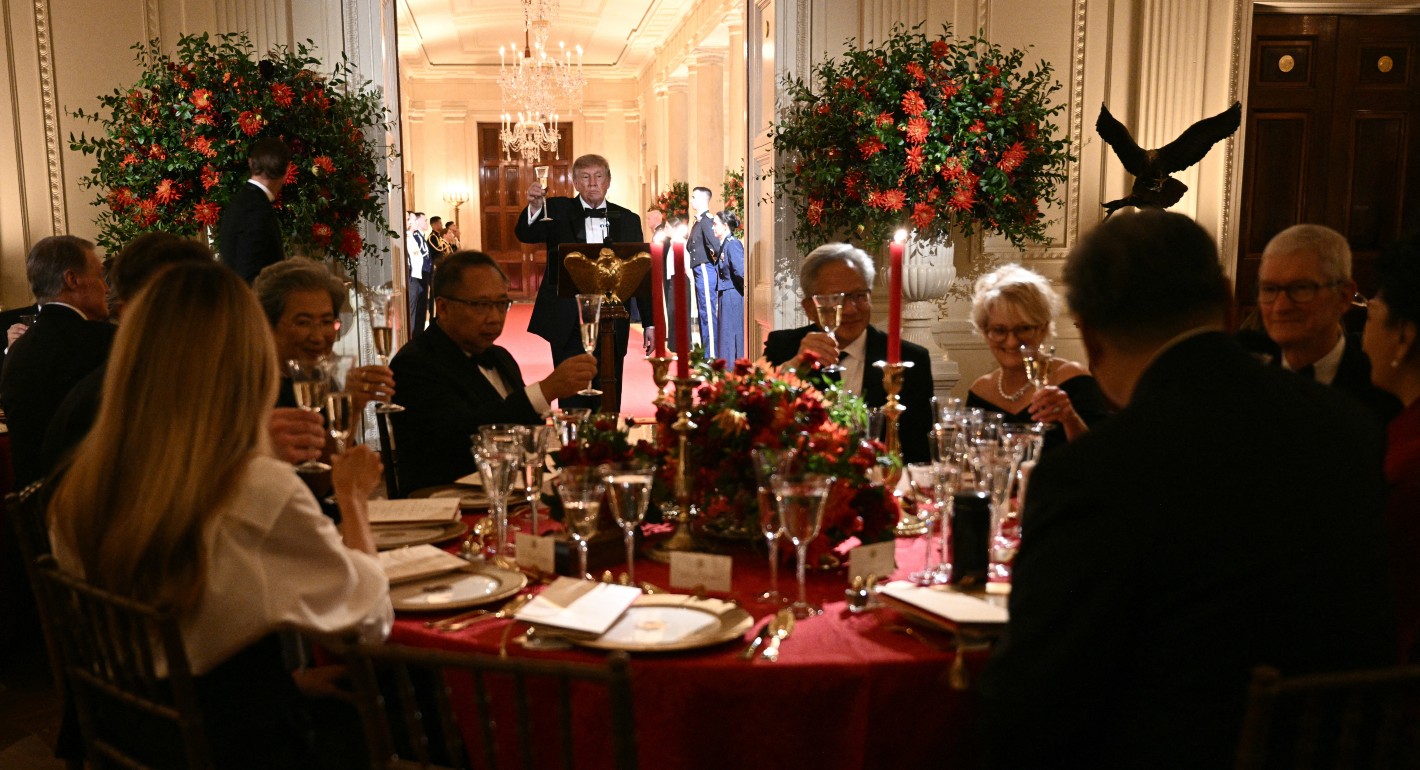
The summit may be remembered as a fatal blunder, when Washington, Beijing, and the AI industry collectively chose ceremony over action.

Jeffrey Prescott
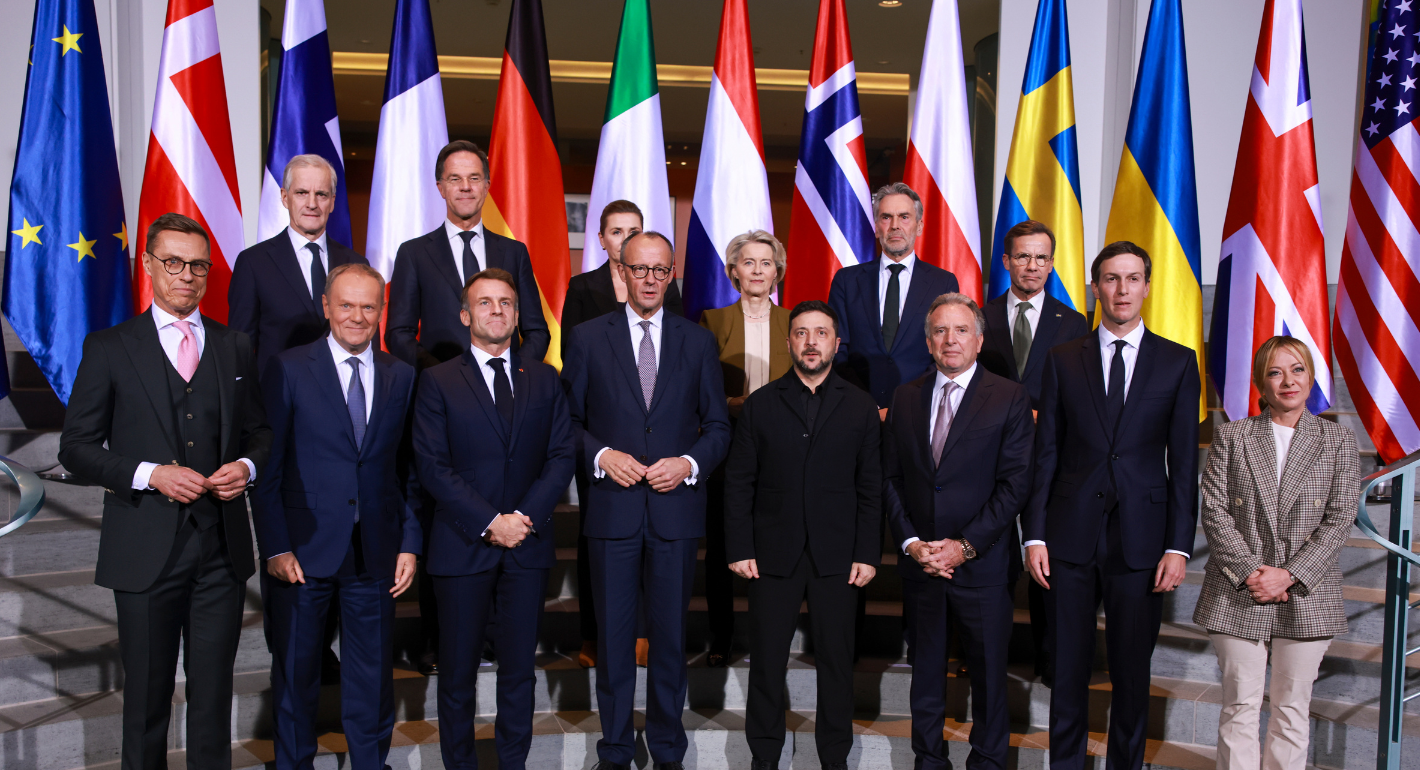
European NATO countries are wrestling with the possibility of U.S. disengagement from the alliance. With the continent’s security increasingly uncertain, governments must restore the credibility of their collective defense.


Hans-Dieter Lucas, Adam Thomson, Pierre Vimont