

Paper
George Perkovich
{
  "authors": [
    "George Perkovich"
  ],
  "type": "commentary",
  "centerAffiliationAll": "dc",
  "centers": [
    "Carnegie Endowment for International Peace"
  ],
  "collections": [],
  "englishNewsletterAll": "ctw",
  "nonEnglishNewsletterAll": "",
  "primaryCenter": "Carnegie Endowment for International Peace",
  "programAffiliation": "NPP",
  "programs": [
    "Nuclear Policy"
  ],
  "projects": [],
  "regions": [
    "Middle East",
    "Iran"
  ],
  "topics": [
    "Nuclear Policy",
    "Arms Control",
    "Foreign Policy"
  ]
}
Source: Getty
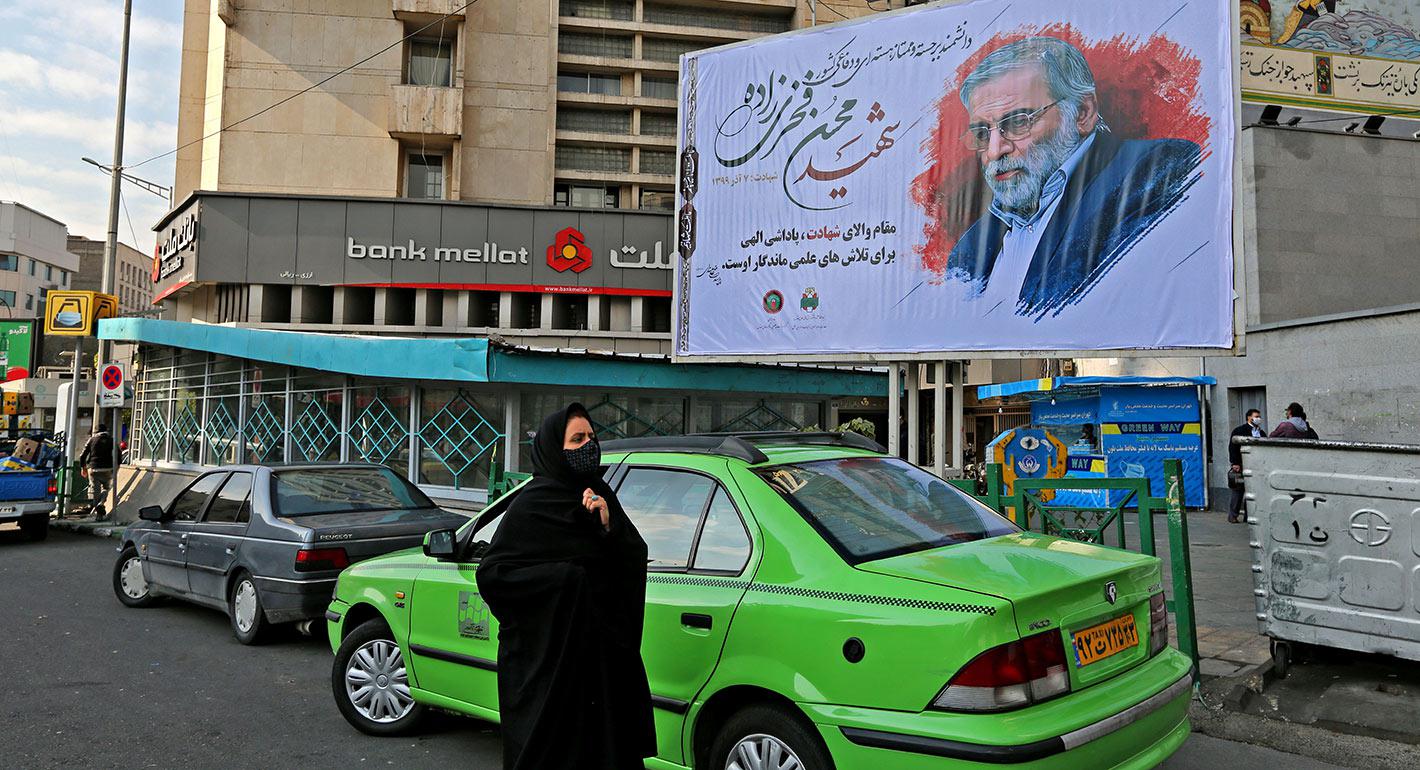
More than an effort to prevent nuclear proliferation, the killing of Iran’s top nuclear scientist was sanctioned to foment trouble between Washington’s incoming administration and Tehran.
The assassination last Friday of Mohsen Fakhrizadeh, the leader of Iran’s suspended program to develop nuclear weapon capabilities, was less about preventing Iran from acquiring nuclear weapons than it was about embarrassing the current Iranian government and impeding it from negotiating a rapprochement with U.S. President-elect Joe Biden’s incoming administration.
Even a partial detente would require, above all, a mutual return to something like the Joint Comprehensive Plan of Action (JCPOA)—the nuclear deal that Iran agreed to in 2015. That agreement, notwithstanding its necessarily negotiated compromises, had verifiably suspended the most alarming nuclear activities in Iran, which again must be the top priority of any feasible U.S. policy toward Tehran.
Fakhrizadeh’s assassins, and the Israeli, American, and probably Saudi leaders who sanctioned or condoned his killing, prefer conflict to hasten the demise of the hostile Iranian regime, rather than a nuclear arrangement that leaves the regime in place. Israeli Prime Minister Benjamin Netanyahu secretly met with Saudi leaders days before the assassination; it is easy to imagine that he bore news of the pending attack as a gift to encourage the Saudi normalization of relations with Israel.
To believe that the assassination was primarily intended to prevent nuclear proliferation in Iran requires us to accept two things as fact: first, that Iran has decided to build nuclear weapons, and second, that the loss of one top official will change Supreme Leader Ayatollah Ali Khamenei’s mind or significantly slow the effort. All of this is questionable.
Moreover, to believe the effects of this assassination will be salutary requires assuming that Iran will not exact revenge on Israelis, Americans, or other individuals to even the score in the minds of Iranian militants.
The best that can be practically hoped for now is that Iranian leaders will resist temptations to play into the hands of the assassins and instead explore with Biden’s administration mutual steps to revive the JCPOA. For this to happen will take a lot of luck and discipline among leaders in Tehran, Washington, and other capitals.

Japan Chair for a World Without Nuclear Weapons, Senior Fellow
George Perkovich is the Japan Chair for a World Without Nuclear Weapons and a senior fellow in the Carnegie Endowment for International Peace’s Nuclear Policy Program. He works primarily on nuclear deterrence, nonproliferation, and disarmament issues, and is leading a study on nuclear signaling in the 21st century.
Recent Work
George Perkovich
George Perkovich
Carnegie does not take institutional positions on public policy issues; the views represented herein are those of the author(s) and do not necessarily reflect the views of Carnegie, its staff, or its trustees.
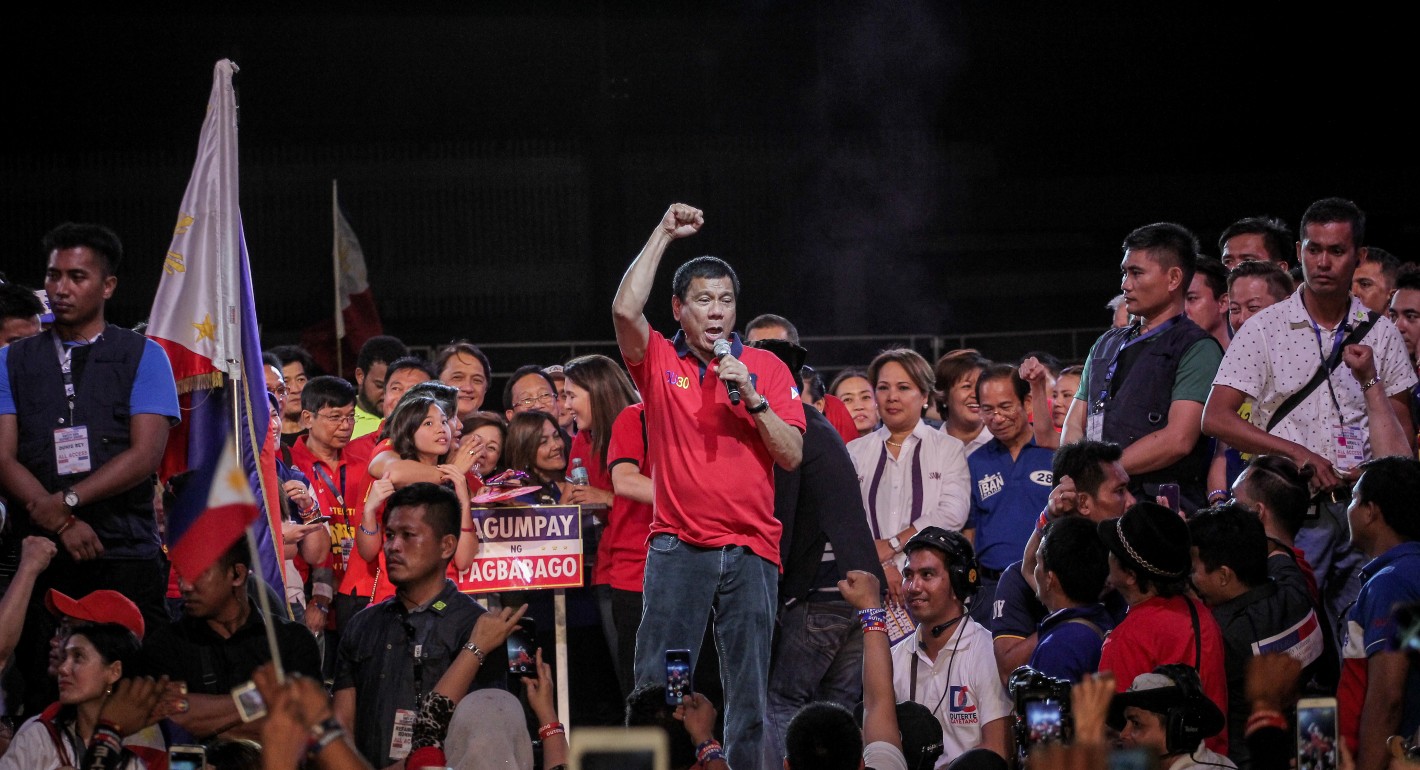
In the Philippines, Duterte-era discourse emphasizing sovereignty, anti-Western skepticism, and strongman diplomacy mirrors tenets of populist foreign policy around the world.
Aries A. Arugay
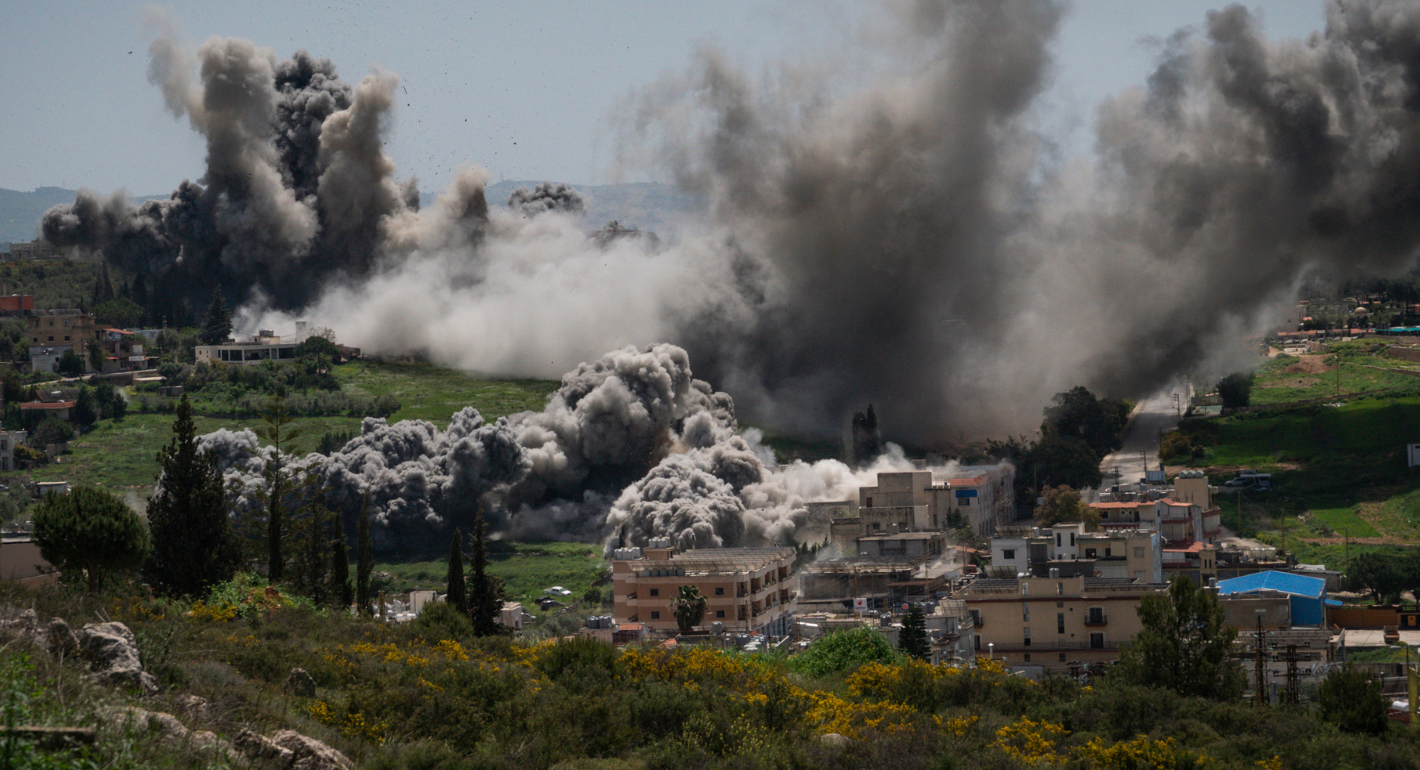
Europe has been standing by while its Southern neighborhood is being redrawn by force. To establish a path to peace between Israel and Lebanon, it’s time for Europeans to get involved with hard power.

Rym Momtaz
Although Ukrainian strikes have led to a noticeable decline in the physical volume of Russian oil exports, the rise in prices has more than made up for it.

Sergey Vakulenko

Five problems—and solutions—to make it actually work as a tool of great power competition.
Afreen Akhter
The Russian leadership wants to avoid a dangerous precedent in which it is squeezed out of Iran by the United States and Israel—and left powerless to respond in any meaningful way.

Nikita Smagin