

Commentary
Washington’s decision to support some UN functions while letting others wither is pulling the organization apart at the seams.
Stewart Patrick, Theodore Zaritsky

U.S., Russian, and Chinese scholars analyze the most important issues posed by the relationship between China and Russia, and weigh the prospects for real cooperation between Russia, a severely weakened power, and China, a power on the rise.
Source: Washington

In this first comprehensive study of Russian-Chinese relations, Sherman Garnett and a team of fifteen U.S., Russian, and Chinese scholars analyze the most important issues posed by the relationship, including: cross-border trade, the impact of Russia’s center-periphery politics, migration, arms sales, and (mis)perceptions of one another. The book assesses what will be one of the most important relationships, economically and strategically, in the dynamic region stretching from Central Asia to the Far East. It also weighs the prospects for real cooperation between Russia, a severely weakened power, and China, a power on the rise.
Contributing authors include: Sherman Garnett, Harry Gelman, Li Jingjie, Michael McFaul, Lu Nanquan, Kathleen Newland, Martha Brill Olcott, Gilbert Rozman, Judith Thornton, Dmitri Trenin, Tamara Troyakova, Galina Vitkovskaya, Alexei Voskressenski, Elizabeth Wishnick, and Zhanna Zayonchkovskaya.
“…[T]his is an informative and broadly balanced set of contributions which focus coherently on the key issues in the bilateral relationship.”
—Roland Dannreuther, Geneva Centre for Security Policy
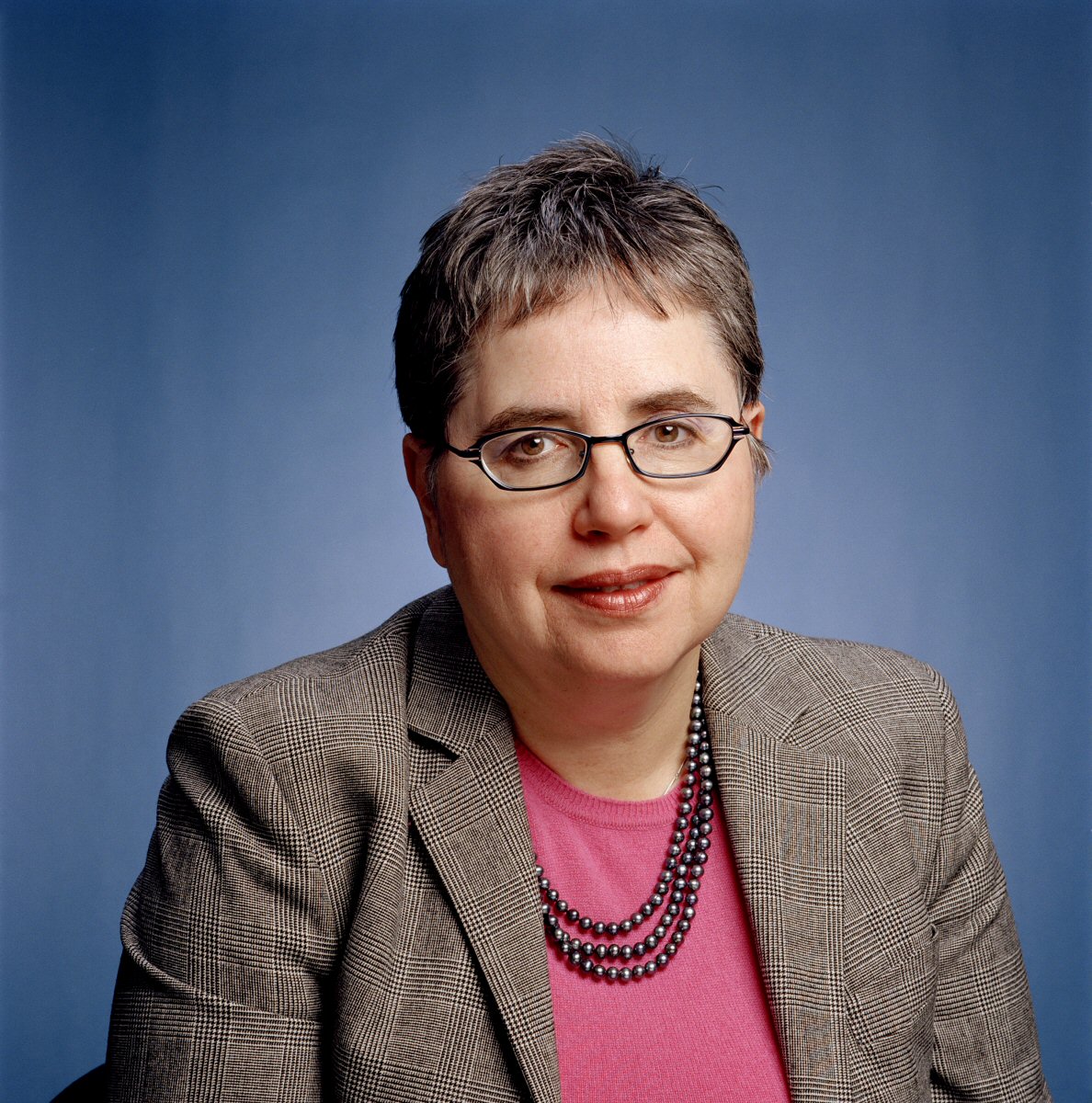
Former Senior Associate, Russia and Eurasia Program and, Co-director, al-Farabi Carnegie Program on Central Asia
Olcott is professor emerita at Colgate University, having taught political science there from 1974 to 2002. Prior to her work at the endowment, Olcott served as a special consultant to former secretary of state Lawrence Eagleburger.
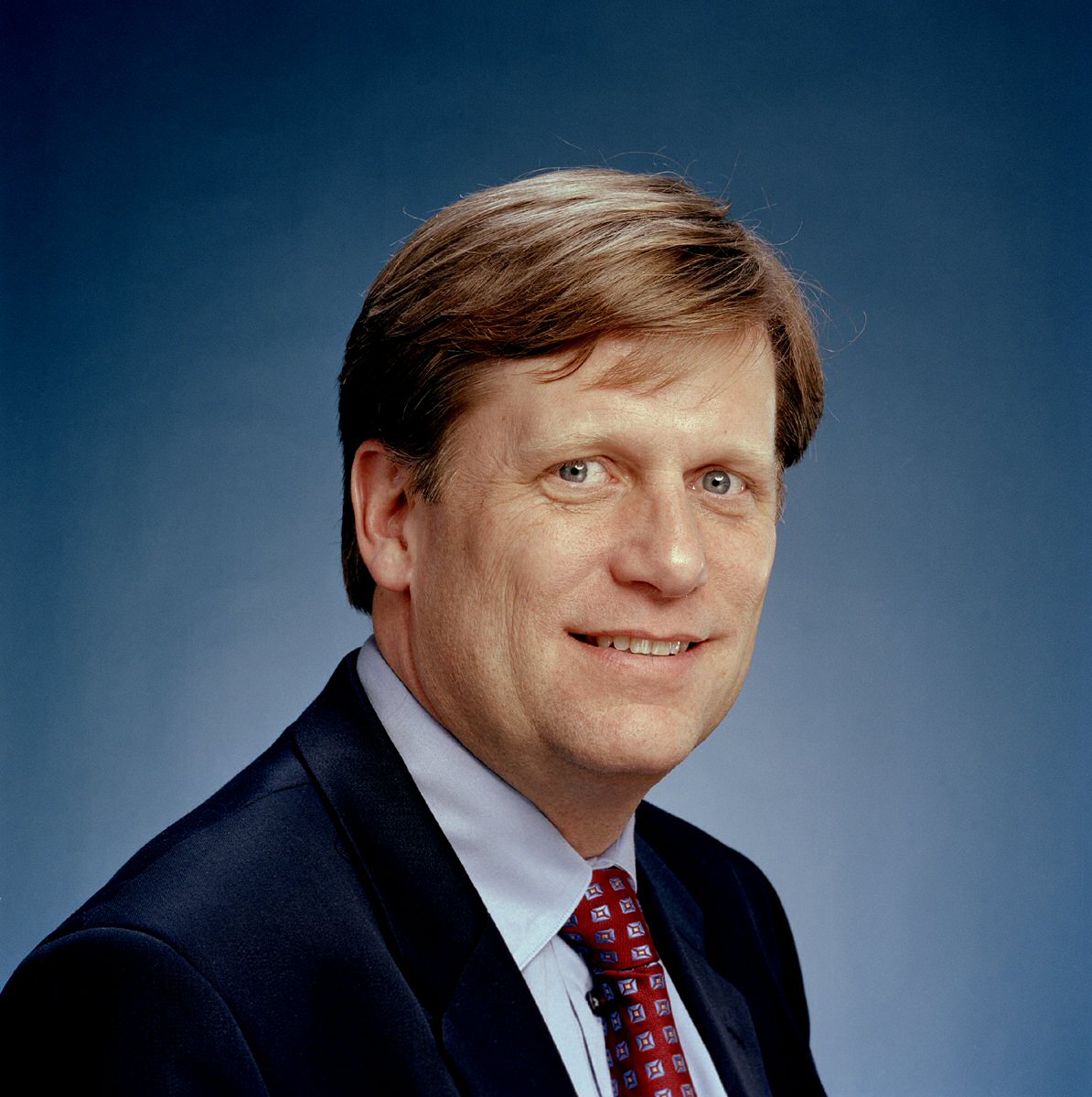
Former Senior Associate
In addition to his role at Carnegie, McFaul is Peter and Helen Bing Senior Fellow at the Hoover Institution and associate professor of political science at Stanford University.
Sherman W. Garnett
Carnegie does not take institutional positions on public policy issues; the views represented herein are those of the author(s) and do not necessarily reflect the views of Carnegie, its staff, or its trustees.
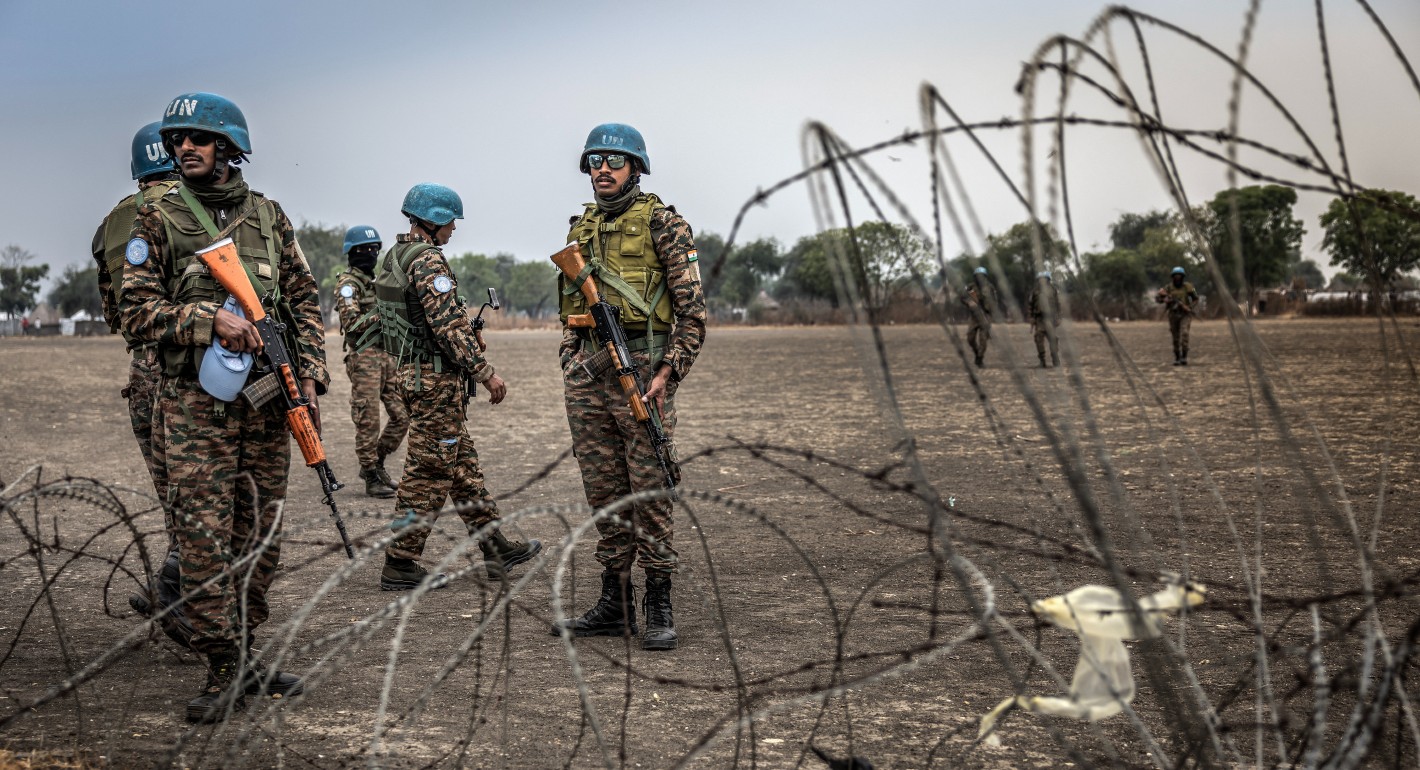
Washington’s decision to support some UN functions while letting others wither is pulling the organization apart at the seams.

Stewart Patrick, Theodore Zaritsky

Are Germany’s economic, industrial, and political struggles becoming a liability for the EU’s ability to rise to the geopolitical moment?

Rym Momtaz, ed.

Russia’s ruling party would have benefited from Putin appearing as its distant patron, but as an active frontman imposing his views on the public, he has done nothing but harm both the party’s election campaign and the ruling system overall.

Andrey Pertsev

China’s police training infrastructure construction projects provide benefits to recipient countries, promote China’s image as a major global security provider, and are likely to reinforce alignment between Beijing’s security priorities and those of countries in the Global South.

Cameron Waltz, Sheena Chestnut Greitens, Kim Nguyen, …
AI capabilities are moving fast. Most institutions—including governments—can’t keep up.


Anton Leicht, Scott Singer