

Commentary
Dmitri Trenin
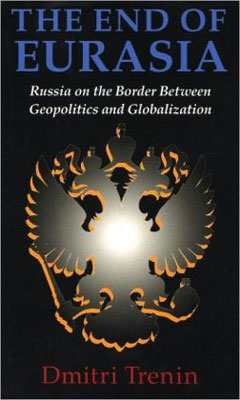
Trenin takes a look at the historical patterns of Russian territorial state formation, seeks to define the challenges and opportunities that Russia faces along its geopolitical fronts, and discusses various options for "fitting" Russia into the wider world.
Source: Washington

About the Author
Dmitri Trenin is deputy director of the Carnegie Moscow Center, where he specializes in foreign and security policy. He retired from the Russian Army in 1993 after a military career that included participation in the strategic arms control negotiations in Geneva. He is coeditor of Ambivalent Neighbors: The EU, NATO and the Price of Membership and coauthor of the forthcoming book Russia's Restless Frontier: The Chechnya Factor in Post-Soviet Russia (March 2004).
"This work is both the best and the most thought-provoking book on Russian foreign policy around, written by a Russian who is ahead of his time and the vast majority of his countrymen."
—Foreign Affairs
"Trenin presents a breath of fresh air with uncommon authenticity by turning the centuries-old Russian obsession with territorial expansion upside down...Well-written and recommended for upper-division undergraduates and graduate students."
—CHOICE
"An extraordinary and thought-provoking book on Russia's place in the world."
—The Japan Times
"This ambitious undertaking by a well-known author is a major contribution to both the literature in Russian area studies and theoretical research focusing on the development of political identity....The book successfully legitimates the study of geopolitics to answer important questions concerning shifts in national identity."
—International Politics
"A fascinating and pragmatic look at what potentially lies beyond the horizon for Russia...a must read for anyone trying to understand today's Russia."
—The Fletcher Forum of World Affairs
"A sober and incisive analysis..."
—Zbigniew Brzezinski
"Dmitri Trenin demolishes the windy concept of 'EuroAsia' and meticulously analyses Russia's place in the modern world. His coolly rational view is coming to be more widely shared in Russia, including, it seems by its current president. That is good news for the rest of us."
—Rodric Braithwaite, former British Ambassador to the USSR and to Russia
Former Director, Carnegie Moscow Center
Trenin was director of the Carnegie Moscow Center from 2008 to early 2022.
Recent Work
Dmitri Trenin
Dmitri Trenin
Carnegie does not take institutional positions on public policy issues; the views represented herein are those of the author(s) and do not necessarily reflect the views of Carnegie, its staff, or its trustees.
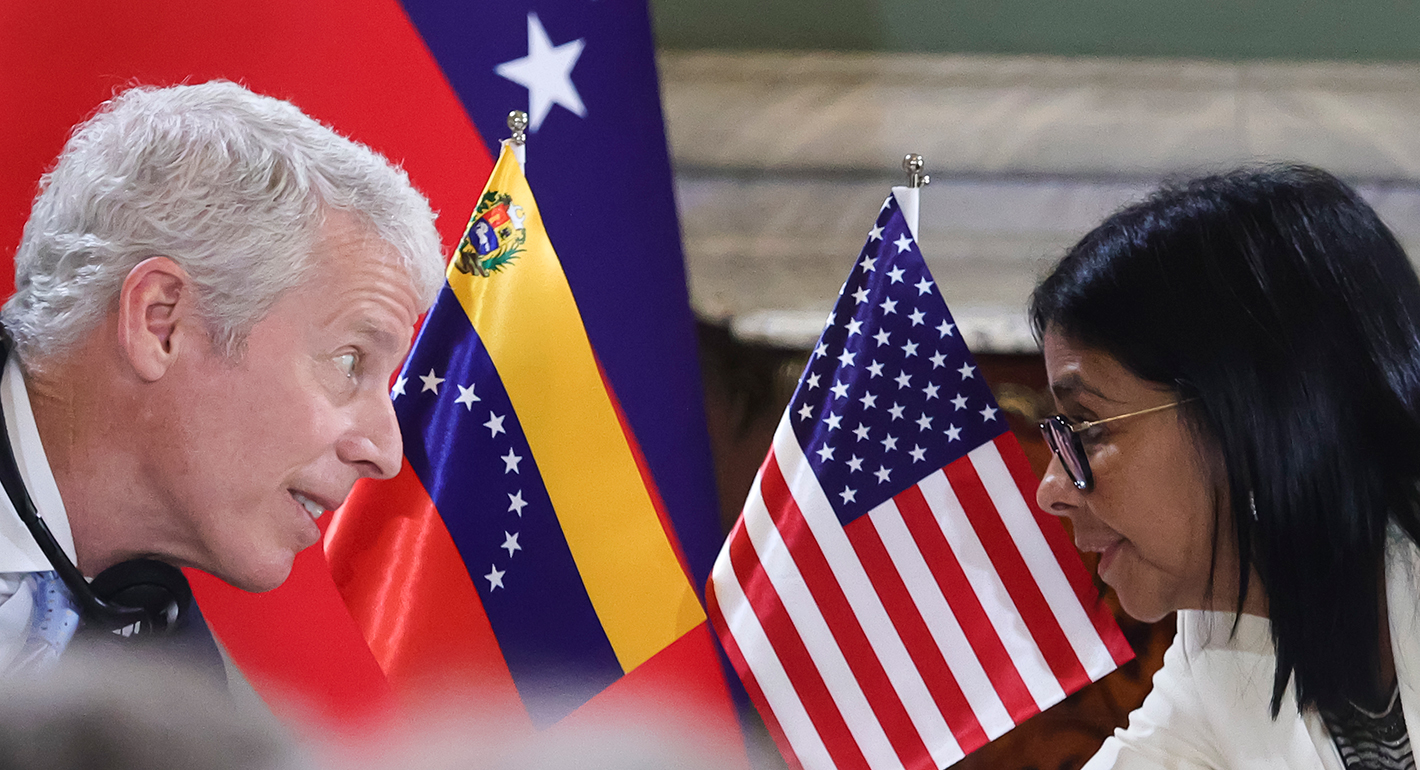
Washington needs to recognize that influence in the Western Hemisphere comes from presence, delivery, and reliability. It also must recognize that while the United States remains the key external actor, it no longer operates in a permissive environment and cannot presume deference from regional players who have other options, namely China.
Juan S. Gonzalez

Minsk clearly expected the dialogue with Washington to yield more results, in particular the lifting of EU sanctions and permission to export potash.

Artyom Shraibman

A summer of escalation in the Black Sea has hurt Ukraine economically and is exacerbating world food security. A truce is needed—as is a broader reframing of Europe’s Ukraine strategy.

Thomas de Waal
Why governance of rapidly evolving technology will be distributed and complex.


Stewart Patrick, Scott Singer
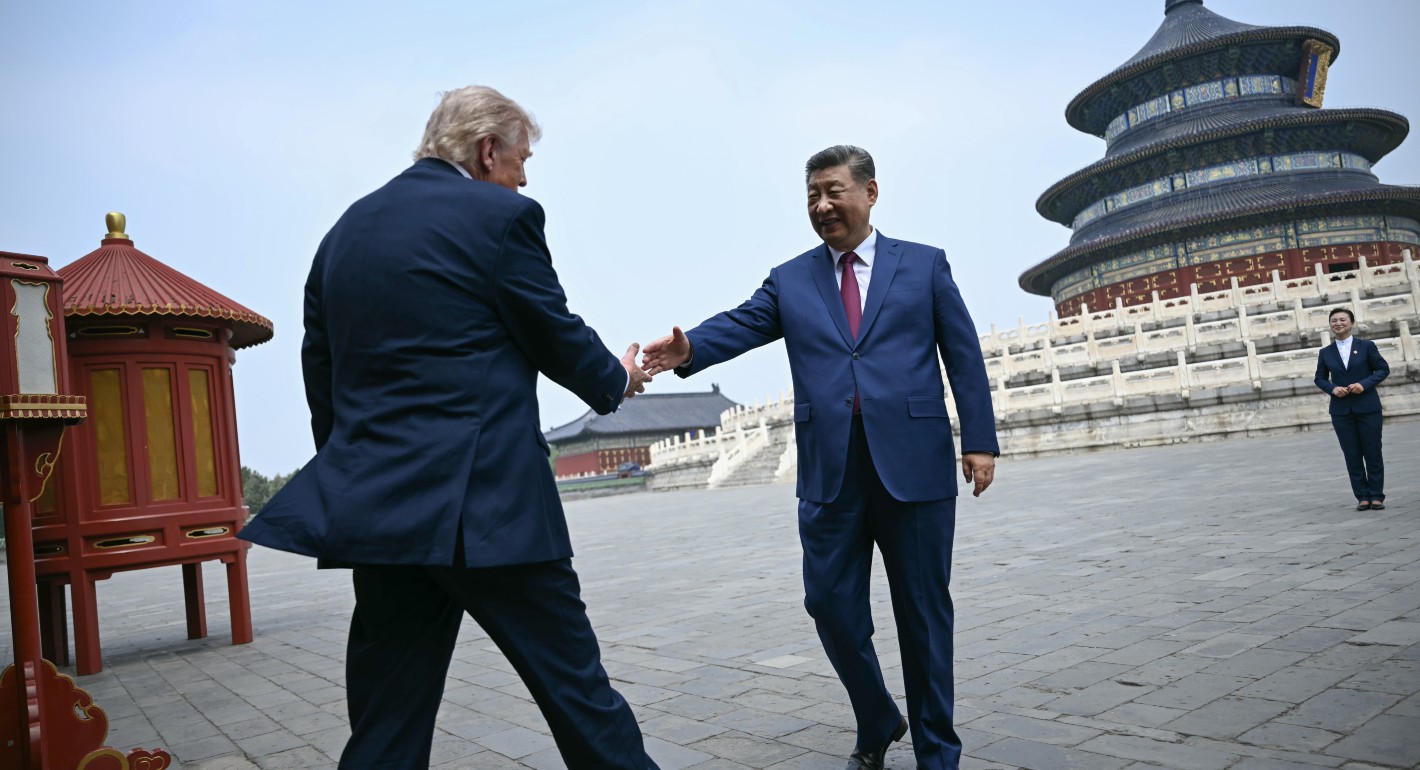
It should address the shortcomings of previous crisis communication efforts and adapt to the demands of frontier AI.

Lucy Luo