

Commentary
The books, podcasts, and films that explain the world it made.
Andrew Leber

Major problems are delaying the otherwise successful collaboration between the U.S. and Russia to prevent the theft of poorly-secured weapons of mass destruction (WMD), and related materials, technologies and expertise in the former Soviet Union. Government failure to correct these problems threatens to leave vast stockpiles of nuclear and chemical weapons and biological agents vulnerable.
Major problems are delaying progress in the otherwise successful collaboration between the United States and Russia to prevent the theft of poorly-secured weapons of mass destruction (WMD), and related materials, technologies and expertise in the former Soviet Union. The inability or refusal of the governments to correct these problems threatens to leave vast stockpiles of nuclear and chemical weapons and biological agents vulnerable to acquisition by terrorists, rogue states and black marketeers. This study contains an updated assessment of the current risks posed by the Russian nuclear, chemical, and biological weapons and ballistic missile sectors as well as progress made in addressing these dangers. It is the product of a ten-month review of U.S.-Russian threat reduction activities by prominent U.S., Russian, and European non-proliferation experts.
Also published by Carnegie, Deadly Arsenals: Tracking Weapons of Mass Destruction provides the most comprehensive assessment available on WMD, and charts the spread of nuclear, chemical, and biological weapons and missile delivery systems.
Carnegie does not take institutional positions on public policy issues; the views represented herein are those of the author(s) and do not necessarily reflect the views of Carnegie, its staff, or its trustees.

The books, podcasts, and films that explain the world it made.

Andrew Leber
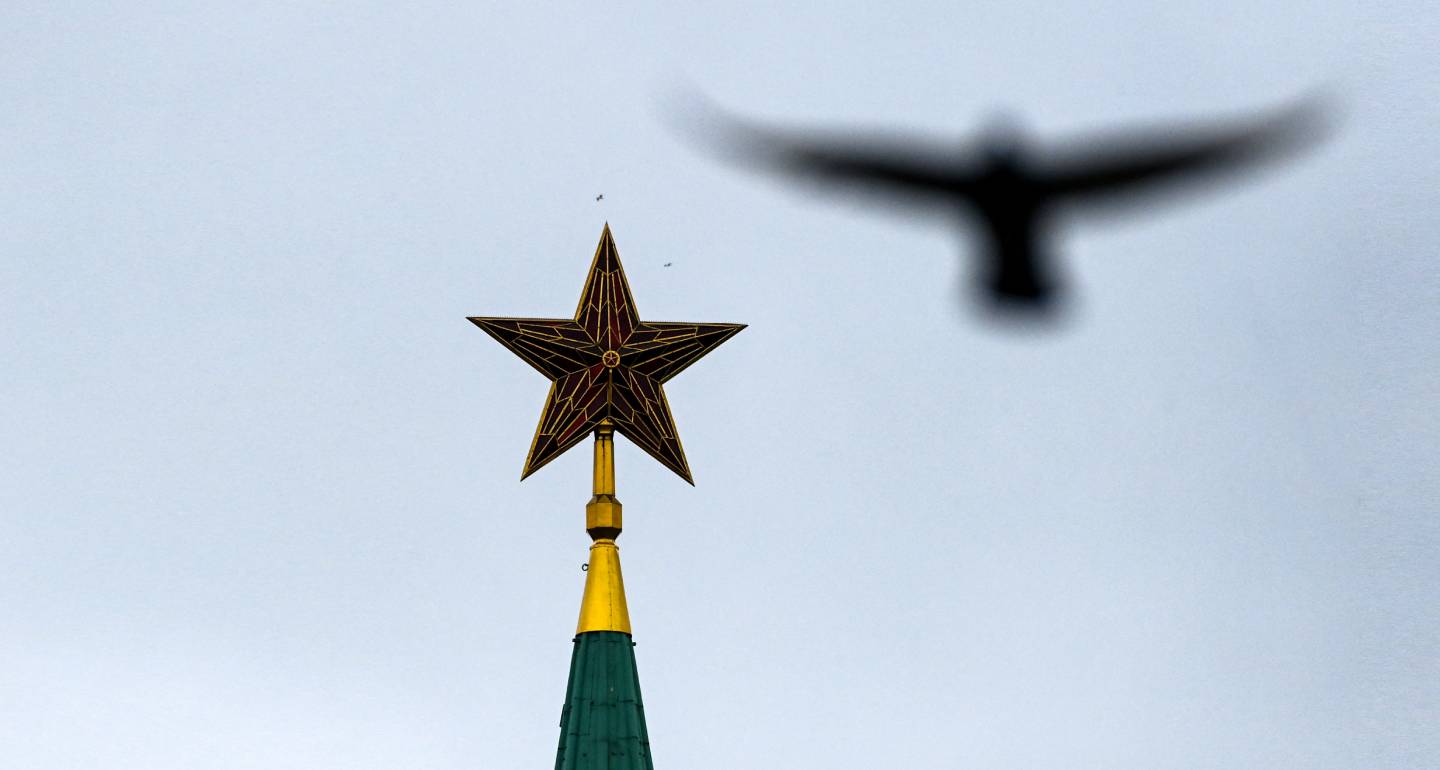
Blurring the line between humans and animals is a long-standing tradition in social utopian prose. In his latest novel, Leonid Bershidsky reminds us that in social experiments, people are often treated no differently than animals.

Alexander Baunov

U.S. trading partners in Asia are closely watching the dispute for signs of how it may affect their own interests.

Barbara Weisel

The aftermath of the Ceuta crisis shows Europe has drawn the wrong lessons. Rather than doubling down on failed migration policies, the EU needs to address the underlying roots of such episodes.

Richard Youngs
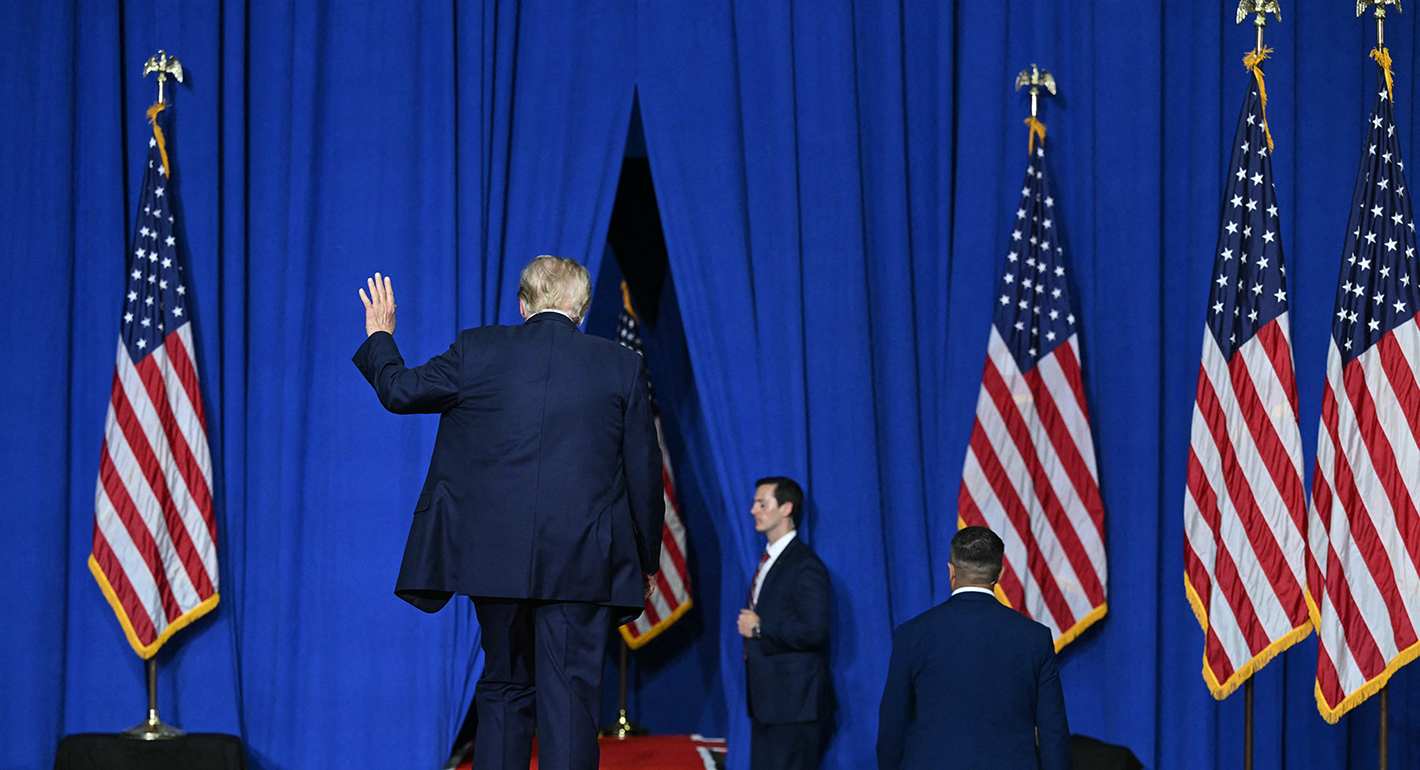
By abandoning past U.S. pro-democracy policies and adopting several lines of pro-autocratic action, the Trump administration has fundamentally repositioned the United States vis-à-vis democracy in the world.

Thomas Carothers