

Paper
Thomas Carothers

REQUIRED IMAGE
The rapidly growing field of rule-of-law assistance is operating from a disturbingly thin base of knowledge—with respect to the core rationale of the work, how change in the rule of law occurs, and the real effects of the changes that are produced.
Western aid agencies prescribe rule-of-law programs to cure a remarkably wide array of ailments in developing and post-communist countries, from corruption and surging crime to lagging foreign investment and growth. Yet there is a surprising amount of uncertainty about their actual impact on these problems, as well as a lack of knowledge at many levels of conception, operation, and evaluation of the entire rule-of-law field.
In this new working paper, Thomas Carothers argues that the rapidly growing field of rule-of-law assistance is operating from a disturbingly thin base of knowledge—with respect to the core rationale of the work, how change in the rule of law occurs, and the real effects of the changes that are produced.
About the Author
Thomas Carothers, a senior associate at the Carengie Endowment, is the founder and director of the Endowment's Democracy and Rule of Law Project. He is the author of several books on democracy promotion, including Aiding Democracy Abroad: The Learning Curve.
A limited number of print copies are available.
Request a copy.

Harvey V. Fineberg Chair for Democracy Studies; Senior Fellow, Democracy, Conflict, and Governance Program
Thomas Carothers, a senior fellow in the Carnegie Endowment for International Peace’s Democracy, Conflict, and Governance Program, is a leading expert on comparative democratization and international support for democracy.
Recent Work
Thomas Carothers
Thomas Carothers
Carnegie does not take institutional positions on public policy issues; the views represented herein are those of the author(s) and do not necessarily reflect the views of Carnegie, its staff, or its trustees.
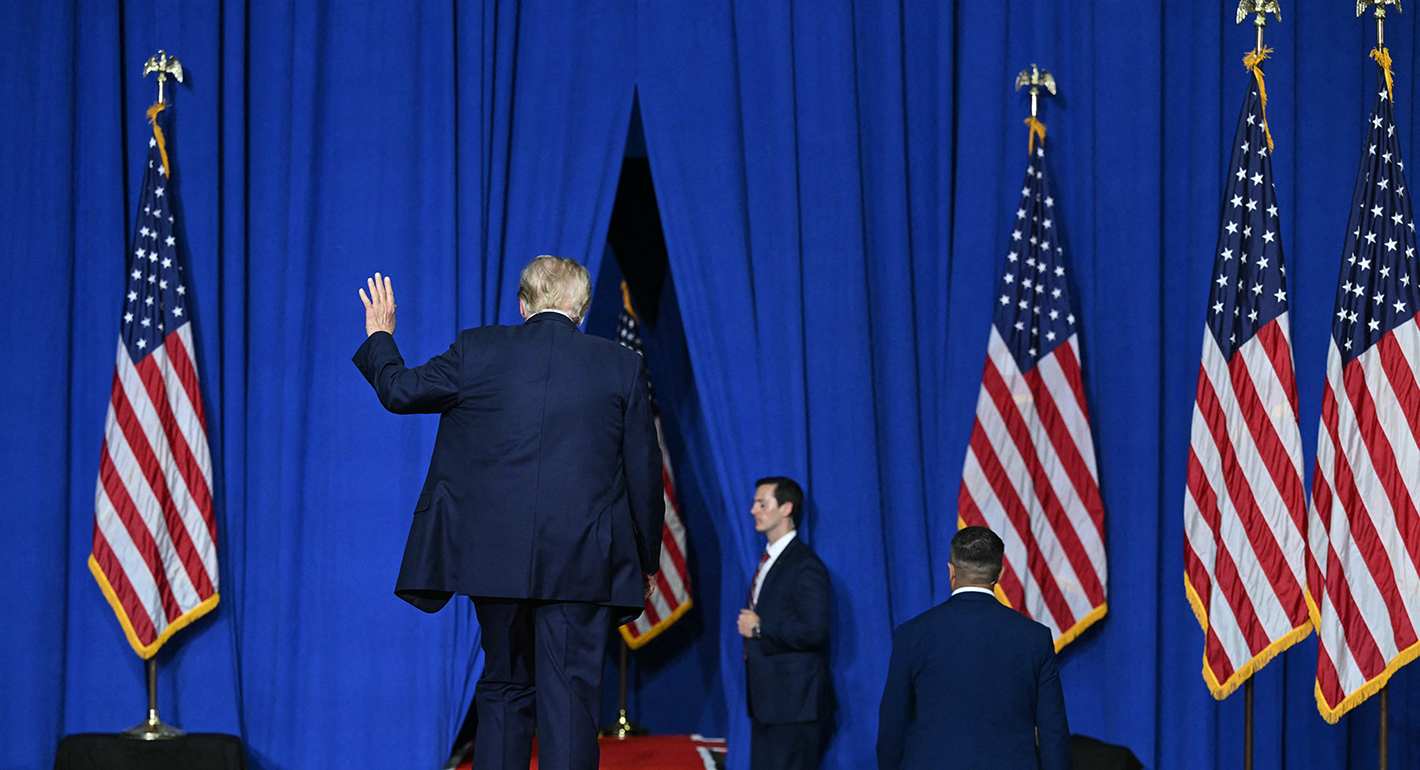
By abandoning past U.S. pro-democracy policies and adopting several lines of pro-autocratic action, the Trump administration has fundamentally repositioned the United States vis-à-vis democracy in the world.
Thomas Carothers

In the tenth year of his presidency, President Mirziyoyev’s system is becoming even more personalized than that of his predecessor Karimov.

Galiya Ibragimova

To remain effective, organizations need to master new media and legitimacy markers to make a once-in-a-century shift.

Renée DiResta, Rachel Kleinfeld, Margot Treadwell

An overwhelming victory by a far-right-wing party in a small state in eastern Germany will have major repercussions for Chancellor Friedrich Merz’s coalition.

Judy Dempsey

The greater threat to Zelensky comes not from Fedorov alone, but from the convergence between the former defense minister’s political campaign and the anti-corruption investigations moving ever closer to the presidential administration.

Balázs Jarábik